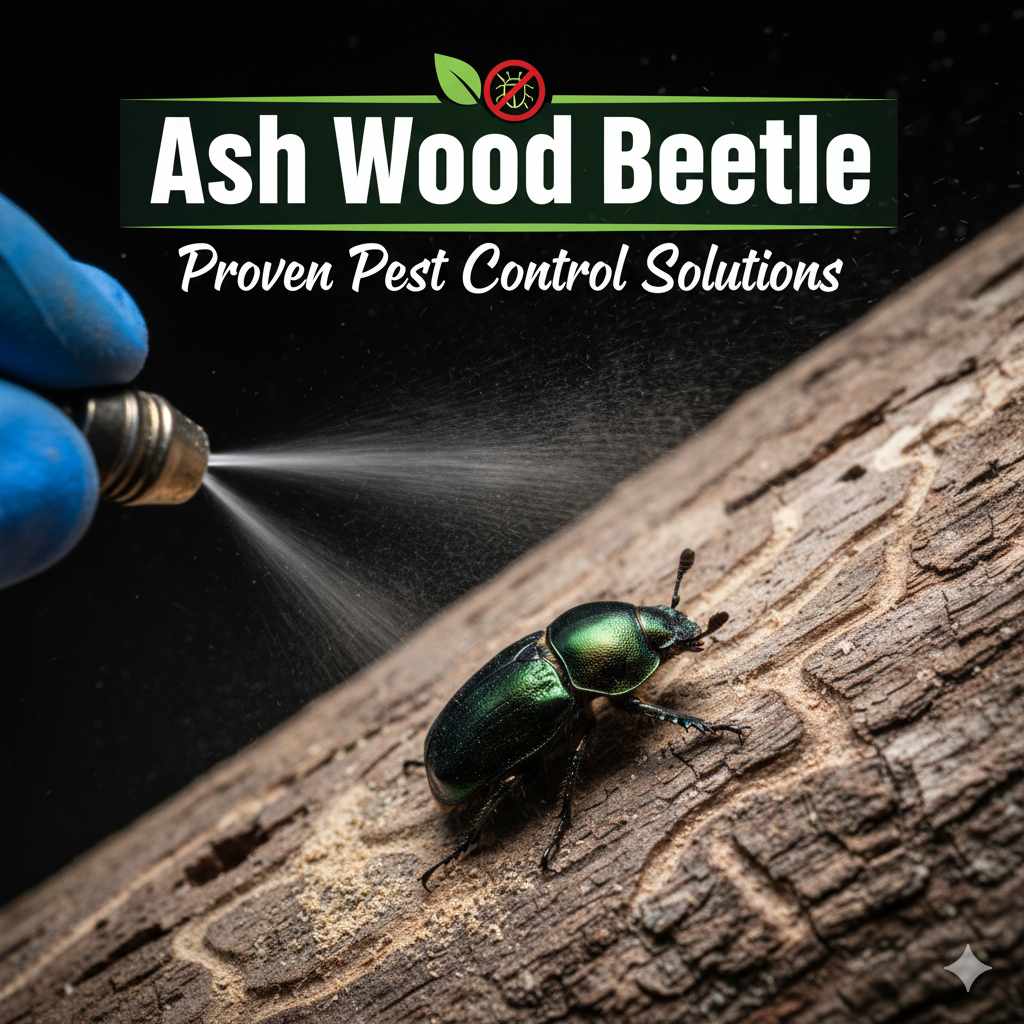
Ash Wood Beetle: Proven Pest Control Solutions
Effectively control ash wood beetles by identifying infestation signs, using targeted treatments like insecticidal soaps or professional fumigation, and implementing preventive measures such as proper wood storage and timely removal of infested trees.
Hey there, woodworking enthusiasts and homeowners! Md Meraj here. Ever notice tiny holes or powdery frass (that’s wood dust, by the way!) on your ash wood furniture or in your garden? You might be dealing with the ash wood beetle, a common pest that can be a real headache. But don’t worry, these little critters don’t stand a chance against the right knowledge and a few proven solutions. We’re going to break down exactly what to look for and how to tackle them, keeping things simple and safe for you. Let’s get your ash wood looking its best again!
Understanding the Ash Wood Beetle: What You Need to Know
The ash wood beetle, often referring to various species that target ash trees and their wood, can be a frustrating problem for anyone who loves ash wood or has ash trees on their property. These pests, in their larval stage, bore into the wood, weakening its structure and creating unsightly damage. For a beginner, it might seem daunting, but understanding their life cycle and signs of infestation is the first step to effective control.
Identifying an Ash Wood Beetle Infestation
Catching an infestation early is key to minimizing damage. Here’s what to look out for:
- Small, round exit holes: These are typically about 1/8 to 1/4 inch in diameter and are often found on the surface of the wood. They are the tell-tale signs that adult beetles have emerged.
- Powdery frass: This fine, sawdust-like material is pushed out by the larvae as they tunnel through the wood. It can accumulate around the holes or on surfaces beneath infected wood.
- Weakened wood: In severe cases, the wood may become spongy or crumbly, indicating extensive larval activity.
- Live beetles: You might occasionally see adult beetles themselves, though they are often more active at dawn or dusk.
- Yellowing or wilting leaves (on living trees): For emerald ash borers, a particularly destructive type, this is an early indicator on live trees.
Common Types of Ash Wood Beetles
While there are many wood-boring insects, a few are particularly common culprits for ash wood:
The most notorious pest affecting ash trees in North America is the Emerald Ash Borer (EAB). While it primarily targets living trees, its presence and the subsequent removal of infested wood can still pose issues. Other wood-boring beetles, like various powderpost beetles, can infest dried ash lumber.
For EAB, the signs on living trees include:
- D-shaped exit holes (larger than typical powderpost beetle holes).
- Epicormic sprouting (suckers) on the lower trunk.
- Bark splitting.
- Yellowing or thinning canopy.
For dried lumber, you’re more likely to encounter powderpost beetles. These insects lay their eggs on or in the wood, and the larvae tunnel just beneath the surface, creating fine, powdery dust.
Proven Pest Control Solutions for Ash Wood Beetles
Dealing with ash wood beetles doesn’t have to be complicated. We’ll cover both DIY approaches for minor issues and when to call in the professionals for more serious infestations.
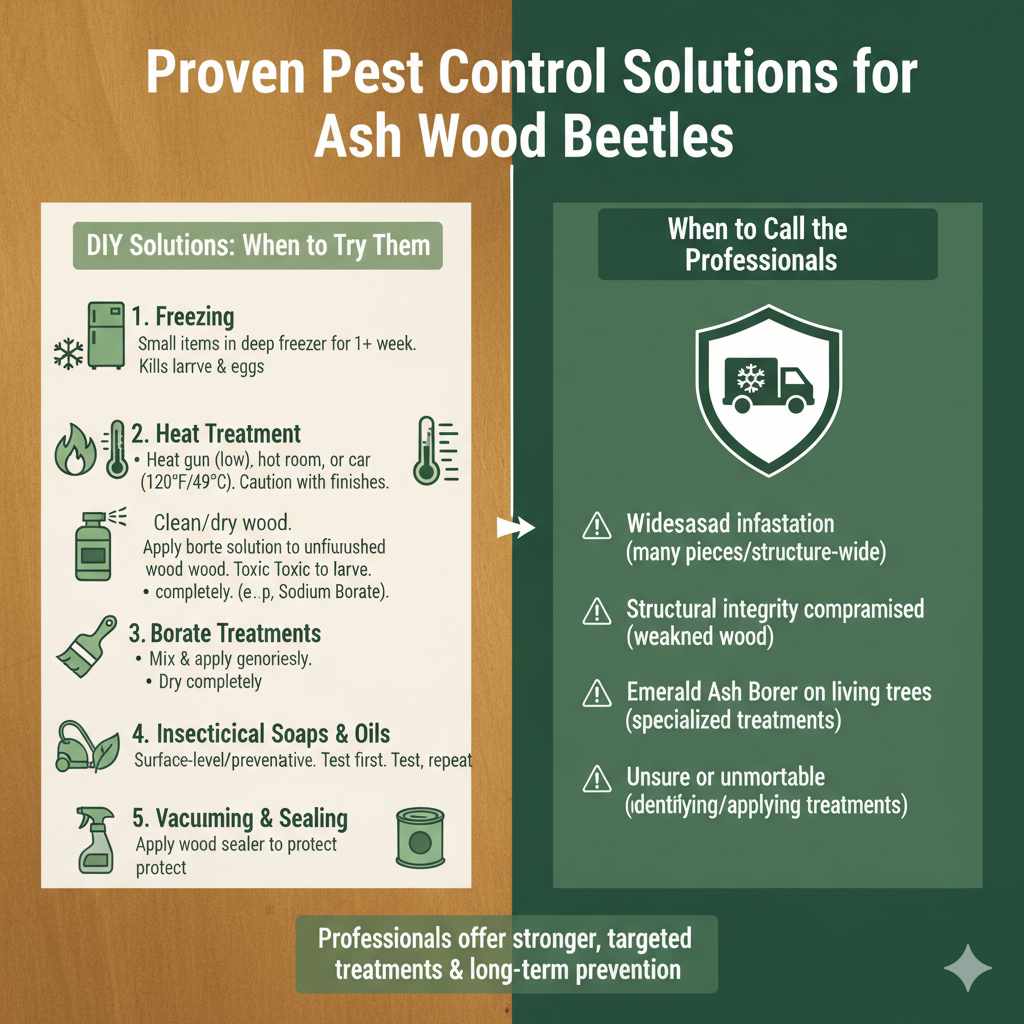
DIY Solutions: When to Try Them
For small infestations in furniture or smaller pieces of lumber, some DIY methods can be effective. These are best for when you’ve identified the problem early and the damage is localized.
1. Freezing
This is a great, chemical-free method for smaller wooden items. If you can manage it, placing a small infested piece of furniture or wood in a deep freezer for a week or more can kill the larvae and eggs. The extreme cold disrupts their life cycle.
2. Heat Treatment
Similar to freezing, controlled heat can also be effective. For small items, you can sometimes use a heat gun on a low setting (carefully!) or place the item in a very hot room or unheated car on a sunny day for an extended period. The goal is to reach temperatures that larvae cannot survive, typically above 120°F (49°C). Be extremely cautious not to damage the wood finish!
3. Borate Treatments
Borate treatments are highly effective and relatively safe for wood. You can purchase borate solutions (like sodium borate) and apply them to the wood’s surface. The borate is absorbed into the wood, making it toxic to any developing larvae and preventing future infestations. This is a great option for unfinished or raw lumber.
How to apply borate:
- Ensure the wood is clean and dry.
- Mix the borate powder with water according to the product instructions.
- Apply generously using a brush or spray bottle.
- Allow the wood to dry completely. You might need multiple applications for heavily infested areas.
You can find more detailed information on pest control with borates from resources like University Extension Offices which often provide research-based guidance.
4. Insecticidal Soaps and Oils
For surface-level issues or as a preventative measure on treated surfaces, insecticidal soaps and horticultural oils can be effective. These work by disrupting the insect’s cell membranes or suffocating them. Always test on an inconspicuous area first to ensure it doesn’t damage the wood finish.
Application:
- Mix according to product directions.
- Apply thoroughly to affected surfaces.
- Repeat as necessary, following product guidelines.
5. Vacuuming and Sealing
For minor surface damage, vacuuming regularly can help remove frass and beetles. Once you’ve treated the wood with your chosen method, consider applying a good quality wood sealer or finish. This not only protects the wood but also makes it less attractive to egg-laying beetles.
When to Call the Professionals
There are certainly times when DIY isn’t enough, and bringing in the pros is the smartest move.
Call professionals if:
- The infestation is widespread: If you see damage on many pieces of wood or throughout a larger structure, professional help is needed.
- Structural integrity is compromised: If the wood is significantly weakened and poses a safety risk, don’t delay.
- Dealing with Emerald Ash Borer on living trees: EAB is a serious threat to ash trees, and specialized treatments are often required. Professionals can assess the tree’s health and the infestation level.
- You’re unsure or uncomfortable: If you’re not confident in identifying the pest or applying treatments safely, it’s always best to consult an expert.
Professional pest control services have access to stronger, more targeted treatments and the expertise to apply them safely and effectively. They can also offer advice on long-term prevention.
Preventive Measures: Keeping Ash Wood Safe
The best defense against ash wood beetles is good prevention. Here’s how you can protect your ash wood items and trees:
For Woodworkers and Furniture Owners
1. Inspect Wood Before Bringing Indoors: Always examine lumber and new or used furniture for signs of infestation before introducing it to your home or workshop. Look for those tell-tale holes and frass.
2. Proper Wood Storage:
- Store wood in a dry, well-ventilated area.
- Avoid storing wood directly on the ground.
- Consider kiln-drying lumber, which kills any potential pests.
- If storing lumber outdoors, cover it tightly with tarps to prevent beetles from laying eggs.
3. Treat New Lumber: When bringing raw lumber into your home or workshop, consider applying a preventative borate treatment. This is a proactive step that offers long-term protection.
4. Seal and Finish Your Wood: A good quality finish provides a physical barrier that makes it difficult for beetles to lay eggs and for larvae to penetrate the wood.
For Homeowners with Ash Trees
If you have ash trees on your property, vigilance is crucial, especially in areas where pests like the Emerald Ash Borer are present.
1. Monitor Your Trees Regularly: Keep an eye on the health of your ash trees. Look for the signs mentioned earlier, such as thinning canopies, yellowing leaves, and bark damage.
2. Proper Pruning and Removal: If you notice signs of infestation, consult an arborist immediately. They can diagnose the problem and recommend treatment or removal. Ash wood from infested trees should ideally be disposed of properly (e.g., chipped, burned, or taken to a landfill) to prevent the spread of pests.
3. Consider Preventative Treatments: For valuable ash trees in EAB-prone areas, there are preventative insecticide treatments available. These are typically applied by certified arborists and can protect healthy trees.
For more information on managing EAB in trees, resources like the USDA Forest Service offer excellent guidance.
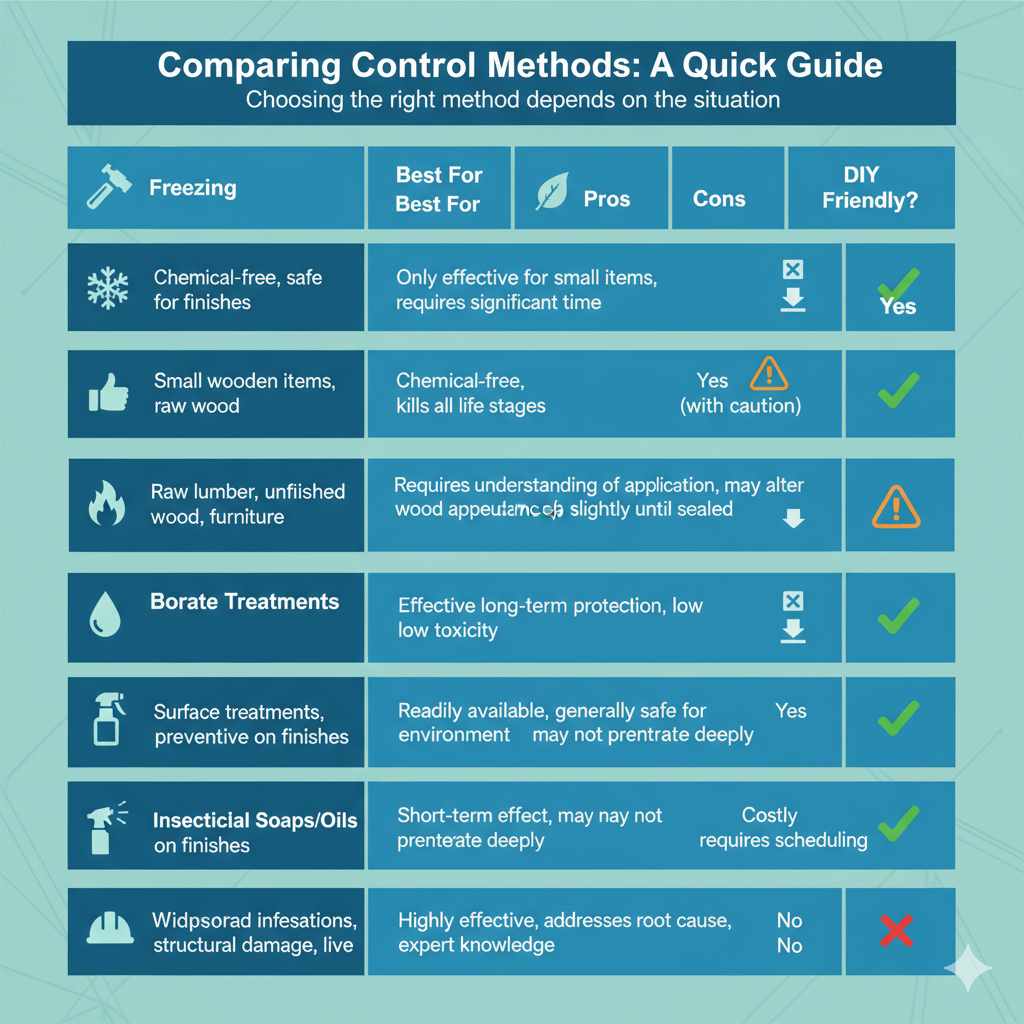
Comparing Control Methods: A Quick Guide
Choosing the right method depends on the situation. Here’s a look at some common approaches:
| Method | Best For | Pros | Cons | DIY Friendly? |
|---|---|---|---|---|
| Freezing | Small wooden items | Chemical-free, safe for finishes | Only effective for small items, requires significant time | Yes |
| Heat Treatment | Small wooden items, raw wood | Chemical-free, kills all life stages | Risk of wood damage if not careful, energy-intensive | Yes (with caution) |
| Borate Treatments | Raw lumber, unfinished wood, furniture | Effective long-term protection, low toxicity | Requires understanding of application, may alter wood appearance slightly until sealed | Yes |
| Insecticidal Soaps/Oils | Surface treatments, preventative on finishes | Readily available, generally safe for environment | Short-term effect, may not penetrate deeply | Yes |
| Professional Treatment | Widespread infestations, structural damage, live trees | Highly effective, addresses root cause, expert knowledge | Costly, requires scheduling | No |
Frequently Asked Questions (FAQs)
What are the signs of ash wood beetle damage?
Look for small, round exit holes on the wood surface, powdery frass (wood dust), weakened or crumbly wood, and sometimes the beetles themselves.
Are ash wood beetles dangerous to humans?
Ash wood beetles themselves are not dangerous to humans. Their danger lies in their ability to damage wood, potentially compromising the structural integrity of furniture, buildings, or trees.
Can I treat ash wood furniture myself?
Yes, for minor infestations in furniture, you can try methods like freezing (for small items), borate treatments (ensure compatibility with finish), or careful heat application. Always test treatments on an inconspicuous area first.
How quickly do ash wood beetles spread?
The speed of spread can vary depending on the beetle species, environmental conditions, and the availability of suitable wood. Larval development can take several months to over a year. For living trees, pests like the Emerald Ash Borer can cause significant damage within a few years.
What is the best way to prevent ash wood beetles?
Prevention includes properly storing wood, inspecting it before bringing it indoors, applying preventative treatments like borates, and sealing/finishing wood surfaces.
Is all infested ash wood unsafe to use?
Wood with minor, surface-level infestations that has been treated and sealed can often be safely used for many purposes. However, if the wood’s structural integrity is compromised, it should not be used where safety is a concern.
When should I definitely call an exterminator for ash wood beetles?
You should call a professional if the infestation is extensive, affects the structural integrity of wood in your home, or if you are dealing with pests like the Emerald Ash Borer on living trees and need expert assessment and treatment.
Conclusion
Dealing with ash wood beetles might seem like a daunting task, but with the right approach, you can successfully protect your wood and trees. Remember, early detection is your best friend. By understanding the signs of an infestation and knowing the effective control and prevention methods – from simple DIY treatments like freezing and borates to knowing when to enlist professional help – you can keep your beautiful ash wood in excellent condition. Whether you’re a seasoned woodworker or a homeowner just wanting to protect your property, these steps will equip you to tackle the ash wood beetle challenge confidently. Keep those tools sharp and your wood healthy!