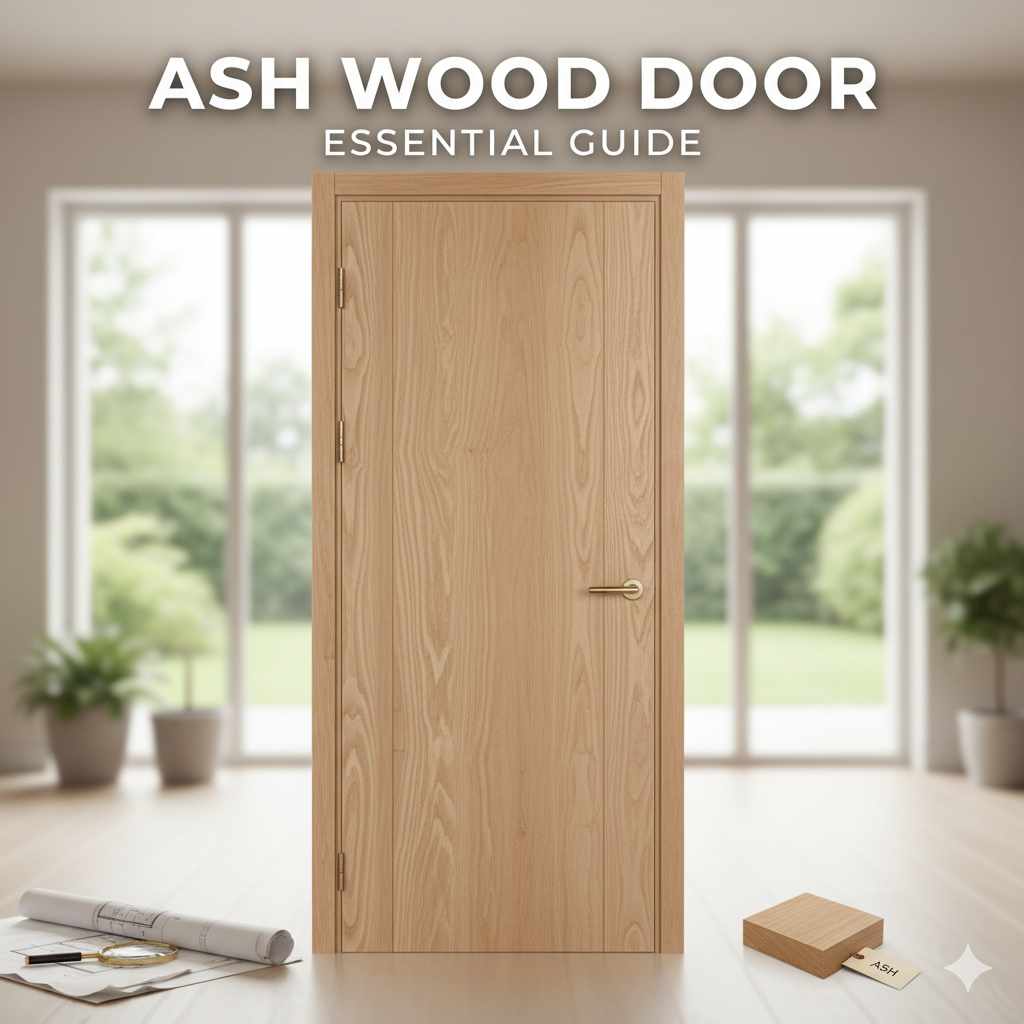
Ash Wood Door: Essential Guide
Ash wood doors offer a beautiful, durable, and versatile option for your home. They are known for their strength, attractive grain patterns, and affordability, making them a fantastic choice for beginners looking to add timeless style and lasting quality to their interiors without breaking the bank.
Hey there, future woodworkers and home improvers! Are you looking for a door that’s both gorgeous and tough? You’ve probably seen “ash wood doors” pop up, and maybe you’re wondering if they’re the right fit for your home. It’s easy to feel a bit overwhelmed by all the choices out there for doors. But don’t worry, I’m here to make it super simple for you! Ash wood is a fantastic material, especially if you’re just starting out or want a reliable, stylish option. We’ll walk through everything you need to know to understand why an ash wood door might be your next best home upgrade. Get ready to learn all about these wonderful doors and what makes them so special.
What is Ash Wood? A Beginner’s Look
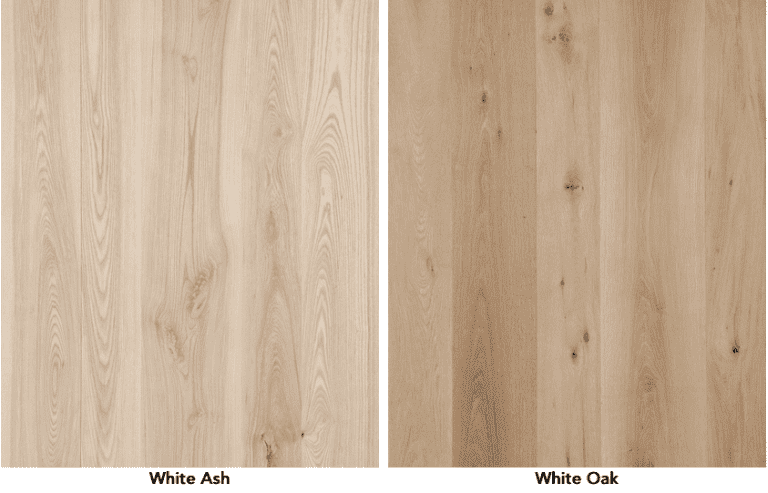
So, what exactly is ash wood? Think of it as nature’s sturdy handshake. Ash trees are common in North America and Europe, and their wood is prized for its strength and flexibility. It’s a hardwood, which means it’s dense and durable, standing up well to everyday use. Imagine the wood used for baseball bats or tool handles – that’s ash! It has a pretty, straight grain that can look quite elegant.
For your home, this translates into doors that can take a beating but still look fantastic. Whether it’s a busy hallway or a frequently used room, an ash wood door is built to last. Plus, its natural grain can add a touch of warmth and character that other woods might not offer as readily.
Why Choose an Ash Wood Door for Your Home?
You might be wondering, “Why ash specifically?” There are several great reasons why an ash wood door is an excellent choice for your home, especially if you’re a beginner looking for quality without complexity. Let’s break down the benefits:
- Durability: Ash is a hardwood, meaning it’s strong and resistant to dents and scratches. This is perfect for high-traffic areas in your home.
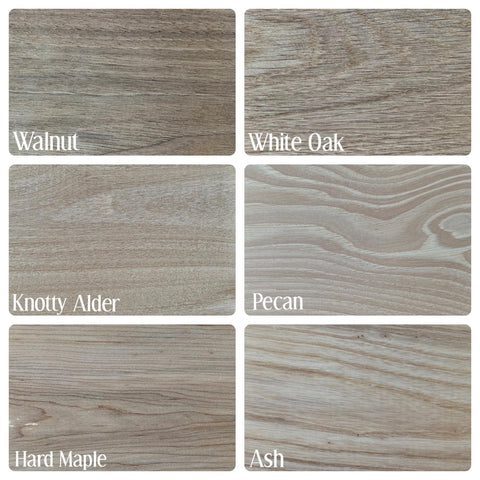
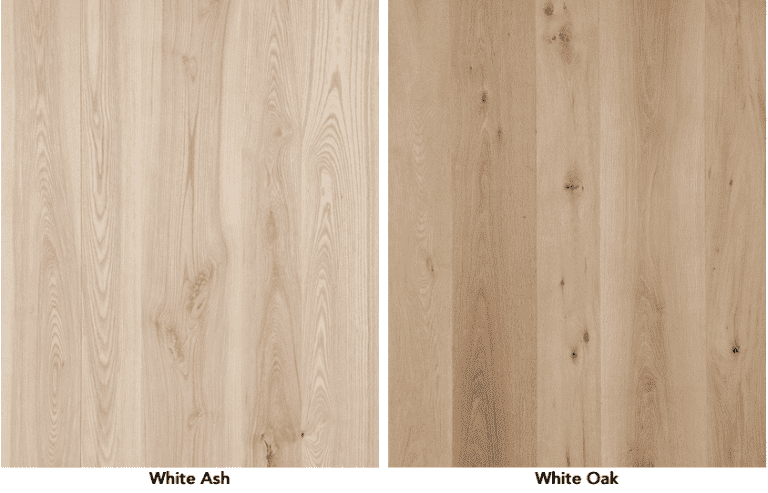
- Aesthetic Appeal: Ash wood has a beautiful, light color with distinctive grain patterns that can range from straight and uniform to more wavy and varied. It takes stains and finishes very well, allowing you to customize its look to match your decor.
- Versatility: It can be styled to fit almost any interior design, from modern and minimalist to rustic and traditional.
- Affordability: Compared to some other hardwoods like oak or walnut, ash often provides excellent value for its quality and appearance. You get a premium look and feel without the premium price tag.
- Workability: While it’s a hardwood, ash is generally easier to work with than some other dense woods, making it a good choice if you plan on any minor DIY adjustments or installations.
Ash Wood vs. Other Common Door Woods
To really appreciate ash, it helps to see how it stacks up against other popular choices for interior doors. Here’s a simple comparison:
| Wood Type | Pros | Cons | Typical Appearance |
|---|---|---|---|
| Ash | Durable, attractive grain, good value, takes finishes well. | Can be prone to denting if very high impact is expected, less common than pine. | Light to medium brown, straight to variable grain. |
| Pine | Affordable, lightweight, easy to work with, rustic look. | Softer, easily dented and scratched, knots can bleed through paint. | Pale yellow to light brown, prominent knots, straight grain. |
| Oak | Very durable, strong grain, classic look, resistant to wear. | More expensive, heavier, grain can be very pronounced (may not suit all styles). | Light brown to reddish, prominent, often tight grain patterns. |
| Maple | Smooth texture, uniform appearance, very durable, modern look. | Can be more expensive than ash, less distinctive grain than ash or oak. | Creamy white to light brown, very fine, subtle grain. |
As you can see, ash hits a sweet spot! It offers much of the durability and attractiveness of pricier woods like oak but at a more accessible price point. It’s often a step up in quality from softer woods like pine.
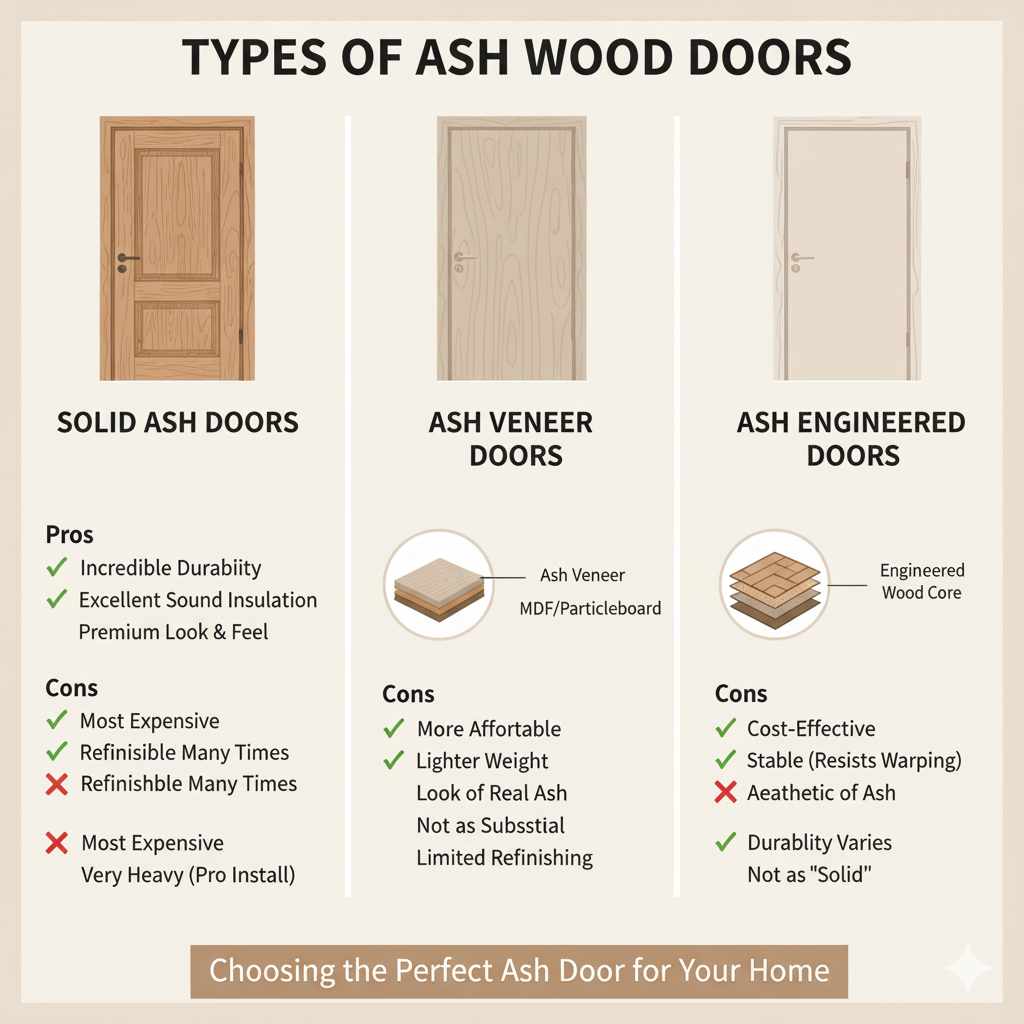
Types of Ash Wood Doors
When you’re looking for an ash wood door, you’ll find they come in a few main styles. Understanding these will help you pick the perfect one for your home.
Solid Ash Doors
These doors are made entirely from solid ash wood. They are the most robust and luxurious option.
- Pros: Incredible durability, excellent sound insulation, can be refinished multiple times, premium look and feel.
- Cons: Most expensive option, very heavy (may require professional installation).
Ash Veneer Doors
These doors have a core (often made of MDF or particleboard) with a thin layer of real ash wood applied to the surface. This is called veneer.
- Pros: More affordable than solid ash, lighter weight, still offers the look of real ash wood, less prone to warping than solid wood.
- Cons: Can be scratched through to the core if damaged deeply, not as substantial feeling as solid wood, cannot be refinished as many times.
Ash Engineered Doors
Similar to veneer doors, these use ash wood in specific parts, often as a veneer over an engineered wood core. They are designed for stability and cost-effectiveness while still showcasing the ash look. A common example is an ash-faced door.
- Pros: Cost-effective, stable (less likely to warp or expand/contract with humidity changes), offers the aesthetic of ash hardwood.
- Cons: Durability depends on the quality of the core and veneer application, not as “solid” as a full wood door.
How to Choose the Right Ash Wood Door for Your Needs
Picking the perfect door can seem tricky, but let’s simplify it. Think about what matters most for your space, and you’ll find the right ash door.
Consider Your Budget
Ash wood doors range in price depending on whether they are solid, veneer, or engineered. Solid ash will be the most expensive, while veneer and engineered options offer a more budget-friendly way to get the ash look.
Match Your Home’s Style
Ash wood has a beautiful grain that works well with many styles. Its natural warmth suits traditional and rustic homes, while a sleek, modern finish can make it perfect for contemporary spaces. Look at Houzz or Pinterest for inspiration on how ash doors are used in different interiors to get ideas.
Think About Functionality and Location
Where will the door be installed? For a bathroom or kitchen where humidity can be a concern, an engineered or veneer door with a good sealant might be more stable. For a bedroom or living area, any type of ash door will likely perform wonderfully. Remember, stronger woods are better for high-traffic areas. The Woodworking Trade website offers good insights into choosing woods for different applications.
Assess Durability Needs
If you have kids or pets, or a very busy household, a solid ash door will offer the best long-term durability. If you’re looking for a stylish update in a less demanding area, an ash veneer can be a great, cost-effective choice.
Finishing Touches: Pre-hung vs. Slab Doors
You’ll also encounter two main ways doors are sold:
- Slab Doors: These are just the door panel itself. They are usually less expensive but will require you to install hinges and potentially modify the frame or existing door to fit. This is a bit more advanced for beginners.
- Pre-hung Doors: These come already mounted in a door frame with hinges attached. They make installation much easier for DIYers because the door is already squared up and ready to be fitted into your wall opening. This is generally the better option if you’re new to door hanging.
Caring for Your Ash Wood Door
Taking good care of your ash wood door will ensure it stays beautiful and functional for years to come. It’s much simpler than you might think!
Daily Cleaning
For everyday dust and grime, a soft, dry cloth or a slightly damp cloth is all you need. Wipe gently along the grain of the wood.
Deeper Cleaning
If you encounter tougher spots or smudges, you can use a mild soap (like dish soap) mixed with water. Dampen a soft cloth with the soapy water, wring it out very well so it’s not dripping, and wipe the affected area. Immediately wipe it dry with another clean, dry cloth.
- Avoid: Harsh chemicals, abrasive cleaners, or excessive water, as these can damage the wood finish or the wood itself.
Protecting the Finish
Most ash wood doors come with a protective finish (like lacquer, polyurethane, or varnish). This finish shields the wood. If you notice the finish dulling over time, you might be able to restore its shine with a furniture polish specifically designed for wood finishes. Always test any product in an inconspicuous spot first.
Dealing with Scratches
Minor scratches on a stained or sealed ash door can often be camouflaged. You can try a wood repair crayon or a furniture touch-up pen that matches the color of your door. For deeper scratches on a stained door, re-staining a small area might be necessary. For painted doors, a touch-up of paint is usually sufficient.
Environment Matters
Try to maintain a consistent humidity level in your home. Extreme fluctuations in humidity can cause wood to expand and contract, potentially leading to minor issues over time, though ash is generally quite stable.
Taking these simple steps will keep your ash wood door looking its best without requiring advanced woodworking skills.
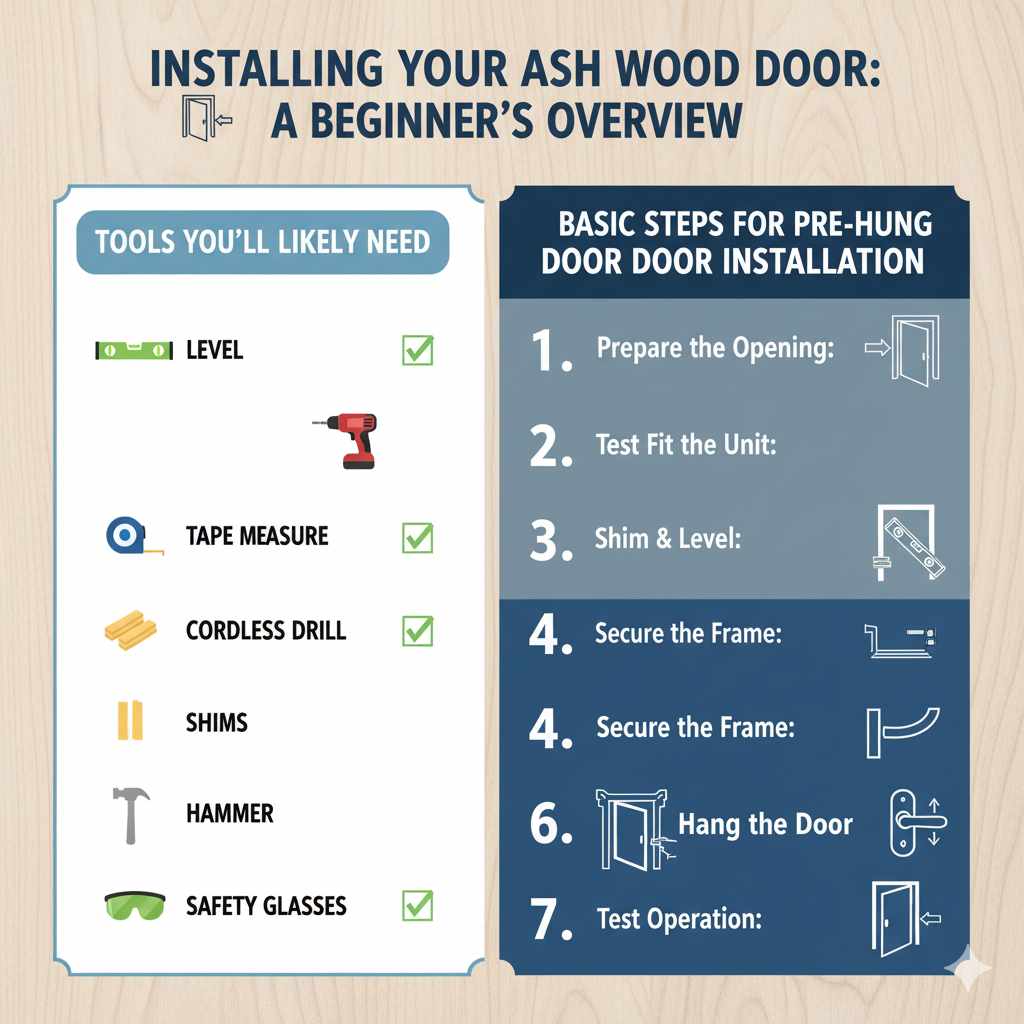
Installing Your Ash Wood Door: A Beginner’s Overview
Installing a door might sound intimidating, but if you choose a pre-hung door and follow the steps carefully, it’s a very achievable DIY project. Safety first! Always wear safety glasses and consider work gloves.
Tools You’ll Likely Need
Gathering your tools before you start makes the job smoother. For installing a pre-hung door, you might need:
- A level (essential for ensuring the door hangs straight)
- A tape measure
- A screwdriver or cordless drill with screw bits
- Shims (small, tapered pieces of wood to help level and secure the frame)
- A hammer
- A utility knife
- Safety glasses
- Work gloves
Basic Steps for Pre-Hung Door Installation
Here’s a simplified look at the process. For detailed instructions, always refer to the manufacturer’s guide, as specific steps can vary slightly.
- Prepare the Opening: Ensure the rough opening in your wall is the correct size for the pre-hung door unit. Remove any old trim or debris.
- Test Fit the Unit: Carefully place the pre-hung door unit into the opening. Check that it fits snugly.
- Shim and Level: Use shims to make the door frame perfectly plumb (vertical) and level (horizontal). Place shims between the door frame and the wall studs at hinge points and at the top and strike side. Use your level constantly!
- Secure the Frame: Once plumb and level, nail or screw through the shims and frame into the wall studs to firmly attach the unit. This is a crucial step for stability. The Family Handyman has excellent visual guides that are very helpful for this.
- Install Trim: Attach your decorative door casing (trim) around the frame to cover the gap between the door frame and the wall.
- Hang the Door (if not already on): If the door itself isn’t already on the hinges, you’ll attach it now, ensuring it swings smoothly without binding.
- Test Operation: Open and close the door several times to make sure it operates smoothly and the latch engages properly.
Remember, patience is key! Take your time with the leveling and shimming steps, as this is what ensures a perfectly hanging door. If you feel unsure, don’t hesitate to consult a professional or a more experienced DIY friend.
Frequently Asked Questions About Ash Wood Doors
Here are some common questions beginner woodworkers and homeowners might have about ash wood doors.
Q1: Is ash wood good for interior doors?
Yes, absolutely! Ash wood is a hardwood that’s strong, durable, and has a beautiful grain pattern, making it an excellent choice for interior doors that need to withstand regular use and look great.
Q2: Are ash wood doors expensive?
Ash wood doors offer great value. They are typically more affordable than hardwoods like oak or cherry, but provide superior durability and appearance compared to softer woods like pine. The price can vary based on solid construction versus veneer.
Q3: How do I clean an ash wood door?
Cleaning is simple! Use a soft, dry cloth for dusting. For tougher marks, use a slightly damp cloth with mild soap and water, then wipe dry immediately. Avoid harsh chemicals or excessive moisture.
Q4: Can I paint or stain an ash wood door?
Yes! Ash wood takes stains beautifully, allowing its natural grain to show through. It can also be painted. If you plan to paint, ensure the wood is properly primed first. If it’s already finished, you might need to lightly sand before applying a new finish.
Q5: Will an ash wood door warp?
Like all solid wood, ash can expand and contract with changes in humidity. However, ash is a stable hardwood. For maximum stability, especially in humid environments, an ash veneer or engineered door on a stable core often offers the best resistance to warping.
Q6: Are ash wood doors heavy?
Solid ash wood doors are quite heavy due to the density of the wood. Ash veneer or engineered doors are significantly lighter, making them easier to handle and install.
Q7: Where can I buy ash wood doors?
You can find ash wood doors at most home improvement stores, lumber yards, and specialized door retailers. Online retailers also offer a wide selection. Always check product descriptions to confirm if it’s solid ash or ash veneer.
Conclusion
So there you have it – your essential guide to ash wood doors! We’ve explored what makes ash wood a fantastic material for doors, from its impressive durability and beautiful grain to its excellent value. You’ve learned about the different types of ash doors available, how to choose the right one for your home and budget, and simple tips for keeping your door looking its best for years to come.
Whether you’re a seasoned DIYer or embarking on your first big home project, choosing an ash wood door is a decision you’ll be happy with. Its timeless appeal and robust construction make it a smart investment for adding both beauty and lasting quality to your living space. Don’t be afraid to tackle the installation – with pre-hung options and a little patience, you can achieve professional results. Happy building, and enjoy your beautiful new ash wood door!