BC Plywood vs Sande Plywood: Grade vs Species Explained
“BC plywood” and “Sande plywood” show up side by side in a lot of lumber-yard signage and comparison articles, as if they were two competing brands of the same product. They are not. BC is a face-and-back grading label that can apply to plywood made from several different softwood species, while Sande is a specific tropical hardwood species used to build the veneers themselves. Mixing the two up is why so many comparison guides (including an earlier version of this one) end up contradicting themselves on basic facts like which face is graded what, or where the wood actually comes from.
BC Plywood vs. Sande Plywood: A Grade Label vs. a Wood Species
Here is the one-sentence version: “BC” tells you about the quality of the two faces on a sheet of plywood, and “Sande” tells you what tree the veneers were cut from. A sheet of BC plywood is very often made from Douglas fir or southern pine. A sheet of Sande plywood is made from Brosimum utile, a hardwood harvested mainly in Ecuador and Colombia. You could, in theory, find graded Sande plywood, and you could find BC-grade panels in other species – the two labels are answering different questions, not naming two rival products.
Best For Sealing Plywood Knots & Tannin Before Paint
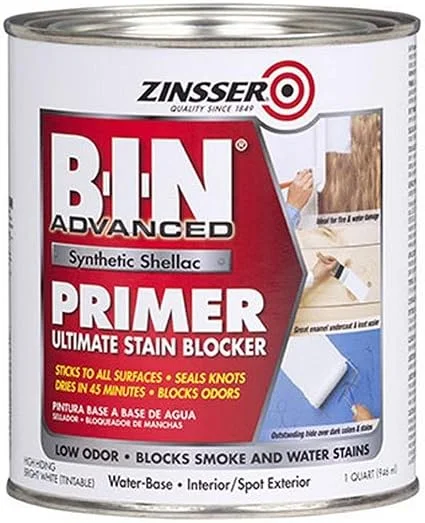 |
Zinsser B-I-N Advanced Synthetic Shellac Primer, 1 Qt – $23 Whether you’re painting the C-grade face of a BC sheet or prepping Sande for a clean coat, this stain-blocking primer seals knots, sap, and tannin bleed before they show through the finish.
|
What “BC” Actually Means in Plywood Grading
BC plywood is graded under the U.S. voluntary product standard (PS 1-09) that most North American plywood mills follow. The letters describe the two faces of the sheet, not the core: the first letter is the “face” (the better side), the second is the “back.” A BC sheet has a B-grade face and a C-grade back.
The B-Grade Face
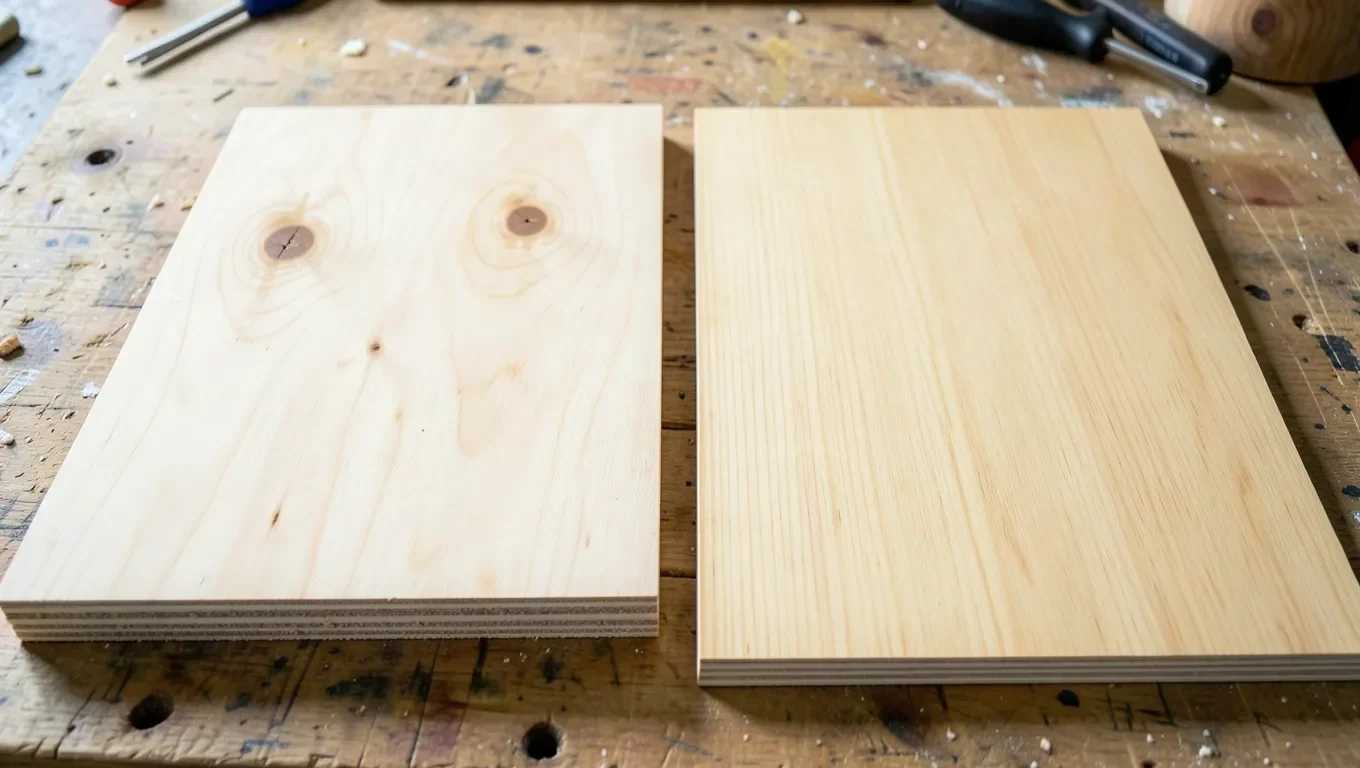
The B side is solid and sanded smooth, with small football-shaped wood-filler patches and tight knots up to about 1 inch allowed. It is not flawless, but it takes paint and stain evenly and looks presentable without much prep work.
The C-Grade Back
The C side is the rougher, cheaper face. It allows tight knots up to about 1.5 inches, open knotholes up to 1 inch, occasional splits, and some discoloration. It is meant for surfaces nobody will see, not for a finished face.
What Species Get Graded BC
Because BC is a grade, not a species, it is most commonly applied to softwood plywood, especially Douglas fir and southern yellow pine, the two workhorse species behind most plywood sold at lumber yards. One correction to a common assumption: BC is a sanded, appearance-type grade (APA notes panels with B-grade or better faces are sanded smooth), not a structural sheathing grade. Roof, wall, and subfloor sheathing is sold as unsanded C-D or C-C panels with span ratings, so a BC sheet is better thought of as a paintable utility panel with one decent face, usually made with exterior glue.
What Sande Plywood Actually Is
Sande plywood is not a grade at all – it is a hardwood plywood built entirely (or nearly entirely) from one species, Brosimum utile. That is a real, distinct classification: species-based plywood, the same category birch and Baltic birch plywood belong to.
Where Sande Wood Comes From
Brosimum utile grows in the tropical Americas, and nearly all of the commercial supply used for plywood veneer today is harvested in Pacific Ecuador and Colombia. That is worth correcting because it is easy to find guides claiming Sande is a West African species – it is not; it is a Central and South American hardwood.
What Sande Veneer Actually Looks Like
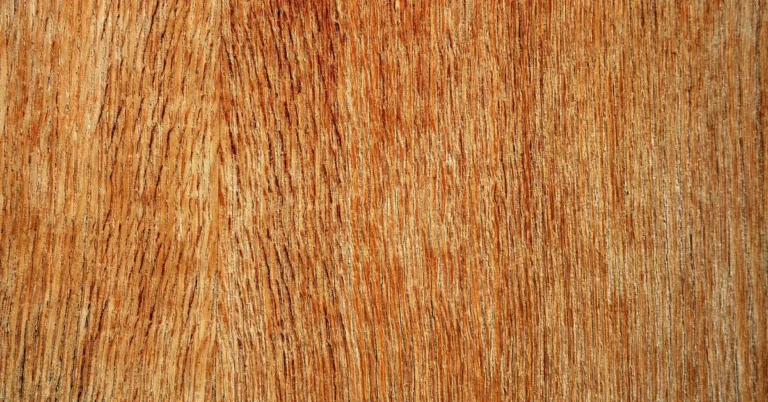
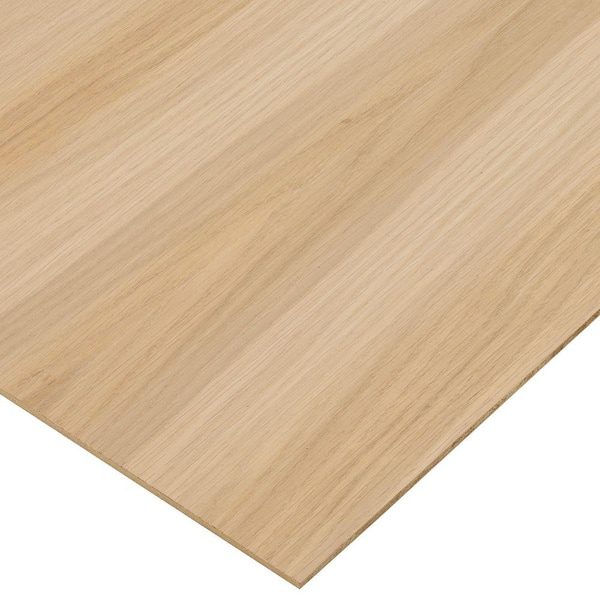
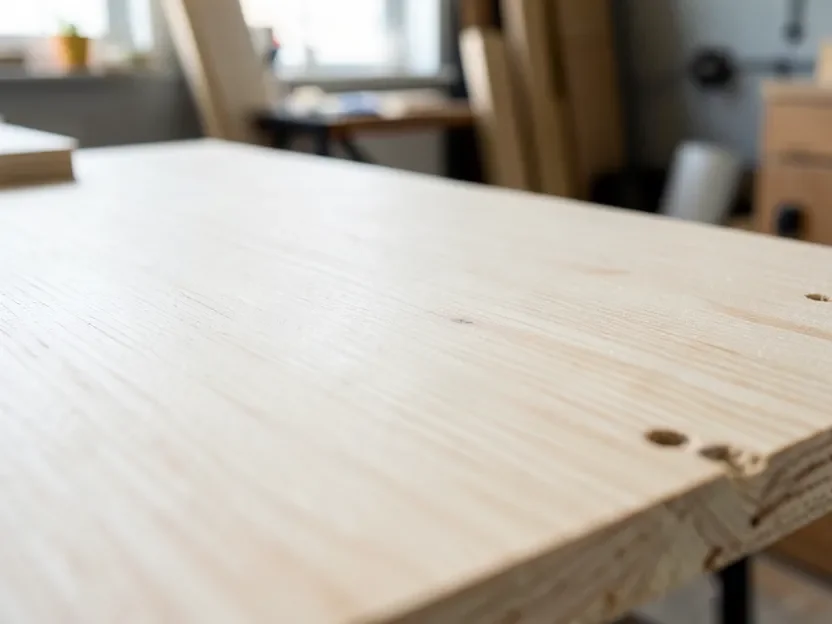
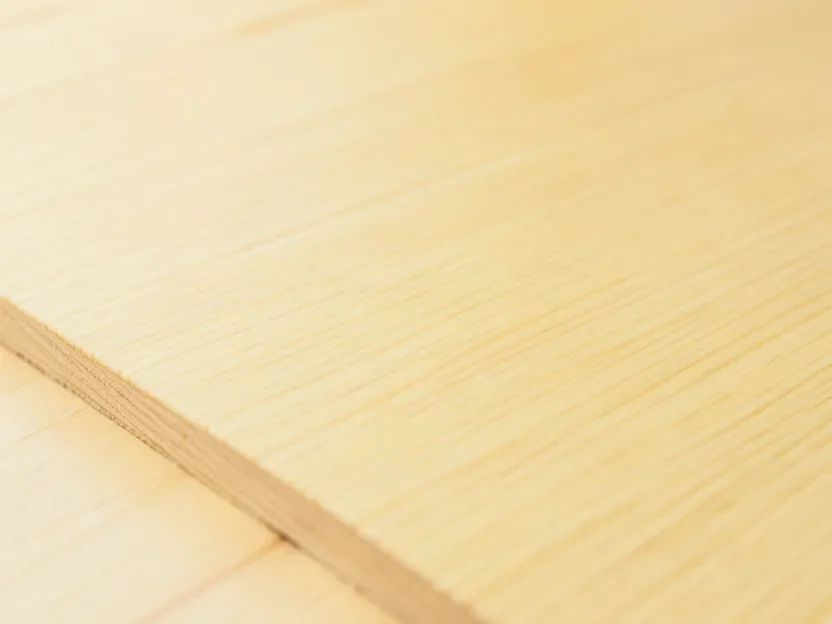
Sande’s heartwood and sapwood are barely distinguishable from each other, both running a uniform pale yellow to light brown, with a medium to moderately coarse, straight-to-slightly-interlocked grain. It is not the reddish tropical hardwood tone some product listings describe – that reddish look belongs to unrelated species like sapele or meranti, which get confused with Sande because they are all sold as “tropical hardwood plywood” alternatives. Density and strength are comparable to U.S. oak, and most Sande plywood sold at retail (Home Depot’s “Sandeply” line is the common example) comes pre-sanded on both faces, which is why it reads as a cabinet-grade smooth panel rather than something you would grade B or C in the first place.
Where You’ll Actually Find It
Sande plywood is sold mainly as a budget-friendly alternative to Baltic birch for cabinet boxes, shelving, and interior furniture parts where a smooth, uniform, paintable face matters more than a species pedigree. One real caveat competitors rarely mention: Sande is not decay- or insect-resistant, so it belongs indoors or under a full protective finish, not on an exterior project.
Why “BC vs. Sande” Is a Bit of a Trick Question
Asking “should I use BC or Sande plywood” is a little like asking “should I get a medium roast or a Colombian coffee.” One answer describes a grade, the other describes an origin, and either one could technically apply to the other. In practice, though, retail Sande plywood is almost never sold under a B/C grade stamp, since it typically arrives pre-sanded to a smoother, more consistent standard than a C-grade back would allow. So while the two terms are not directly comparable classifications, the real-world products you will find on a shelf under each name usually do serve different jobs – which is exactly why a side-by-side comparison is still useful, as long as you know what you are actually comparing.
Side-by-Side: What Each Term Actually Tells You
| Feature | BC Plywood (a grade) | Sande Plywood (a species) |
|---|---|---|
| What the name describes | Face/back veneer quality under PS 1-09 | The specific tree the veneers are cut from |
| Typical species used | Douglas fir, southern yellow pine | Brosimum utile (tropical Americas) |
| Face appearance | One good (B) face, one rougher (C) face with knots/patches | Both faces smooth and uniform, pale yellow to light brown |
| Structural/exterior rating | Sanded utility panel, often exterior-glue; sheathing is a separate unsanded grade (C-D, C-C) | Interior use only, not decay- or insect-resistant |
| Typical cost | Lower, widely stocked at lumber yards | Moderate, sold as a Baltic-birch alternative |
| Best fit | Structural work, one visible painted face | Cabinet boxes, shelving, smooth interior panels |
Which One Should You Actually Buy?
Choose BC Plywood When…
- You need a sanded utility panel with one decent face, such as underlayment, painted shelving, or a semi-visible work surface (for roof, wall, or subfloor sheathing, buy a span-rated sheathing panel instead)
- The project will be painted, so a few sealed knots on the good face are not a dealbreaker
- Budget matters more than a flawless, uniform surface
Choose Sande Plywood When…
- You are building cabinet boxes, drawer parts, or shelving that need a smooth face on both sides
- You want a cheaper alternative to Baltic birch that still sands and finishes cleanly
- The project stays indoors – Sande is not the pick for anything exposed to weather or ground contact
And if you are painting either one, sealing the knots and any sap or tannin streaks first (see the primer above) matters more for a clean result than which name is on the sheet.
Frequently Asked Questions
What does “BC” actually mean in plywood grading?
It means a B-grade face (smooth, minor patches, tight knots under an inch) paired with a C-grade back (rougher, larger knots and knotholes allowed, some splits). It is a face/back quality grade under the PS 1-09 standard, not a wood species.
Is Sande plywood the same category as BC plywood?
No. BC is a grading label that can apply to several softwood species. Sande is a species-based plywood built from Brosimum utile. They describe different things and are not directly interchangeable classifications, even though retail products sold under each name usually end up serving different jobs.
Where does Sande wood actually come from?
Mainly Pacific Ecuador and Colombia. Brosimum utile is a tropical hardwood native to Central and South America, not West Africa.
Can you get BC-grade Sande plywood?
It is uncommon. Most retail Sande plywood is sold pre-sanded on both faces, closer to an A/B-quality finish than a C-grade back, so you will rarely see it stamped with a BC grade in stores.
Is Sande plywood good for outdoor projects?
No. Sande is not decay- or insect-resistant, so it should stay indoors or under a complete protective finish rather than being used outdoors or in ground contact.
Final Thoughts
BC and Sande plywood are not two competing answers to the same question – one is a face-grade stamp, the other is a species. Once you know which one you are actually shopping for, the real decision gets simple: pick BC (or another graded softwood sheet) for painted or semi-visible utility projects on a budget, and pick Sande when you need a smooth, uniform face on both sides for cabinet or furniture work indoors. For more on plywood grading in general, see our full guide to plywood grades and types.
Sponsored / affiliate links. As an Amazon Associate I earn from qualifying purchases. I may earn additional commission from eligible campaigns.
 Baltic Birch Plywood 1/8'' x 12'' x 18'', 6 Pack, B/BB Grade, Void-Free Core, Laser Cutting Ready, Flat Sheets for CNC, Engraving, DIY Crafts, Art Painting, Wood Burning, Staining
 Baltic Birch Plywood Sheets Box of 45 - Laser Engraving Cutting, Scroll Saw Nature Veneer Color, Stronger Than Basswood, A/A Grade,12 x 12 x 1/8”, 3mm Thickness Perfect for Wood Burning