Can You Paint OSB Board? Wax, Edges and Primer Rules
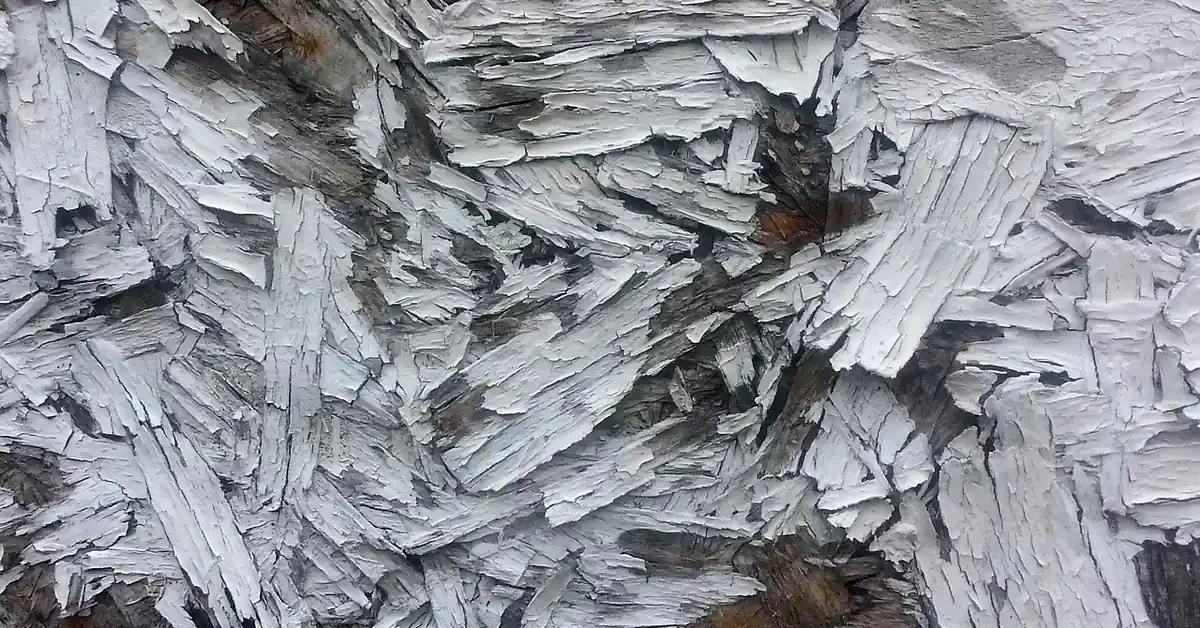
Yes, you can paint OSB board, but its surface wax, raw edges and rough strands need handling first. A primer coat dries to only 1 to 1.5 mils, too thin to hide a raised strand, and APA warns that oil-based solid-color finishes can dissolve the wax and mottle the result. This guide covers wax, edge sealing, filler, primer choice and the paint that holds up in each room.
The Short Answer: Seal, Fill, Prime, Then Paint
Best Oil-Based OSB Primer Pick
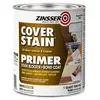 |
Zinsser Cover-Stain Oil-Based Primer (Quart): $17.59 An oil-based, stain-blocking primer whose data sheet lists plywood among approved woods and calls for one coat on most surfaces. It handles the sealing step covered in the priming section below.
|
As an Amazon Associate we earn from qualifying purchases.
Raw OSB fails in three predictable ways: wax stops paint from bonding, the edges swell when they pick up moisture, and the rough strand surface shows through thin coats. Fix those three things in this order and almost any decent paint will look good.
- Check for wax: Scuff the face lightly and wipe off the dust and any waxy sheen so primer can grip.
- Seal the edges: Brush one full coat of your primer onto every panel edge, including freshly cut ones.
- Fill the texture: Skim the gaps and low spots with wood filler or joint compound, let it dry, then sand flush.
- Prime the whole panel: Roll one even coat of a stain-blocking primer that suits your topcoat, and add a second if the strands soak it up.
- Paint in thin coats: Roll two thin coats of paint, letting each coat dry for the time printed on the can.
What is OSB and Why Paint It?
OSB, or oriented strand board, is an engineered wood panel made of wood strands pressed together with adhesive. It is strong, stable and usually cheaper than plywood, which is why it ends up as wall sheathing, subfloor and workshop shelving.
People paint it to hide the strands, match a room, or protect a shelf or wall from dust and light dampness. The result is never quite plywood-smooth, though. Even after careful prep you may see a hint of the strand pattern, and a darker color hides it best.
Why OSB Is Harder to Paint Than Plywood
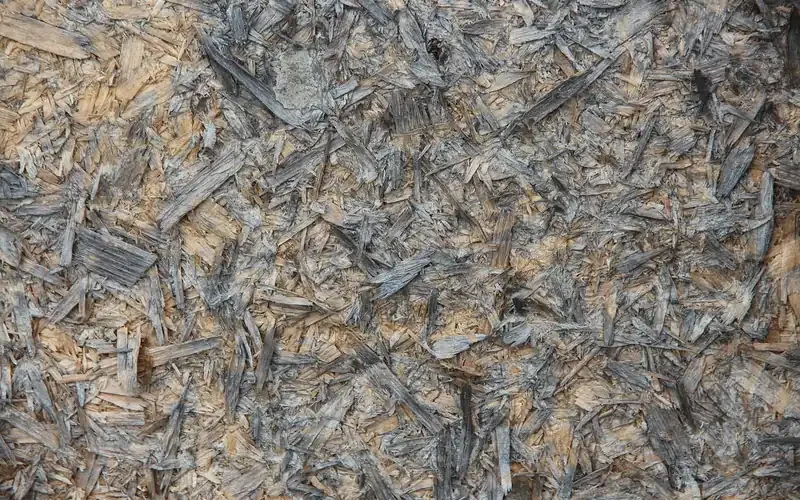
Most problems trace back to the panel itself. Some manufacturers add wax to the faces to resist moisture, the strands absorb unevenly, and the edges are the first place water gets in. This table links each symptom to its cause and the fix.
| Symptom | Likely cause | Fix |
|---|---|---|
| Paint beads up or peels | Surface wax; APA says wax can affect finish performance | Scuff, wipe clean, and test on a scrap first |
| Blotchy topcoat | Strands and gaps absorb paint unevenly | Prime the entire face before painting |
| Fuzzy, swollen edges | Edges swell first when wet; APA notes uneven swelling of chips and lifted chips | Seal every edge with primer, including cut edges |
| Strand pattern still visible | Primer dries to only 1.0 to 1.5 mils per coat | Fill and sand before priming |
| Mottled bleed-through | APA: solvent in oil-based solid-color finishes can dissolve wax | Use a stain-blocking primer compatible with the topcoat |
Prep the Surface: Wax, Dust and Splinters
Start with the face. Both the Zinsser Cover Stain and KILZ Original data sheets list wax among the contaminants to remove before priming, and Zinsser says to wash with an ammoniated cleaner or solvent (not TSP) if you are unsure the surface is clean. On OSB, keep water to a minimum, because the panel swells: wipe with a barely damp cloth and let it dry completely.
Knock down loose slivers and raised strand tips with a light pass of 100-grit paper, then vacuum the dust. If the panels just arrived, one OSB maker, Swiss Krono, suggests letting them acclimatize for 48 hours laid flat on spacers before finishing.
Try the finish on a representative sample before proceeding with the entire job.
APA, The Engineered Wood Association, Technical Note N300B
Dealing with the Texture: Smoothing the Surface
Sanding levels the highest strands but does not fill the valleys between them, and a primer coat will not either: Zinsser Cover Stain calls for 1.0 to 1.5 mils of dry film per coat, about 0.025 to 0.038 mm. Fill first.
- Sand the face lightly with 100-grit and vacuum the dust.
- Press wood filler or a thin skim of joint compound into the gaps with a putty knife, working across the strands.
- Let it dry fully, following the product instructions.
- Sand flush with 150 to 220 grit and wipe away all the dust.
Swiss Krono makes the same point for its own OSB: fill shallow pockmarks with a wood-suitable filling compound for a smoother result.
Priming is Non-Negotiable
Raw OSB soaks up paint unevenly, so primer does two jobs here: it seals the strands and gives the topcoat something uniform to bond to. The common advice is that it must be oil-based. The published data is more nuanced, so here is what each type actually says.
| Primer | Type | Coverage per gallon | Recoat | From the data sheet |
|---|---|---|---|---|
| KILZ Original (No. 1008, 450 g/L VOC) | Oil-based alkyd | 300 to 400 sq ft | 1 hour | Not recommended on flooring; do not thin; surface must be free of wax |
| Zinsser Cover Stain | Oil-based | 400 to 450 sq ft | 1 hour | Lists plywood among approved woods; not for floors; full adhesion in 7 days |
| Zinsser B-I-N | Shellac-based | About 500 sq ft | 45 minutes | Interior only (exterior spot priming only); binds wood fibers; very porous surfaces may need two coats |
| Acrylic latex stain-blocking primer | Water-based | Varies by product | Varies by product | APA specifies this type for humid rooms and soffits; Swiss Krono warns water-based coats can raise strands |
None of these sheets names OSB. They list wood and plywood, so treat the OSB use as an application of that guidance and test a scrap. Here is the nuance behind the oil-based rule.
- APA prefers water-thinned (acrylic latex) solid-color finishes on OSB, because solvents in oil-based solid-color finishes can dissolve wax and cause bleed-through and mottling.
- For humid rooms and open soffits, APA specifies an acrylic latex stain-blocking primer under an all-acrylic latex topcoat.
- Oil-based and shellac primers seal strands well and are widely used on dry interior panels, but waxy faces need scuffing first and a test patch is worth the ten minutes.
Primer is thin: Zinsser Cover Stain is specified at 1.0 to 1.5 mils of dry film per coat at 400 to 450 sq ft per gallon. Source: Zinsser Cover Stain technical data sheet CVS-03.
Apply the primer to the entire face with a brush or roller, working it into the strands. KILZ’s Original interior data sheet suggests a 1/2 to 3/4 inch nap roller for rough or porous surfaces. When it dries, sand lightly with 220-grit, wipe off the dust, and add a second coat if you can still see bare patches. For a wider comparison of wood primers, see our wood primer guide.
Seal the Edges Before They Swell
Edges are where OSB gives up first. APA says panel edges swell and chips lift under high moisture, which can crack the finish. Its soffit guidance calls for at least one coat of the surface primer on every edge, which is easiest while the panels are stacked, and says to protect any edge you cut later in the same way. For kitchens and bathrooms it recommends an edge sealer compatible with the surface finish.
Choosing the Right Paint
The right system depends on where the panel ends up. APA is specific about humidity and weather, and the primer data sheets are specific about floors.
| Where it goes | Primer | Topcoat | Source |
|---|---|---|---|
| Dry interior wall or shelf | Stain-blocking primer matched to the topcoat | Acrylic latex or a compatible alkyd; gloss is easiest to clean | APA N300B |
| Kitchen or bathroom | Acrylic latex stain-blocking primer, edges sealed | Acrylic latex only | APA N300B |
| Open soffit underside (Exposure 1) | Acrylic latex stain-blocking primer, all edges primed | All-acrylic latex | APA N300B |
| Floor | A primer and coating rated for floors | Floor-rated coating | Zinsser and KILZ data sheets |
| Exposed siding or roof deck | Not covered by finish guidance | Ask the panel manufacturer | APA N300B |
Two cautions from APA Technical Note N300B. Gloss paints are easiest to clean but should not go in areas of high humidity. And acrylic latex tends to block, meaning it sticks to itself, so finished OSB should not be used for cabinetry or shelving where high humidity is expected.
Painting Techniques for a Smooth Finish
With the surface sealed, filled and primed, the painting itself is simple. Thin coats hide the least texture and sag the least, so roll two thin coats rather than one heavy one.
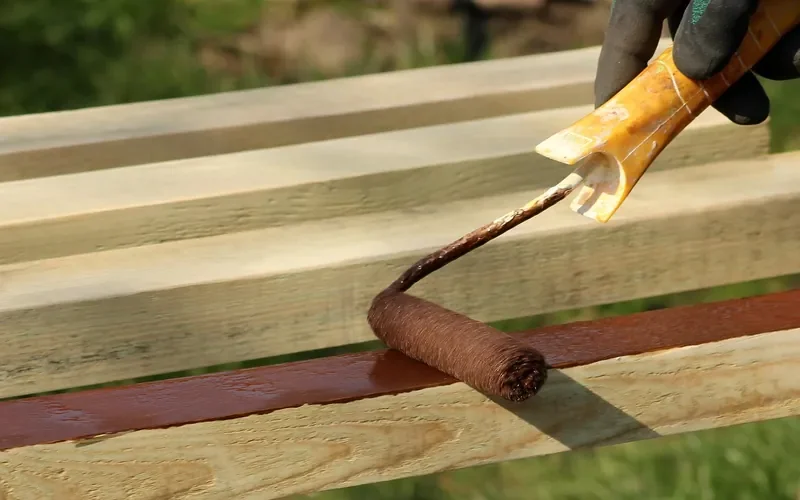
- Roller: a 3/8 to 1/2 inch nap suits smooth surfaces. Move up to 1/2 to 3/4 inch if the primed face is still rough (KILZ data sheet).
- Conditions: Zinsser specifies 40 to 80 degrees F and no more than 85 percent relative humidity for Cover Stain. KILZ Original specifies 50 to 90 degrees F.
- Do not thin primer: both the Zinsser Cover Stain and KILZ Original data sheets say so.
- Between coats: follow the can. Primer recoat times are 1 hour (Cover Stain, KILZ Original) and 45 minutes (B-I-N). Topcoat times vary by paint.
- Direction: roll in one direction and overlap strokes slightly, then lightly sand with 220-grit between primer and the first topcoat.
- Fire safety: oil-based and shellac primers are flammable. The data sheets list flash points of 54 degrees F for B-I-N, 71 to 75 degrees F for KILZ Original and 83 degrees F for Cover Stain, so ventilate and keep ignition sources away.
How Much Prep Does Your Project Need?
| Project | Minimum prep | Why |
|---|---|---|
| Hidden closet shelf | Wipe, prime faces and edges, two paint coats | Texture is rarely seen up close |
| Garage or shed wall | Scuff, prime, paint; skip the skim coat | The goal is protection and a clean look |
| Feature wall or furniture | Full fill-and-sand, two primer coats, sanding between | Seen up close, so every strand shows |
Whatever the project, test the primer and paint on a scrap or the back of the panel first.
Quick Fixes and Tips for Painting OSB
- Always test your primer and paint on a scrap piece of OSB first. This lets you see how it looks and behaves.
- Use a quality stain-blocking primer that suits your topcoat. Oil-based and shellac primers are common on dry interiors, and acrylic latex is the choice for humid rooms.
- Do not skimp on filling and sanding. Smoothness is key for a good paint finish.
- Apply paint in thin, even coats. Multiple thin coats are better than one thick one.
- Allow plenty of drying time between coats.
- Ventilate the area well when working with primers and paints, especially oil-based ones.
- Use the right tools. A good brush and roller make a big difference.
Alternative Finishes for OSB
If you like the strand look, you do not have to paint. APA says two coats of a clear penetrating sealer give the most natural appearance indoors, and film finishes like varnish usually go over a sealer. Semitransparent stains work too, but wax can inhibit oil-based stain and leave a washed-out look. Our guide to staining OSB covers what to expect.
Frequent Questions About Painting OSB
Can I paint OSB for outdoor use?
Only with limits. APA says Exposure 1 OSB sheathing is not intended for permanent direct exposure to weather, and its approved painted use is the underside of an open soffit, finished with an acrylic latex stain-blocking primer and an all-acrylic latex topcoat with every edge primed. Paint will not turn sheathing into siding, so ask the panel manufacturer before leaving it exposed.
Will OSB warp when painted?
Painting does not cause warping, and a sealed finish can slow moisture uptake, but it does not make OSB waterproof. APA notes that panel edges swell first and that chips can lift when panels get wet, which can crack the finish. Prime every edge, keep the panel dry while you work, and avoid soaking the surface when you clean it.
How many coats of paint do I need on OSB?
Plan on one coat of primer, a second if the strands soak it up (the Zinsser data sheets allow for this on very porous surfaces), and two thin coats of paint. A dark color over white primer, or the reverse, can need a third coat. Judge each coat after it dries rather than counting.
Is it okay to use wood filler on OSB?
Yes. Press wood filler or a thin skim of joint compound into the gaps with a putty knife, let it dry fully, and sand flush with 150 to 220 grit. Do it before priming, because a primer coat is only about 1.0 to 1.5 mils thick and will not fill them.
Can I use spray paint on OSB?
Yes, after priming. Spray paint over raw OSB soaks in and highlights the strands, so seal and fill first, then apply light, even coats to avoid runs. Spraying suits small projects and shelves, and the area needs good ventilation. Our guide to spray painting wood without sanding covers the technique.
Can you paint an OSB floor?
You can, but not with just any primer. The Zinsser Cover Stain and KILZ Original data sheets both say not to use them on floors, so choose a primer and a coating rated for floors and follow that label. Fill the seams, sand flush, and respect the cure time before foot traffic. For panel choices under a floor, see plywood subfloor types.
Do you need to sand OSB before painting?
A light scuff sand with about 100-grit helps knock down splinters and the waxy sheen and levels the highest strands. Sanding alone will not smooth OSB, though. Fill the gaps, sand again after the filler and after the primer, and wipe off every trace of dust before the next coat.
Conclusion
Painting OSB works when you treat the panel as it is: waxy, edge-sensitive and rough. Scuff it, seal the edges, fill the texture, prime, then paint in thin coats, and test on a scrap before committing a whole wall. If the strand look appeals, comparing OSB with MDF may help you pick the right panel for the job.
Sponsored / affiliate links. As an Amazon Associate I earn from qualifying purchases. I may earn additional commission from eligible campaigns.