What Is Sande Plywood? Species, Strength, Uses & Limits
Sande plywood is hardwood plywood with a face veneer made from sande (Brosimum utile), a pale tropical hardwood. The name describes the surface species, not a special grade or a moisture rating, and that gap is where most buying mistakes start. This guide covers what sande wood actually is, how its hardness compares with poplar, birch and oak, where the panels work well, and where they do not.
What Is Sande Plywood?
Best Edge Banding Pick for Plywood | |
 |
Edge Supply Maple Edge Banding, 3/4 in x 50 ft Roll A pre-glued, iron-on wood veneer tape that covers the layered edge of a plywood panel so it looks like solid wood.
|
As an Amazon Associate we earn from qualifying purchases. | |
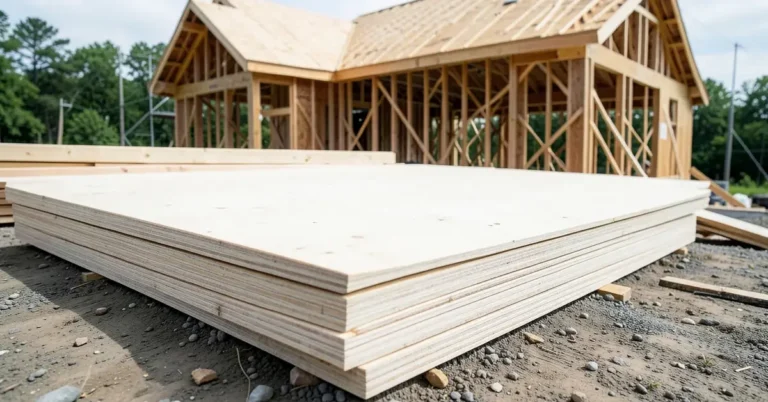
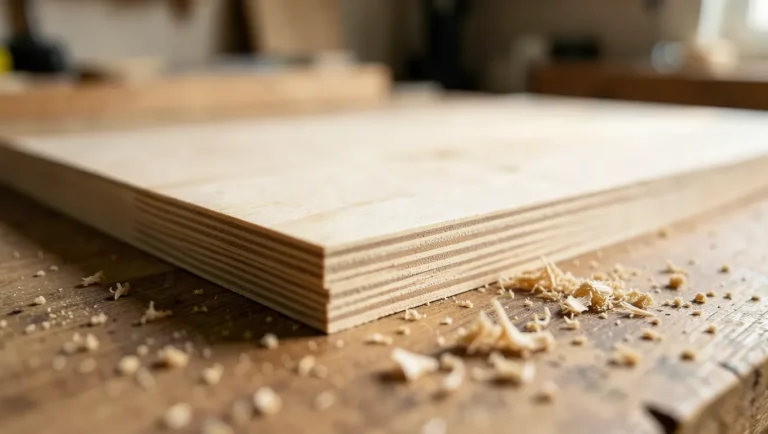
Plywood is made by gluing thin layers of wood together with the grain of each layer turned at right angles to the next. In a hardwood plywood, the outer face veneer is a decorative species and the inner layers can be something cheaper. In sande plywood, that face veneer comes from the sande tree, which the Wood Database lists under the names sande, cowtree and palo de vaca. Our page on how plywood is made covers the layering in more detail, and how grain works in plywood explains why the cross-ply build keeps panels stable.
The most common retail form is a sheet sold as a “project panel” or cabinet-grade panel at home centers. One branded version, SandePly, is described in a Fine Homebuilding forum thread as a 9-ply, 3/4 inch panel made by Columbia Forest Products. Treat brand and core details as something to confirm on the label of the sheet in front of you, because makers change the layers underneath the veneer.
Sande Wood Facts at a Glance
These numbers come from the Wood Database entry for sande and describe the solid wood species, not a finished panel.
| Property | Sande (Brosimum utile) |
|---|---|
| Other names | Cowtree, palo de vaca |
| Where it grows | Central America and northern South America; most commercial wood comes from Ecuador or Colombia |
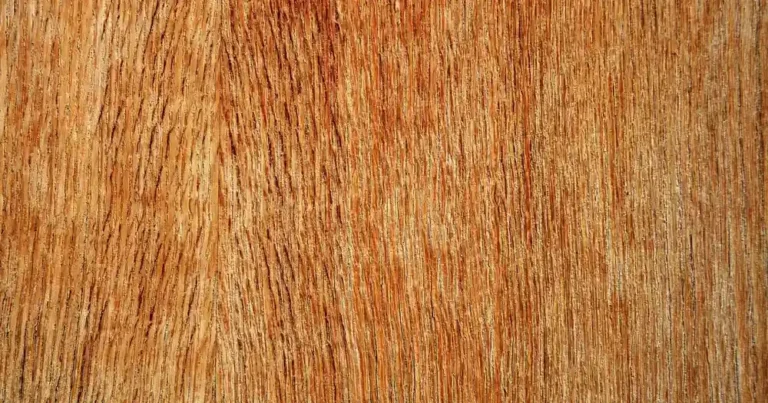
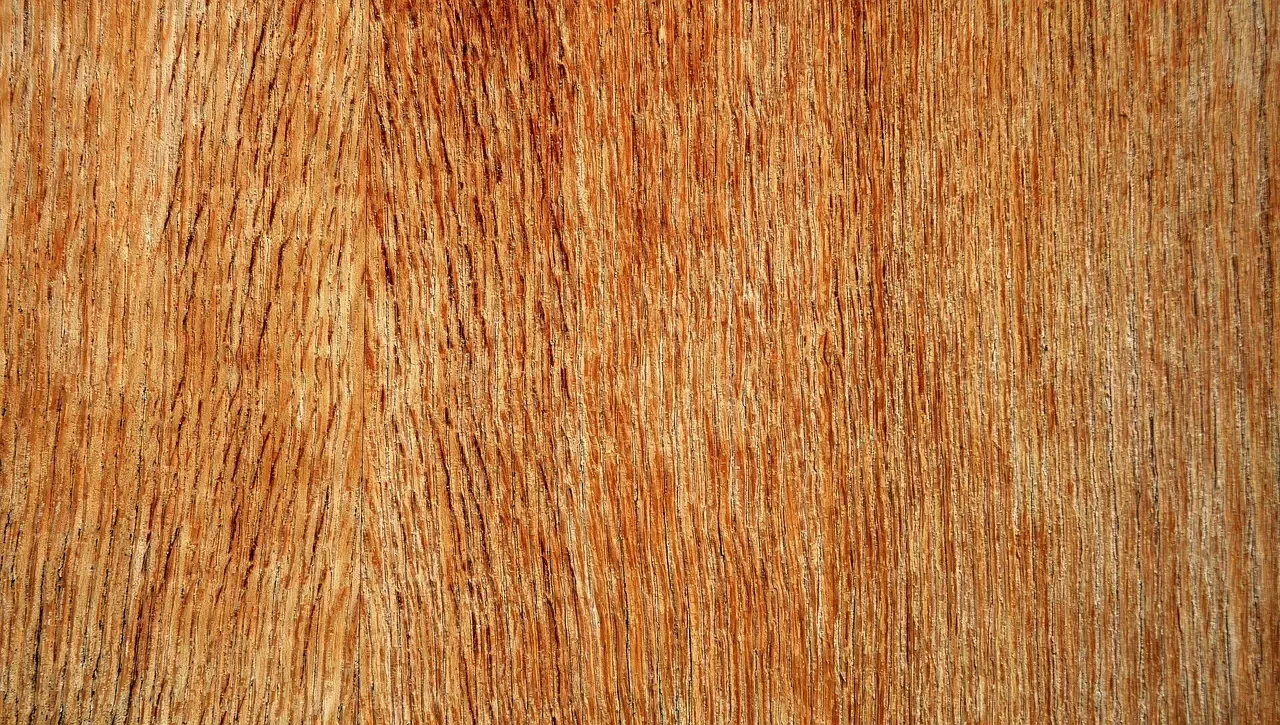
| Color | Pale yellow to light brown; heartwood and sapwood look the same |
| Grain and texture | Usually straight or shallowly interlocked; medium to coarse, uniform texture |
| Janka hardness | 810 lbf |
| Average dried weight | 34.6 lbs/ft3 |
| Rot resistance | Non-durable; poor resistance to decay and insects |
| Conservation status | Not in the CITES appendices; IUCN lists it as least concern |
The pale color and even texture are why the veneer paints and finishes so cleanly. The rot rating is why it belongs indoors.
How Hard Is Sande Compared With Other Plywood Faces?
| Species | Janka hardness (lbf) | Dried weight (lbs/ft3) |
|---|---|---|
| Okoume | 400 | 27 |
| Yellow poplar | 540 | 29 |
| Sande | 810 | 34.6 |
| Red oak | 1,220 | not compared here |
| Yellow birch | 1,260 | 43 |
Values are from the Wood Database entries for each species. Yellow birch stands in for birch here, and red oak weight is left out because it was not pulled for this comparison. Sande is about 50 percent harder than poplar and roughly two thirds as hard as birch or oak.
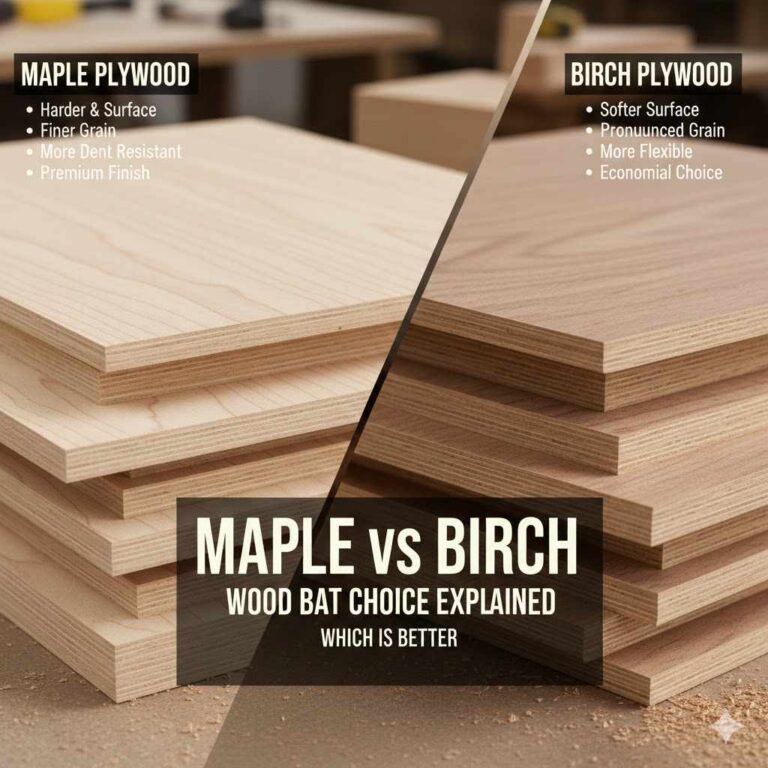
One correction to a common assumption: those figures are for solid boards. A plywood face veneer is only a thin skin over other layers, so a sande panel will dent according to what is under the veneer as much as the species on top. Use the table to compare surfaces, not to predict structural strength. For a head-to-head on price and use, see our sande vs birch plywood comparison.
Is Sande Plywood Strong and Moisture Resistant?
Sande is a moderate-density hardwood, and panels are fine for shelves, cabinet boxes and shop furniture indoors. Moisture is the weak point. The Wood Database calls the species non-durable, and the sapwood is prone to fungal staining if it is not dried promptly. In a Fine Homebuilding forum thread, several contributors report mold growing on exposed edges in humid conditions and panels taking a set when stored curved, which they solved by storing sheets flat and dry.
That matters because many listings and older articles call sande plywood “moisture resistant.” The species itself does not support that claim, and the glue line depends on the specific panel. If a project will see damp, look at marine-grade plywood instead, and see whether marine ply warps before you commit.
Sande Plywood vs Sanded Plywood: The Name Mix-Up
Search results for “sande plywood” are full of pages about sanded plywood, and the two are easy to confuse. Sande names a tree, and “sanded” names a surface finish. Grade letters such as A, B and C describe how clean the face and back veneers are, not what species they are, which is why a panel can be both “sande” and “BC” at once. If you want to understand the lettering system, read our note on BC plywood vs sande plywood.
In practice, check three things on the label: the face species (sande, birch, poplar, oak), the face grade, and the thickness. Those three tell you far more than a single word like “sande” or “sanded” in a product title.
Best Uses for Sande Plywood
- Painted shelving and bookcases: the pale, smooth face takes primer and paint well.
- Cabinet boxes and built-ins: a light interior face and sides that will be covered or edge-banded.
- Workbench tops and shop furniture: forum builders use it where a low price matters more than looks.
- Jigs, templates and drawer boxes: easy machining and good glue adhesion.
- Clear-finished furniture, with care: the pale color reads as a light, quiet wood, but the veneer is thin, so sand lightly.
Avoid it for decks, outdoor furniture, boat parts, subfloors that may get wet, or any load-bearing job where you need a rated structural panel.
Working With Sande Plywood
Cutting
The Wood Database says sande is usually easy to work with hand and machine tools, but the tree is prone to tension wood and internal stresses, which can pinch a saw blade, cause burning and leave fuzzy areas. Use a sharp fine-tooth blade, support both sides of the cut and let the blade do the work. Score the cut line or apply painter’s tape to reduce face tear-out.
Edges
The layered edge is the giveaway on any plywood. Iron-on veneer tape hides it in a few minutes and gives paint or clear finish something uniform to grab. It also helps slow moisture getting into the edge grain.
Gluing and finishing
The Wood Database reports that sande glues, stains and finishes well. Sand the face lightly because the veneer is thin, wipe off dust, and test any stain on an offcut first. Wear a dust mask when cutting or sanding. The database notes no health reactions specific to sande beyond the usual risks of wood dust.
How to Buy a Good Sheet
- Check the label for species, grade, thickness and any moisture or exposure rating rather than assuming from the name.
- Sight down the sheet for bow or twist before you lift it off the rack.
- Look at the edges for gaps, patches or soft cores, since forum users describe the core as unremarkable.
- Check the face for sanded-through spots, splits and color patches.
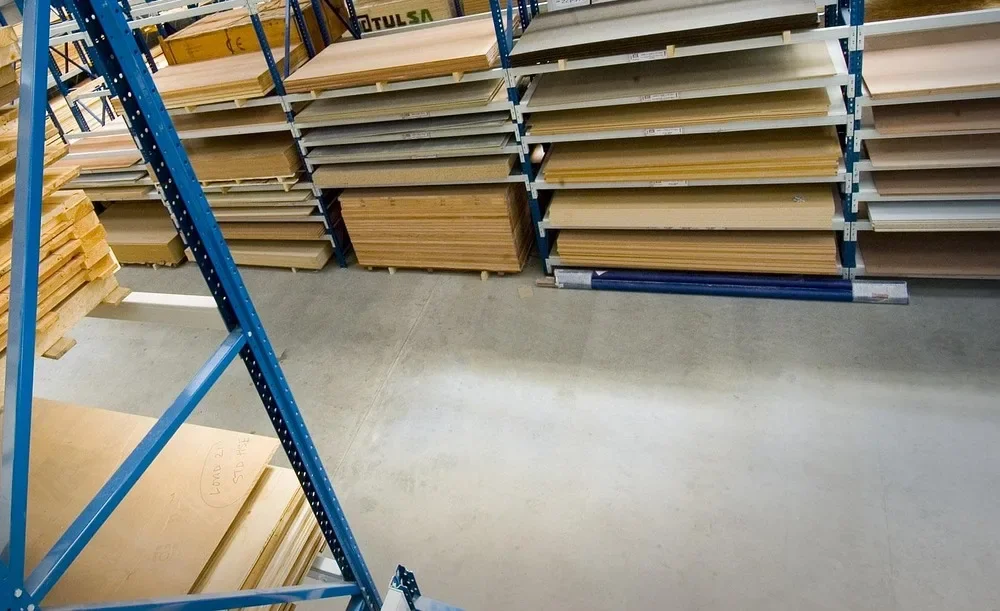
- Store flat and dry at home until you cut it, and seal the edges if it will sit for a while.
If you are choosing between species, our types of wood guide and the note on BC grade vs sande species explain why grade letters and species names answer different questions.
Frequently Asked Questions
What is sande plywood made of?
Sande plywood is plywood with a face veneer cut from sande wood (Brosimum utile), a tropical hardwood from Central America and northern South America, with most commercial supply coming from Ecuador or Colombia. The layers underneath vary by maker, so the species name describes the surface, not the whole panel.
Is sande plywood good quality?
It is a solid paint-grade and utility plywood, not a premium cabinet panel. Sande is a pale, easy-to-work hardwood that glues, stains and finishes well, but it is not durable outdoors, and woodworkers in a Fine Homebuilding forum thread describe the core as nothing special. Inspect the edges and faces before you buy.
Is sande plywood the same as sanded plywood?
No. Sande is the name of the tree species on the face, while sanded describes a surface treatment. They sound alike, which is why the two get mixed up in searches. A sande panel can be sanded, and a sanded panel can be birch, poplar or fir, so read the species and grade on the label.
Can you use sande plywood outside?
It is not a good choice. The Wood Database rates sande wood as non-durable, with poor resistance to decay and insect attack, and forum users report mold on exposed edges in humid conditions. Keep sande plywood indoors and use marine-grade or exterior-rated plywood for damp or outdoor projects.
Is sande plywood good for painting?
Yes, painting is where it makes the most sense. The face is pale, fine in texture and finishes well, so it suits painted shelves, cabinet boxes and built-ins. Seal and paint the edges too, because bare plywood edges soak up moisture.
Sande plywood is an affordable, pale, paint-friendly panel for indoor work. Treat it as a light-duty interior sheet, keep it dry and check the label before you buy.
Sponsored / affiliate links. As an Amazon Associate I earn from qualifying purchases. I may earn additional commission from eligible campaigns.