Best Underlayment for Vinyl Plank Floors (2026): we compared
The best plywood underlayment for vinyl plank flooring is usually no separate pad at all over a flat, sound plywood subfloor. Use only the layer the flooring maker allows, and keep total buildup within the product’s limits. Done wrong, it can void the warranty, telegraph seams, or make planks fail at the joints. This guide shows when underlayment helps, when it hurts, and which thickness, flatness, and moisture specs to verify before you install.
This guide is part of our Plywood Thickness Chart: Which Size For Which Project series.
Quick comparison
| Product | Badge | Best for | Price | ||
|---|---|---|---|---|---|
 |
3in1 Vapor Barrier Flooring Underlayment w/Overlap andBe$t Laminate | Our pick | 2mm vapor barrier, 500 sq ft bundle | $84.99
Price as of 11 Oct 2026
|
View |
 |
Baltic Birch Plywood 8 x 12 x 1/2 Inch – 12 mm Craft Wood,Woodpeckers | Also great | 1/2 inch Baltic Birch, 8×12 sheet pack | $18.85
Price as of 11 Oct 2026
|
View |
For rigid-core floating floors over plywood, the safest default is a firm 2 mm layer only when the plank maker allows it. If the plank already has an attached pad, or if you are working with glue-down vinyl, separate cushion usually creates more risk than benefit.
Below, the choices are sorted by use case, not by marketing language. The goal is support first, then sound control, then moisture control where the substrate demands it.
📊 It identifies 2 mm as a sensible default thickness for rigid core vinyl. Source: 7 Best Underlayments for Vinyl Plank Flooring 2026.
How we chose
The list and decision rules here follow four checks: manufacturer thickness limits, firmness and density, plywood-specific compatibility, and moisture separation rules. The wrong underlayment can be worse than none at all, so the safest choice is the one that fits the flooring type and the subfloor condition.
Rigid-core vinyl needs low deflection support because locking joints tolerate very little flex. That is why 2 mm is treated as a sensible default and 3 mm as a common upper limit, not a goal to beat.
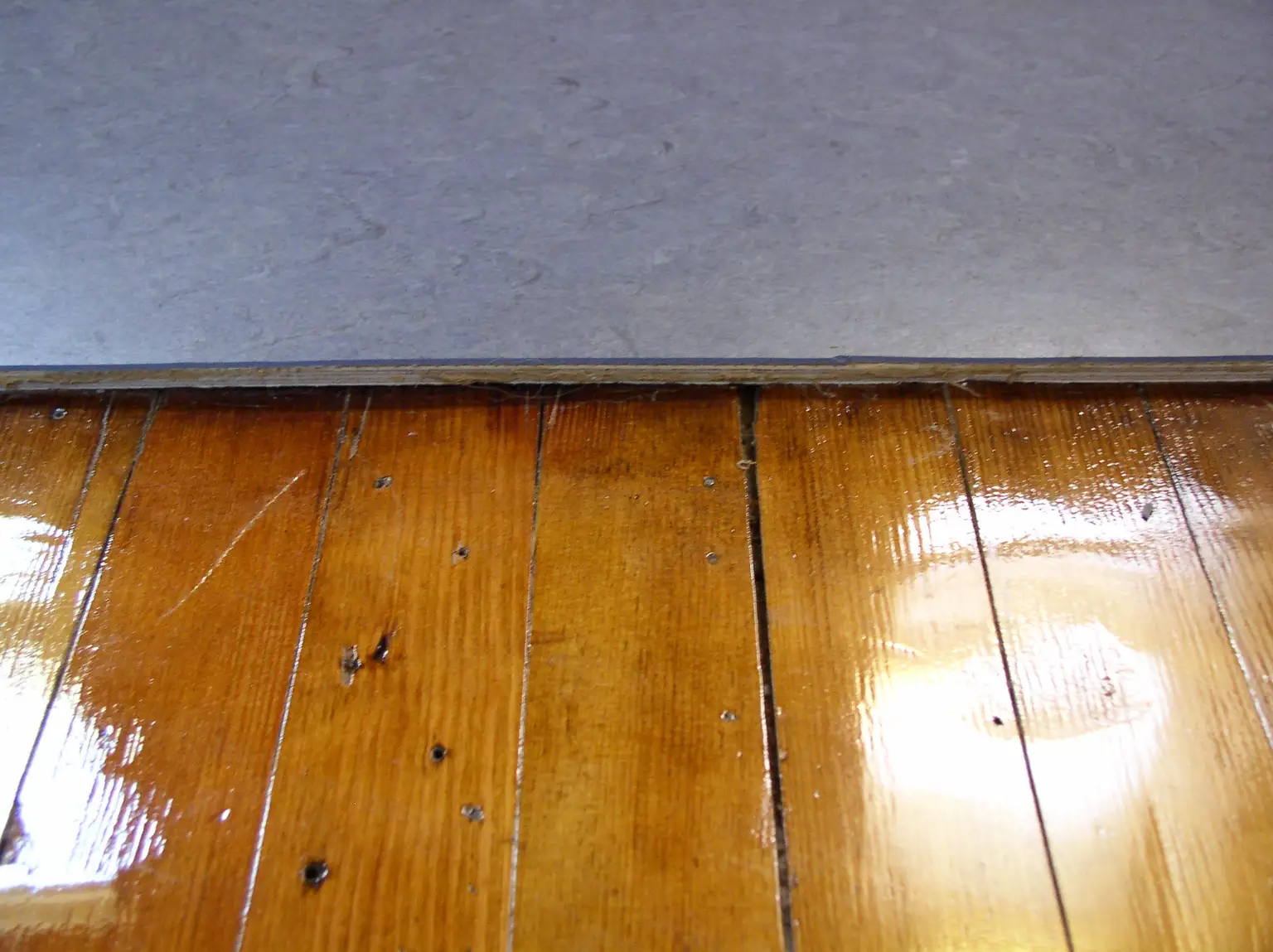
For plywood, the first question is not comfort. It is whether the surface is flat, tight, and stable enough to avoid squeaks, seam stress, and fastener telegraphing.
Be$t Laminate 3-in-1 2 mm vapor barrier: best for rigid-core floating vinyl
This is the best overall style of choice for rigid-core floating vinyl plank when the flooring maker allows separate underlayment and you need a firm 2 mm layer with moisture protection. It fits the common plywood-first use case better than a thicker cushion because it stays within the sensible default range and includes a vapor barrier layer for slab or mixed-substrate transitions.
It is also the more practical pick when you need one product that can work over wood and cement subfloors. The 2 mm thickness lines up with the common limit for rigid core vinyl, and the pre-attached tape strip helps keep seams sealed during installation.
The drawback is simple: if your planks already have an attached pad, this should usually stay out of the build. And if the flooring brand forbids a separate cushion, the underlayment spec sheet does not matter.
Woodpeckers Baltic Birch plywood: best for patching and substrate repair
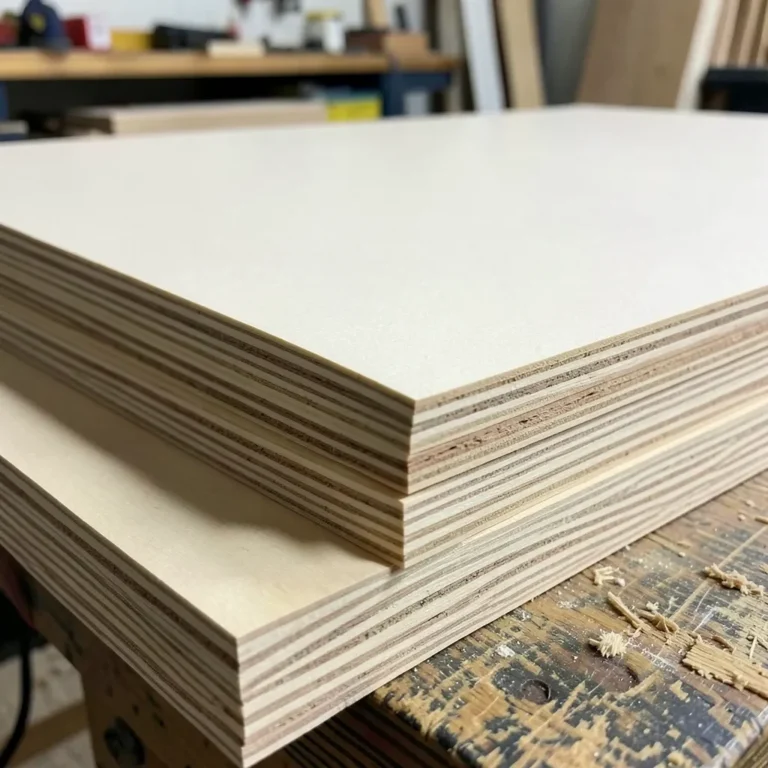
This is not a vinyl underlayment. It is a plywood product that can matter when you need to repair a bad patch, replace a damaged section, or bring a localized area back to a firm, flat condition before the vinyl goes down.
For a plywood-first flooring project, that distinction matters. A hard, well-fastened repair panel can solve the real problem better than adding a cushion over a weak or uneven base, because rigid-core planks fail at joints when the floor below moves.
The drawback is equally clear: it does not provide moisture control, acoustic damping, or a finished-floor underlayment function on its own. If you use it in a flooring prep plan, it must still meet the flooring maker’s flatness and fastening requirements.
Do i need underlayment for vinyl flooring on plywood
No, not always. Over flat, dry, firmly fastened plywood, separate underlayment is often unnecessary, and the wrong pad can be worse than none at all. With rigid-core vinyl, the safer rule is to install only what the flooring maker allows and avoid extra cushion unless you need a specific performance reason the product approves.
When plywood is already good enough
If the subfloor is tight, flat, and free of squeaks, plywood can support floating rigid-core vinyl without a separate pad. That is especially true when the planks already include an attached pad or when the warranty limits added underlayment thickness to 2 mm or 3 mm.
When extra cushion causes problems
Too much thickness, or a pad that is too soft, can stress locking joints and make the floor feel springy. That movement can telegraph seams, amplify click noise, and shorten the life of the joint connection.
When sound control is the real goal
If your main issue is a hollow sound from plywood, choose firmness first and acoustic benefit second. Dense felt or recycled-fiber underlayments tend to be safer than soft foam, but only if the flooring brand allows them and the total buildup stays within the limit.
When does plywood need underlayment?
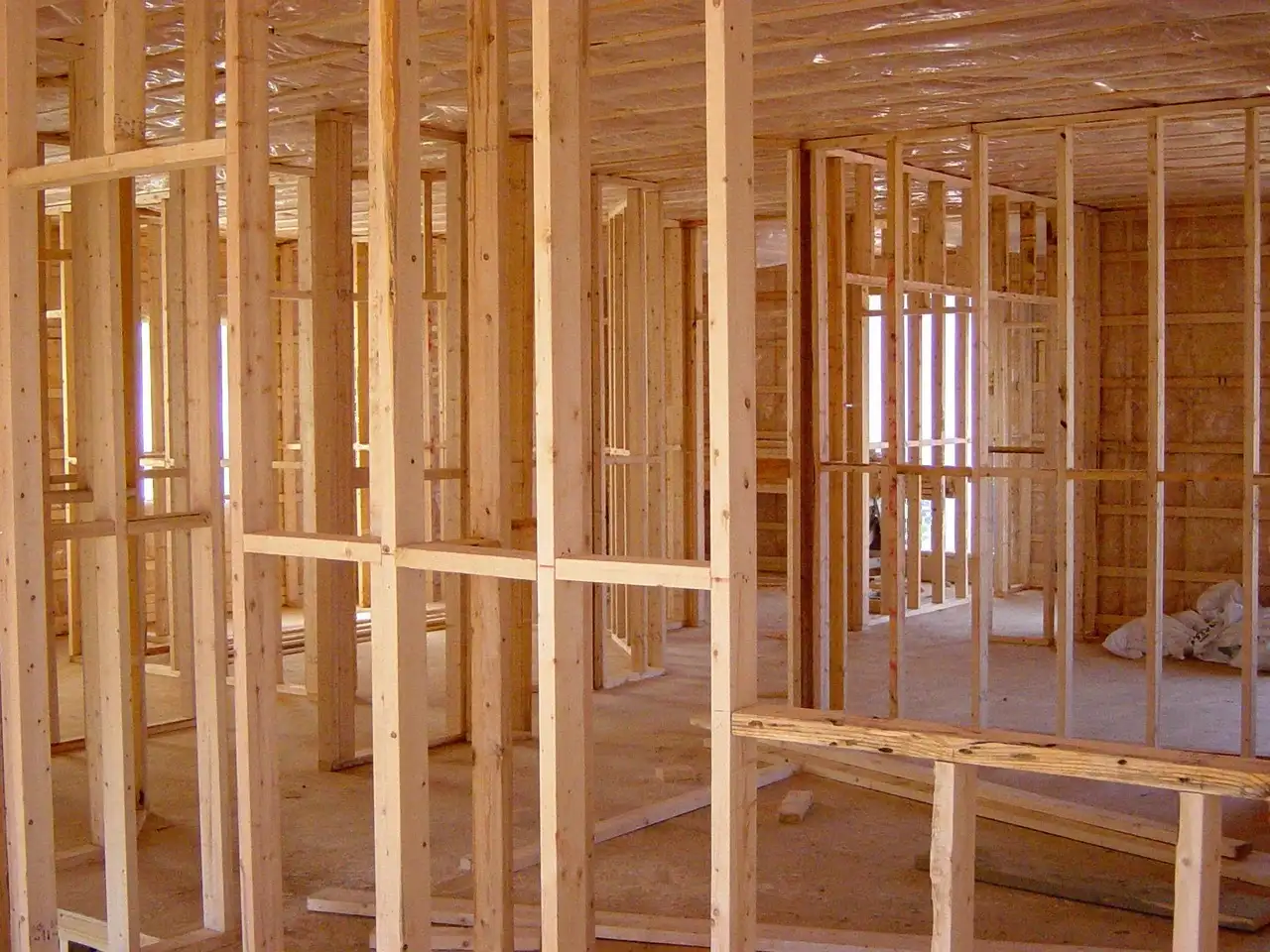
Plywood needs underlayment only when the product spec calls for it, when sound control is needed and the pad is firm enough, or when you are correcting a moisture or transition detail the flooring system allows. The matrix below gives a plywood-specific yes/no guide so you do not treat every floor the same.
Plywood compatibility matrix
| Subfloor condition | Vinyl plank type | Underlayment thickness or density | Recommendation |
|---|---|---|---|
| Flat, dry, tight plywood with no squeaks | Rigid-core floating, no attached pad | Firm 2 mm pad only if allowed | Yes, if approved by the flooring maker |
| Flat, dry, tight plywood with no squeaks | Rigid-core floating with attached IXPE or cork pad | No separate layer | No |
| Minor hollow sound, but sound and fasteners are stable | Rigid-core floating, no attached pad | Dense felt or recycled fiber around 1.5 mm to 2 mm | Yes, if the spec allows it |
| Small patched area or OSB-to-plywood transition | Rigid-core floating | Hard, firm repair first; do not use soft foam to hide the problem | No until the surface is corrected |
| Squeaky plywood or loose fasteners | Any floating vinyl | Any cushion thickness | No, fix the subfloor first |
| Concrete slab | Floating rigid-core or other floating vinyl | 6 mil polyethylene vapor barrier or equivalent moisture layer | Yes for moisture control, if the flooring system allows it |
| Concrete slab | Glue-down vinyl | No cushioned underlayment | No cushioned pad; use the system the adhesive requires |
Rigid-core, WPC, and glue-down vinyl rules
Rigid core vinyl plank flooring, including SPC and many WPC products, depends on locking-joint stability. It is sensitive to underlayment that is too thick or too soft. Attached-pad planks usually already include IXPE foam or cork, so adding another layer often creates too much cushion.
Glue-down vinyl is different. It should use no underlayment because the adhesive needs a stable, direct bond to the substrate.
Thickness and density yes/no calls
Use 2 mm as the sensible default when the flooring maker allows a separate pad. Use 3 mm only when the manufacturer permits it and the material is dense enough to stay firm. Thickness alone is not the win; density and support matter more than a bigger number.
Failure signs to fix before installing
- Squeaks when you walk across the plywood.
- Visible deflection or bounce between joists.
- Loose screws, nails, or fasteners that can telegraph through the floor.
- Open seams, patched edges, or poorly supported joints.
- Uneven transitions between plywood, OSB, or repair patches.
Picture a 12-by-14-foot room where the center section has a patched plywood strip and a faint click underfoot. A thick foam pad would hide the symptom, not the cause. The better fix is to tighten the subfloor first, then choose a firm underlayment only if the flooring system allows it.
Dense fiber underlayment: best for rigid-core LVP
A dense recycled-fiber pad is often the safest default for rigid-core floating vinyl because firmness matters more than a plush feel. Research and manufacturer guidance commonly place 2 mm near the practical target for this flooring type, with 3 mm as the upper edge only when density stays high and the warranty allows it.
Why a firm 2 mm option is the safest default
Rigid-core flooring does not like flex. A firm 2 mm layer can take the edge off small substrate irregularities and reduce hollow sound without creating the spring that stresses locking joints.
When 3 mm is still acceptable
Three millimeters is generally the maximum many manufacturers permit. It can be acceptable only when the pad is dense, the planks are approved for it, and the total floor buildup does not exceed the system limits.
When density matters more than material name
Fiber, felt, and cork can all be workable if they are firm enough. A soft foam with the same stated thickness can perform much worse because the floor can sink into it under load.
Felt underlayment: best for sound control
Felt can be the safer sound-control choice on plywood because it is typically denser than basic foam and less likely to create a bouncy feel. That makes it a better fit for rigid-core floating floors when acoustic improvement matters but support still has to stay firm.
Why felt can be safer than soft foam
Soft pads absorb impact, but they can also allow too much movement at the locking edges. Felt tends to hold its shape better, so it is less likely to invite joint stress on a floating vinyl floor.
Where acoustic gains matter most
Hallways, upstairs rooms, and multi-level homes often benefit the most from a dense acoustic layer. Even there, the flooring maker’s thickness limit still controls the decision.
What to verify before buying
Check the stated thickness, the density or compression rating if it is listed, and whether the product is approved for rigid-core vinyl rather than generic laminate use. Roberts Super Felt, for example, is listed as a 3 mm premium acoustic felt option, which means it sits near the top of the allowed range and needs approval from the flooring maker before use.
Foam underlayment: best budget option
Foam is the lowest-cost path, but it is also the easiest way to make rigid-core vinyl feel unstable if the pad is too thick or too soft. On plywood, lightweight foam can work only when the flooring maker allows it and the foam stays firm enough to support the joints.
Where lightweight foam can work
A 2 mm foam product can be fine under some floating floors, especially when moisture protection is built in and the subfloor is already flat. FloorLot Blue 3-in-1 Vapor Barrier is listed as a 2 mm foam product, which puts it in the practical range for many rigid-core systems if the installation instructions permit it.
When foam is too soft for vinyl plank
If the floor feels squishy underfoot before the planks go down, the foam is usually too soft for rigid-core vinyl. The joints need support, not extra travel.
Why thickness can void a warranty
Once the pad exceeds the manufacturer’s limit, the locking system can see more movement than it was built to handle. Many warranties cap separate underlayment at 3 mm, and some are stricter.
Can you use underlayment with vinyl plank flooring
Yes, but only when the flooring format and the manufacturer both allow it. Attached-pad planks usually should not get another layer, rigid-core floating floors often accept a firm 2 mm pad, and glue-down vinyl should not use cushioned underlayment at all. Concrete slabs also need moisture control, which is a separate issue from comfort padding.
Attached-pad planks
Many rigid-core planks ship with IXPE foam or cork bonded underneath. That attached pad already provides the cushion the product was designed for, so a second layer can create too much softness.
Concrete slab setups
A vapor barrier is not optional over a concrete slab. A 6 mil polyethylene layer is the common minimum reference point, though some underlayments include a bonded moisture layer instead of a loose sheet.
Plywood setups
Plywood is a different animal. It does not need slab-style vapor control, but it does need firmness, flatness, and good fastening to stop squeaks and seam reflection.
Say your living room has 220 square feet of plywood over joists, and the center bay squeaks near a closet threshold. Adding a cushioned pad will not fix the movement. Tighten the subfloor first, then choose the thinnest approved underlayment only if you still need sound reduction.
Which one should you buy
For new plywood over rigid-core vinyl, start with the firm 2 mm option only if the flooring maker allows separate underlayment. For minor sound reduction, choose dense felt or recycled fiber over soft foam. If the plank already has an attached pad, buy no extra cushion. If warranty risk is your main concern, follow the flooring spec sheet and stop there.
Be$t Laminate 3-in-1 2 mm vapor barrier is the better all-around choice from this list because it matches the common 2 mm target and adds moisture protection for mixed installs. Woodpeckers Baltic Birch is the better repair choice when the problem is substrate quality, not underlayment selection.
Avoid any pad that feels springy before install. If the package does not state thickness, density, and approved flooring types clearly, leave it on the shelf.
Frequently asked questions
what is best underlayment for vinyl plank flooring
The best option is usually the firmest approved underlayment that stays within the manufacturer’s thickness limit. For rigid-core floating floors, that often means 2 mm and a dense structure rather than a thick, soft cushion. Attached-pad planks usually do not need any separate underlayment at all.
how thick should underlayment be for vinyl flooring
For rigid-core vinyl, 2 mm is a sensible default and 3 mm is often the upper limit. Thicker is not better if the pad is soft. Always check the flooring warranty, because some products are stricter than the common rule of thumb.
why do you need underlayment for vinyl plank flooring
You need it only when it solves a real installation problem. Underlayment can smooth minor imperfections, reduce hollow sound, and add moisture separation over slabs. But if it is too thick or too soft, it can hurt locking-joint performance and create the very problems it was meant to prevent.
Sponsored / affiliate links. As an Amazon Associate I earn from qualifying purchases. I may earn additional commission from eligible campaigns.