BC vs AC Plywood: Unpacking the Differences
Trying to figure out the differences between BC vs AC Plywood: What’s the Real Difference? can seem tricky at first. Many people get confused by the different grades and what they mean. Don’t worry, it’s not as hard as it looks! This post will break down everything you need to know about the grades of plywood in an easy-to-follow way. We’ll explore what makes each type unique and how to pick the right one for your projects. Let’s get started!
What Are Plywood Grades Anyway?
Plywood grades are like ratings that tell you about the quality of the wood. They describe how smooth and neat the front and back surfaces of the plywood are. The grade is based on things like how many knots and imperfections are present. The grading system uses letters, with A being the best and D being the worst. When you see grades like BC or AC, the letters tell you about the quality of the face and back veneers.
These grades help you select the right plywood for your project. Knowing the grades allows you to get the correct type of plywood, ensuring your project looks good and lasts a long time. Different grades suit different tasks. A project that will be painted will require a much smoother plywood face, while a project needing structural support could benefit from a less refined surface. This helps balance aesthetics and practicality. Knowing these differences saves you money and effort, providing better results.
Decoding the Letters: A, B, C, and D
The letters A, B, C, and D are used to grade the plywood veneers. Each letter represents a certain quality level. “A” grade is the smoothest, with few defects, while “D” grade has the most imperfections. These grades directly impact the appearance and suitability for various projects. Understanding these ratings lets you pick the perfect plywood for what you’re working on.
A Grade: This is the highest quality, with a smooth surface, perfect for painting or staining. It has very few knots or imperfections.
If you’re building furniture or anything where looks are key, A-grade is your best choice. Its smooth surface also makes painting or applying a finish much easier.
B Grade: B-grade plywood is a step down from A. It can have a few more imperfections, such as small knots or patches, but still provides a smooth surface overall.
B-grade plywood is suitable for projects where the surface will be painted or covered. It is often used for cabinets and shelving because the small imperfections can be easily hidden with paint.
C Grade: This grade has more knots and other defects, but the surface is still functional. You might find some open knots or splits in the wood.
C-grade plywood is a good choice for structural projects where the appearance isn’t as important. It is used in construction and is suitable for areas that will be covered or hidden.
D Grade: This is the lowest grade. It contains significant defects, including large knots and splits. It is generally not used for projects where appearance matters.
D-grade plywood is mostly used for hidden structural elements. If you will not see it, and it provides structural support, this is a good choice.
What Do BC and AC Mean?
The letters in BC and AC plywood grades tell you the quality of the front (face) and back veneers. For example, BC plywood has a B-grade face and a C-grade back. AC plywood has an A-grade face and a C-grade back. The face is the side you see, and the back is the side that’s less visible. This grading system directly affects the overall appearance and function of the plywood. Knowing these differences helps you make smart choices for your projects.
BC Plywood: Has a B-grade face and a C-grade back. This is often used where the appearance of the face is important, but the back doesn’t need to be perfect.
BC plywood is a versatile choice for projects that will be painted. It provides a good balance between a smooth surface and affordability. The C-grade back is acceptable for hidden areas.
AC Plywood: Features an A-grade face and a C-grade back. It is ideal when you want a very smooth, paintable surface on one side and don’t care as much about the back.
AC plywood is great for projects requiring a high-quality finish, such as furniture or cabinetry. Its smooth face simplifies the painting process, giving it a professional look.
Comparing BC vs AC Plywood: What’s the Difference for My Projects?
The main differences between BC and AC plywood come down to their appearance and intended use. AC plywood, with its A-grade face, is generally smoother and better for projects where aesthetics are important. BC plywood, while still useful, might have some imperfections on its face that are suitable for painted projects. Choosing between these depends on whether your project requires a smooth, high-quality finish or is more focused on structural support.
Deciding which grade to use also involves thinking about cost. AC plywood usually costs more than BC plywood because of the higher quality veneer. However, this extra expense can be worth it if you need a very smooth surface for painting or staining. BC plywood is usually cheaper, making it a good choice for projects where the face will be painted. Making the right decision ensures your project’s looks and budget are on point.
Appearance and Surface Quality
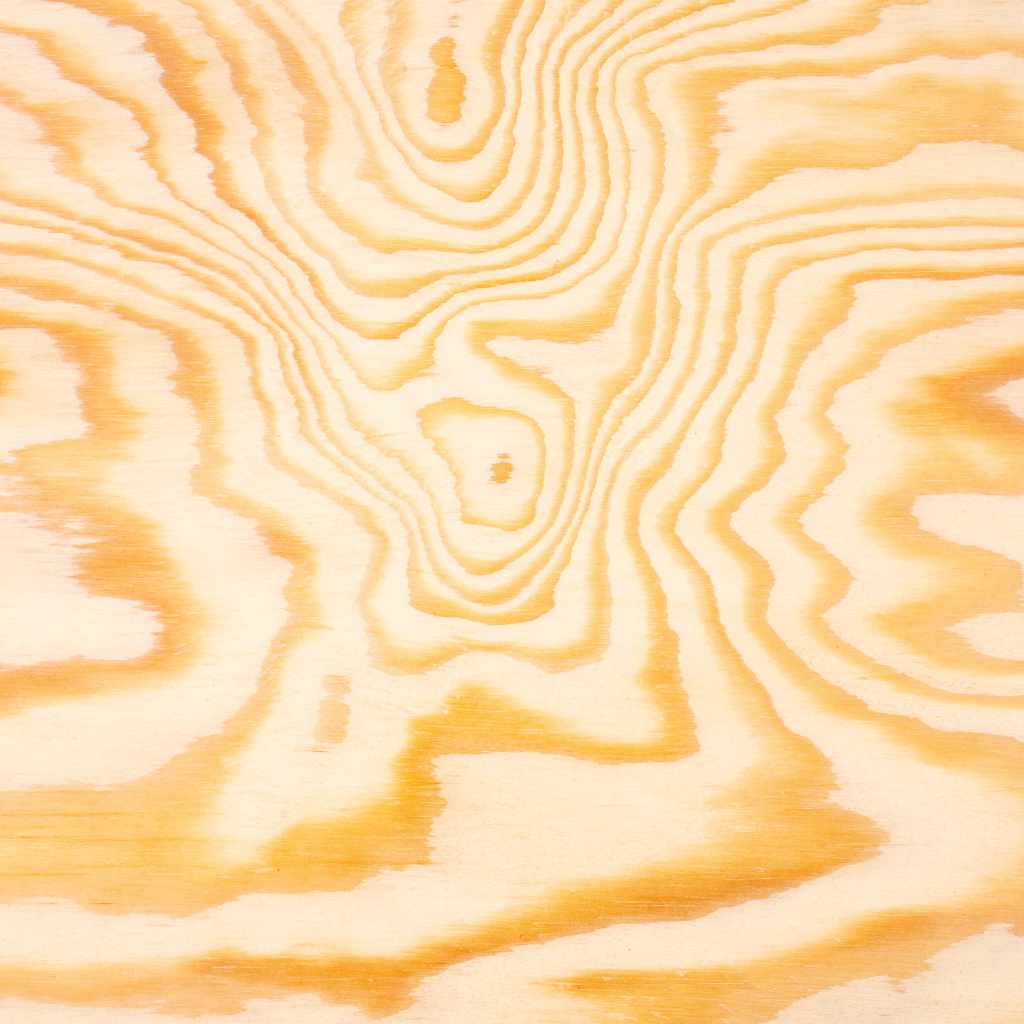
The face veneer’s surface quality is a key difference. AC plywood has an A-grade face, which is very smooth and usually free of knots. This makes it perfect for painting or staining. BC plywood’s B-grade face may have some imperfections. This is usually fine if you intend to paint, but it might require more preparation. A smooth surface is critical for getting a professional finish.
AC Plywood Surface: The A-grade face on AC plywood is ideal for painting. It provides a smooth surface with minimal imperfections, making paint application easy.
Because the surface is smooth, the paint adheres well and gives a polished look. You will not have to prepare the surface much before painting. The result is a clean, professional finish.
BC Plywood Surface: The B-grade face on BC plywood will have some imperfections. It still provides a good base for paint.
Before painting, some sanding and filling may be required to get the surface smooth. This extra preparation ensures that the paint goes on evenly and hides any defects. This makes it a great choice for painted projects.
Cost and Affordability
When comparing BC vs AC plywood, cost is an important factor. AC plywood’s higher-quality face veneer means it will be more expensive than BC plywood. This price difference reflects the time and effort required to prepare the wood. Understanding the cost differences helps you keep projects within your budget. Balancing quality and cost is critical when making material choices.
AC Plywood Cost: Generally, AC plywood is more costly. This is because of the high quality of the face veneer.
You pay for the added smoothness and fewer imperfections. If you need a smooth surface right away, the extra cost may be worth it.
BC Plywood Cost: BC plywood is usually more affordable. The B-grade face veneer is less expensive to produce.
The savings makes it a good option if you are planning to paint the project. If painting is involved, you might get similar results without paying a lot.
Common Uses and Best Projects for Each Grade
Understanding the common uses for each plywood grade helps you choose the right material for your project. AC plywood is a great choice for furniture, cabinets, and other projects where a smooth finish is vital. BC plywood is good for things like underlayment or projects that will be painted. Considering the project’s final use will help make the decision simpler. This helps to reduce the chance of making a costly mistake.
Choosing the correct plywood can save you time and money. It also helps to ensure the success of your project. Each grade offers different benefits. Picking the proper one depends on your priorities and the type of project you are working on. This knowledge will improve your results.
Projects Suited for AC Plywood
AC plywood is great for projects requiring a smooth, paintable surface. Its A-grade face is perfect for furniture, cabinets, and shelving. This is especially true where the quality of the finish matters. The surface of the plywood makes the painting process simple, giving a nice look. It also makes it ideal for areas that are frequently visible.
Furniture: Tables, dressers, and other furniture items where the finish is important.
AC plywood allows for seamless paint application or smooth staining. The high-quality face will make the final product look good. This can also save you time on the project.
Cabinets and Shelving: Interior projects that require a professional-looking finish.
Cabinets and shelving benefit from AC plywood’s smooth surface and ease of painting. This makes for a clean and attractive result. It is great for a finished product.
Decorative Panels: Projects where the appearance of the wood grain is key.
If you’re making something where you want to show off the wood’s appearance, AC plywood is the better option. It offers a smooth surface, with minimal defects.
Best Uses of BC Plywood
BC plywood works well for projects where the surface will be painted. It is also good for structural use. Its B-grade face will still provide a good base for painting, while the C-grade back can be used for less visible parts. The versatility of BC plywood makes it suitable for many projects where the appearance is not key. This helps you balance cost and quality for many situations.
Underlayment: Provides a stable base for flooring, hidden beneath the finished surface.
BC plywood works well because of its strength and ability to hold fasteners. This is a practical and cost-effective solution.
Subflooring: Serves as a base layer for floors, providing structural support.
Subflooring requires a material with good strength and durability. BC plywood does this well because it gives a good surface to install flooring on.
Exterior Projects (with proper treatment): Can be used for siding or other outdoor applications with proper sealing and treatment.
By protecting BC plywood with paint or sealant, you can make it last longer. It is important to treat this plywood to protect it from the elements.
How to Select the Right Plywood Grade
Choosing between BC vs AC plywood means thinking about your project’s goals, where you want to use the plywood, and your budget. Ask yourself whether a smooth finish is critical or whether you will be painting. Considering these factors will help you make the best choice. This helps you get the desired results and get the most out of your materials.
It’s important to consider other factors, too. These can include the thickness and type of plywood that you need. When choosing, consider how the wood will be used. Think about the environment it will be used in. These details are important in making an informed decision.
Assessing Your Project Needs
Before selecting plywood, think about your project needs. Do you need a perfect, smooth surface? Or is the project mostly for structure? Projects requiring a high-quality finish like cabinets need a smooth surface. Structural projects, like subflooring, may not require such a smooth surface. Knowing the final result allows you to choose wisely.
Surface Finish: Will the wood be painted, stained, or left natural?
If you plan to paint or stain, a smoother face is better. For a natural look, select plywood with an appealing grain pattern.
Visibility: Will the plywood be visible, or is it hidden?
If the plywood is visible, choose a grade with a high-quality face. For hidden areas, a lower grade can do the job.
Structural Requirements: Does the plywood need to hold weight or provide support?
For structural use, consider the thickness and the grade. Ensure the plywood can handle the required loads.
Considering Budget and Cost
Your budget plays a role in deciding between BC vs AC plywood. AC plywood costs more because of its higher-quality face. BC plywood is usually cheaper. Determine how much you can spend on plywood before deciding. The best choice will depend on the balance between cost and appearance. This helps you choose the best plywood for your situation.
Compare Prices: Get quotes from local hardware stores.
Pricing can change, so it is important to check prices from different sources. This helps to make sure you get the best deal.
Estimate Material Needs: Calculate how much plywood you need to determine the overall cost.
Knowing your material needs will help you set a budget. It also helps you avoid overspending. Make sure to account for waste.
Weigh Costs and Benefits: Consider whether the higher cost of AC plywood is worth it for your project.
Consider how much you value aesthetics. Make sure that you balance quality and cost based on your needs.
Tips for Working with Plywood
Once you’ve chosen your plywood grade, knowing how to work with it properly helps your project. From cutting and joining to finishing, the right techniques will give you professional results. Remember to use the right tools. Proper techniques will improve the appearance of the finished project.
-
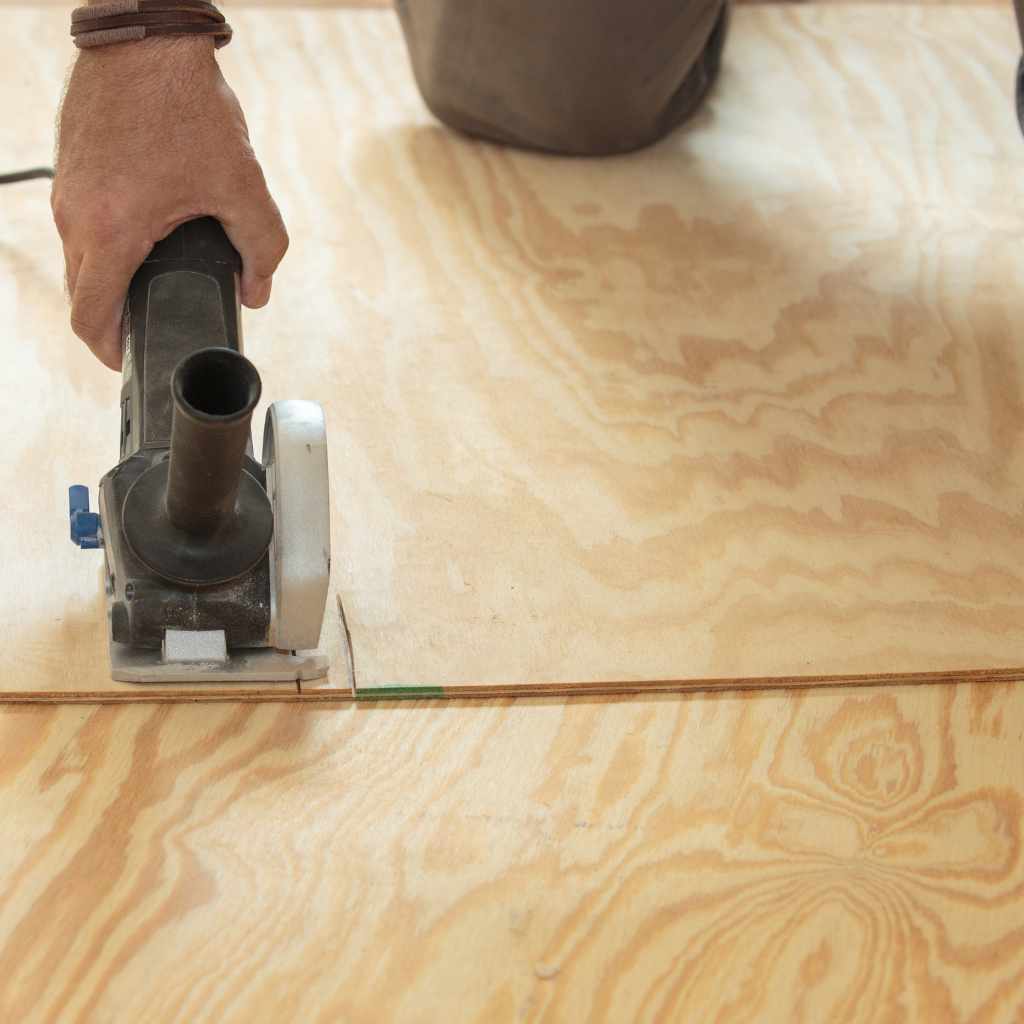
- Cutting: Use a sharp saw blade to prevent chipping.
A sharp blade gives clean cuts. A dull blade can damage the wood. Measure twice and cut once for accuracy.
-
- Joining: Use screws, nails, or wood glue to join pieces of plywood.
Proper joining methods ensure strength and stability. Consider the project’s use when selecting fasteners.
-
- Finishing: Sand the surface, apply primer, and paint or stain as needed.
Proper finishing enhances appearance and protects the plywood. Follow the manufacturer’s instructions for best results.
Frequently Asked Questions
Question: What is the difference between face and back veneers?
Answer: The face veneer is the side you see, and the back veneer is the less visible side. The face grade determines the surface quality, while the back grade may be lower if appearance is not as critical.
Question: Can I use BC plywood for furniture?
Answer: Yes, you can use BC plywood for furniture. However, it may require more preparation for the face surface. You should sand and fill imperfections before painting or finishing.
Question: Is AC plywood suitable for outdoor use?
Answer: AC plywood can be used outdoors if it’s properly sealed and treated to withstand the elements. This is especially true if you are painting it. Exterior-grade plywood is better if exposed to weather.
Question: How do I calculate the amount of plywood I need?
Answer: First, measure the areas you want to cover with plywood. Then, calculate the total area by multiplying length by width. Finally, account for waste by adding a small percentage to the total.
Question: What is the best way to cut plywood?
Answer: Use a circular saw or a table saw with a sharp blade. Make sure to support the plywood. This reduces the risk of chipping. A good blade will prevent damage.
Final Thoughts
Knowing the difference between BC vs AC Plywood: What’s the Real Difference? helps you pick the best materials for your projects. AC plywood features a high-quality A-grade face, ideal when you need a smooth surface. BC plywood, with its B-grade face, is a good choice for painting. Consider where you will use the plywood, how it will look, and your budget. Choosing the right plywood grade can make your projects look better and be more successful. Always remember to consider your project’s needs. Pick the right plywood for your project, and you will get great results.