How to Restain Wood: 9 Steps, Grit Guide + Stain Types
To restain wood a lighter color you must reach bare wood, because stain cannot soak through an intact finish. Sand with 80-120 grit, remove the dust, wipe stain on with the grain, then wipe off the excess after 5 to 15 minutes. Going darker over a sound finish is the one exception, using gel stain. This guide covers the right method for your old finish, grit order, no-sanding gel stain, and drying times.
What You Need to Restain Wood
Best Oil Stain for Restaining
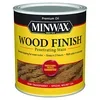 |
Minwax Wood Finish Oil-Based Penetrating Stain, Special Walnut, 1 Quart, $13.88 A penetrating oil stain suits the sand-to-bare-wood method in the steps below: wipe it on with the grain, then wipe it off inside the 5 to 15 minute window.
|
As an Amazon Associate we earn from qualifying purchases.
- Sandpaper: 80, 120, 150, and 220 grit
- Sanding block or orbital sander
- Tack cloth or a vacuum plus a damp rag
- Wood stain (oil-based or water-based, see the chart below)
- Natural bristle brush for oil-based stain or a synthetic brush for water-based
- Clean lint-free rags or a foam applicator
- Wood conditioner (recommended for pine, maple, and cherry)
- Topcoat (polyurethane, lacquer, or oil): see how to finish wood after staining for how to choose
- Safety gear: gloves, safety glasses, and an N95 mask for sanding dust
Which Restaining Method Fits Your Old Finish?
The right method depends on two things: the condition of the old finish and whether the new color is darker or lighter. Match your situation in the table before you buy supplies, because the wrong pairing is the most common reason a restain fails.
| Your situation | Method | Can it go lighter? | Main catch |
|---|---|---|---|
| Old finish intact, new color darker | Clean, degloss, gel stain | No | Only adds color on top; high-contrast changes may need two coats |
| Old finish peeling, cracked, or worn through | Sand to bare wood, then stain | Yes | Must remove every trace of finish or the stain will blotch |
| New color lighter than the old one | Strip or sand to bare wood | Yes, down to the natural wood color | Stain cannot lighten wood; bleaching is a separate process |
| Carved, turned, or detailed piece | Chemical stripper, then light hand sanding | Yes | Slower and messier, needs good ventilation |
| Not sure what finish is on it | Do the finish test below first | Depends | Shellac, lacquer, and polyurethane respond differently |
How to Tell What Finish Is on the Wood
Put a drop of water on the surface. If it beads up, a film finish is still protecting the wood and stain will not penetrate; if it soaks in within a minute or so, the finish is worn away and stain will take. To identify the finish itself, dab a cotton swab of denatured alcohol on a hidden spot: shellac softens quickly. If nothing happens, try lacquer thinner on a fresh spot, which softens lacquer. A finish that resists both is most likely polyurethane or another varnish, which calls for sanding or a chemical stripper.
How to Restain Wood: Step-by-Step
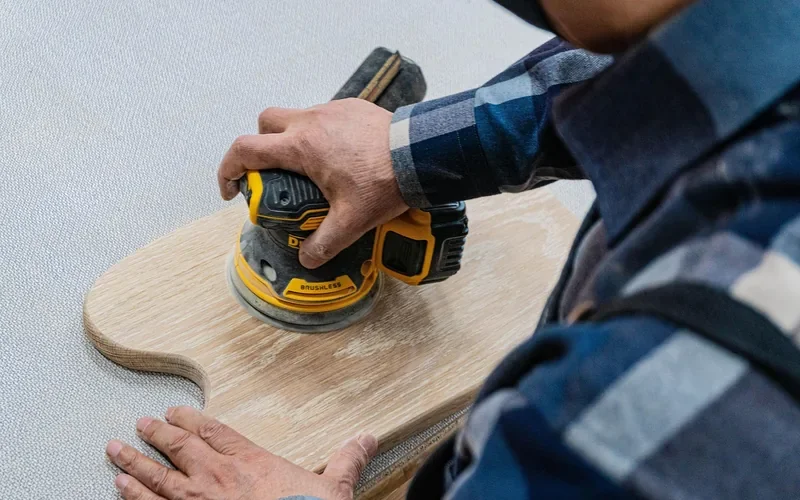
- Clean the surface: Remove dirt, grease, and wax with a wood cleaner or mineral spirits. Anything left behind blocks stain from soaking in and shows up as blotchy spots.
- Strip old finish (80-120 grit): Sand with 80 or 100 grit paper in the direction of the grain until the old stain and finish are gone, then switch to 120 grit.
- Smooth the surface (150-220 grit): Move up to 150 grit, then finish with 180 or 220 grit. A finer final grit leaves less open grain, so the color comes out lighter: stop at 150 for a deeper tone, 220 for a lighter one.
- Remove all dust: Vacuum the surface, then wipe with a tack cloth. Dust trapped under stain turns into a rough, uneven finish.
- Apply wood conditioner (optional but recommended): On blotch-prone woods such as pine, maple, cherry, and alder, brush on a pre-stain conditioner and wait 15 minutes before staining.
- Test stain on a hidden area: Apply stain to an out-of-sight spot and let it dry completely. Stain looks darker wet than dry, so judge the color only once it has dried.
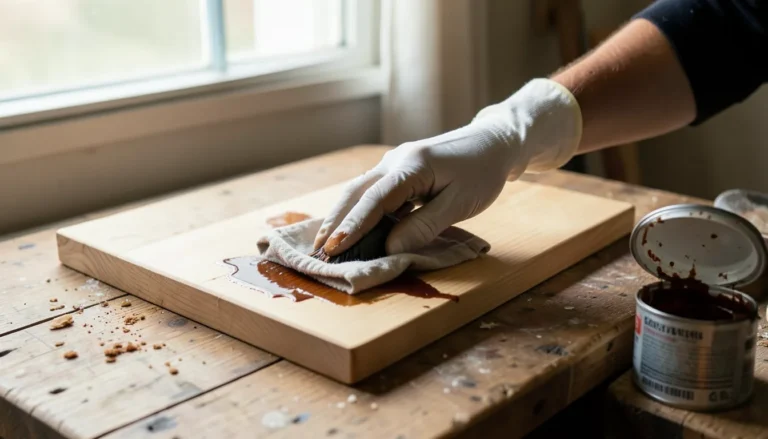
- Apply first coat of stain: Brush or wipe stain on with the grain, working in manageable sections so no area sits long enough to turn tacky.
- Wipe excess after 5-10 minutes: Use a clean lint-free rag to wipe off all excess stain along the grain. The longer it sits, the darker the result, and stain left unwiped stays gummy and never cures properly.
- Let dry, then apply topcoat: Let the stain dry fully, then apply polyurethane, lacquer, or an oil topcoat. Treat the surface gently for about 7 days while the topcoat cures.
Choosing the Right Stain for Restaining
Stain type sets drying time, color depth, and cleanup. For restaining furniture, oil-based penetrating stain gives the deepest color; water-based is the better pick for quick turnaround and lower odor. If you are torn between oil and gel, our gel stain vs oil stain species chart compares them by wood type.
| Stain type | Dry time per coat | Color depth | Cleanup | Best for |
|---|---|---|---|---|
| Oil-based penetrating | 8-24 hours | Deepest | Mineral spirits | Furniture and hardwood floors |
| Water-based | 2-4 hours | Moderate | Soap and water | Indoor projects, quick dry |
| Gel stain | 8-12 hours | Moderate to deep | Mineral spirits | Over an existing finish (no full strip) |
| Wiping stain | 2-4 hours | Light to moderate | Varies | Detail work and small pieces |
Wipe-off window: 5 to 15 minutes. The Minwax Wood Finish listing says the stain penetrates within 5 minutes and to wipe away the excess after 5-15 minutes, with a longer wait giving a darker color. Source: Minwax Wood Finish product listing, Amazon.com.
How to Restain Wood Without Sanding
You can restain wood without full sanding using gel stain, a thick stain that sits on the surface instead of soaking in. It works on furniture with an intact, non-peeling finish.
- Clean thoroughly: Remove wax, grease, and grime with a TSP substitute or wood cleaner, then let the piece dry completely.
- Apply deglosser: Wipe on a chemical deglosser (liquid sandpaper) with a cloth. This dulls the old finish so the new stain can grip, with no power sanding.
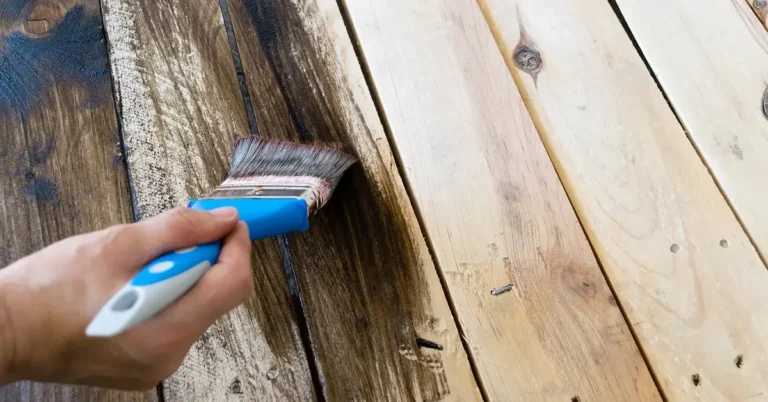
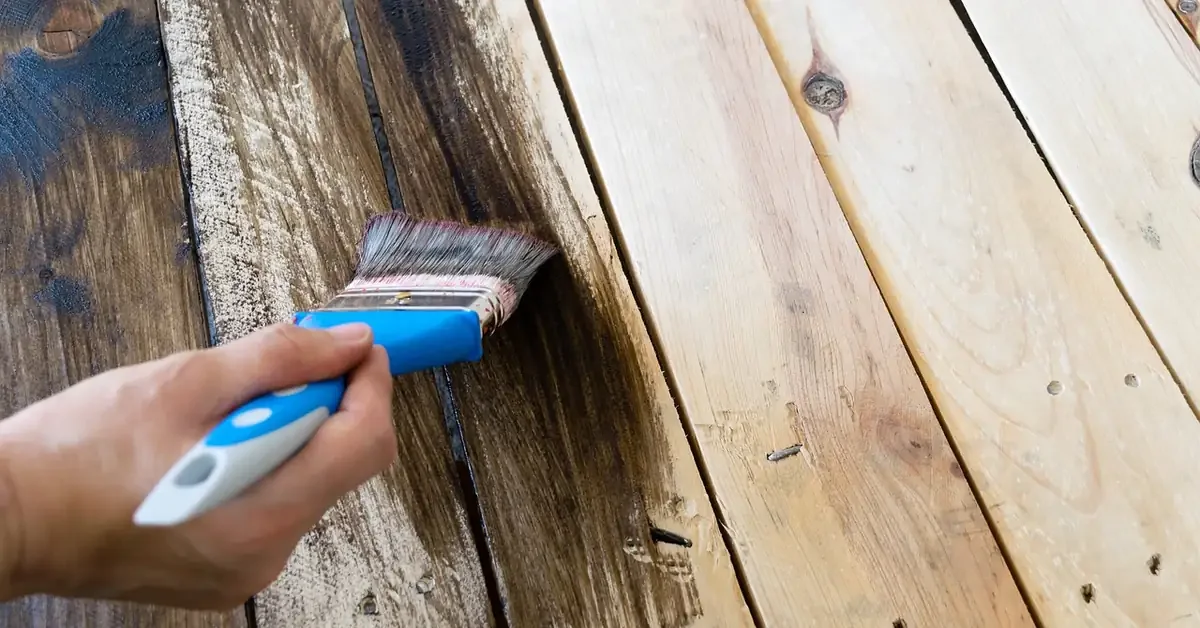
- Apply gel stain: Brush it on with the grain. Gel stain is forgiving and easy to control, which helps on vertical surfaces.
- Wipe and build color: Wipe the excess after 8-10 minutes, then add coats to deepen the color, allowing 8-12 hours between coats.
- Topcoat: Seal with an oil-based polyurethane for durability.
Limitation: gel stain can only go darker. To lighten a dark finish you must sand or strip down to bare wood.
Preparing the Wood for Restaining
Cleaning the Surface
Clean with a wood-safe cleaner or a 1:1 mix of white vinegar and water. For grease or wax, use mineral spirits on a cloth. Any oil or wax left on the surface repels the new stain and leaves blotchy patches that cannot be fixed afterward.
Removing Old Stain
Sand with 80-100 grit sandpaper to take the old stain down to bare wood, always with the grain. On turnings or carved areas where paper will not reach, use a chemical stripper: brush it on, wait the time on the label, and lift it with a plastic scraper. Work in a ventilated space with chemical-resistant gloves. Our guide to which wood stain remover actually works explains why some strippers leave color behind. After stripping, wipe with mineral spirits: bare wood absorbs it evenly, while leftover finish looks shiny or repels the liquid.
Drying and Curing Time
Drying Time by Stain Type
These are typical ranges. The label on your can always overrides them, and cool or humid air stretches every number.
| Stain type | Touch dry | Recoat time | Topcoat ready |
|---|---|---|---|
| Water-based | 1 hour | 2-4 hours | 2-4 hours |
| Oil-based | 4-6 hours | 8-24 hours | 24 hours |
| Gel stain | 4 hours | 8-12 hours | 12-24 hours |
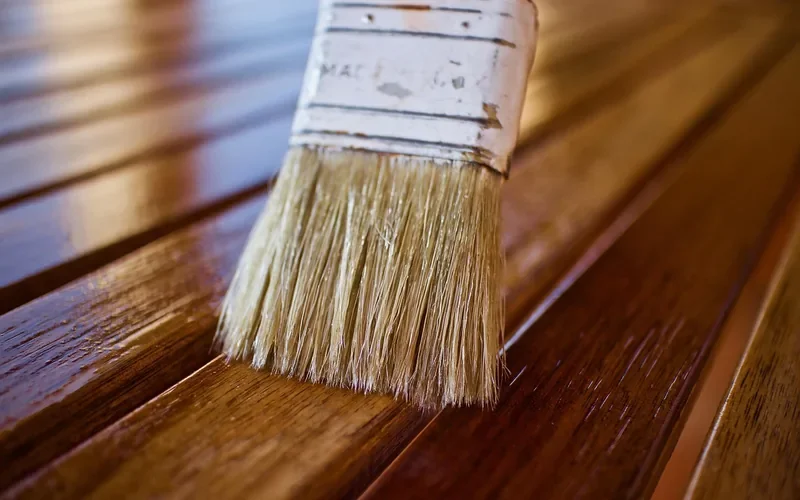
Curing Process
Full cure is when the topcoat reaches maximum hardness, which takes about 7 days for most polyurethane topcoats. A surface that is dry to the touch is not yet cured. During curing, keep objects off the surface, avoid chemical cleaners, and keep the area dust-free. Light use after 48 hours is usually fine. Not sure you need a topcoat at all? See whether you need to seal wood after staining.
Restaining Specific Projects
- Table tops: Sand the top and edges evenly, because edges absorb more stain and run darker. Work in long strokes from one end to the other so you do not leave lap marks.
- Doors: Remove hardware and lay the door flat if you can. Stain the panels and detail first, then the rails and stiles, and wipe as you go.
- Chairs and spindles: Use chemical stripper on the turned parts and sand the flat surfaces, then wipe stain on with a rag so it reaches curves.
- Decks and fences: Exterior wood needs a different process. See how to restain a deck for the water test and stripping steps.
Common Mistakes to Avoid
- Skipping dust removal after sanding: Dust trapped under stain creates a rough texture. Vacuum and use a tack cloth every time.
- Not wiping excess stain: Stain left on the surface stays sticky. Wipe within 5-15 minutes of applying it.
- Skipping wood conditioner on soft woods: Pine, maple, and cherry absorb unevenly. If blotches already appeared, see how to fix wood stain mistakes.
- Sanding across the grain: Cross-grain scratches show through the final stain. Always sand with the grain.
- Applying topcoat too soon: A topcoat over wet stain traps solvent and causes bubbling or a permanently tacky surface. If that already happened, read why your stain is still tacky.
Tips for Working With Wood Stain
- Apply thin coats: Two thin coats look more even and last longer than one thick coat, which can peel.
- Work in sections: On large surfaces, stain 2-3 feet at a time so you can wipe the excess before it turns tacky.
- Watch the temperature: Most stain labels call for roughly 50-90 degrees F. Cold slows drying, and heat speeds it and can cause lap marks.
- Raise the grain on bare wood: Wipe bare wood with a damp cloth, let it dry, then do the final light sanding. This knocks off the fibers that would otherwise feel rough after staining.
- Dispose of rags safely: Rags soaked in oil-based stain can heat up and catch fire on their own. Lay them flat outdoors to dry, or store them in a sealed metal container filled with water.
Frequently Asked Questions
Can I Restain Wood Without Sanding?
Yes, if you only want to go darker. Clean the piece, scuff it with a chemical deglosser (liquid sandpaper), and brush on gel stain over the intact finish. Gel stain cannot lighten an existing color, so a lighter result still means stripping or sanding to bare wood.
Can You Stain Over Already Stained Wood?
Yes, but only when the old finish is intact and you are going darker. Clean it, degloss it, and use gel stain, because regular penetrating stain cannot soak through a sealed finish. If the finish is peeling or cracked, take it down to bare wood first, or the new stain will flake off along with it.
Do You Have to Remove Old Wood Stain Before Restaining?
Not always. Going darker over a sound finish can be done with deglosser and gel stain. Going lighter or changing to a very different color means removing the old finish completely with 80-100 grit sanding or a chemical stripper, because stain only takes color from bare wood.
How Do You Prepare Stained Wood for Restaining?
Clean off wax and grease with mineral spirits, sand with 80-120 grit to remove the old finish, then work up to 150 and 220 grit. Vacuum the dust, wipe with a tack cloth, condition blotch-prone woods like pine, maple, and cherry, and test the stain on a hidden spot first.
How Long Does Restained Wood Take to Dry?
Water-based stain is usually touch-dry in about 1 hour and ready to recoat in 2-4 hours. Oil-based stain often needs 4-6 hours to feel dry and 8-24 hours before a topcoat. Cool or humid air slows both, so follow the can and wait longer when in doubt.
Can You Restain Wood a Lighter Color?
Only by removing the old color. Stain is translucent, so a light stain over a dark one will not lighten anything. Strip or sand to bare wood, then use a lighter stain. On bare wood, a finer final sanding grit also helps keep the color light.
Can You Restain Hardwood Floors?
Yes, but floors need the finish sanded off across the whole room before new stain goes on, which is a bigger job than furniture. Our honest breakdown of refinishing wood floors covers the effort, cost, and when to hire it out.
Sponsored / affiliate links. As an Amazon Associate I earn from qualifying purchases. I may earn additional commission from eligible campaigns.