How Much Does It Cost to Repair Wood Rot?
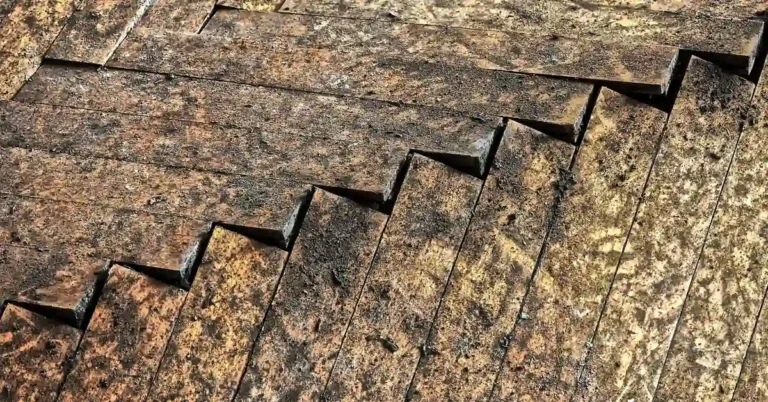
Small wood-rot repairs often cost about $150 to $800, while moderate exterior rot can run about $800 to $3,000; structural rot can cost about $3,000 to $15,000 or more, so repair usually makes sense only when the damaged area stays limited and the framing is sound. Leave rot alone, and moisture keeps moving through nearby wood, which can push the work from a patch to a much larger rebuild. This guide maps costs by damage scope, from trim and siding to framing, so you can estimate repairs before you call a contractor.
This guide is part of our How Much Does It Cost to Refinish Wood Furniture? series.
Wood rot cost table
This table separates small cosmetic repairs from larger exterior work and structural framing. The main cost swing comes from how far the decay has spread, whether the material is load-bearing, and whether you need finish work after the repair.
| Repair scope | Likely labor range | Material range | Total ballpark | Red-flag trigger |
|---|---|---|---|---|
| Small trim patch | $100 to $250 | $50 to $150 | $150 to $400 | Decay reaches the wall sheathing, framing, or a larger hidden cavity |
| Window/frame repair | $250 to $900 | $100 to $500 | $350 to $1,400 | Sill, frame, or surrounding sheathing is soft across a wide area |
| Fascia/siding section replacement | $400 to $1,500 | $150 to $900 | $550 to $2,400 | Damage spans multiple boards, corners, or a broad square footage section |
| Structural framing repair | $1,500 to $6,000+ | $500 to $4,000+ | $3,000 to $15,000+ | Load-bearing members, floor joists, wall framing, balcony, or deck components are compromised |
The table is a planning tool, not a quote. A job can move up a category fast if access is difficult, matching trim is discontinued, or the repair reveals hidden moisture damage behind the surface wood.
What drives wood rot repair cost
Wood rot usually starts with moisture intrusion. Dry rot happens when excess moisture helps a fungus take root, and wet rot is tied to ongoing moisture exposure. Early repair stays local, so the cost stays lower; once decay reaches hidden framing or spreads under finishes, labor and materials climb quickly.
Damage size and access
A few square inches of rotten trim is a very different job from several feet of siding or a section of fascia at the roof edge. Tight access, second-story locations, and areas near gutters or flashing increase labor time and often raise the bill more than the wood itself.
Labor rate by trade
The right pro depends on scope. A handyman is often the lower-cost option for small, non-structural repairs. A general contractor is more common for larger or structural jobs, and pricing changes by region. If fungus or pest questions are part of the diagnosis, an exterminator may also be involved.
Material and finish matching
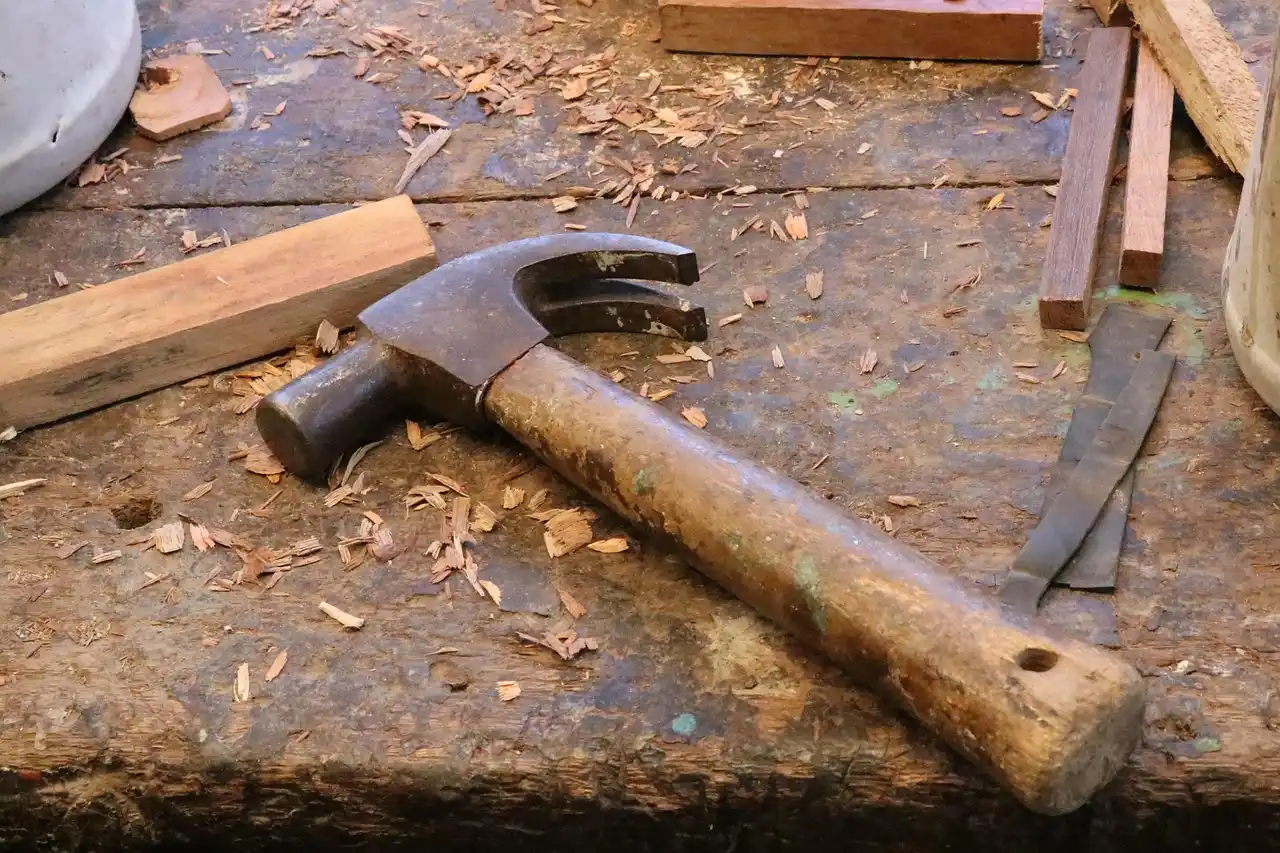
Materials are not limited to replacement boards. Epoxy wood repair materials can keep limited, non-structural damage in the repair category, but the product cost can materially affect the total. One cited price point is about $150 per gallon. Paint, caulk, primer, and trim matching can add more.
Moisture-source fixes and add-ons
Repairing the damaged wood without correcting the leak gives you a short-lived fix. Common add-ons include flashing replacement, limited sheathing repair, paint, and moisture-source correction. Larger repairs may require a permit. Workers may also need planers and miter saws, and tool maintenance adds about $35 to the repair price.
Suppose a 6-inch trim section at a porch post is soft, but the framing behind it is dry. That job usually stays in the repair category. Suppose the same spot has dark, crumbly wood that continues behind the trim and into the wall sheathing; the job can shift from patching to partial replacement.
How much does it cost to repair wood rot around windows?
Window rot often costs more than plain trim repair because the scope can include the sill, frame, trim, and surrounding sheathing. A small repair may stay under $500, while a more involved window-frame job can move into the $1,000-plus range if water has traveled into adjacent materials.
Sill, trim, and frame scope
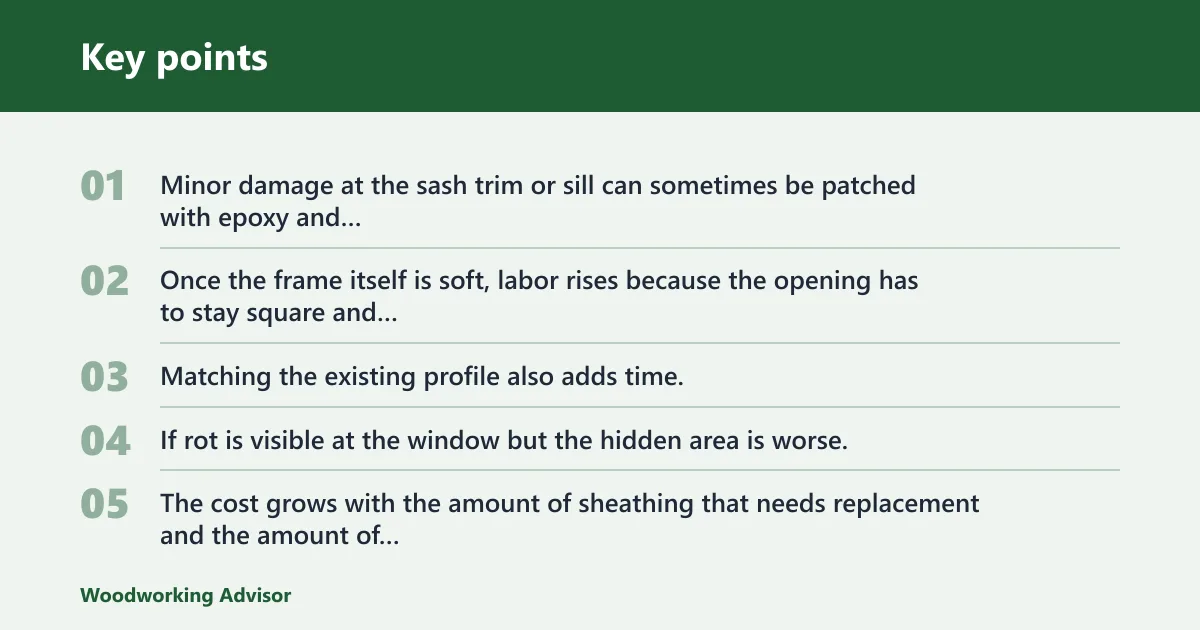
Minor damage at the sash trim or sill can sometimes be patched with epoxy and spot-replaced wood. Once the frame itself is soft, labor rises because the opening has to stay square and weather-tight. Matching the existing profile also adds time.
When surrounding sheathing must be opened
If rot is visible at the window but the hidden area is worse, the repair may require opening the surrounding wall to check for spread. That pushes the job beyond a cosmetic fix. The cost grows with the amount of sheathing that needs replacement and the amount of interior or exterior finish work that follows.
Signs the repair turns into replacement
Replacement is more likely when the sill is crumbly across most of its length, the frame no longer holds fasteners, or the wall feels soft beyond the window edge. Chronic water intrusion at this point usually means the source problem must be corrected before new trim or a new unit goes back in.
How much does it cost to repair rotted fascia or siding?
Fascia and siding costs depend on square footage, height, and how much finish work follows the wood swap. Fascia repair is often tied to gutters and roof edges, while rotted wood siding can be patchable or fully replaceable. Broadly, the larger the exterior section, the higher the labor share.
Fascia exposure near gutters and roof edges
Wood fascia sits in a wet zone. If gutters overflow or drip behind the board, rot can return unless the moisture source is fixed. Small fascia repairs may only need a board splice and paint, but long runs or repeated damage often make full-board replacement the better choice.
Rotted wood siding by square footage
Siding pricing tracks how much area is affected. A localized patch may be economical if the surrounding boards are sound, but several warped or decayed boards can turn the job into a section replacement. Matching profile, thickness, and paint color adds labor even when the damaged area looks small.
Paint and flashing after replacement
Exterior work is rarely finished at the wood swap. Paint, caulk, and flashing repairs often follow, especially around corners, windows, and roof intersections. Those extras may not sound large, but they can move a modest repair into the upper part of the price range.
When does rot need replacement instead of repair?
Replacement is the right call when the wood is load-bearing, the decay is widespread, or the damage has moved behind the surface. Repair works best for limited non-structural decay. Once the job affects framing, floor joists, wall members, balcony parts, or deck components, contractor-level replacement is usually safer.
Load-bearing framing and structural members
Structural wood members carry weight. If they are rotten, patching with filler or epoxy is not enough. Those areas may need permit-level work, especially when the repair involves floor framing, wall framing, or other load-bearing components that must be restored to code and capacity.
Widespread decay beyond surface wood
Surface rot is one thing. Decay that extends through trim and into sheathing, studs, or joists is another. When several adjacent pieces are affected, the cost of dismantling, rebuilding, and finishing can exceed the cost of replacing the section outright.
If the same area keeps rotting, the real problem may be the moisture source rather than the board itself. Repaired wood that stays wet will fail again. That is why source correction matters as much as the carpentry. The repair is only temporary if the leak remains.
Who fixes wood rot and can you do it yourself?
A handyman can handle small, non-structural repairs if the rot is limited and dry enough to assess cleanly. A general contractor is the safer option for larger exterior work or anything structural. DIY can work for minor trim, but it is not a good fit for load-bearing damage or unclear moisture problems.
Handyman for small non-structural repairs
Handymen often handle rotten trim, small fascia repairs, and simple spot replacement. This is usually the lower labor-cost option, but only when the scope stays small and the wood is not structural. If the repair requires permits, a contractor is the better match.
General contractor for larger or structural jobs
General contractors are a common choice for siding sections, larger window repairs, and framing work. They can coordinate carpentry, flashing, and finish work, which matters when the damage spans multiple systems. Regional labor rates still affect the final price.
Exterminator when fungus or pest issues are part of the diagnosis
Exterminators are not standard for ordinary rot, but they matter when the damage is confused with infestation or when fungus and pest concerns overlap. That kind of diagnosis can cost more than a handyman visit, yet it may prevent a miss on the real cause of the deterioration.
A common first-timer mistake is asking for a board swap before checking the source of the leak. That can leave the new wood exposed to the same wet condition, which sends the repair bill back to the same spot a year later.
Can you repair wood rot yourself?
Yes, for small, non-structural damage. DIY is most realistic when the area is dry, the affected wood is limited, and you can cut out all softened material before patching. If the repair needs flashing, sheathing replacement, or structural support, the safer move is to hire a pro.
Frequently asked questions
How much does it cost to repair wood rot?
Small repairs often fall around $150 to $800, moderate exterior work can land between $800 and $3,000, and structural rot can reach $3,000 to $15,000 or more. The total depends on size, access, hidden damage, and whether the work stays cosmetic or moves into framing.
How much does it cost to repair rotted wood fascia?
Fascia repair usually sits below structural framing costs but can rise fast at roof edges. Small board replacements may be a few hundred dollars, while long runs with gutter damage, paint, and hidden moisture repairs can land in the low thousands.
How much does it cost to repair dry rot?
Dry rot can be dangerous because excess moisture lets fungus take root, and it can affect interior walls, floors, porches, and siding. The average contractor charge is about $260 for dry-rot repair work, and some repair jobs are said to stay at or below $400 when replacement is not needed.
How much does it cost to fix wet rot?
Wet rot is usually tied to ongoing moisture intrusion, so the repair often depends on stopping the leak first. It is generally cheaper than dry rot because the decay may be more localized, but costs still rise if siding, trim, or sheathing must be replaced.
Who fixes wood rot?
Handymen handle small, non-structural repairs; general contractors are better for larger exterior or structural jobs; and exterminators may be involved if fungus or pest issues complicate the diagnosis. The right choice depends on whether the damage is cosmetic, load-bearing, or tied to another problem.
Sponsored / affiliate links. As an Amazon Associate I earn from qualifying purchases. I may earn additional commission from eligible campaigns.