Best Wood Tone for a Modern Farmhouse Interior Guide
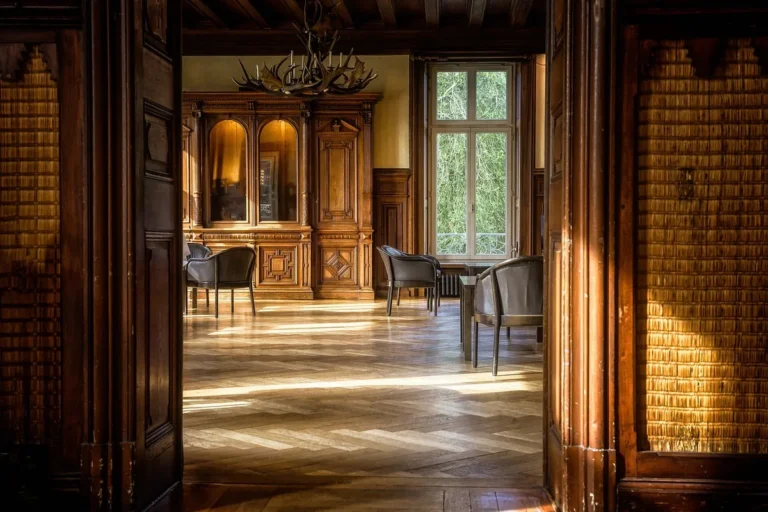
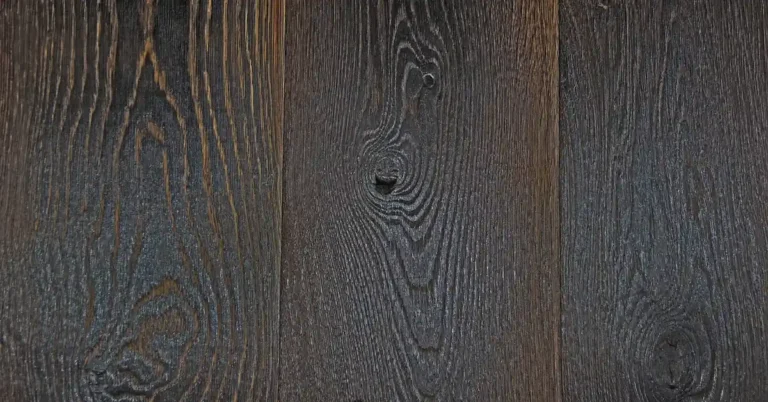
The best wood tone for a modern farmhouse interior is usually a light-to-medium neutral oak with a slight gray or brown undertone; use darker walnut only as an accent and skip orange or red stains. Choosing the wrong tone can make the space feel dated, too rustic, or visually heavy. This guide shows which wood tones work best for floors, furniture, trim, and cabinetry by room function and undertone.
This guide is part of our Wood Tone Pairing Chart: Matching Floors, Trim And Furniture series.
What wood tone fits a modern farmhouse interior?
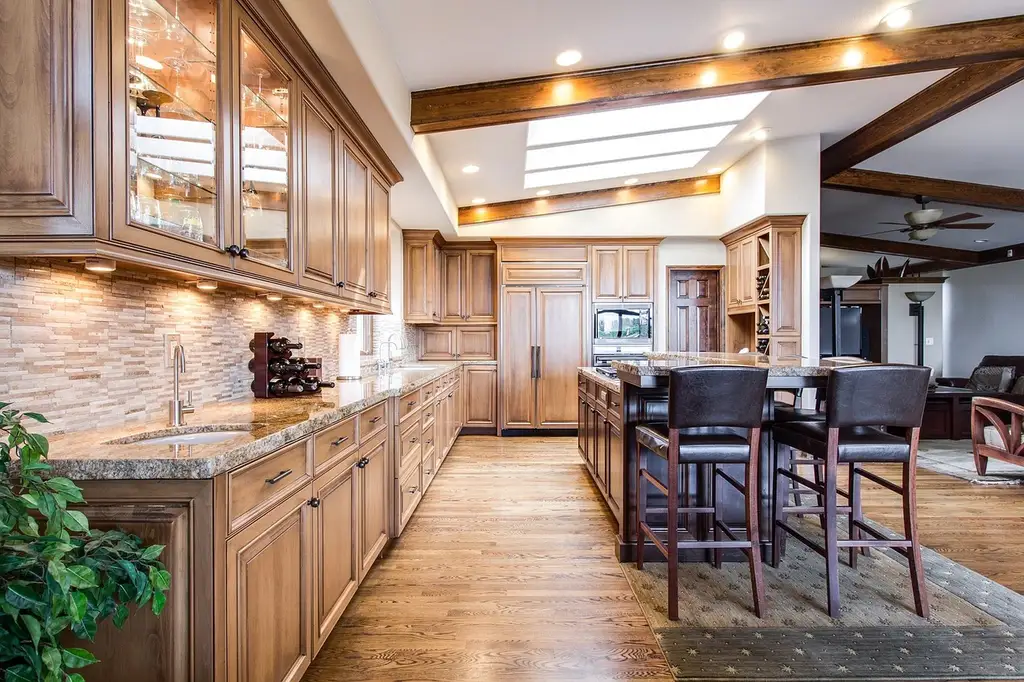

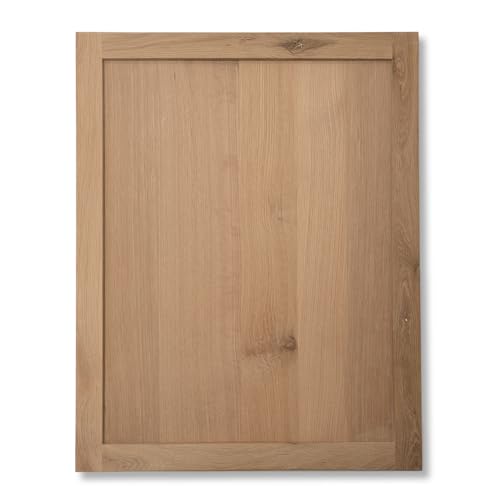
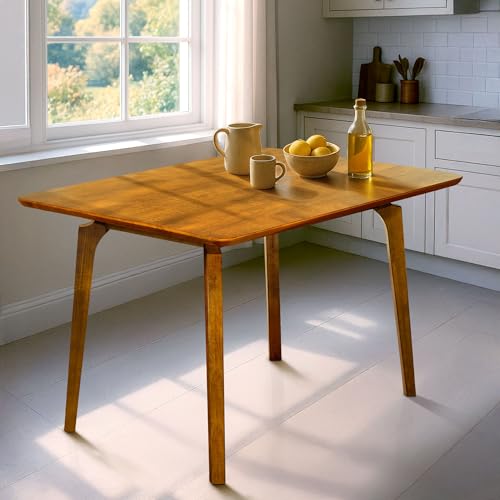
The safest choice is a neutral wood tone with visible grain and restrained warmth. Modern farmhouse design pairs white walls, black accents, muted contrast, and organic texture, so the wood should support that balance instead of turning golden, red, or muddy.
How white walls and black accents change wood-tone choices
White walls can make undertones easier to read, so warm orange or yellow stains may stand out more quickly. Black metal accents lower the overall temperature of the room, so a wood tone with a brown or gray cast usually reads cleaner than a golden finish. The result should feel refined, not heavy.
Why warm neutrals work better than orange or yellow stains
Warm neutrals fit the modern farmhouse palette because they soften all the white without pushing the room into rustic territory. Orange-heavy and yellow-heavy stains often look older under interior lighting, especially near white paint and matte black hardware. A subtle brown undertone is usually safer.
When medium browns beat very pale or very dark finishes
Medium browns are often the most versatile choice because they carry enough warmth to feel lived-in while still reading controlled. Very pale blondes can feel thin against black accents, and very dark finishes can narrow a room visually. For many homes, medium depth is the best compromise.
Should modern farmhouse wood be light, medium, or dark?
Modern farmhouse wood often works well in the light-to-medium range, with darker tones used more selectively. Light tones keep the room airy, medium tones add balance and hide wear better, and dark tones work when you want contrast on trim, furniture, or a single anchor element.
Best tone for floors
For floors, light to medium is usually the strongest choice because floor color affects the whole room. Light floors reflect more light in open plans, while medium oak tones hide dust and everyday traffic better. Dark floors can work, but they often make the room feel more formal and less open.
Best tone for trim and built-ins
Trim and built-ins usually read best in medium or dark tones if the walls are white. A lighter trim can blur into the wall color and lose definition. Dark walnut or a controlled medium brown gives these elements enough presence without making the room feel old-fashioned.
Best tone for cabinets and furniture
Cabinets and furniture need more restraint than floors because they occupy eye level. A natural wood finish or a light-neutral stain suits upper cabinets and larger furniture pieces that need to feel airy. Medium brown works well for islands, buffets, and tables. Dark walnut is better as an accent than as the dominant finish.

How do undertone and grain decide whether a stain looks modern or dated?
Undertone and grain are what separate a current modern farmhouse finish from one that feels dated. Neutral or slightly brown undertones usually read modern, while red, orange, and strong yellow casts often read older. Grain should remain visible, because hiding it usually removes the organic character the style depends on.
Reading warm, neutral, red, and yellow undertones
Warm does not mean orange. A modern farmhouse stain can have warmth through brown softness, not through a strong amber cast. Red undertones often look busy next to black accents, and yellow undertones can push wood toward a builder-grade look. Neutral brown is the most reliable base.
Why grain visibility matters in farmhouse spaces
Modern farmhouse favors honest texture. The finish should keep natural wood grain visible, not cover it. Oak flooring and white oak both work because their grain reads clearly, even under restrained color. If the stain turns the surface into a flat color field, the room loses the texture that gives the style depth.
What oak and white oak absorb differently
Oak flooring is common in farmhouse interiors because its grain pattern takes stain in a visible, familiar way. White oak has a subtler grain and a more neutral undertone, which makes it a better base for cleaner, more modern finishes. Regular oak can absorb stain more noticeably, so test on the actual room surface before choosing a final tone.
Picture a long hallway with white walls, black door hardware, and oak floors. A golden stain may pull the floor toward orange under afternoon light, while a neutral medium brown keeps the hallway calm and connected to the rest of the home.
Which wood stains work best in farmhouse rooms?
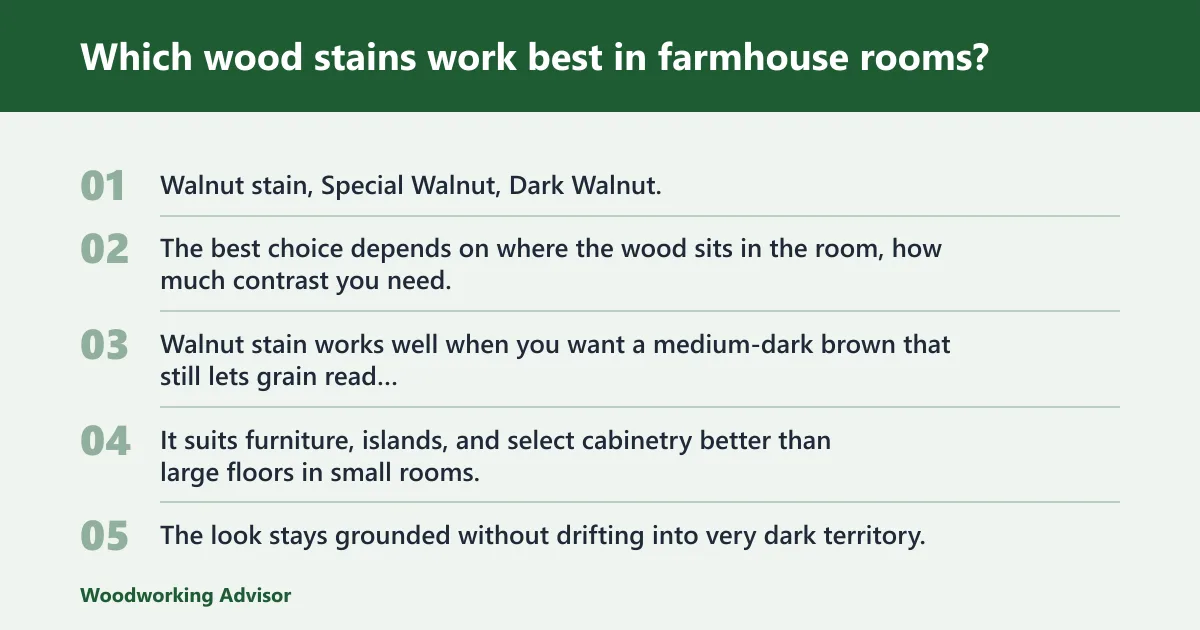
Walnut stain, Special Walnut, Dark Walnut, and natural wood finish all have a place in modern farmhouse design, but not in the same role. The best choice depends on where the wood sits in the room, how much contrast you need, and how much grain you want to keep visible.
Walnut stain for medium-dark warmth
Walnut stain works well when you want a medium-dark brown that still lets grain read clearly. It suits furniture, islands, and select cabinetry better than large floors in small rooms. The look stays grounded without drifting into very dark territory, which helps maintain a modern farmhouse balance.
Special Walnut stain for controlled depth
Special Walnut is a classic tone for interior use when you want depth without a heavy finish. Minwax Special Walnut is described as a time-tested oil-based stain, it penetrates in five minutes, color depth can be adjusted by waiting 5-15 minutes, and its drying time is listed as two hours. That flexibility helps you keep the color in a moderate range rather than pushing it too dark.
Dark Walnut stain for higher contrast
Dark Walnut creates stronger contrast and works best on trim, built-ins, smaller furniture, or a statement island. It pairs well with white walls and black accents, but it can feel too dense on large floors if the room lacks daylight. Use it where you want structure, not everywhere at once.
Natural wood finish for a lower-color look
Natural wood finish suits modern minimalism within farmhouse design because it keeps color low and grain visible. This option works especially well on white oak, which already brings a quieter grain pattern and a neutral base. It is a strong choice for rooms that need light, but it still needs enough contrast from hardware and lighting.
Wood-tone decision matrix
Use this matrix to match wood tone to function, undertone, sheen, and grain visibility. The common failures listed here are the ones that most often pull modern farmhouse toward rustic, dated, or visually muddy results.
| Tone family | Best room type | Undertone | Sheen | Grain visibility | Common failure mode |
|---|---|---|---|---|---|
| Light | Small kitchens, halls, airy bedrooms, open-plan floors | Neutral or soft brown-gray | Matte or low satin | High | Looks washed out, yellow, or too pale against black accents |
| Medium | Main floors, islands, dining tables, built-ins | Neutral brown with mild warmth | Satin | High to moderate | Can turn muddy if the room has low daylight or red undertones |
| Dark | Trim, furniture, statement cabinets, limited accent zones | Deep brown, cool-neutral if possible | Matte or satin | Moderate | Feels heavy, absorbs light, or reads older if too red or glossy |
A common first-timer mistake is mixing three or four stain depths in one open plan. That often makes the room feel accidental instead of coordinated. Keep one dominant tone family and let one darker accent support it.
How do you keep wood tones from looking too rustic?
Use cleaner lines, simpler profiles, and a controlled stain depth. Modern farmhouse is less rustic and more refined, sustainable, and personal, so the wood should feel intentional rather than distressed. The finish should support warmth and minimalism at the same time.
Use cleaner lines and simpler profiles
Heavy distressing, carved edges, and thick visual texture move a room toward rustic farmhouse. Slab fronts, straight rails, and simpler trim profiles keep the design current. Even a familiar oak grain can look modern if the millwork is restrained.
Balance black metal accents without adding heaviness
Black metal accents help modern farmhouse wood read cleaner because they give the eye a crisp stopping point. Keep the metal details consistent across hardware, lighting, and furniture legs. Too much black in a dark wood room can feel heavy, so use contrast with some open space around it.
Choose sheen and grain visibility for a more refined finish
Floor sheen changes how color reads. Matte softens reflection and usually makes wood look calmer and less glossy. Satin keeps grain visible while still reflecting enough light to avoid flatness. Gloss can make stains appear deeper and sharper, which often works against the understated look modern farmhouse needs.
How should you coordinate mixed woods in one home?

Coordinate mixed woods by matching undertone before matching exact color. Keep floors, trim, and furniture in the same temperature family, and avoid too many competing stain depths in open plans. The goal is continuity, not identical finishes in every room.
Match undertone before matching exact color
Two stains can look different in a swatch and still work together if both lean neutral-brown. One can be lighter on floors and another darker on furniture, as long as neither shifts red, orange, or yellow. That keeps the whole home connected.
Keep floors, trim, and furniture in the same temperature family
If floors are a soft neutral brown, trim should not jump to a red-brown, and furniture should not swing to golden oak. Repeating the same temperature family across the home prevents the eye from reading each piece as separate. That matters more in open-concept layouts.
A simple room-by-room checklist
- Choose the floor first, because it affects every other wood tone.
- Check the floor in morning, midday, and evening light.
- Compare the stain against wall paint, black hardware, and nearby tile.
- Pick trim and built-ins in the same undertone family, not necessarily the same depth.
- Use darker walnut only where you want a focal point.
- Keep large furniture slightly lighter than trim if the room feels tight.
- Test samples on the actual species you plan to use, since oak and white oak absorb differently.
What to watch in farmhouse lighting
Under warm bulbs, red and yellow undertones become more obvious. In cooler daylight, some brown stains can look gray or flat. That is why stain samples should be checked in the room, not under store lighting. For a modern farmhouse look, the best result usually sits between the two extremes.
What stain colors look good with white walls and black accents?
Neutral oak, medium brown walnut, Special Walnut, and carefully controlled Dark Walnut all work with white walls and black accents. The best match depends on how much contrast the room needs and whether the wood is acting as the main surface or as an accent.
White walls and black accents are common farmhouse partners because they create a clear frame for wood grain. A light neutral oak floor can keep the room open, while a medium walnut table or island gives the space weight. The key is avoiding stains that turn orange in the transition.
What stain colors are trending for modern farmhouse interiors in 2026?
Modern farmhouse in 2026 is moving toward refined, less rustic wood tones, with more interest in neutral oaks, low-color finishes, and controlled brown depth. The strongest direction is away from orange-heavy stain and toward finishes that keep grain visible while feeling calmer and more personal.
That means white oak, natural wood finish, medium walnut, and restrained Special Walnut-style browns are better aligned with current modern farmhouse than highly rustic or heavily distressed looks. Dark Walnut still has a place, but mostly as contrast rather than the main field color.
How warm should wood tones be in a modern farmhouse?
Warm enough to feel human, but not so warm that the wood turns golden or red. A modern farmhouse finish should sit in the warm-neutral range, where brown is visible first and color cast is secondary. That keeps the room soft without drifting into older farmhouse styling.
If a stain looks orange next to white paint or red under evening light, it is usually too warm. If it looks gray and flat, it may be too cool. The sweet spot is a balanced brown with visible grain and enough softness to work beside black metal accents.
Frequently asked questions
What wood tone works best in a modern farmhouse interior?
A light-to-medium neutral oak usually works best because it keeps the room airy, shows grain clearly, and avoids the orange or red cast that can date the space. Use darker walnut as an accent rather than the main finish if you want the room to stay open and current.
How do I choose a wood stain for a farmhouse look?
Start with room function, then check undertone, grain visibility, and sheen. Choose a stain that keeps the wood grain visible, stays in the warm-neutral range, and works with your wall color and hardware. Check samples in the actual room before making the final call.
How do I keep wood tones from looking too rustic in modern farmhouse design?
Use cleaner lines, avoid heavy distressing, and stay away from orange or red-heavy stains. Choose finishes that let the grain read clearly without adding visual clutter. Satin or matte sheen usually works better than gloss when you want a more refined result.
Which wood stain is best for floors, trim, and furniture in a farmhouse home?
Light to medium neutral oak often works best for floors, darker or medium-toned stains suit trim and built-ins, and furniture can go slightly darker for contrast. Keep the undertone consistent across all three so the home feels coordinated rather than patched together.
Sponsored / affiliate links. As an Amazon Associate I earn from qualifying purchases. I may earn additional commission from eligible campaigns.