How Many Times Can You Refinish Wood Floors? The Real Limit
Solid hardwood floors can typically be refinished 3 to 5 times or more over their lifespan, since each plank is a single piece of wood. Engineered wood floors are limited by their thin top veneer — often just one sanding, sometimes two or three depending on veneer thickness. Taking off too much wood in either case causes permanent, unrepairable damage.
Solid vs. Engineered: Why the Limit Is So Different
Extend Time Between Refinishes
 |
Bona Hardwood Floor Polish, 32oz – $15.19 Since every sanding permanently removes wood, a polish layer between full refinishes is genuinely the cheapest way to buy your floor more years — especially on engineered floors with a limited veneer.
|
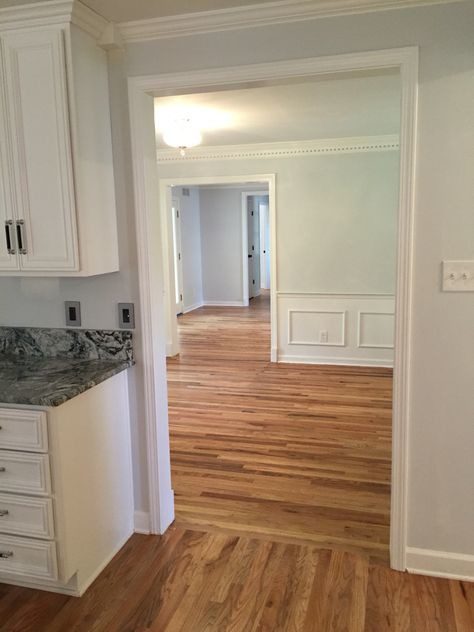
Refinishing sands away the old finish and a thin layer of the wood itself before applying new stain and protective coating — which is exactly why it can’t be done forever. Solid hardwood planks are a single piece of wood all the way through, giving you a substantial amount of material to sand down over many years, often for generations with proper care. Engineered hardwood has only a thin real-wood veneer (typically 0.5mm to 6mm) glued onto plywood or composite layers underneath — once you sand through that veneer, you hit the core material, which can’t be stained or refinished and will look wrong if exposed. Full 3/4-inch solid hardwood has the most refinishing life of any flooring option — see our 3/4-inch hardwood flooring guide for why the thickness matters, and whether your floor started prefinished or unfinished changes this math too (see our prefinished vs. unfinished comparison).
How Much Wood Actually Comes Off Each Sanding
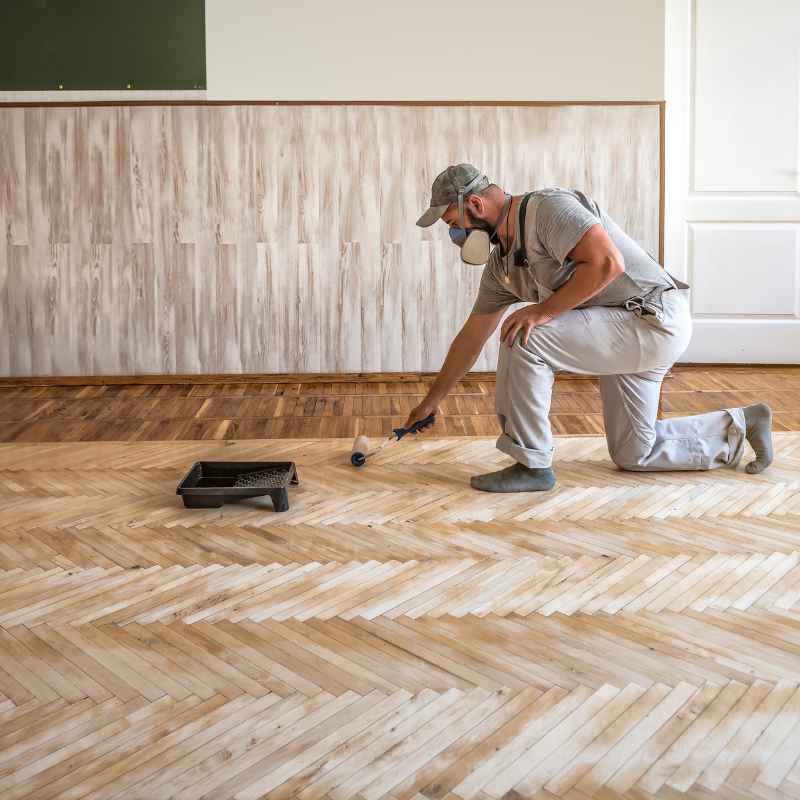
A typical refinish removes roughly 0.5mm to 1mm of wood, though this varies with the sander and the refinisher’s skill — a professional aims for the minimum removal needed to get a clean, level surface. For a standard 3/4-inch (about 19mm) solid hardwood plank, you can realistically sand off 3-5mm over its lifetime, which works out to roughly 3-5 full refinishes, sometimes more if each sanding is done conservatively. For engineered wood, it’s entirely about veneer thickness: a 1mm veneer might survive one light sanding at most; a 3-4mm veneer can typically handle two, maybe three, but with much less margin for error than solid wood.
| Floor Type | Typical Refinish Count | What Limits It |
|---|---|---|
| Solid hardwood | 3-5+ times over decades | Thickness above the tongue and groove |
| Engineered (thin veneer, ~1mm) | 0-1 times | Veneer sands through almost immediately |
| Engineered (thick veneer, 3-4mm) | 2-3 times | Still capped once the veneer is gone |
| Screen and recoat (either type) | Many times | Not applicable — removes no wood |
What Else Affects How Often You Can Refinish
Wood thickness is the hard ceiling, but a few other things affect how you get there. Floor condition matters: deep gouges and heavy staining need more aggressive sanding than a few surface scratches, which might only need a screen and recoat. Finish type matters too — some older finishes are harder to strip, and installation quality (loose or poorly seated boards) can cause problems that need fixing before any sanding happens. Budget and timing are real factors as well: refinishing is a real expense, and a rushed or poorly done job can waste some of your floor’s limited remaining wood for nothing.
Screen and Recoat: The Refinish That Isn’t
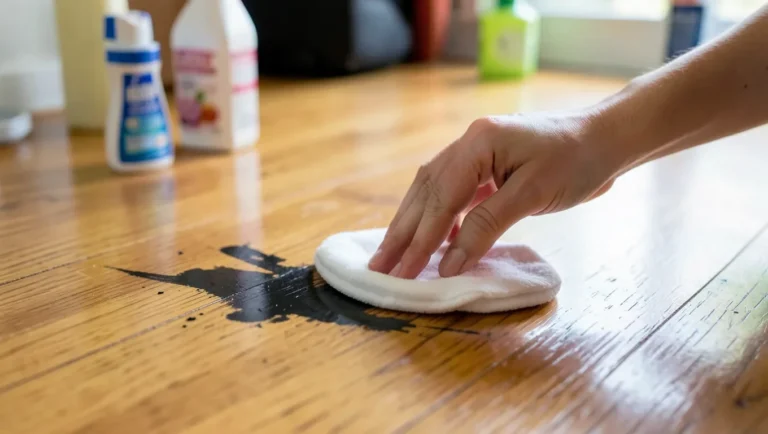
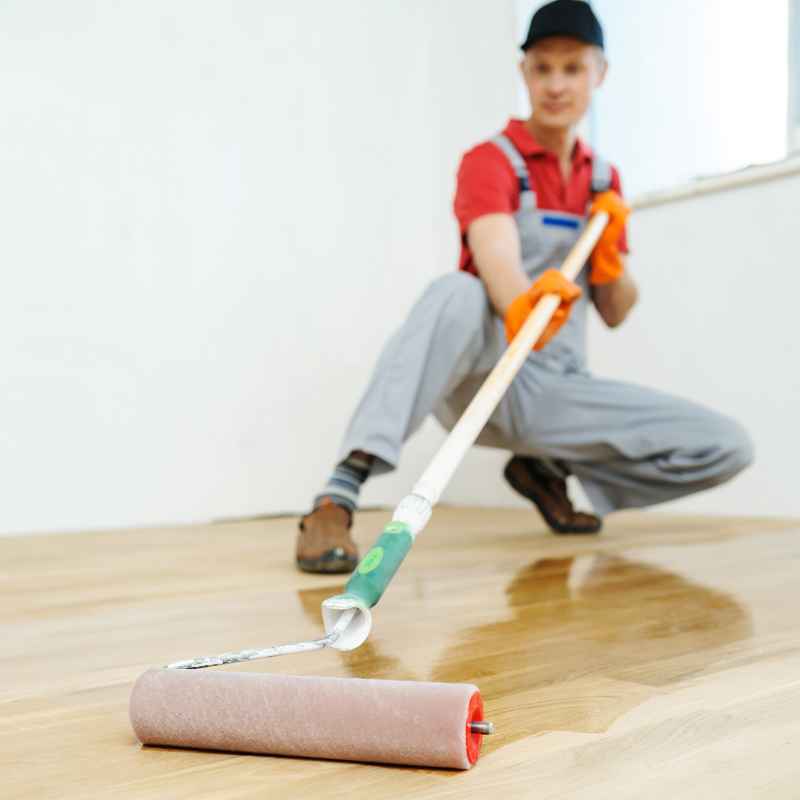
When wear is only in the finish layer (not the wood), a screen and recoat is usually enough: a buffer with an abrasive screen lightly roughs up the existing polyurethane or varnish, then a fresh coat goes on top. This removes essentially no wood, so unlike a full sanding, it can be done many times — typically recommended every 2 to 5 years depending on traffic. Think of it as adding a new layer rather than stripping down to bare wood; it doesn’t count against your floor’s limited number of true refinishes, and it’s the reason a well-maintained floor often needs far fewer full sandings over its life than a neglected one.
Signs Your Floor Has Reached Its Limit
- You can see the tongue-and-groove edges of the planks — sanding further creates gaps between boards
- On engineered wood, the plywood or composite core becomes visible — the veneer is gone, and sanding stops being possible
- The wood’s color shifts dramatically mid-sanding, a sign you’re cutting into a different layer than intended
- Boards feel fragile or prone to cupping even with wood technically remaining — the floor may not withstand another pass regardless of remaining thickness
A flooring professional can measure remaining wood thickness directly and give you a real answer rather than a guess — worth the consult before committing to a refinish on an older or already-refinished floor.
Making Your Remaining Refinishes Last
- Rugs and mats at exterior doors and in high-traffic paths cut down on grit that acts like sandpaper underfoot
- Felt pads on furniture legs prevent scratches when pieces get moved
- Trim pet nails regularly — a common, easy-to-miss source of deep scratching
- Wipe up spills immediately; standing moisture is one of the fastest ways to damage a wood floor
- Keep indoor humidity relatively stable to reduce expansion/contraction gaps and cupping
Frequently Asked Questions
How many times can I refinish solid hardwood floors?
Typically 3 to 5 times or more over the floor’s lifespan, since each plank is solid wood with a substantial amount of material above the tongue and groove. The exact number depends on plank thickness and how conservatively each sanding is done.
What’s the refinishing limit for engineered wood floors?
It’s set entirely by the top veneer’s thickness. A very thin veneer (around 1mm) may only survive one light sanding or none at all; a thicker veneer (3-4mm) can typically handle two to three. Check your specific product’s veneer thickness rather than assuming.
What’s the difference between refinishing and a screen and recoat?
Refinishing sands away the old finish and a thin layer of the actual wood before a new finish goes on. A screen and recoat only lightly abrades the existing finish and adds a new coat — it removes essentially no wood, so it can be repeated many times without using up your floor’s limited refinishes.
Conclusion
Solid hardwood gives you real room to work with — 3 to 5+ refinishes over decades — while engineered wood’s limit comes down entirely to veneer thickness, sometimes just one sanding. A screen and recoat doesn’t count against either limit, which makes it the best tool for stretching a floor’s life between the refinishes it does have left.
Sponsored / affiliate links. As an Amazon Associate I earn from qualifying purchases. I may earn additional commission from eligible campaigns.