Best Way to Stain Wood: Expert Tips for a Flawless Finish
Are you ready to transform your wood projects with a rich, lasting finish? Staining wood can bring out its natural beauty, protect it, and give your space a warm, inviting feel.
But finding the best way to stain wood isn’t always simple. You might wonder which products to use, how to apply them, or how to avoid common mistakes that ruin your hard work. You’ll discover clear, step-by-step tips that make staining wood easy and effective.
Keep reading to unlock the secrets that will help your wood look stunning every time.
Choosing The Right Wood Stain
Choosing the right wood stain is key to a great finish. It affects the look, feel, and durability of your wood project. The right stain highlights the wood’s natural beauty and protects it from damage. Understanding different types of stains and their features helps you pick the best one.
Types Of Wood Stains
Wood stains come in various types, each with unique qualities. Gel stains are thick and sit on the surface. They work well on rough or vertical surfaces. Penetrating stains soak into the wood, showing the grain clearly. They are good for smooth woods. Water-based stains dry fast and clean up easily. Oil-based stains take longer to dry but offer deep color and protection.
Oil-based Vs Water-based
Oil-based stains soak deeply and last longer. They bring out rich, warm tones in wood. These stains need mineral spirits for cleanup. Water-based stains dry quickly and have less odor. They clean easily with soap and water. Water-based stains keep colors bright and resist fading. Choose oil-based for outdoor use or heavy wear. Pick water-based for indoor projects and faster work.
Picking The Perfect Color
Color choice changes the wood’s mood and style. Light stains keep a natural, fresh look. Dark stains add drama and hide imperfections. Test colors on a small wood piece first. Check how the stain looks after drying. Consider the wood type and room lighting. Neutral tones fit most styles and spaces. Bold colors make a strong statement.
Preparing Wood For Staining
Preparing wood for staining is a key step for a smooth and lasting finish. It sets the stage for the stain to soak in evenly. Good preparation also helps avoid blotches and uneven colors. Taking time to clean, sand, and test the wood will improve your final result.
Cleaning And Sanding Techniques
Start by cleaning the wood surface. Remove dirt, dust, and grease with a damp cloth. Let the wood dry completely before sanding. Sand the wood with medium-grit sandpaper to remove rough spots. Follow with fine-grit sandpaper to smooth the surface. Always sand in the direction of the wood grain. Wipe off sanding dust with a tack cloth or a soft rag.
Dealing With Imperfections
Check the wood for cracks, holes, or dents. Use wood filler to fix any imperfections. Apply the filler with a putty knife and let it dry fully. Sand the filled areas smooth to match the wood surface. Imperfections can affect how the stain looks later. Fixing them early ensures a clean, even finish.
Testing Stain On Scrap Wood
Test the stain on a scrap piece of the same wood. This shows how the color will look once applied. Apply the stain with a brush or cloth on the scrap. Let it dry and check the color under good light. Adjust the stain or preparation steps if needed. Testing helps avoid surprises on your main project.
Applying Wood Stain Like A Pro
Applying wood stain correctly makes a huge difference in the final look. It enhances the wood’s natural beauty and protects it. A smooth, even finish needs the right tools and careful steps. With some practice, anyone can achieve a professional result.
Tools You’ll Need
- Clean cloths or rags for wiping excess stain
- High-quality brushes designed for stain application
- Sandpaper (120 to 220 grit) for surface preparation
- Gloves to protect your hands
- Stir sticks to mix the stain well
- Drop cloth to protect the work area
- Painter’s tape for clean edges
Step-by-step Application Process
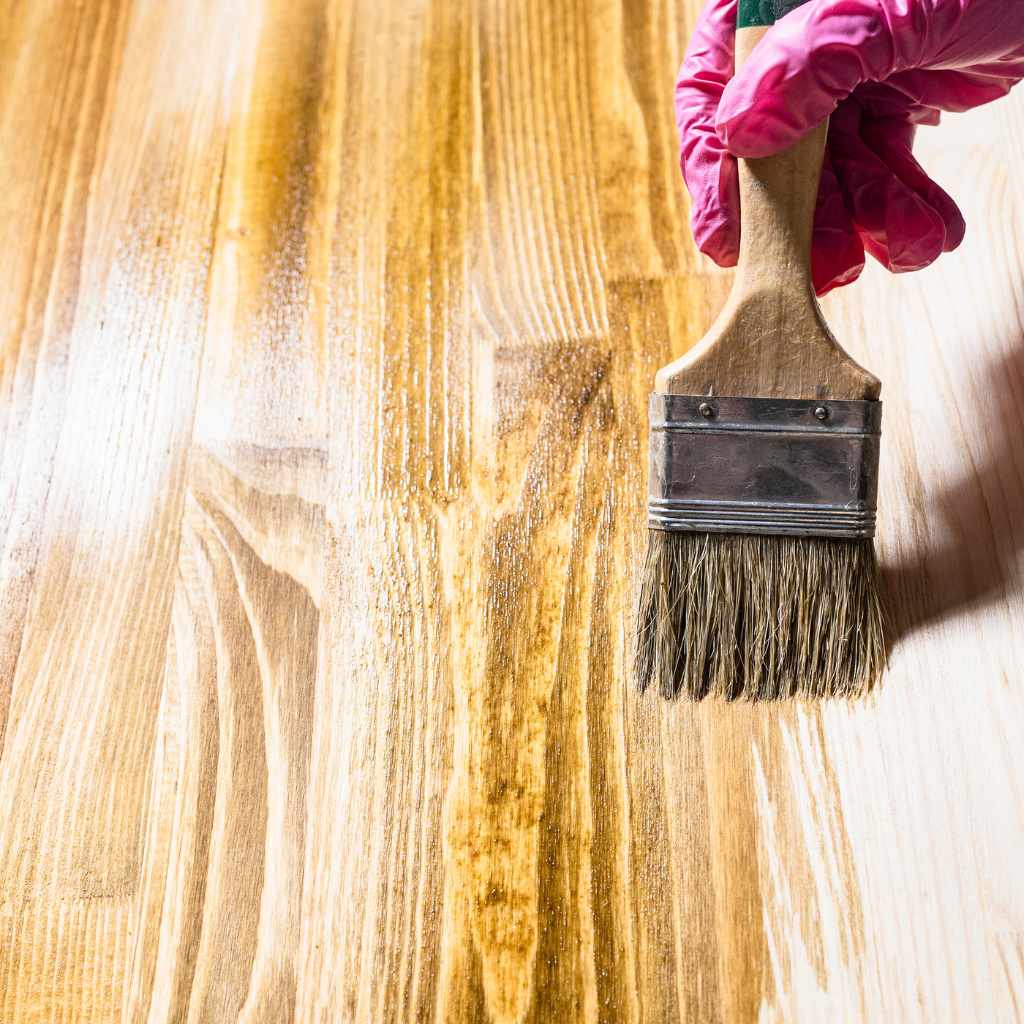
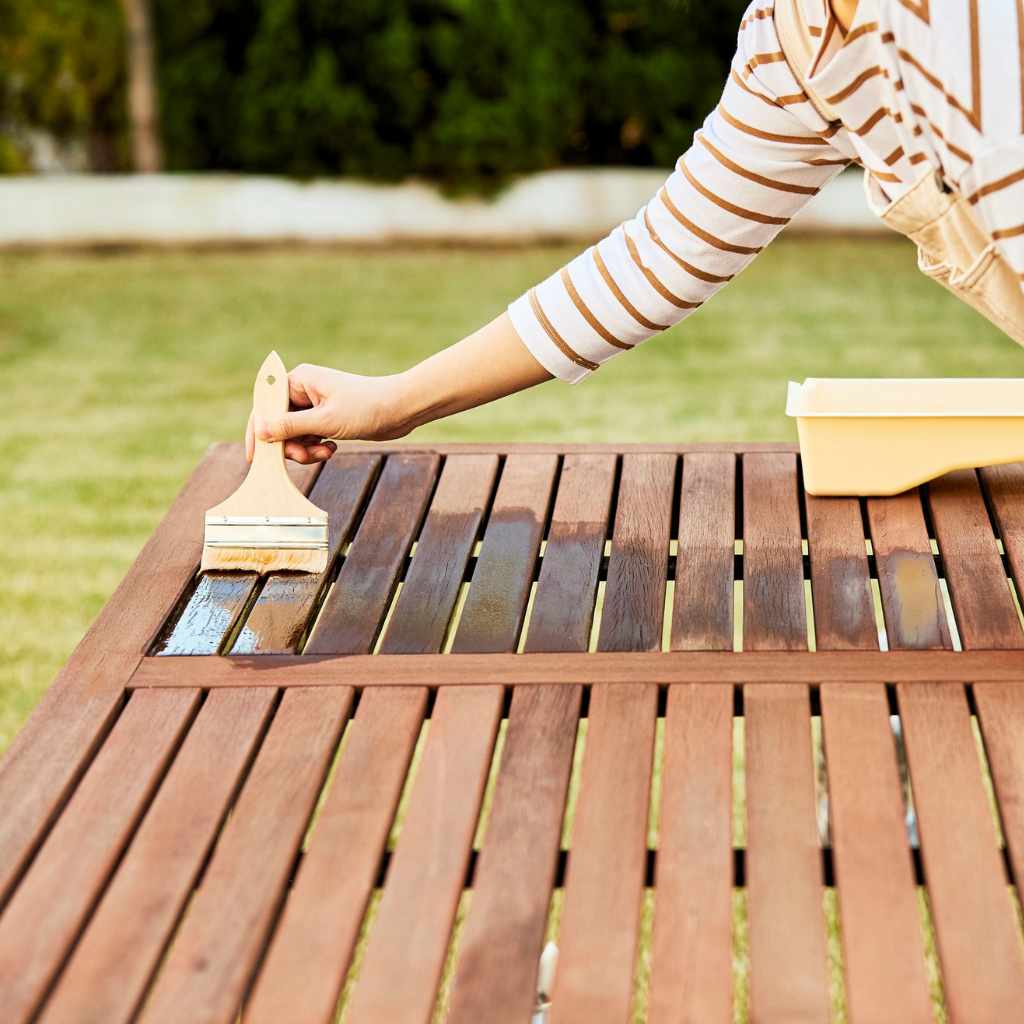
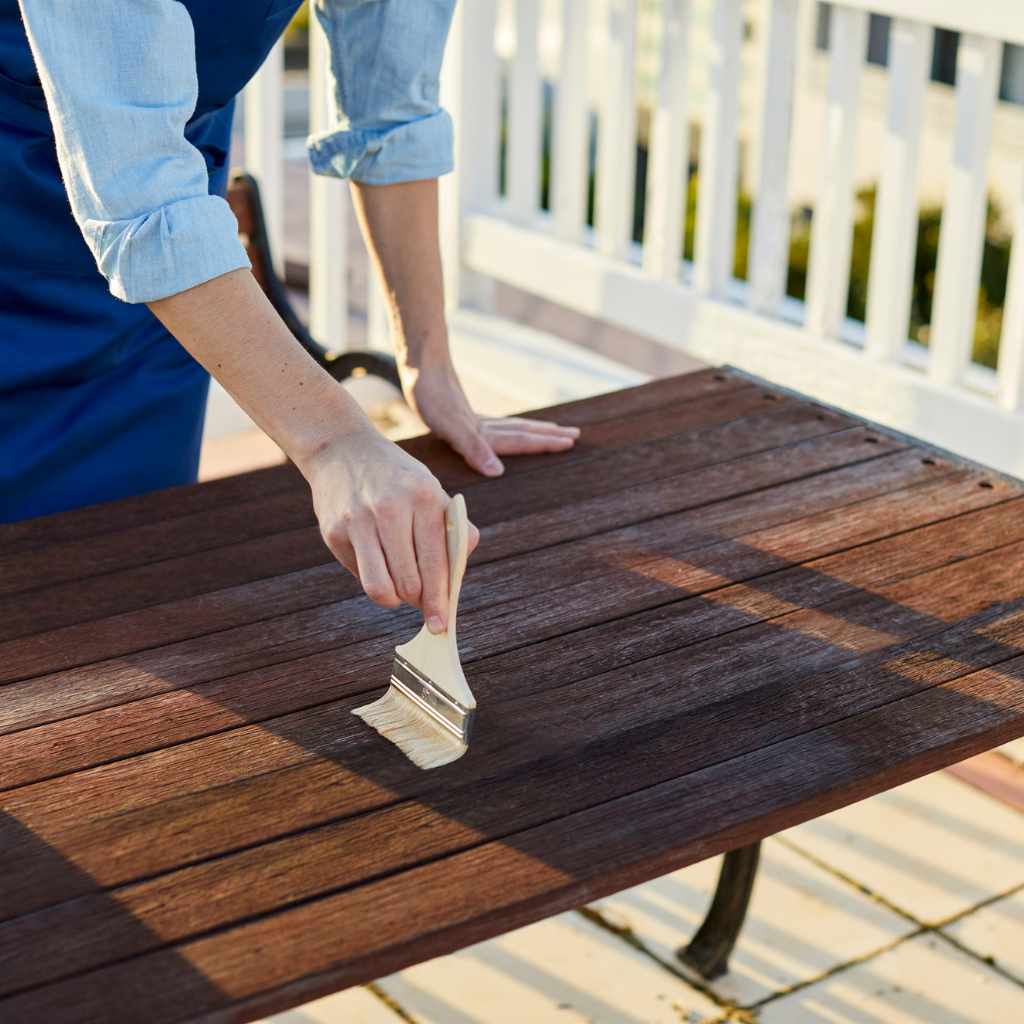
Start by sanding the wood to remove rough spots. Wipe the surface clean with a damp cloth. Stir the stain thoroughly without shaking to avoid bubbles. Apply the stain along the wood grain using a brush or cloth. Let the stain sit for a few minutes to soak in. Wipe off the extra stain with a clean cloth. Allow the wood to dry completely before applying another coat. Repeat if you want a deeper color. Finish by sealing the wood with a clear protective finish.
Tips To Avoid Common Mistakes
- Do not rush the drying time between coats.
- Always test the stain on a scrap piece of wood first.
- Use even strokes to prevent blotchy areas.
- Keep your work area dust-free to avoid particles on the finish.
- Wear gloves to avoid skin stains.
- Clean tools immediately after use to keep them reusable.
- Apply stain in thin layers to control the color depth.
Enhancing And Protecting The Finish
Enhancing and protecting the finish of stained wood is key to keeping its beauty and strength. The right steps help the wood last longer and look fresh. A good finish adds shine and guards against damage from water, dirt, and sunlight. Proper care will keep your wood looking its best for years.
Choosing The Right Sealant
Select a sealant that fits your wood type and use. Oil-based sealants offer deep protection and rich color. Water-based sealants dry fast and stay clear. Some sealants resist UV rays to prevent fading. Pick one that matches indoor or outdoor needs. Test on a small area before full application.
Applying A Clear Coat
Clear coats add a smooth, shiny layer over stain. They protect from scratches and spills. Use a brush or spray for even coverage. Apply thin coats and let each dry fully. Sand lightly between coats for a smooth finish. Multiple coats build stronger protection and better shine.
Maintaining Your Stained Wood
Clean stained wood regularly with a soft cloth. Avoid harsh chemicals that can damage the finish. Reapply sealant every few years to keep protection strong. Cover outdoor wood during bad weather to avoid wear. Check for signs of damage and fix quickly to prevent bigger problems.
Troubleshooting Stain Issues
Staining wood can sometimes lead to unexpected problems. These issues can make the wood look uneven or blotchy. Fixing these problems early keeps your project looking great. Here are simple ways to handle common stain troubles.
Fixing Uneven Stains
Uneven stain happens when wood absorbs color differently. Light spots may appear where the stain did not soak in well. Use a clean cloth to rub the area gently. This evens out the stain by spreading the color. Let it dry fully before adding more stain. Sanding lightly with fine grit sandpaper also helps smooth rough areas. Always test on a small spot first.
Removing Excess Stain
Too much stain can create sticky, dark patches. Wipe off extra stain quickly with a clean rag. If the stain has dried, use mineral spirits to remove it. Apply the spirits lightly and rub gently. Avoid using too much liquid to prevent damaging the wood. After cleaning, allow the surface to dry completely before proceeding.
Dealing With Stain Blotches
Blotches appear as dark, uneven spots on the wood. They often occur on soft woods like pine or maple. Sand the blotchy areas lightly to remove the top layer. Use a wood conditioner before staining to prevent blotches next time. If blotches remain, apply a second, lighter coat of stain carefully. Patience and small steps give the best results.
Frequently Asked Questions
What Is The Best Wood Stain For A Natural Look?
Oil-based stains are best for a natural wood look. They penetrate deeply and highlight the grain. Water-based stains dry faster and have less odor. Choose based on your project and desired finish.
How Do I Prepare Wood Before Staining?
Start by sanding the wood surface smooth. Remove dust and debris with a tack cloth. Clean the wood with a mild detergent if needed. Proper preparation ensures even stain absorption and a flawless finish.
How Long Should Wood Stain Dry Before Finishing?
Most wood stains dry within 4 to 6 hours. Always check the manufacturer’s instructions for exact drying times. Ensure the stain is fully dry before applying a topcoat to avoid blotching.
Can I Stain Over Old Wood Stain?
Yes, you can stain over old stain if the surface is clean and sanded. Remove any peeling or chipped areas first. Light sanding helps the new stain adhere evenly for a fresh look.
Conclusion
Staining wood can bring out its natural beauty and protect it. Choose the right stain and prepare the surface well. Apply the stain evenly, and wipe off any extra. Let the wood dry completely before using it. Take your time and follow these simple steps.
Enjoy a rich, lasting finish that enhances your wood projects. Staining wood does not have to be hard. With care and patience, anyone can do it well. Try these tips for a smooth, beautiful result every time.