Best Way To Store Wood Outside: Proven Essential
The best way to store wood outside involves elevating the pile off the ground, covering the top to block direct rain, ensuring airflow around all sides, and positioning it away from standing structures to prevent moisture intrusion and warping.
Hello there! I’m Md Meraj, and I know that feeling—you’ve scored some beautiful lumber, maybe for that weekend project, but now you have to leave it outside. Protecting wood from the weather is one of the first big learning curves for any new woodworker. If you leave it sitting on the wet ground or let the rain soak it, you face cupping, warping, mold, and wasted money. It’s frustrating! Don’t worry, this isn’t rocket science. With a few simple, proven steps, you can keep your outdoor lumber perfectly dry, flat, and ready for cutting. Let’s dive into the essential methods to store wood outside safely and smartly, ensuring your next project starts with great material.
The Big Three Enemies of Outdoor Wood Storage
Before we talk solutions, we need to understand what we are fighting against. Wood is naturally hygroscopic, meaning it loves to suck up moisture from the air and rain. When wood absorbs water unevenly, it swells and warps. When it stays wet too long, fungi and mold move in.
Here are the main threats:
- Ground Contact (The Silent Killer): Direct contact with soil or concrete wicks moisture up into the bottom layers of your stack through capillary action. This is often the fastest way to ruin the structural integrity of your wood.
- Direct Precipitation: Rain and snow hitting the top create saturated spots. If the water can’t evaporate quickly, it soaks in deep.
- Poor Air Circulation: If the pile is pressed tight against a wall or the base is blocked, trapped moisture cannot escape, leading to rot and encouraging pests.
Step 1: Get the Wood Off the Ground—Elevation is Essential
This is arguably the most critical step in the entire process. Your number one goal is to create an air gap between the lowest piece of lumber and the soil or pavement beneath it. Even if the ground seems dry now, dew, sprinkler overspray, or sudden rain can instantly saturate the base layer.
How to Build a Simple Base Platform
You don’t need fancy equipment; treated lumber scraps or concrete blocks work perfectly. The structure must be sturdy enough to hold the weight of your entire stack without shifting.
- Choose Your Supports: Use pressure-treated lumber (rated for ground contact if possible) or concrete blocks/pavers. Avoid using untreated wood scraps as your base, as they will quickly rot.
- Create Parallel Runners: Lay down two or three parallel runners perpendicular to the way you intend to stack the main wood pile. These runners should be spaced evenly to support the weight and prevent sagging in the middle. A typical setup uses two runners, one near each end of the stack, spaced about 6 to 8 feet apart for standard lengths of lumber.
- Achieve Adequate Height: Aim for an elevation of at least 4 to 6 inches off the ground. This gap allows air to flow freely underneath and prevents pooling water from reaching the bottom boards.
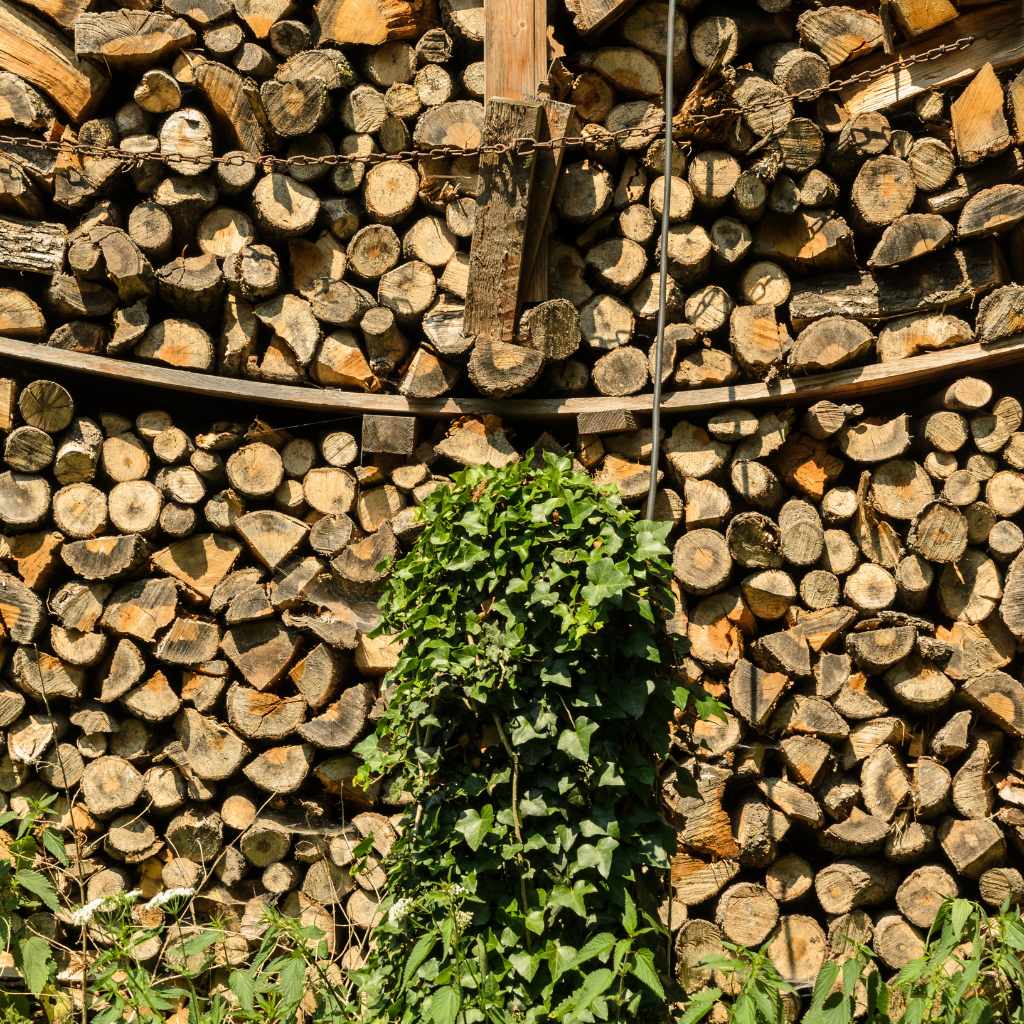
Step 2: Stacking Technique—Creating an Airflow Highway
Once the wood is elevated, how you stack it determines how fast it dries and how evenly it stays flat. We use small spacers, often called “stickers,” to create intentional air gaps between every layer of wood.
Using Stickers for Proper Spacing
Stickers are thin strips of wood (usually 1×2 or 3/4” thick scraps) laid cross-grain between your material boards. These stickers ensure every single board in the stack is exposed to air on its top and bottom surface.
Laying the Stack: A Checklist
- Layer 1 (Bottom): Place your first layer directly onto the base runners.
- Sticker Placement: Lay down your stickers perpendicular to the direction of the boards. Place them directly over the base runners for maximum support, typically every 16 to 24 inches, depending on the length of your material.
- Layer 2: Place the next layer of lumber on top of the stickers. Ensure the edges of the second layer align reasonably well with the edges of the first—this keeps the pile neat and stable.
- Repeat: Continue layering wood and stickers until you reach your desired height. Always end with a board on top (no sticker on the very top layer, unless you plan to cover it immediately).
Pro Tip for Large Piles: To keep the weight centered and prevent bowing, ensure your stickers line up vertically. If the stack is very long, place stickers every 2 feet or so, but always line them up directly over the support runners below.
Step 3: Protecting the Top—Shedding Rain is Key
While airflow handles moisture trapped underneath or between boards, you must protect the top surface from direct rain. Think of it like building a small, temporary roof for your lumber.
The Essential Covering Strategy
The key here is covering the top but never wrapping the sides. Wrapping the sides traps humidity—the opposite of what we want.
- The Material: Use materials that are waterproof but lightweight. Heavy tarps can deform the top layer of wood if they sag. Good options include waterproof plastic sheeting, corrugated roofing panels, or even a slightly sloped tarp secured loosely.
- Creating a Slope: Ideally, your cover should shed water away from the pile. If you use a tarp, prop it up slightly in the center so rain runs off the sides rather than gathering in a pool on top.
- Overhang is Your Friend: Make sure the cover extends several inches past the sides of the stack. This overhang directs runoff water away from the stack, rather than letting it drip straight down the sides.
Step 4: Location, Location, Location—Site Selection
Where you put your pile matters almost as much as how you stack it. You are looking for a spot that naturally experiences less moisture and better airflow.
Where to Avoid Placing Your Wood
As part of maintaining good craftsmanship, we need to keep the wood dry, which means avoiding these common beginner mistakes:
- Against the House Siding: Wood pressed against exterior walls traps stale, moist air. Mildew and black mold thrive in this protected, low-air-exchange zone. Keep the pile at least 12 to 18 inches away from any solid structure.
- In Low Spots: Never stack wood where water naturally collects after a heavy rain. This guarantees saturation from below or around the edges.
- Under Tree Drips: Even if it’s not raining heavily, water dripping from tree canopies can soak the pile slowly over days. Look for an area that is consistently exposed to sun and wind when possible.
Ideal Site Characteristics
If you can manage it, seek the following:
- Good Sun Exposure: Sunlight helps dry out any incidental moisture quickly.
- Wind Flow: An open area that catches the prevailing breeze helps carry moisture away from the stack.
- Slight Rise: If terrain allows, choose a spot that is slightly higher than the surrounding area for better drainage.
Understanding Wood Types and Storage Time
The required rigor of your storage method can depend on what kind of wood you are storing and for how long. A piece of 2×4 needed for framing tomorrow requires less vigilance than expensive hardwoods being seasoned for six months.
Here is a quick comparison table to help guide your approach:
| Wood Type/Condition | Typical Storage Duration | Primary Concern | Storage Rigor Level |
|---|---|---|---|
| Pressure-Treated Lumber | Short-Term (Under 3 months) | Surface Wetting | Moderate (Needs elevation and top cover) |
| Dried Dimensional Lumber (Pine/Fir) | Short-Term (Up to 6 months) | Warping/Cupping | High (Needs thorough stickering and covering) |
| Hardwoods for Seasoning (Oak, Maple) | Long-Term (6+ months) | Checking, Mold, Rot | Very High (Excellent airflow, heavy protection required) |
| Plywood or Sheet Goods | Short-Term (Weeks) | Edge Swelling | Extreme (Must be kept completely dry, ideally indoors or under a solid roof structure) |
Protecting Plywood and Sheet Goods: A Special Case
Plywood and MDF are fundamentally different from solid lumber. They are engineered products made of thin veneers glued together. While dimensional lumber wants to allow air flow, plywood needs to be protected from moisture penetration entirely, especially at the edges.
If you must store plywood outside, even for a short period:
- Elevate Significantly: Raise the stack much higher than dimensional lumber, using sturdy blocks to avoid contact with damp surfaces.
- Seal the Stack (If possible): Wrap the entire stack—top, bottom, and all four sides—in thick plastic sheeting. This is the one time you cover all sides.
- Support Heavily: Plywood sheets are heavy and prone to sagging. Use plenty of support stickers underneath and consider placing weight (like other heavy, sealed wood) on top to keep the sheets flat.
For long-term storage of high-quality sheet goods, consult resources on material handling, as many manufacturers recommend climate-controlled environments to maintain warranties, as referenced by building standards bodies like USG regarding building material best practices.
Advanced Tips for Long-Term Seasoning and Storage
If you are storing wood to air-dry (season) it for future projects, you need to maximize the drying potential while minimizing damage. This requires a slightly more robust setup that maximizes sun, wind, and rigorous stacking procedures.
The Simple Shed or Lean-To Method
The absolute best way to store wood outside is under a simple, open-sided shelter. If you have a spot against a fence line or a spare corner of your garage, creating an angled roof structure overhead dramatically reduces the daily moisture load.
- Build the Roof: Construct a simple lean-to roof. It only needs to be sturdy enough to shed rain, angled steeply enough so water runs off quickly. Corrugated metal or rigid plastic panels work well.
- Maintain Air Gaps: Even under a roof, you must still elevate the wood using the block and sticker method described earlier. The roof protects from rain, but airflow prevents humidity build-up underneath.
- Orientation: If possible, orient the pile so the sides are exposed to the prevailing breeze, promoting evaporation.
Why Weighting the Stack Matters
As wood dries, it naturally wants to twist, cup, and check (crack). Applying weight evenly across the top helps counteract these internal stresses, keeping the boards flatter while they acclimate.
- Use heavy, treated timbers or concrete pavers placed directly on the top board layer (over the sticker layer, if one exists).
- Distribute the weight evenly across the entire surface area of the stack, especially near the center.
Essential Checklist: Quick Reference for Storing Wood Outside
To ensure you’ve covered all the bases before walking away from your lumber pile, run through this simple checklist:
| Action | Status (Check if Done) | Why It Matters |
|---|---|---|
| Elevated Off Ground (Min 4 inches) | Prevents wicking and ground moisture contact. | |
| Supported by Adequate Runners | Prevents the pile from bowing or sagging in the middle. | |
| Stickers Used Between Layers | Ensures 360-degree airflow for consistent drying. | |
| Top Covered (Waterproof) | Stops direct rain infiltration. | |
| Sides Left Open/Uncovered | Allows trapped humidity to escape. | |
| Away From Structures (Min 12 inches) | Prevents mold/mildew growth in trapped air pockets. | |
| Weighted Down (If seasoning) | Keeps boards flat against warping forces. |
Dealing with Weather Changes and Inspections
Storing wood outside isn’t a “set it and forget it” task, especially if you live in an area with unpredictable weather. Regular inspection ensures you catch small problems before they become major issues.
What to Watch For During Your Checks
Make it a habit to glance at your wood pile once a week or after any significant weather event (heavy rain or heatwave).
- Mold or Mildew: Look for fuzzy green, black, or white spots, often appearing where two board surfaces meet or on the undersides of the bottom layer. If found, carefully remove the affected boards, increase airflow around them, and let them dry separately if possible.
- Shifting Cover: Check that the tarp or cover hasn’t slipped, allowing water to funnel directly into the stack. Adjust or re-secure it.
- Base Settling: Look underneath. Has the ground softened, causing the elevation blocks to sink unevenly? Relevel your base if necessary.
- Pest Activity: Keep an eye out for insect nests or signs of rot, which can signal that water is pooling somewhere it shouldn’t be.
When storing wood for a very long time, especially hardwoods you plan to mill into fine furniture, you might need to flip or slightly rearrange the stack every few months. This exposes different faces of the lumber to the open air and promotes more uniform drying. For more in-depth information on lumber drying kinetics and best practices, resources from forestry extension offices, such as those found at Penn State Extension, offer detailed scientific insights into moisture content management.
FAQ: Beginner Questions on Outdoor Wood Storage
Q1: How long can I safely store wood outside using this method?
For short-term storage (a few weeks to three months), this method works perfectly for keeping wood flat and dry. For long-term seasoning (six months or more), you should ideally use a roofed structure, even if it’s just a simple tarp lean-to, to minimize direct environmental exposure.
Q2: Can I use concrete blocks directly on the ground as my base?
Yes, concrete blocks are excellent for creating the initial elevation because they won’t rot. However, you must still use wooden stickers on top of the blocks to support the actual lumber pile, or you risk trapping moisture between the wood and the block surface.
Q3: What should I do if I see mold forming on the outside of the stack?
If you catch mold early (it looks fuzzy and surface-level), remove the affected boards immediately. Brush them off with a stiff brush and let them dry in direct sun for a day or two before restacking them in a sunnier, breezier spot. If the rot is deep, the wood may need to be discarded or reserved only for outdoor non-structural use.
Q4: Do I need sticker strips for every single board layer?
Yes, if you want the best results for flat, evenly dried wood. Stickers create the air channel necessary for efficient moisture removal from both faces of the board. Skipping stickers on intermediate layers will lead to localized moisture issues and potential warping in those specific layers.
Q5: Can I stack my plywood with my dimensional lumber?
I strongly advise against it. Dimensional lumber needs airflow; plywood needs full enclosure. Stacking them together means you are either trapping moisture around the plywood edges (bad) or preventing the dimensional lumber from breathing properly (also bad). Keep sheet goods separate and fully wrapped.
Q6: Should I ever wrap the entire stack in plastic?
Only if you are absolutely certain the wood underneath is perfectly dry, or if a severe, unending storm is expected. For normal storage or seasoning, wrapping the entire stack traps the humid air released by the wood itself, often leading to rapid mold growth inside the plastic wrap. Stick to covering only the top surface.