Birch Vs Poplar Plywood: Ultimate Strength and Cost Comparison
When it comes to choosing plywood for your project, you might find yourself stuck between birch and poplar. Both are popular options, but which one truly fits your needs?
You want a material that is strong, easy to work with, and looks great—but how do you decide? This article will help you understand the key differences between birch and poplar plywood so you can make the best choice for your next build.
Keep reading to discover which plywood matches your style, budget, and project goals perfectly.
Material Properties
Material properties play a key role in choosing the right plywood. Birch and poplar plywood differ in several ways. Understanding these differences helps in picking the best option for your project.
Density And Hardness
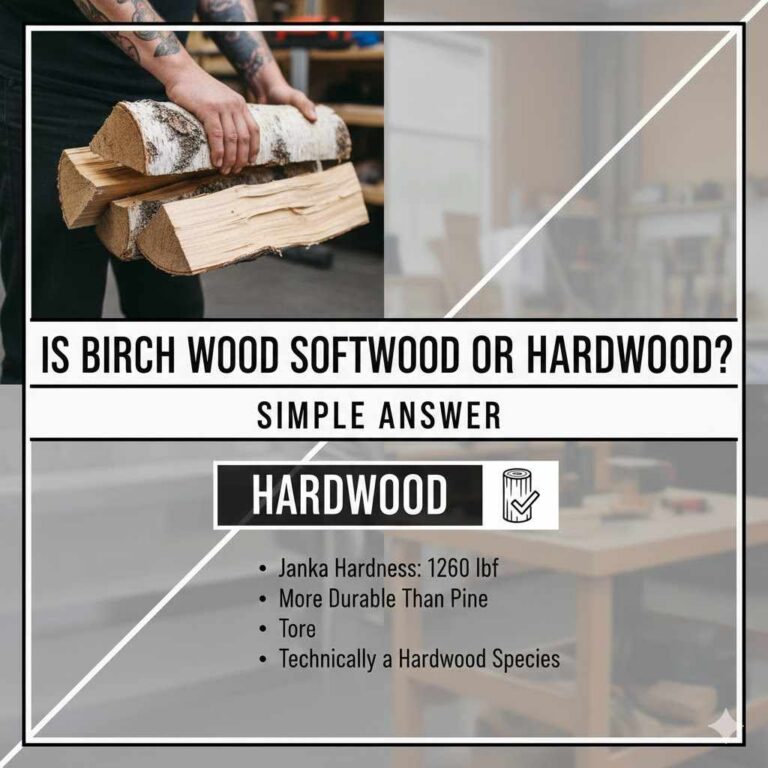
Birch plywood is denser and harder than poplar plywood. This means birch feels firmer and can handle more pressure. Poplar plywood is lighter and softer. It is easier to cut and shape but less strong under heavy loads.
Durability And Longevity
Birch plywood lasts longer due to its strength. It resists dents and scratches better. Poplar plywood wears out faster if used in tough conditions. It suits projects that do not need heavy durability.
Resistance To Moisture
Birch plywood has moderate resistance to moisture. It can handle some dampness but may warp if wet for long. Poplar plywood absorbs moisture more easily and can swell or deform. Both types need sealing for wet environments.

Strength Comparison
Comparing the strength of birch and poplar plywood helps in choosing the right wood for projects. Strength affects durability and safety. Understanding how each plywood performs under stress is important.
Load-bearing Capacity
Birch plywood has a higher load-bearing capacity than poplar. It can hold heavier weights without bending. This makes birch a good choice for furniture and flooring that supports weight.
Poplar plywood supports lighter loads. It works well for decorative panels and light construction. Its lower strength limits heavy use.
Impact Resistance
Birch plywood resists impacts better than poplar. It can absorb shocks without cracking easily. This quality helps in areas with frequent wear and tear.
Poplar plywood is less impact-resistant. It may dent or chip on hard impact. Use it in places with less physical stress.
Flexibility And Warping
Poplar plywood is more flexible than birch. It bends more easily without breaking. This flexibility suits curved designs and crafts.
Birch plywood is stiffer but less prone to warping. It stays flat under humidity changes. This stability is good for precise construction needs.
Cost Factors
Cost is a key factor when choosing between birch and poplar plywood. Different elements affect the final price buyers pay. Understanding these cost factors helps make smarter choices for projects and budgets.
Raw Material Prices
Birch wood is generally more expensive than poplar wood. Birch trees grow slower and are harder to harvest. Poplar grows quickly and is easier to source. These differences make birch plywood cost more at the start.
Manufacturing Expenses
Birch plywood requires more layers and precise handling. This increases labor and machine time. Poplar plywood is simpler to produce and uses fewer layers. Manufacturing costs for poplar plywood remain lower overall.
Market Availability
Poplar plywood is widely available in many markets. Its abundance keeps prices stable and affordable. Birch plywood is less common and sometimes harder to find. Limited supply can push birch plywood prices higher in some areas.
Applications
Birch and poplar plywood serve different purposes in various projects. Each type offers unique qualities that suit specific applications. Understanding their uses helps pick the right plywood for your needs.
Furniture Making
Birch plywood is strong and smooth, ideal for furniture. It holds screws well and resists warping. Poplar plywood is lighter and easier to cut. It works well for painted furniture and simple designs. Both types can create durable and attractive pieces.
Construction Uses
Birch plywood is often used in flooring and walls. Its strength supports heavy loads and pressure. Poplar plywood suits interior construction like paneling. It is less dense but still stable. Builders choose based on strength and cost requirements.
Decorative Purposes
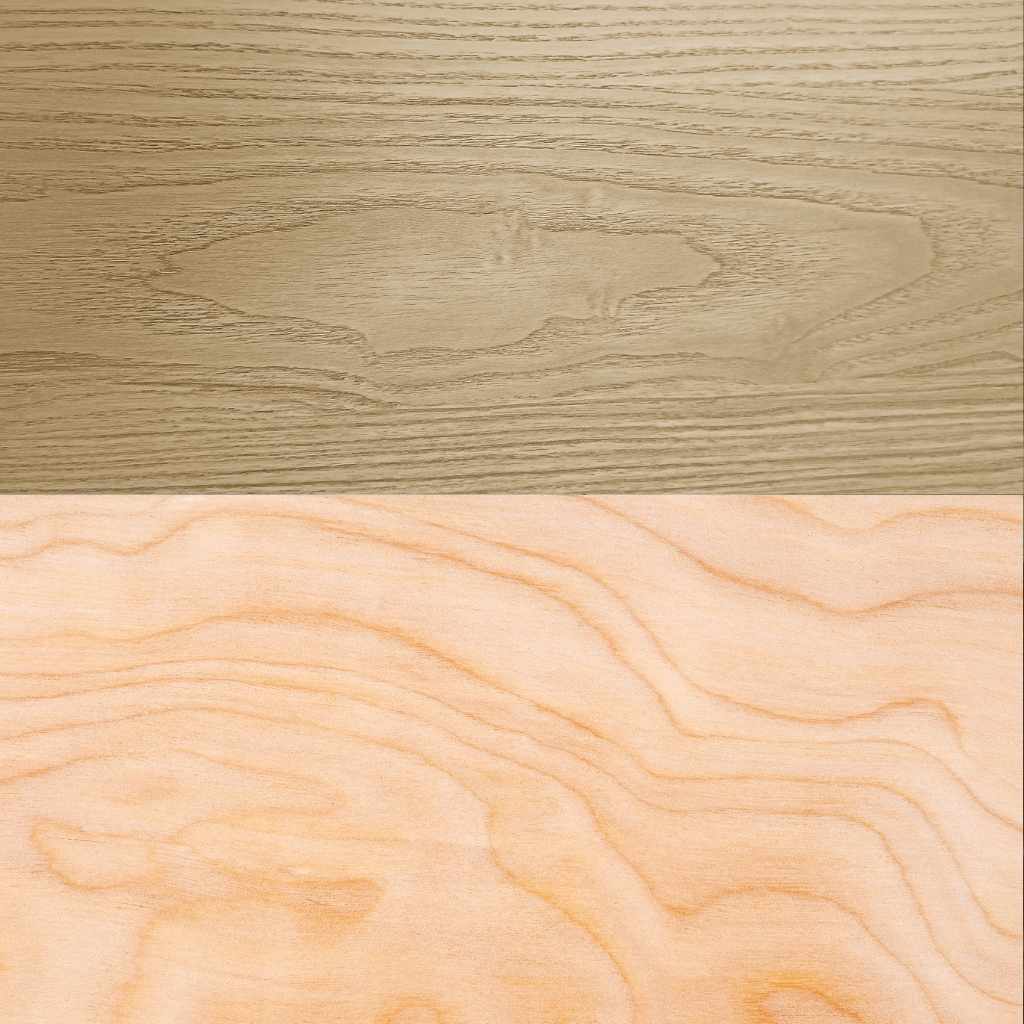
Birch plywood has a fine grain and light color. It is perfect for visible surfaces and veneers. Poplar plywood has a softer texture and is good for painting. Both add beauty to cabinets, shelves, and trim work. Choose based on the finish and look you want.
Environmental Impact
Choosing plywood affects the environment. Birch and poplar plywood have different impacts. Understanding these helps make better choices for the planet.
Sustainability
Birch trees grow slowly and need careful forest management. Poplar grows faster and can be harvested more often. Poplar plywood often comes from plantations designed to replace trees quickly. Birch plywood may come from forests with stricter rules to protect wildlife.
Carbon Footprint
Poplar plywood usually has a lower carbon footprint. It needs less energy to grow and harvest. Birch plywood requires more time and energy to produce. Transport also affects carbon output. Local sourcing reduces emissions for both types.
Recyclability
Both birch and poplar plywood can be recycled. They break down well in recycling plants. Removing glue and coatings helps recycle better. Using recycled plywood reduces waste and saves trees. Check local recycling rules to know what is accepted.
Maintenance And Care
Maintaining Birch and Poplar plywood helps keep their beauty and strength. Both types need proper care to last long. Simple habits protect the wood from damage and wear. Knowing the right steps improves the plywood’s life.
Cleaning Tips
Use a soft cloth to wipe the plywood surface. Avoid harsh chemicals that can harm the wood. Mild soap with water works well for regular cleaning. Dry the surface quickly to prevent moisture damage. Clean spills immediately to stop stains from setting.
Repair And Refinishing
Small scratches on Birch and Poplar plywood can be fixed easily. Use wood filler for dents and holes. Sand the area lightly before applying finish. Refinish with a matching stain or sealant to restore the look. Always test refinishing products on a small spot first.
Longevity Enhancement
Keep plywood away from direct sunlight to avoid fading. Control indoor humidity to prevent warping and cracking. Use protective pads under heavy furniture on plywood floors. Regularly inspect for signs of damage or wear. Early care extends the life of both Birch and Poplar plywood.

Frequently Asked Questions
What Are The Main Differences Between Birch And Poplar Plywood?
Birch plywood is harder and more durable, ideal for furniture and cabinetry. Poplar plywood is lighter, softer, and easier to work with, suitable for decorative projects and lightweight applications.
Which Plywood Is Better For Furniture Making?
Birch plywood is better for furniture due to its strength and smooth finish. It holds nails and screws well and resists wear over time.
Is Poplar Plywood Suitable For Painting?
Yes, poplar plywood has a smooth surface that takes paint well. It’s often chosen for painted projects because it provides a clean, even finish.
How Does The Cost Of Birch Compare To Poplar Plywood?
Birch plywood is generally more expensive than poplar due to its durability and quality. Poplar plywood offers a budget-friendly option for less demanding applications.
Conclusion
Birch and poplar plywood each have their strengths. Birch is strong and smooth, good for furniture and cabinets. Poplar is lighter and easier to work with, ideal for crafts and light projects. Choosing depends on your project needs and budget.
Both types offer good value and versatility. Think about where and how you will use the plywood. This helps pick the right wood for your work. Quality materials make any project look better and last longer.