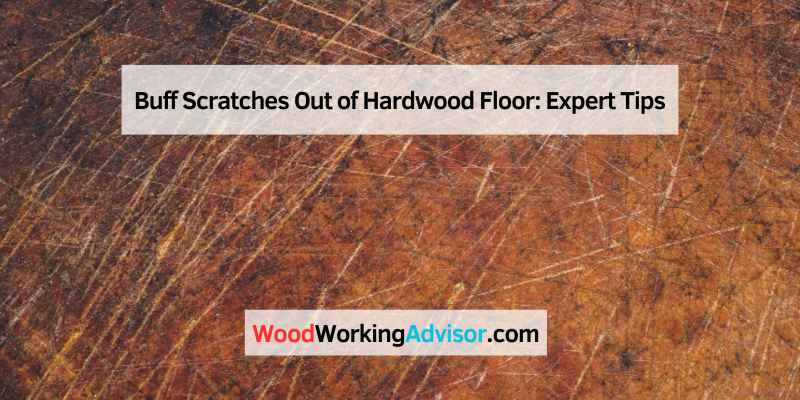
Buff Scratches Out of Hardwood Floor: Expert Tips
To buff scratches out of a hardwood floor, mix equal parts apple cider vinegar and olive oil, dab the mixture into the scratch, let it sit, then rub it out. You can also use a DIY solution of apple cider vinegar and olive oil, apply it to the scratch, let it sit, and then wipe it off.
Another method is to use fine-grit sandpaper to buff out minor damages or rub a raw walnut over the scratch. Hardwood floors add elegance and warmth to any home, but scratches can detract from their beauty. Whether it’s from furniture legs, pet claws, or high heels, scratches are an inevitable part of having hardwood floors.
However, they can be easily remedied with some simple techniques. We’ll explore various methods to effectively buff scratches out of hardwood floors and restore their natural luster.
Identify The Type Of Scratch
To effectively buff scratches out of hardwood floors, start by identifying the type of scratch you are dealing with. Whether it’s a minor scratch or a deep scuff mark, there are various methods you can use, such as using a DIY solution of apple cider vinegar and olive oil or rubbing a raw walnut over the scratch.
By following these techniques, you can restore the shine and beauty of your hardwood floors without the need for sanding.
Identifying The Type Of Scratch
When it comes to maintaining the beauty of your hardwood floors, scratches can be quite a nuisance. However, before you can effectively buff out those scratches, it’s important to first identify the type of scratch you are dealing with. This will help you determine the best approach for repairing the damage. In this section, we will explore how to assess scratch depth and distinguish between scuffs and scratches.
Assessing Scratch Depth
Assessing the depth of a scratch is crucial in determining the appropriate method for repair. To do this, follow these simple steps:
- Inspect the scratch closely: Look at the scratch from different angles and in different lighting to get a better understanding of its depth.
- Run your fingernail across the scratch: Gently run your fingernail across the surface of the scratch. If your nail catches on the scratch, it is likely a deeper, more significant scratch. If your nail glides smoothly over the scratch, it is likely a surface-level scratch.
By assessing the scratch depth, you can determine whether a simple buffing or a more intensive repair method is required.
Distinguishing Between Scuffs And Scratches
Scuffs and scratches may seem similar at first glance, but there are distinct differences between the two. Here’s how to distinguish between scuffs and scratches:
| Scuffs | Scratches |
|---|---|
| Typically surface-level marks | Can vary in depth, ranging from minor to deep |
| Easily removable with mild cleaning agents | May require more intensive repair methods |
| Often caused by rubber-soled shoes or furniture | Can be caused by sharp objects or heavy furniture |
By understanding the differences between scuffs and scratches, you can better address the specific issue and apply the appropriate repair technique.
Now that you know how to identify the type of scratch, you are one step closer to successfully buffing out those pesky scratches on your hardwood floors. In the next section, we will explore different methods for repairing and restoring your floors to their former glory.
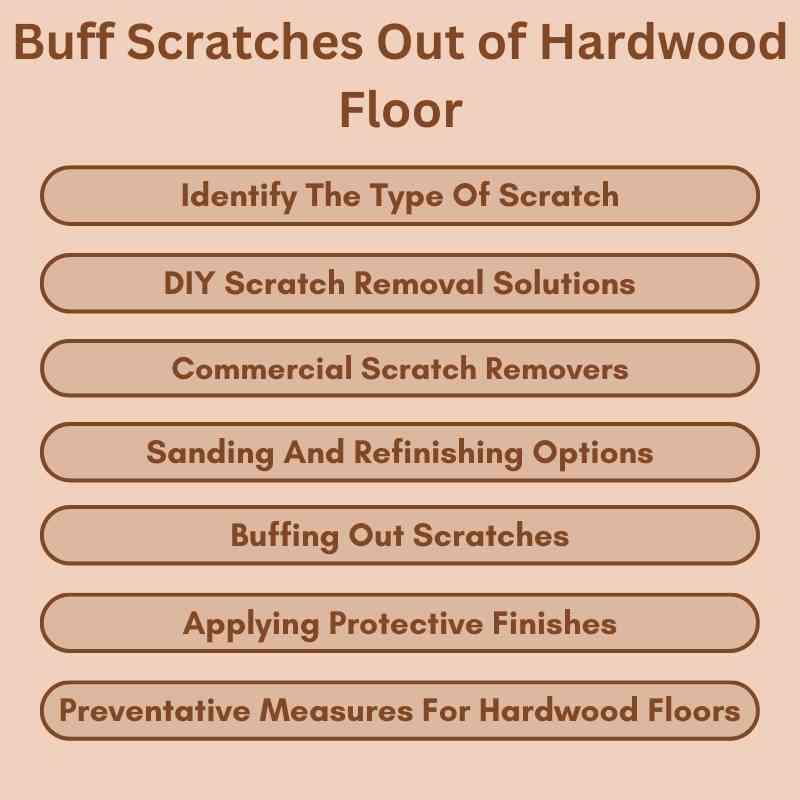
DIY Scratch Removal Solutions
Remove scratches from your hardwood floor with DIY solutions. Mix equal parts apple cider vinegar and olive oil, apply to the scratch, let it sit, and rub it out. For deeper scratches, use a paste of baking soda and water, rubbing along the grain of the wood.
Vinegar And Olive Oil Method
If you’re looking for a DIY solution to remove scratches from your hardwood floor, the vinegar and olive oil method can be a great option. This simple and natural solution can help to minimize the appearance of minor scratches and restore the shine to your floor.
To use this method, you’ll need equal parts apple cider vinegar and olive oil. Mix them together in a small cup or bowl. Then, using a clean cloth or sponge, dab the mixture onto the scratch. Let it sit for the rest of the day to allow the solution to penetrate the scratch.
Afterward, take a clean cloth and rub the scratch in a circular motion. The vinegar and olive oil mixture will help to buff out the scratch and blend it with the surrounding area. Keep rubbing until the scratch is no longer visible.
This method is most effective for minor scratches on your hardwood floor. However, for deeper scratches, you may need to explore other solutions.
Using Walnuts Or Almonds
If you have walnuts or almonds handy, you can use them to remove scratches from your hardwood floor. These nuts contain natural oils that can help to mask and repair minor scratches.
To use this method, take a raw walnut or almond and rub it over the scratch. The natural oils from the nut will fill in the scratch and help to blend it with the surrounding area. Keep rubbing until the scratch is no longer visible.
Afterward, wipe away any residue with a clean cloth. You may also want to apply a layer of wood wax or polish to restore shine and protect the repaired area.
It’s important to note that this method works best for shallow scratches. Deeper scratches may require additional steps or professional assistance to repair.
Overall, these DIY scratch removal solutions can be effective in minimizing the appearance of scratches on your hardwood floor. However, it’s important to assess the severity of the scratches and choose the appropriate method accordingly. Remember to always test any solution on a small, inconspicuous area of your floor before applying it to the entire scratch. With a little effort and the right approach, you can restore the beauty of your hardwood floor and enjoy its timeless appeal for years to come.
Commercial Scratch Removers
When it comes to removing scratches from hardwood floors, commercial scratch removers can be a convenient and effective solution. These products are specially formulated to address different types of scratches and blemishes, restoring the floor’s original beauty.
Selecting The Right Product
Before using a commercial scratch remover, it’s essential to select the right product for your specific hardwood flooring. Consider factors such as the type of wood and the depth of the scratches to ensure you choose a suitable remedy. Look for products that are designed for your specific type of hardwood to achieve the best results.
Application Techniques
When applying a commercial scratch remover, follow the manufacturer’s instructions carefully to achieve optimal results. Ensure that the area is clean and dry before application. Apply the product using a soft cloth, following the grain of the wood to effectively fill in the scratches. Remember to buff the treated area to restore the shine and seamlessly blend the repaired spots with the rest of the floor.
Sanding And Refinishing Options
Buff scratches out of hardwood floor using a DIY solution of apple cider vinegar and olive oil. Apply the mixture to the scratch, let it sit for a few minutes, then wipe it off. Finish by rubbing a wax stick over the scratch and buffing it to restore shine to the floor.
When To Sand
Sanding is a useful technique for removing scratches from hardwood floors that cannot be fixed with other methods. If the scratches are deep and cover a large area of the floor, then sanding may be the best option. However, sanding should only be done if the scratches are severe enough to require it, as it can be a time-consuming and costly process.
Choosing Sandpaper Grit
When sanding hardwood floors, choosing the right sandpaper grit is crucial. The grit of the sandpaper determines how much material will be removed from the floor, so it is important to choose the right grit to avoid damaging the wood. For minor scratches, a fine-grit sandpaper (such as 120 grit) is recommended, while deeper scratches may require a coarser grit (such as 60 grit) to remove the damaged layer of wood.
If you are unsure about which sandpaper grit to use, it is best to start with a finer grit and work your way up as needed. Always test the sandpaper on a small, inconspicuous area of the floor before using it on the entire floor.
Refinishing The Floor
After sanding the hardwood floor to remove scratches, it is important to refinish the floor to restore its appearance and protect it from future damage. Refinishing involves applying a new layer of stain and/or protective coating to the floor.
Before refinishing, make sure the floor is clean and free of dust and debris. Apply the stain and/or protective coating according to the manufacturer’s instructions, and allow it to dry completely before walking on the floor.
In conclusion, sanding and refinishing are effective options for buffing scratches out of hardwood floors. When sanding, it is important to choose the right sandpaper grit and to test it on a small area of the floor before proceeding. Refinishing the floor after sanding will restore its appearance and protect it from future damage.
Buffing Out Scratches
Hardwood floors add warmth, beauty, and value to any home. However, they can be easily scratched by furniture, pets, and everyday wear and tear. Fortunately, buffing out scratches is a simple and cost-effective way to restore the beauty of your hardwood floors. In this article, we will discuss manual buffing techniques and using an electric buffer to remove scratches from hardwood floors.
Manual Buffing Techniques
One way to buff out scratches from hardwood floors is to use manual buffing techniques. Here are the steps:
- Survey the damage and identify the scratches that need to be buffed out.
- Use a fine-grit sandpaper to buff out minor damages.
- Apply a thin layer of coconut oil to the scratched area.
- Use a soft cloth to buff the area in a circular motion.
- Repeat the process until the scratches are no longer visible.
Using An Electric Buffer
Another way to buff out scratches from hardwood floors is to use an electric buffer. Here are the steps:
- Rent an electric buffer from a local hardware store.
- Attach a buffing pad to the buffer.
- Apply a small amount of hardwood floor wax to the buffing pad.
- Buff the scratched area in a circular motion, starting at the edges and working your way towards the center.
- Repeat the process until the scratches are no longer visible.
Buffing out scratches from hardwood floors is an easy and cost-effective way to restore their beauty. Whether you choose manual buffing techniques or an electric buffer, the results will be worth it. With a little effort and patience, your hardwood floors can look as good as new!
Applying Protective Finishes
To buff scratches out of hardwood floors, mix equal parts apple cider vinegar and olive oil and apply it to the scratch. Let it sit for the day and then rub it out. For deeper scratches, create a paste using baking soda and water, and rub it over the mark in the direction of the wood grain.
Another option is to use fine-grit sandpaper or rub a raw walnut or coconut oil over the scratch. To protect your floors, you can also buff them with a waxing machine or by hand.
Types Of Finishes
There are various types of protective finishes available in the market, each with its own set of advantages and disadvantages. Some of the most popular finishes include polyurethane, wax, oil, and shellac.
Polyurethane is a highly durable finish that provides excellent protection against scratches, moisture, and UV rays. It is available in both water-based and oil-based formulations.
Wax finish, on the other hand, provides a more natural look to the hardwood floor. It is easy to apply and can be buffed to a high shine. However, it may require frequent reapplication and is not as durable as polyurethane.
Oil finish is another popular choice that penetrates deep into the wood fibers, providing excellent protection against scratches and moisture. It also enhances the natural beauty of the wood, giving it a warm and rich appearance.
Shellac is a traditional finish that has been used for centuries. It provides a high-gloss finish and excellent protection against scratches and moisture. However, it may require frequent reapplication and is not as durable as polyurethane.
Step-by-step Application Process
Before applying the protective finish, it is important to clean the hardwood floor thoroughly. Remove all dust and debris using a vacuum cleaner or a soft-bristled broom.
Next, apply a thin coat of the protective finish using a brush or a roller. Make sure to follow the manufacturer’s instructions regarding the application process.
Allow the first coat to dry completely before applying a second coat. Depending on the type of finish, you may need to apply multiple coats to achieve the desired level of protection.
Once the final coat is applied, allow it to dry completely before walking on the hardwood floor. It is important to avoid placing any furniture or heavy objects on the floor for at least 24 hours after the final coat is applied.
In conclusion, applying a protective finish is an essential step in maintaining the beauty and longevity of your hardwood floor. By choosing the right type of finish and following the proper application process, you can ensure that your hardwood floor remains scratch-free and protected for years to come.
Preventative Measures For Hardwood Floors
To buff scratches out of hardwood floors, mix equal parts apple cider vinegar and olive oil, dab the mixture into the scratch, let it sit, and then rub it out. For deep scratches, use a DIY solution of apple cider vinegar and olive oil, let it sit, then apply wax and buff it to restore shine and smoothness to the floor.
Regular Maintenance Tips
Maintaining the beauty and longevity of your hardwood floors requires regular maintenance. Sweep or vacuum your floors daily to remove dirt and debris that can cause scratches. Use a soft-bristled broom or a vacuum cleaner with a hardwood floor attachment. Avoid using a beater bar or rotating brush on your vacuum, as it can cause scratches on your floors.
Protecting Floors From Furniture
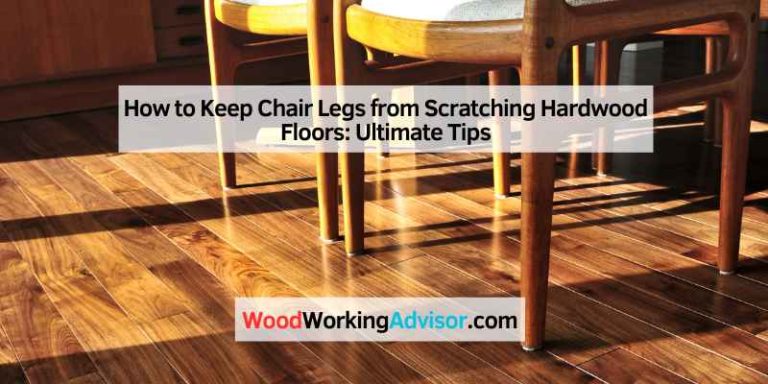
Furniture can cause scratches and scuffs on your hardwood floors. To prevent this, use felt pads or furniture glides under the legs of your furniture. These pads and glides will help prevent scratches and scuffs caused by furniture movement. When moving furniture, lift it instead of dragging it across the floor. This will help prevent scratches and damage to your floors.
Other Preventative Measures
Other preventative measures to protect your hardwood floors include using area rugs in high traffic areas and avoiding wearing high heels or shoes with hard soles on your floors. Additionally, avoid dragging heavy objects such as furniture or appliances across your floors.
By following these preventative measures, you can help maintain the beauty and longevity of your hardwood floors for years to come.
When To Call A Professional
To restore scratches on a hardwood floor, consider calling a professional if the damage is extensive or if DIY methods are unsuccessful. Professional floor refinishing services can effectively buff out scratches and restore the floor to its original condition with professional-grade equipment and expertise.
If you’ve attempted DIY methods and still can’t get rid of the scratches on your hardwood floor, it’s time to consider professional help. Professional floor repair services have the expertise and tools to handle more challenging scratches and damages. Here’s when you should recognize the limits of DIY and find trusted floor repair services.
Recognizing the Limits of DIY
Attempting DIY fixes can be effective for minor scratches, but some damages require professional intervention. Here are signs that indicate it’s time to call a professional:
– Deep and extensive scratches that DIY methods can’t resolve
– Structural damages to the floor that may require repair or replacement
– Unsuccessful attempts at DIY fixes that have made the situation worse
Finding Trusted Floor Repair Services
When seeking professional help for your hardwood floor scratches, it’s crucial to find a reputable and trusted floor repair service. Consider the following when looking for a professional:
– Look for certified and experienced floor repair specialists
– Check for customer reviews and testimonials to gauge their reputation
– Inquire about their repair methods and the tools they use to ensure quality workmanship
In conclusion, recognizing when to seek professional help for hardwood floor scratches is essential to ensure the longevity and beauty of your flooring. When DIY methods fall short, finding trusted floor repair services can effectively restore your hardwood floor to its former glory.
Frequently Asked Questions
Can Scratches Be Buffed Out Of Hardwood Floors?
Yes, scratches can be buffed out of hardwood floors. One method is to mix equal parts apple cider vinegar and olive oil, dab the mixture onto the scratch, and rub it out. This technique is effective for minor scratches. Another option is to use a DIY solution of apple cider vinegar and olive oil, let it sit on the scratch for a few minutes, then wipe it off.
Finally, you can buff hardwood floors by hand or use an electric buffing machine to work wax into the wood and provide a protective layer.
How Do You Get Deep Scratches Out Of Hardwood Floors Without Sanding?
To remove deep scratches from hardwood floors without sanding, use a DIY solution of apple cider vinegar and olive oil. Mix and apply to the scratch, let it sit, then wipe off. Rub a wax stick over the scratch, buff it to smooth and restore shine.
Can Hardwood Floors Be Buffed?
Yes, hardwood floors can be buffed. To remove scratches, you can mix equal parts apple cider vinegar and olive oil, apply it to the scratch, and rub it out. For deep scratches, you can use a DIY solution of apple cider vinegar and olive oil, let it sit for a few minutes, and then buff the wax to smooth it out.
It may be easier to rent an electric buffing machine to work the wax into the hardwood and provide a protective layer.
How Do You Get Deep Scuff Marks Off Hardwood Floors?
To remove deep scuff marks from hardwood floors, create a paste by mixing baking soda and water. Apply the paste to the scuff mark and rub it gently with a cloth or toothbrush, following the wood grain. For minor scratches, you can also use a DIY solution of apple cider vinegar and olive oil.
Make sure to buff the area afterwards to restore shine.
Conclusion
Removing scratches from hardwood floors can be a simple and cost-effective process. By using a DIY solution of apple cider vinegar and olive oil, you can easily buff out minor scratches. Additionally, using fine-grit sandpaper or rubbing a raw walnut over the scratch can also help restore the appearance of your hardwood floors.
Remember to always rub along the grain of the wood and use a soft cloth to buff the area. With these easy methods, you can keep your hardwood floors looking their best.