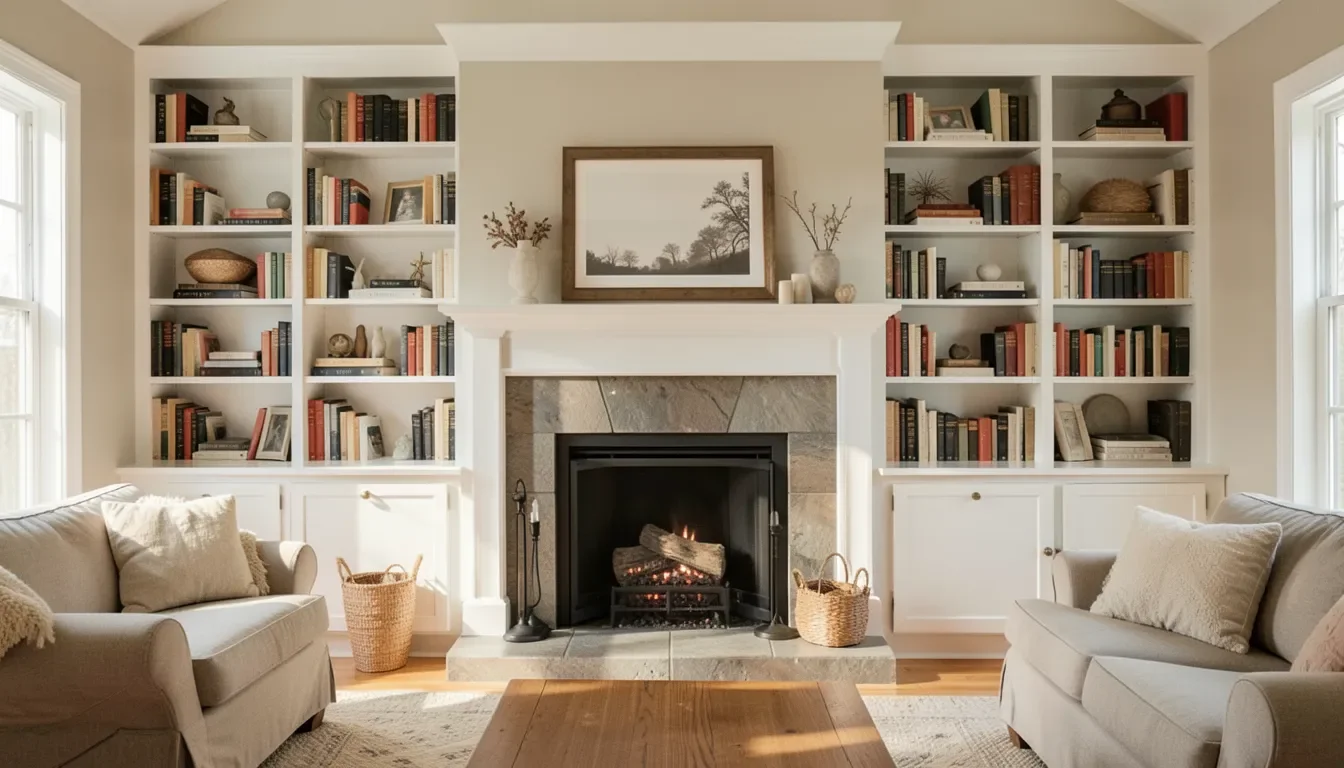
Built In Bookshelves Design Ideas You Will Absolutely Love
Sometimes, your home just needs that special touch. You might look around and feel like something is missing. Maybe your favorite books don’t have a proper home.
Or perhaps you have empty wall space that feels… lonely. That’s where built-in bookshelves come in. They can totally change a room.
They add style and purpose. Plus, they keep things tidy. Let’s dive into how you can make them work for your home.
Built-in bookshelves are custom-fitted shelves installed directly into a wall. They offer a seamless, integrated look. They maximize space and add a touch of elegance or modern flair to any room.
Think of them as furniture that’s part of your house.
What Are Built-In Bookshelves?
For The Integrated-Glow Look
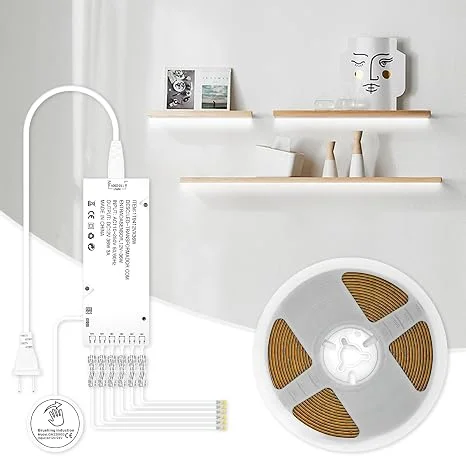 |
CUBITOR Under-Cabinet COB LED Strip Kit, 16.4ft The soft, even edge-lit glow that makes a built-in wall look professionally finished, without hiring an electrician for hardwired recessed lighting.
|
Built-in bookshelves are shelves that are made to fit a specific space in your home. They are not freestanding furniture. Instead, they are built into the walls themselves.
This means they look like they belong there from the start. They become a permanent feature of your room. Think of them as a part of your house’s architecture.
The main idea is to make the most of your space. Freestanding shelves can sometimes look clunky. They also take up floor space.
Built-ins use the vertical space you already have. They fit snugly against the wall. This gives a clean and polished look.
It feels very intentional and well-designed.
Builders can install them during construction. Or, you can add them later to an existing room. They can be made from many materials.
Wood is very common. But you can also find them made from MDF or other composites. The finish can be painted or stained.
This lets you match them to your existing decor.
Why Are Built-In Bookshelves So Popular?
People love built-in bookshelves for many reasons. One big reason is how they look. They make a room feel more finished.
They give a sense of order and style. You don’t see the edges where the shelf ends and the wall begins. It’s all one smooth unit.
This clean look is very appealing.
Another reason is functionality. They offer a lot of storage. You can store books, of course.
But you can also display photos, art, or collectibles. They can be designed with cabinets or drawers at the bottom. This adds even more storage for things you don’t want to see.
It’s a great way to hide clutter.
They also add value to your home. A well-designed built-in feature can make a house more attractive to buyers. It shows good craftsmanship.
It’s a sign of thoughtful design. So, it’s an investment that can pay off. It’s not just about looks; it’s about smart use of space and home improvement.
Finally, they can really boost a room’s character. A wall of built-in shelves can become a focal point. It adds warmth and personality.
It makes your home feel more unique. You can tailor them to your specific needs and tastes. This makes them feel very personal and special.
Built-In Bookshelf Styles
Classic: Often made of wood, painted or stained. Usually features simple moldings and a timeless design. Great for traditional or transitional homes.
Modern: Clean lines, often with minimalist hardware. May incorporate materials like metal or glass. Can be frameless for a very sleek look.
Floating: Shelves appear to float on the wall with no visible support. Offers a very airy and contemporary feel.
Corner Units: Designed to fit neatly into room corners, making use of often-wasted space.
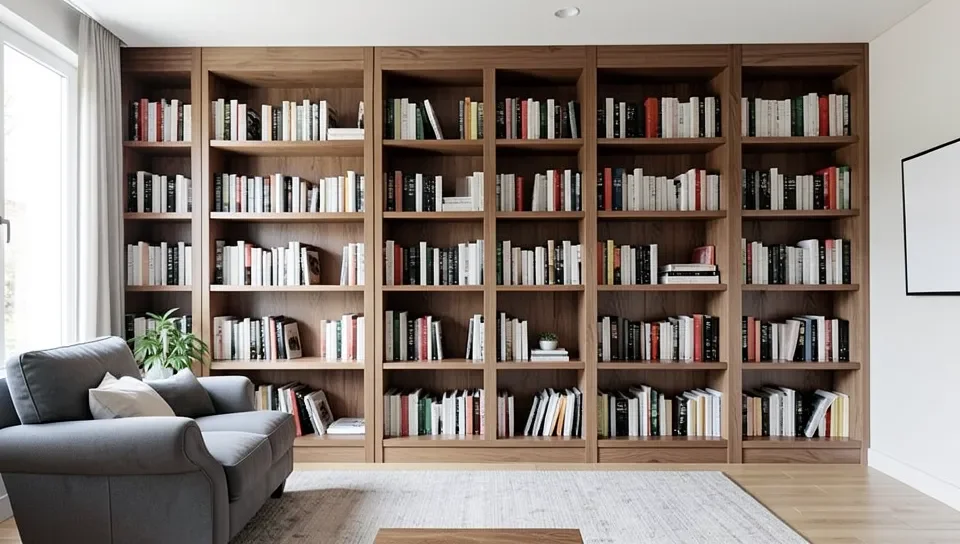
Full Wall Unit: Shelves cover an entire wall, floor to ceiling. Creates a dramatic statement and maximizes storage.
Designing Your Built-In Bookshelves
When you think about designing your own built-in bookshelves, there are a few things to consider. First, where will they go? Think about the room.
What is the main purpose of the room? Is it a living room, a den, or an office?
Consider the existing architecture. Do you have a fireplace? A bay window?
Built-ins can work around these features beautifully. They can frame a fireplace or a window. This makes the room feel cohesive.
It looks like it was planned that way from the start.
What kind of style do you like? Do you prefer something classic and elegant? Or maybe something more modern and sleek?
The style of your shelves should match your home’s overall design. This is important for a unified look.
Think about the depth of the shelves. Standard books are about 8-10 inches deep. So, shelves that are 10-12 inches deep are usually good.
If you have very large art books or display items, you might need deeper shelves.
The height of the shelves matters too. Floor-to-ceiling shelves can make a room feel grander. Shorter shelves might feel less imposing.
It depends on the room’s size and your personal preference.
Materials and Finishes
The materials you choose for your built-in bookshelves will impact their look and cost. Wood is a popular choice. It’s durable and looks beautiful.
You can get solid wood like oak, maple, or cherry. These are pricier but offer a rich, natural look.
Many people opt for MDF (Medium-Density Fiberboard) or plywood. These are more budget-friendly. They are also very stable and smooth.
They are perfect for painting. When painted, they can look just as good as solid wood.
The finish is just as important as the material. You can stain wood to bring out its natural grain. This gives a warm, classic feel.
Or, you can paint the shelves. White paint is very popular. It makes the books and decor pop.
It also makes the room feel brighter.
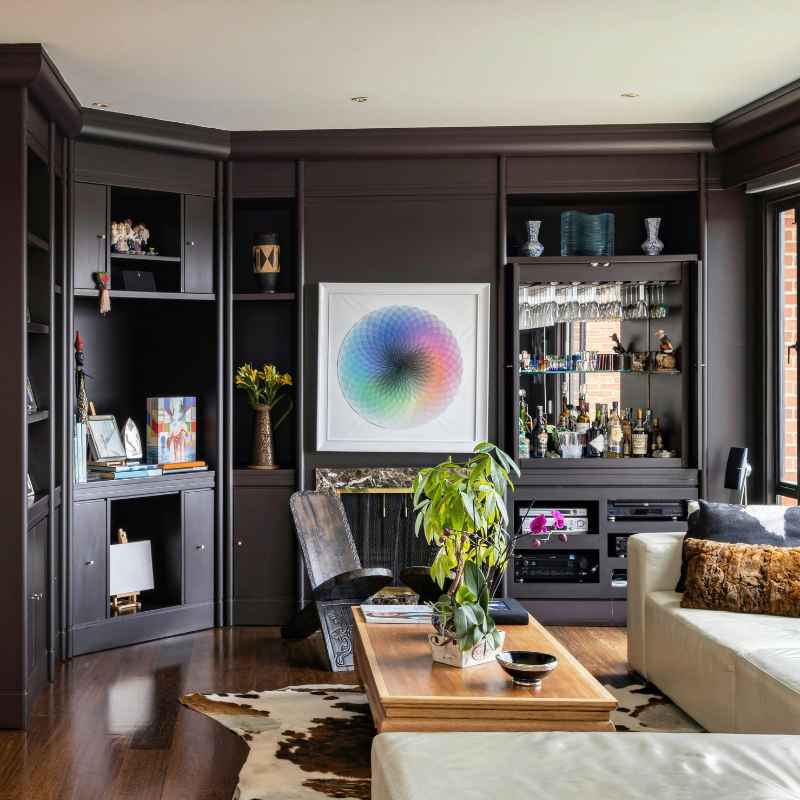
Darker paint colors, like navy or charcoal gray, can create a dramatic look. This works well in studies or dens. You can also choose to paint the back of the shelves a different color.
This adds a subtle pop of interest.
Hardware is another detail. If your shelves include drawers or cabinets, you’ll need pulls or knobs. Choose hardware that matches your style.
Simple, brushed nickel pulls for modern shelves. Or ornate brass knobs for a more traditional look.
Quick Scan: Shelf Depth vs. Book Size
| Book Type | Typical Depth (inches) | Recommended Shelf Depth (inches) |
|---|---|---|
| Paperbacks | 1-2 | 8 |
| Standard Hardcovers | 2-4 | 10 |
| Large Art Books / Folios | 4-6+ | 12-14+ |
Lighting Your Built-In Bookshelves
Lighting is super important for built-in bookshelves. It’s not just about seeing your books. Good lighting makes the shelves look amazing.
It adds ambiance to the room. You have a few options here.
Recessed lighting can be installed above the shelves. These small lights shine down. They can highlight the books and decor.
You can aim them to avoid glare on book spines. LED lights are energy-efficient and come in various colors.
Integrated LED strips are a very popular modern choice. These thin strips are hidden along the front edge of each shelf. They cast a soft, even light downwards.
This creates a beautiful glow. It looks very professional and sophisticated.
You can also add small task lights. These are like tiny spotlights. They can be directed precisely where you need them.
They are great for reading in that corner. Or for highlighting a special item on a shelf.
Don’t forget about dimmers. A dimmer switch lets you control the brightness. You can set the mood.
Bright light for reading. Or soft light for relaxing. This flexibility is key.
Consider the color of the light. Warm white light (around 2700K) is cozy. It’s great for living areas.
Cool white light (around 4000K) is brighter. It can be good for offices where you need to focus.
Built-In Bookshelves in Different Rooms
Built-in bookshelves are not just for living rooms or studies. They can work in many places in your home. Think about the entryway.
A set of shallow shelves could hold keys, mail, and a small plant. This keeps the entry tidy.
In the bedroom, they can flank a bed. This creates a cozy reading nook. You can store bedside essentials there.
Or use them to display art and photos. It makes the bedroom feel more personal.
Kitchens can benefit too. Open shelving can display pretty dishes or cookbooks. This adds character.
It makes the kitchen feel more lived-in and welcoming. Just be mindful of grease and dust in a kitchen environment.
Bathrooms might seem unusual, but think about storage. Small shelves can hold towels, soaps, or decorative items. Just make sure the materials are moisture-resistant.
A bathroom is a great place for a bit of luxury.
Nurseries and kids’ rooms are perfect for built-ins. They offer safe, accessible storage for toys and books. Floor-to-ceiling shelves can grow with your child.
You can arrange them at different heights. This makes things easy to reach.
Style Spotlight: The Modern Built-In
Keywords: Clean lines, minimalist, geometric shapes, sleek finishes, frameless appearance, integrated lighting, neutral colors (white, black, gray).
Materials: High-gloss lacquer, wood veneers, metal accents, smooth MDF.
Feeling: Sophisticated, uncluttered, airy, intentional.
Best For: Contemporary homes, open-plan living spaces, minimalist aesthetics.
Key Features: Often features hidden hardware, flush doors, and very precise joinery. Can incorporate open shelving with closed storage seamlessly.
Incorporating Other Elements
Built-in bookshelves don’t have to be just shelves. You can add other features to make them more functional and beautiful. Cabinets or drawers at the bottom are a great idea.
They provide hidden storage. You can keep blankets, games, or electronics out of sight.
Consider adding a desk or a seating area. If you have a large nook, you could build a small desk into it. Or a window seat with shelves above.
This creates a multi-functional space. It’s perfect for small homes or apartments.
You can also incorporate decorative elements. Think about accent paint on the back of the shelves. Or wallpaper.
This adds a pop of color or pattern. It can really make your items stand out.
Carved moldings or trim can add a touch of old-world charm. This works well for traditional or Victorian styles. For a more modern look, keep the lines very straight and simple.
Don’t forget about the top of the shelves. You can add a crown molding. Or keep it simple with a straight edge.
This small detail can change the overall feel.
The “Library Wall” Effect
One of the most impactful ways to use built-in bookshelves is to create a “library wall.” This is when shelves cover an entire wall, from floor to ceiling. It transforms a regular room into a dramatic statement piece.
This design is perfect for home offices. It gives you a huge amount of storage for books and files. It also creates a very professional and cultured atmosphere.
Imagine a Zoom call with a wall of books behind you!
In a living room, a library wall can be a cozy haven. It invites you to curl up with a good book. You can add a comfortable armchair and a floor lamp.
It becomes your personal retreat.
The key to a successful library wall is thoughtful design. Ensure the shelves are well-proportioned. Consider how the books will be arranged.
Mixing different sizes of books can create visual interest. Don’t be afraid to add decorative objects.
Lighting is crucial here. You need enough light to see your books. But you also want to create a warm atmosphere.
Integrated LED strips are excellent for this. They provide a soft, even glow across the entire wall.
Contrast Matrix: Bookshelf Placement
Myth: Built-in bookshelves are only for studies.
Reality: Built-in bookshelves are highly versatile. They can enhance entryways, bedrooms, kitchens, and even bathrooms by providing stylish, integrated storage and display space.
Myth: You need a huge house for built-ins.
Reality: Built-ins are excellent space savers. They maximize vertical space and can make smaller rooms feel larger and more organized.
Myth: Built-ins are too formal for casual homes.
Reality: While some built-ins are formal, many can be designed with casual, rustic, or modern aesthetics to fit any home’s style.
Cost Considerations
The cost of built-in bookshelves can vary a lot. It depends on many factors. The size of the shelves is a big one.
Obviously, a full wall of shelves will cost more than a small unit.
The materials you choose also impact the price. Solid hardwood is more expensive than MDF or plywood. The complexity of the design plays a role.
Intricate moldings or custom features will add to the cost.
Who installs them matters too. Hiring a professional carpenter or contractor will be more expensive. But it ensures quality work.
Doing it yourself might save money if you have the skills and tools. But it can be time-consuming.
Think about the finish. Painting is usually less expensive than staining. If you want custom stain colors or special finishes, that adds cost.
Lighting is also an extra expense.
As a rough estimate, you might expect to pay anywhere from $1,000 to $5,000 or more for custom built-in bookshelves. Smaller units might be a few hundred dollars. Large, elaborate wall units could easily go into the tens of thousands.
It’s always a good idea to get several quotes from different professionals. This helps you compare prices and services. Don’t just go for the cheapest option.
Look for someone with good reviews and a portfolio you like.
DIY vs. Professional Installation
Deciding whether to DIY or hire a pro is a big choice. If you’re comfortable with woodworking, tools, and precision measurements, you might be able to tackle a DIY project. You’ll need to plan carefully.
Get the right materials. And be patient.
There are many online tutorials and plans available. These can guide you through the process. However, DIY built-ins require skill.
Getting the measurements exact is critical. Ensuring they are level and securely attached to the wall is also important for safety.
Hiring a professional offers several advantages. They have the experience and tools to do the job right. They can offer design advice.
They will ensure the installation is safe and secure. The finish will likely be more polished.
A professional can also help you navigate building codes and permits if needed. This is especially true for larger installations. For most people, hiring a professional is the best route for a high-quality, lasting result.
Maintenance and Care
Built-in bookshelves, like most things, need a little care. Regular dusting is important. Use a soft cloth or a feather duster.
This prevents dust from building up. Especially on painted surfaces.
If you have wooden shelves, you might want to wax them occasionally. This keeps the wood looking rich and protected. Follow the manufacturer’s recommendations for any wood finishes.
For painted shelves, you can wipe them down with a damp cloth. If there are stubborn marks, use a mild soap. Be sure to dry them thoroughly afterward.
Avoid harsh chemicals or abrasive cleaners. These can damage the finish.
Check the shelves periodically for any signs of wear and tear. Make sure they are still securely attached to the wall. If you notice any loose screws or sagging, address it promptly.
If you have integrated lighting, check the bulbs. Replace them as needed. Most LED systems are very long-lasting.
Observational Flow: From Empty Wall to Book Haven
Step 1: Vision. You see a blank wall and dream of shelves.
Step 2: Measure. Carefully measure the space. Note any outlets or windows.
Step 3: Design. Sketch out your idea. Decide on style, depth, and height.
Step 4: Materials. Choose wood, MDF, or other materials. Pick your paint or stain.
Step 5: Build/Install. This is where the magic happens. Either you build or a pro does.
Step 6: Finish. Paint, stain, add hardware. Install lighting if desired.
Step 7: Style. Arrange your books and decor. Enjoy your new space!
When Built-Ins Are Not the Best Option
While built-in bookshelves are wonderful, they aren’t always the perfect solution. If you move frequently, built-ins are a permanent fixture. You can’t take them with you.
This might make them a poor investment for renters or those planning to move soon.
If your budget is very tight, custom built-ins can be expensive. There are other, more affordable shelving options. Freestanding bookcases or modular shelving units can be a good alternative.
If you need extreme flexibility, built-ins are not ideal. You can’t easily reconfigure them. If your needs change often, a modular system might be better.
You can add to it or rearrange it as needed.
Also, if your home has very specific structural issues, installing built-ins might be complicated or impossible. Always consult with professionals if you have concerns about your home’s structure.
Sometimes, a very small space might feel overwhelmed by floor-to-ceiling built-ins. In such cases, a smaller, more open shelving unit might be better. It allows the room to feel more spacious.
What This Means for You
If you’re looking to add character, function, and value to your home, built-in bookshelves are a fantastic option. They transform plain walls into beautiful, useful features. They offer endless possibilities for customization.
From sleek modern designs to cozy traditional libraries, there’s a style for everyone.
Consider the room you want to enhance. Think about your personal style. And how you want to use the space.
Whether you’re an avid reader with a vast collection or someone who likes to display art and photos, built-ins can meet your needs.
Even if you’re not planning a major renovation, a smaller built-in unit can make a big impact. It can be as simple as framing a window or creating a small reading nook. The key is to integrate them thoughtfully into your home’s design.
If you’re considering built-ins, start by browsing inspiration photos. Talk to designers or carpenters. Get a feel for what’s possible within your budget.
The result can be a stunning, functional feature that you’ll love for years to come.
Quick Fixes and Tips for Bookshelf Styling
Once your built-in bookshelves are installed, the fun begins: styling them! Here are some tips to make your shelves look amazing:
- Vary Book Placement: Don’t just place all books spine-out. Turn some books front-cover-up. Stack some horizontally. This adds visual interest.
- Mix in Decor: Bookshelves are not just for books. Add plants, framed photos, sculptures, or small art pieces. These break up the monotony of books.
- Group by Color: For a very modern look, you can arrange books by spine color. This creates a rainbow effect.
- Leave Some Space: Don’t fill every single inch. Negative space is important. It allows your items to breathe and stand out.
- Use Bookends: Stylish bookends can add a decorative touch. They also keep books from falling over.
- Consider Height: Place taller items on lower or middle shelves. Smaller items can go on higher shelves.
- Layer Items: Place a smaller item in front of a larger one. This creates depth and dimension.
- Lighting is Key: Ensure your lighting is working. It makes a huge difference in how the shelves look.
Frequently Asked Questions
Are built-in bookshelves expensive?
The cost of built-in bookshelves varies greatly. Factors include size, materials, design complexity, and whether you hire a professional. Simple units might cost a few hundred dollars, while custom, floor-to-ceiling installations can cost several thousand dollars or more.
What is the best material for built-in bookshelves?
Popular choices include solid wood (oak, maple, cherry) for durability and natural beauty, or MDF and plywood for a more budget-friendly option that paints well. The best material depends on your budget, desired look, and how you plan to finish them.
How deep should built-in bookshelves be?
For standard books, shelves around 10 to 12 inches deep are usually sufficient. This allows most hardcover books to fit comfortably without sticking out. If you have larger art books or folios, you may need deeper shelves, up to 14 inches or more.
Can I put built-in bookshelves in any room?
Yes, built-in bookshelves can enhance almost any room, including living rooms, studies, bedrooms, entryways, and even kitchens or bathrooms. Their versatility allows them to add style and storage wherever they are placed.
How do I light built-in bookshelves?
Common lighting options include recessed lights above the shelves, integrated LED strips along the shelf edges for a modern glow, or small task lights. Dimmers are also recommended to control the mood and brightness.
Are built-in bookshelves good for small spaces?
Absolutely. Built-in bookshelves are excellent for small spaces because they utilize vertical wall space efficiently, maximizing storage without taking up valuable floor area. They can make a small room feel more organized and intentional.
Conclusion
Built-in bookshelves are more than just storage. They are a statement. They add personality and style to your home.
They can solve storage problems beautifully. With careful planning and design, you can create a feature that you’ll admire for years. Consider them for your next home improvement project.
Sponsored / affiliate links. As an Amazon Associate I earn from qualifying purchases. I may earn additional commission from eligible campaigns.