18 Woodworking Projects for Adults, By Tool Tier
Good woodworking projects for adults use real joinery and finish quality worth keeping or gifting — not the glue-and-paint crafts built for a scout badge. The 18 builds below are grouped by tool tier, not by room or age: start with what a cordless drill can do, move up once a circular saw joins the shop, and finish with table-saw and router builds that produce furniture, not decor. Each entry lists the wood, joinery, real cost, and real build time, so you can pick a project that matches the tools already in your garage instead of buying a table saw for a $12 birdhouse.
Quick Answer
The best woodworking projects for adults match the tools you already own: a charcuterie board, wine rack, or caddy needs only a drill; a headboard, wall-art panel, or bar cart adds a circular saw; a mortise-and-tenon coffee table, valet box, or dining table needs a table saw or router. All 18 below use real joinery and finishes — not paint-and-glue kid crafts — so the result is furniture-grade, not a craft-fair item.
What Makes a Project Right for an Adult, Not a Kids’ Craft?

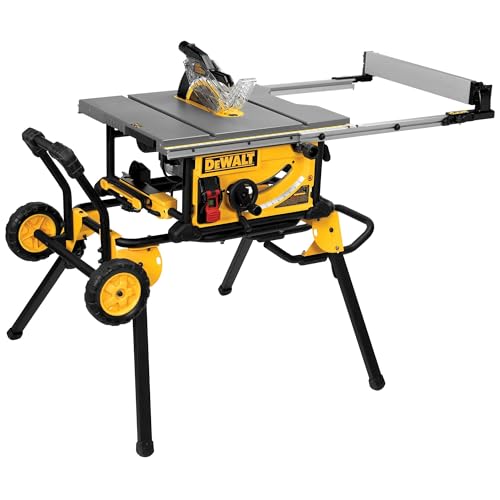
A project earns adult-grade status on three things: joinery (glued and mechanically fastened, not just nailed or glued flat), finish (sanded through the grits and sealed with an actual wood finish, not craft paint), and function (it holds weight, gets used daily, or is worth giving as a gift). A painted birdhouse or a popsicle-stick frame fails all three — it’s decorative, unfinished past one coat, and disposable. A cutting board glued from hardwood strips, sanded to 220 grit, and sealed with food-safe oil passes all three, even though it’s a beginner build.
That’s why tool tier, not difficulty rating, drives the list below. A Tier 1 project can still be furniture-grade — it just doesn’t need a table saw to get there. If you’re building alongside a teenager instead, our woodworking projects for teens guide covers supervision needs and lower-stakes builds sized for a first-timer; the picks here assume you’re working solo with full tool access.
Which Tool Tier Do You Actually Have?
Three tool tiers cover nearly every adult woodworking project, and each tier unlocks a specific category of build rather than just “harder” versions of the same thing. Check which tier matches your garage before picking a project, not the other way around.
| Tier | Core Tools | Typical Tool Investment | What It Unlocks |
|---|---|---|---|
| Tier 1 | Cordless drill/driver, hand saw or miter box, clamps, sandpaper, level, stud finder | $50–150 (often already owned) | Boards to size, glue-ups, shelving, dowel and pocket-screw joints |
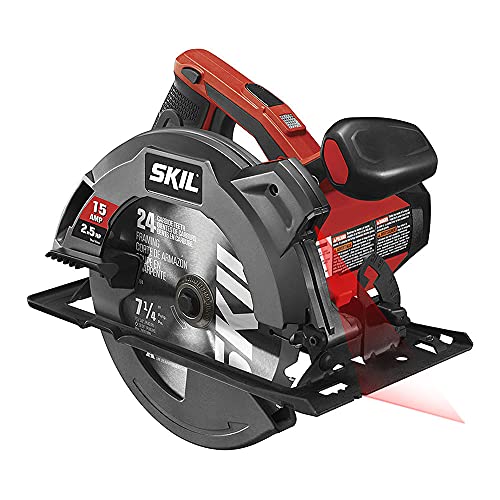
| Tier 2 | Tier 1 + circular or track saw, random-orbital sander | $300–500 | Straight rip and crosscuts, sheet goods, slatted and mitered builds |
| Tier 3 | Tier 2 + table saw, miter saw, and/or router | $800+ | Mortise-and-tenon, dado, box joints, trestle and face-frame furniture |
For a full breakdown of what each saw type is actually built to do, see our woodworking tools and saws guide. And before buying lumber for anything below, our woodworking calculators convert a cut list into board feet so you’re not guessing at the lumber-yard counter.
Tier 1 Projects: Drill and Driver Only
Every project below can be built with a cordless drill/driver, a hand saw or miter box, clamps, and sandpaper — no power saw required. Pre-cut boards from the lumber yard cover the cutting step if you don’t own a saw yet.
1. Live-Edge Charcuterie Board
A single live-edge slab, sanded through the grits and sealed with food-safe mineral oil, needs zero cuts if you buy the slab pre-sized — the entire build is sanding and finishing.
- Wood & joinery: one walnut or maple live-edge slab, 3/4–1 inch thick, no joinery
- Cost & time: $30–60 for the slab, 2–3 hours including finish cure
- Why it’s adult-grade: food-safe finish and a natural edge read as a $60 retail item, not a craft-table project
2. Wall-Mounted Wine & Stemware Rack
A hardwood plank with drilled bottle slots and a routed or drilled stemware rail turns into functional bar storage — a genuinely gift-worthy build with no power saw needed if the plank comes pre-cut.
- Wood & joinery: oak or walnut board, hidden French-cleat mount, drilled stemware slots
- Cost & time: $25–45, one afternoon
- Why it’s adult-grade: a bar-storage build signals function for an adult home in a way a birdhouse never will
3. Entryway Valet Caddy with Dowel Pegs
A shallow tray with drilled dowel pegs for keys, mail, and a phone is the everyday-use test of adult woodworking — it either gets used at the door for years or it doesn’t.
- Wood & joinery: 1×6 hardwood board, glued-in hardwood dowels, mitered or butt-joined tray sides
- Cost & time: $20–35, 2 hours plus glue cure
- Why it’s adult-grade: daily function beats decoration — this is the project most likely to still be in use a year later
Want a build with a wider, more decorative silhouette instead of a narrow valet caddy? Our DIY wood serving tray guide uses the same mitered-corner technique, sized for serving food and drinks instead of catching keys and mail.
For a dressier version of the valet caddy, lining the tray bottom with a thin copper sheet adds a warm metal accent instead of bare wood — see our guide on how to apply copper sheeting to wood for the right adhesive and edge-finishing steps.
4. Modular Pantry or Closet Shelving
L-bracket shelving cut to a closet or pantry’s exact width fixes real storage instead of buying another bin — and it’s the project that teaches finding and driving into studs correctly.
- Wood & joinery: 3/4-inch plywood or 1×10 boards, steel L-brackets into wall studs
- Cost & time: $15–25 per shelf, an hour per shelf once boards are cut to length
- Why it’s adult-grade: solves a real household problem — see our guide on building shelves between studs for the load-bearing mount
5. Adjustable Laptop & Tablet Stand
A slotted hardwood stand that props a laptop at a working angle solves a real desk problem and doubles as a genuinely useful gift for a home-office setup.
- Wood & joinery: hardwood offcut, hand-cut angled slot, sanded and oiled
- Cost & time: under $15 from scrap, 1–2 hours
- Why it’s adult-grade: solves a work-from-home problem a kid’s project never addresses
6. Whiskey-Barrel-Stave Coat Rack
Reclaimed barrel staves already have the curve and character built in — drill for hooks, mount with a French cleat, and the barrel’s charring does most of the “finish” work for you.
- Wood & joinery: reclaimed oak barrel stave, drilled hook holes, French-cleat mount
- Cost & time: $20–40 for a stave plus hooks, 2 hours
- Why it’s adult-grade: reclaimed material with visible age reads as intentional design, not a kids’-craft aesthetic
Tier 2 Projects: Add a Circular or Track Saw
Once a circular or track saw and a random-orbital sander join the drill, sheet goods and long rip cuts open up — the projects below all lean on straight, accurate cuts rather than joinery complexity.
7. Farmhouse Floating Media Console
A wall-mounted console built from plywood panels and a solid-wood face frame holds a TV and components without a single leg touching the floor — a genuine furniture piece, not a shelf.
- Wood & joinery: 3/4-inch plywood carcass, pocket-screwed face frame, concealed steel wall mount
- Cost & time: $120–200, a full weekend
- Why it’s adult-grade: floating construction and a face frame are furniture-store details, not DIY-craft ones
8. Herringbone Wood Wall Art Panel
Angled strips of contrasting hardwood glued into a herringbone pattern on a plywood backer is pure geometry — every strip has to land at the same angle or the pattern breaks, which is exactly why it reads as skilled work.
- Wood & joinery: two contrasting hardwoods (walnut and maple are classic), 45-degree strip cuts, glued to a plywood backer
- Cost & time: $40–70, a full afternoon plus glue cure
- Why it’s adult-grade: wall art in contrasting hardwoods is a design-forward piece with zero kids’-craft overlap
9. Slatted 2×4 Headboard
Vertical 2×4 slats spaced evenly and fastened to a ledger board build a queen or king headboard for a fraction of retail — the spacing math is the whole skill test.
- Wood & joinery: pine or oak 2x4s, pocket-screwed to a plywood ledger, wood filler and stain
- Cost & time: $80–150 for a queen size, a weekend
- Why it’s adult-grade: bedroom furniture at real scale, evenly spaced and stained — not a painted craft piece
10. Rolling Kitchen or Tool Cart
A plywood-and-hardwood cart on locking casters adds counter space or a mobile tool station — genuinely useful storage that has to survive real weight and daily rolling.
- Wood & joinery: 3/4-inch plywood shelves, hardwood edge banding, locking casters, pocket screws
- Cost & time: $70–130, a weekend
- Why it’s adult-grade: load-bearing, mobile storage solves a real workshop or kitchen problem
11. Mission-Style Porch Bench
A slatted-back bench with square, mission-style legs is a genuine outdoor furniture build — for the full cut list and joinery detail, see our dedicated DIY porch bench plans guide.
- Wood & joinery: cedar or white oak, pocket-screwed slats, lag-bolted legs
- Cost & time: $150–250, a full weekend
- Why it’s adult-grade: outdoor furniture built to hold body weight for years, not a weekend craft
12. Outdoor Slatted Bar Cart
A cedar-slatted cart with a bottle rack and locking wheels is the outdoor-entertaining answer to the indoor bar cart — genuinely gift-worthy and built to live outside.
- Wood & joinery: cedar slats, pocket-screwed frame, exterior-rated hardware and finish
- Cost & time: $100–180, a weekend
- Why it’s adult-grade: entertaining furniture is squarely an adult-home project with no kids’-craft equivalent
If you want a Tier 2 project that doubles as home gym equipment instead of furniture, see our guide on how to make wooden climbing holds — it covers hardwood selection, shaping with a jigsaw and rasps, and the T-nut hardware needed to mount them safely on a home climbing wall.
Tier 3 Projects: Table Saw, Miter Saw, or Router
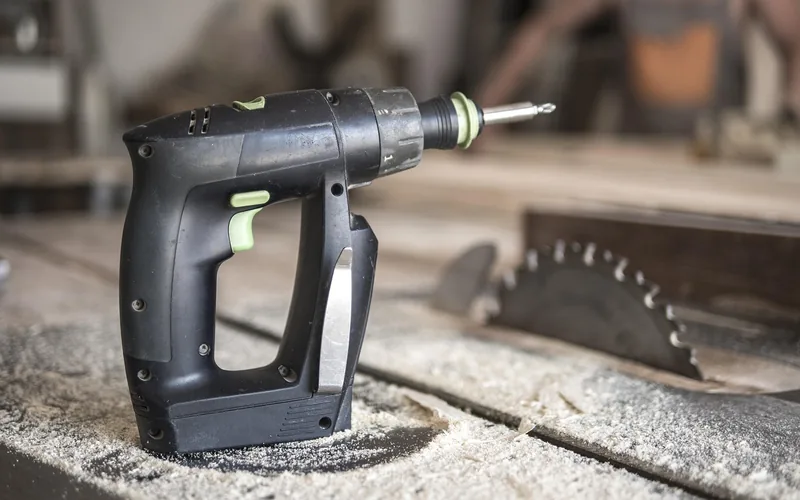
A table saw, miter saw, or router unlocks the joinery that separates furniture from boxes — mortise-and-tenon, dado, and box joints all need the precision these tools provide. These builds take longest but produce pieces worth keeping for decades, not seasons.
13. Mortise-and-Tenon Coffee Table
Mortise-and-tenon leg-to-apron joints are the reason furniture makers still cut them by hand or router jig instead of using screws — the joint locks the leg against racking stress in a way a butt joint and screws can’t. For the tooling that makes these joints practical at home, see our mortise and tenon tools guide.
- Wood & joinery: oak or walnut, mortise-and-tenon leg-to-apron joints, glued and clamped
- Cost & time: $150–300, two weekends
- Why it’s adult-grade: mortise-and-tenon is the joinery test that separates furniture from a box with legs
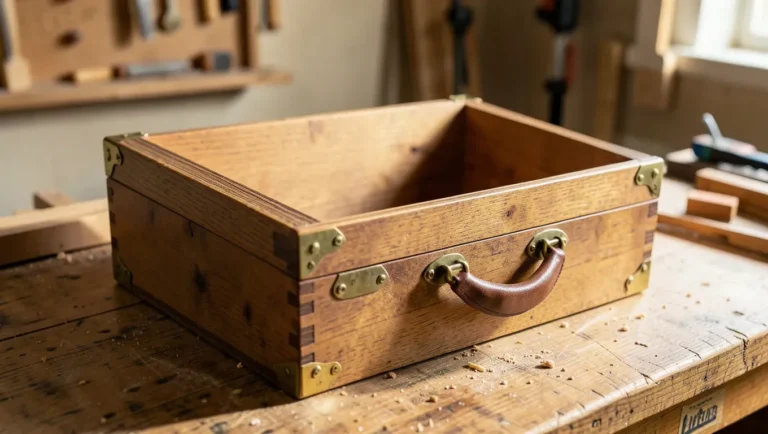
14. Box-Joint Valet or Jewelry Box
Interlocking box joints cut on a table saw jig or router table replace glued butt joints with a mechanically stronger, visually distinctive corner — a small box like this jewelry box is the fastest way to practice this joint before scaling up.
- Wood & joinery: contrasting hardwoods, box-joint corners, felt-lined interior, hinged lid
- Cost & time: $30–60, one weekend
- Why it’s adult-grade: visible box joints are a recognized craftsmanship signal, not a beginner giveaway
15. Face-Frame Bookshelf
A plywood carcass dressed with a solid hardwood face frame and dado-jointed shelves hides every sheet-good edge and adds real structural rigidity — the difference between a bookshelf and a stack of boxboard.
- Wood & joinery: plywood carcass, dado-jointed shelves, glued hardwood face frame
- Cost & time: $150–280, two weekends
- Why it’s adult-grade: dado joints and a face frame are exactly what separates site-built furniture from flat-pack
16. Router-Edge Serving Board Set with Juice Groove
A routed juice groove and an eased edge profile turn a basic glued-up board into a set that looks and functions like retail kitchenware — the router work is what makes it a set instead of a single slab.
- Wood & joinery: maple and walnut glue-up, routed juice groove and roundover edge
- Cost & time: $50–90 for a set of three, one weekend
- Why it’s adult-grade: a routed juice groove is a specific, functional detail no kids’ craft project would include
17. Trestle-Base Dining Table
A trestle base — two vertical supports joined by a stretcher, wedged or draw-bored through the leg — seats a full table without a center leg in the way, and it’s the single largest joinery project on this list.
- Wood & joinery: solid oak or walnut, mortise-and-tenon trestle joinery, breadboard-end top
- Cost & time: $400–700, three-plus weekends
- Why it’s adult-grade: a dining table is the most furniture-grade output on this entire list — retail equivalents run $1,500–3,000
18. Maloof-Style Rocking Chair
Sam Maloof’s sculpted rocker joinery — a free-form joint blending mortise-and-tenon with hand-shaped, sculpted surfaces — is the aspirational endpoint for this whole list. It’s not a first project, but it’s the clearest answer to “what does adult-grade actually look like at its peak.” Our full Sam Maloof carved rocking chair guide covers the joinery and shaping in depth.
- Wood & joinery: walnut or cherry, sculpted mortise-and-tenon joints, hand-shaped seat and arms
- Cost & time: $300–500 in lumber, several weekends to months depending on shaping experience
- Why it’s adult-grade: museum-quality studio furniture — the furthest possible point from a kids’-craft project
What Order Should You Build These In?
Build in the order the joinery gets harder, not the order projects look impressive. Marc Spagnuolo of The Wood Whisperer — a working furniture maker who teaches this exact approach — recommends starting with a cutting-board-style glue-up to learn milling and clamping, then moving to mortise-and-tenon joints on a small project before attempting cabinet-scale work. Applied to this list: start in Tier 1 with the charcuterie board or valet caddy to learn glue-ups and finishing, move into Tier 2 for straight power-saw cuts, and save the Tier 3 mortise-and-tenon and trestle joinery for after a few finished builds — not because the wood is harder to cut, but because a joint cut wrong on a $400 dining table costs a lot more than one cut wrong on a $30 board.
Wood movement is the detail every skill level eventually gets caught by: a solid wood tabletop or breadboard end needs to expand and contract across its width with humidity, so fixed joinery has to allow that movement or the top will crack within a season or two. Kiln-dried lumber brought indoors still moves seasonally, which is why the trestle table and Maloof rocker above use draw-bored or sculpted joints rather than fully rigid glue-ups at every connection point.
Frequently Asked Questions
What is the best beginner woodworking project for an adult?
A live-edge charcuterie board or an entryway valet caddy are the best starting points — both need only a drill and hand tools, cost under $60, and produce a finished, food-safe or gift-worthy piece in one afternoon rather than a practice cut.
How much does it cost to start woodworking as an adult?
A Tier 1 tool set — cordless drill, hand saw or miter box, clamps, and sandpaper — typically runs $50–150, much of which many adults already own. Materials for a first project add another $20–60, so a realistic starting budget is under $200 total.
Can adults learn woodworking with no experience?
Yes. Starting with a Tier 1 project that uses only a drill and hand tools builds real skills — measuring, sanding, finishing — without the cost or risk of power saws, and those skills carry directly into every higher-tier project on this list.
What tools do I need before starting woodworking projects?
A cordless drill/driver, a hand saw or miter box, a set of clamps, sandpaper in a few grits, a level, and a stud finder cover every Tier 1 project on this list. A circular or track saw is the next tool worth adding once those projects feel routine.
What woodworking project makes a good gift?
A charcuterie board, wine and stemware rack, or a routed serving board set are the most consistently gift-worthy builds here — each is functional, finished to a food-safe or furniture-grade standard, and buildable in a single weekend or less.
How do you make a woodworking project look professional instead of homemade?
Sand through a full progression of grits before finishing (skipping grits is the most common cause of a rough, amateur look), use real joinery — pocket screws at minimum, mortise-and-tenon or box joints for furniture — instead of nails and glue alone, and apply a proper wood finish rather than craft paint.
Conclusion
The right woodworking project for an adult isn’t the easiest one — it’s the one that matches the tools already in your garage and produces something you’d actually keep or give away. Start in Tier 1 if you’re building tool skill from zero, move to Tier 2 once a circular saw joins the shop, and save Tier 3’s mortise-and-tenon and trestle joinery for after a few finished builds. For the full range of techniques, materials, and fixes behind every project above, see our complete DIY woodworking hub.
Sponsored / affiliate links. As an Amazon Associate I earn from qualifying purchases. I may earn additional commission from eligible campaigns.