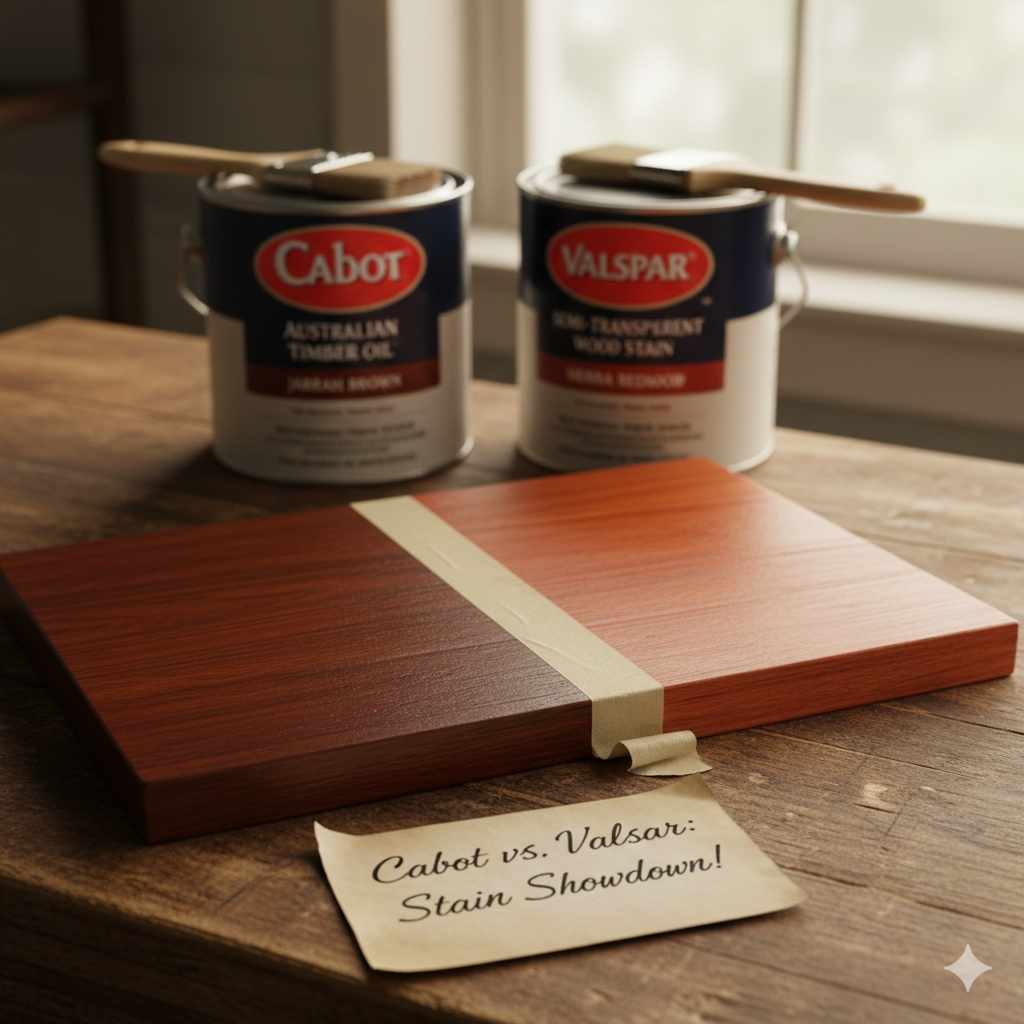
Cabot vs Valspar Stain: Best Choice Compared for Your Project
Choosing between Cabot vs Valspar Stain: Best Choice Compared can feel tough when you’re starting a painting project. There are so many options, and it’s easy to get confused by the different types of stains and their uses. Don’t worry, you’re not alone! Many people find this part of the process a bit tricky. This guide makes it simple to pick the right stain for your needs, step by step. We’ll explore the main differences and help you pick the best stain. Let’s get started and make your next paint job a success!
What Sets These Stains Apart?
When selecting the best stain, it’s essential to check out the details. Both Cabot and Valspar offer many products, but they differ in how they’re made and how they work. Cabot often focuses on top-notch, long-lasting products, appealing to people who want the best quality. Valspar, on the other hand, provides a range of stains that often balances quality and value. Knowing these differences helps you decide which brand fits your project and budget. We will check out how they stack up when you consider things like how well they protect the wood, their colors, and how easy they are to use.
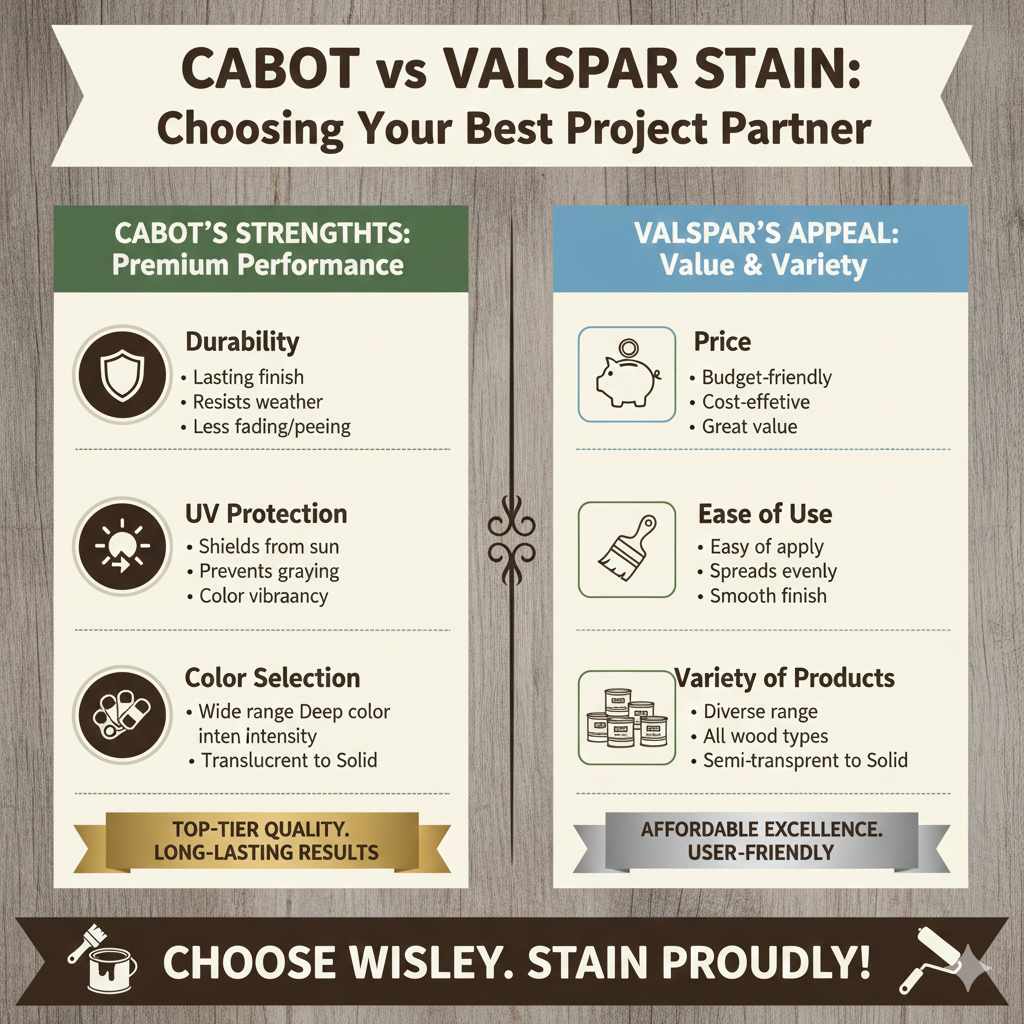
Cabot’s Strengths: The Stain’s Performance
Cabot has built its name on high-quality stains, especially for exterior wood. Their products are made to resist the weather and last for a long time. They have deep colors and excellent UV protection. This is good because it shields wood from fading due to the sun. This protects the wood and keeps the color vibrant for many years. It is a smart choice for projects that need to endure tough conditions.
Durability: Cabot stains are known for their lasting finish. They are built to face the elements, so they don’t fade or peel quickly. This means less work for you, as you won’t need to repaint as often.
Cabot stains usually last longer than many other brands, which is a great benefit. Their durability is important because it protects your wood from weather damage.
UV Protection: Cabot stains usually have excellent UV protection. This feature protects wood from fading and damage caused by the sun’s rays. UV protection helps keep your wood looking good for a longer time, especially when used outside.
The UV protection in Cabot stains can prevent the wood from becoming gray or bleached. This benefit is particularly useful if your project is in a sunny location.
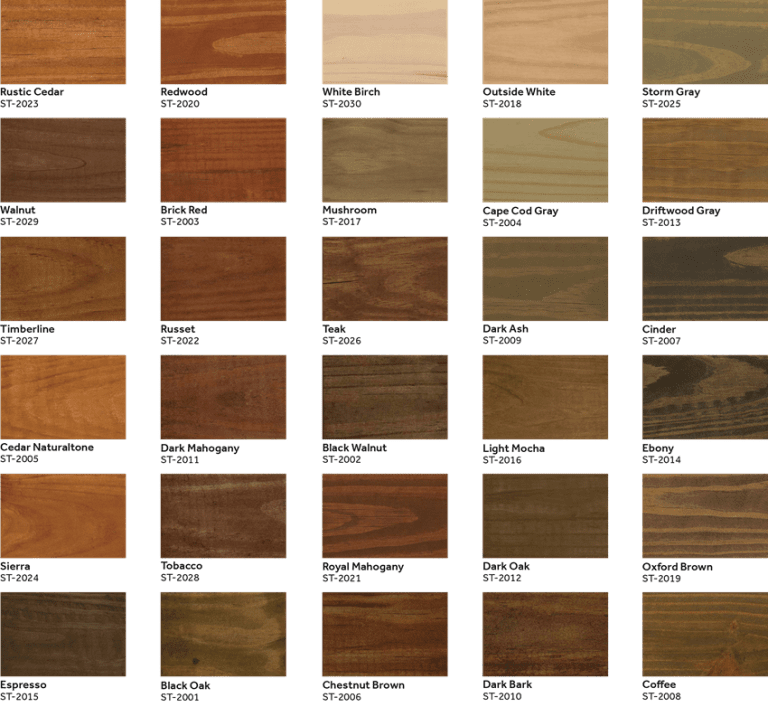
Color Selection: Cabot offers a wide range of colors that keep their color intensity. This range lets you find the ideal color for your project. They make it easy to obtain the precise look you desire, from transparent tints to rich solid colors.
Whether you want a natural wood tone or a more bold color, Cabot has an option to fit your needs. Their colors are made to look great for many years.
Valspar’s Appeal: Value and Variety
Valspar is a good option if you want to balance quality and price. They provide a diverse range of stains that are suitable for various projects. Valspar is also known for its ease of use. It makes it a great pick for people who are new to staining or who have simpler projects. Valspar is a versatile option for several projects, from decks to fences and interior furniture.
Price: Valspar products are often more budget-friendly than Cabot. This makes them a great choice if you’re looking for a good deal while still getting quality results. It can be a cost-effective option for larger projects.
Valspar’s affordability makes it possible for more people to tackle their own painting jobs. It lets you get great results without overspending.
Ease of Use: Valspar stains are designed to be easy to apply, even for those new to staining. They usually spread evenly and dry smoothly. This simplicity helps to produce beautiful finishes without needing a lot of skill or experience.
Easy-to-use stains can save a lot of time and effort. It helps make the staining process a lot less stressful, which is a big plus.
Variety of Products: Valspar provides a wide selection of stains. They have options for all types of wood. This selection ensures that you can locate the proper product for your unique project, from semi-transparent to solid stains.
The variety offered by Valspar can be incredibly helpful. It helps you find the specific finish and protection you require, which is a big deal.
Comparing the Brands: Performance and Price
To pick between Cabot and Valspar stains, you should check out their performance and price. Cabot is generally seen as the premium option. It offers top-notch protection and long-lasting results. Valspar is a great choice if you are looking for a more affordable alternative that still delivers quality. This comparison will help you decide which brand fits your specific project and needs.
Durability Showdown: Cabot vs. Valspar
Durability is key when choosing a stain. It determines how long your wood will stay protected and beautiful. Cabot is frequently praised for its high durability, which is excellent for surfaces that are exposed to harsh weather. Valspar, while usually not as durable as Cabot, still provides a decent level of protection for many uses. Knowing the differences in durability helps you decide which stain will work best for your project and how long you expect it to last.
Example Scenario: Imagine staining a deck. Because decks have constant exposure to sun, rain, and foot traffic, a more durable stain is critical. Cabot’s high durability would be a great choice here. It would protect the wood longer and reduce the need for maintenance. If you’re staining a fence that isn’t exposed to extreme conditions, Valspar could be a good option. It offers a good balance between cost and protection.
Weather Resistance: Cabot stains are made to endure rain, sun, and temperature changes. This helps to extend the life of your wood. Its durability helps protect against warping, cracking, and peeling.
Cabot’s weather resistance keeps wood looking good for a long time. It helps prevent damage and reduces upkeep.
Abrasion Resistance: Cabot products have a high resistance to scratches and wear. This feature is especially great for surfaces like decks and floors that get a lot of use. Cabot can handle heavy use better, which leads to fewer problems.
Abrasion resistance is an essential characteristic for stains. It helps protect wood against damage from foot traffic or other regular contact.
Maintenance Needs: While both brands have maintenance needs, Cabot typically requires less frequent maintenance due to its superior durability. This helps save time and money in the long run. Valspar may need reapplication sooner than Cabot, especially in tough conditions.
Less frequent maintenance is a great benefit. It saves you from having to restain as often.
Price and Value: Getting the Best Deal
When choosing between Cabot and Valspar, the price plays an important part. While Cabot often comes with a higher price tag, it is a smart pick for projects where durability is most critical. Valspar is usually a better deal. It offers good performance at a more accessible price. Considering both the initial cost and the long-term value helps you choose the option that fits your budget and project requirements.
Example Scenario: You are staining a small garden bench. In this case, Valspar may be the best option since it is more affordable and still offers good protection for a less demanding project. If you are staining a big deck that gets a lot of use, spending a little more on Cabot might be better. It will give you better protection and last longer, so you’ll have to restain less often.
Cost Comparison: Valspar stains are typically more affordable up front compared to Cabot. This makes them a good option for people on a budget or for bigger projects. The price difference can be a big factor in your choice.
Lower initial costs may be appealing for those who want to save money. This can be great when you’re working on a budget.
Long-Term Costs: Cabot, though pricier upfront, can save money in the long run because of its durability. It needs to be reapplied less often. This lowers the cost of future work. Valspar might need more frequent maintenance, which could cost more over time.
Thinking about the long-term expenses is important. Choosing the right stain can save you money.
Project Size: The project size affects how important the price is. For small projects, the price difference might not be a huge deal. For big projects, the lower cost of Valspar can make a huge difference in the budget.
The size of your project impacts your stain choice. It affects both how much stain you need and how much you have to spend overall.
| Feature | Cabot | Valspar |
|---|---|---|
| Price | Higher | Lower |
| Durability | Excellent | Good |
| Weather Resistance | Excellent | Good |
| Ease of Application | Good | Very Good |
| Color Range | Wide | Wide |
Choosing the Right Stain Type
Selecting the right stain type is important for achieving the look and protection you want. Both Cabot and Valspar provide different stain types. Each type has a unique formulation and is suitable for various projects. Knowing the differences between semi-transparent, solid, and other varieties helps you choose the perfect product. You can make an informed choice that fits your project’s needs.
Different Stain Varieties
Stain varieties vary in how they look, how well they protect, and how easy they are to apply. Semi-transparent stains highlight the wood’s natural grain. Solid stains offer more color and protection. Knowing these differences helps you make the right choice for your project.
Semi-Transparent Stains: These stains let the wood grain show through, highlighting the wood’s natural beauty. They provide a lighter tint and can be great for surfaces where you want the wood’s texture and characteristics to be noticeable. They’re ideal for fences and siding.
Semi-transparent stains are often used when you want a natural appearance.
Solid Stains: Solid stains cover the wood completely, like paint. They hide the wood grain and offer maximum protection. They provide a bold and even color. They are a good choice for surfaces that need the most protection.
Solid stains are often chosen for projects where complete color coverage is needed.
Penetrating vs. Film-Forming Stains: Penetrating stains seep into the wood, creating a protective barrier from within. Film-forming stains sit on top of the wood’s surface, creating a protective layer. Both options have their benefits, so make sure to pick the one that matches your project needs.
The type of stain you choose affects both protection and the wood’s appearance.
Matching Stain Types to Your Project
Matching the stain type to your project ensures that you get the best outcomes. Some stains work well for decks, while others are great for fences or furniture. Thinking about where the project is and what it will go through is critical. This will help you select the stain type that provides the right protection and the look you want.
Decks: Decks need stains with high weather resistance. Semi-transparent or solid stains that are created for outdoor use are good choices. These stains should be able to withstand heavy foot traffic and sunlight.
Decks need stains that provide both protection and a beautiful look.
Fences: Fences can benefit from both semi-transparent and solid stains. The choice depends on your desired appearance and protection level. Semi-transparent stains are often used to show off the wood, while solid stains offer more durability.
For fences, the stain you pick can affect both its looks and how well it is protected.
Furniture: For indoor or outdoor furniture, consider a stain that is durable and easy to apply. You can choose from many stains, including semi-transparent or solid finishes. Always check that the stain is safe for the furniture’s use.
Your furniture’s function will help decide what type of stain to use.
Application and Maintenance
The way you apply and care for your stain is just as important as the stain itself. Proper application ensures the best look and maximum protection. Regular maintenance helps to extend the life of your finish. Here, we will talk about the correct application methods for both Cabot and Valspar, along with useful maintenance tips. It will help ensure that your projects look beautiful and remain protected for a long time.
Applying Cabot and Valspar Stains
Correct application is necessary to obtain the desired outcome. Both Cabot and Valspar stains need similar steps but might have different techniques for the best results. Reading and following the manufacturer’s directions is essential. This can help you avoid common mistakes and get a great finish.
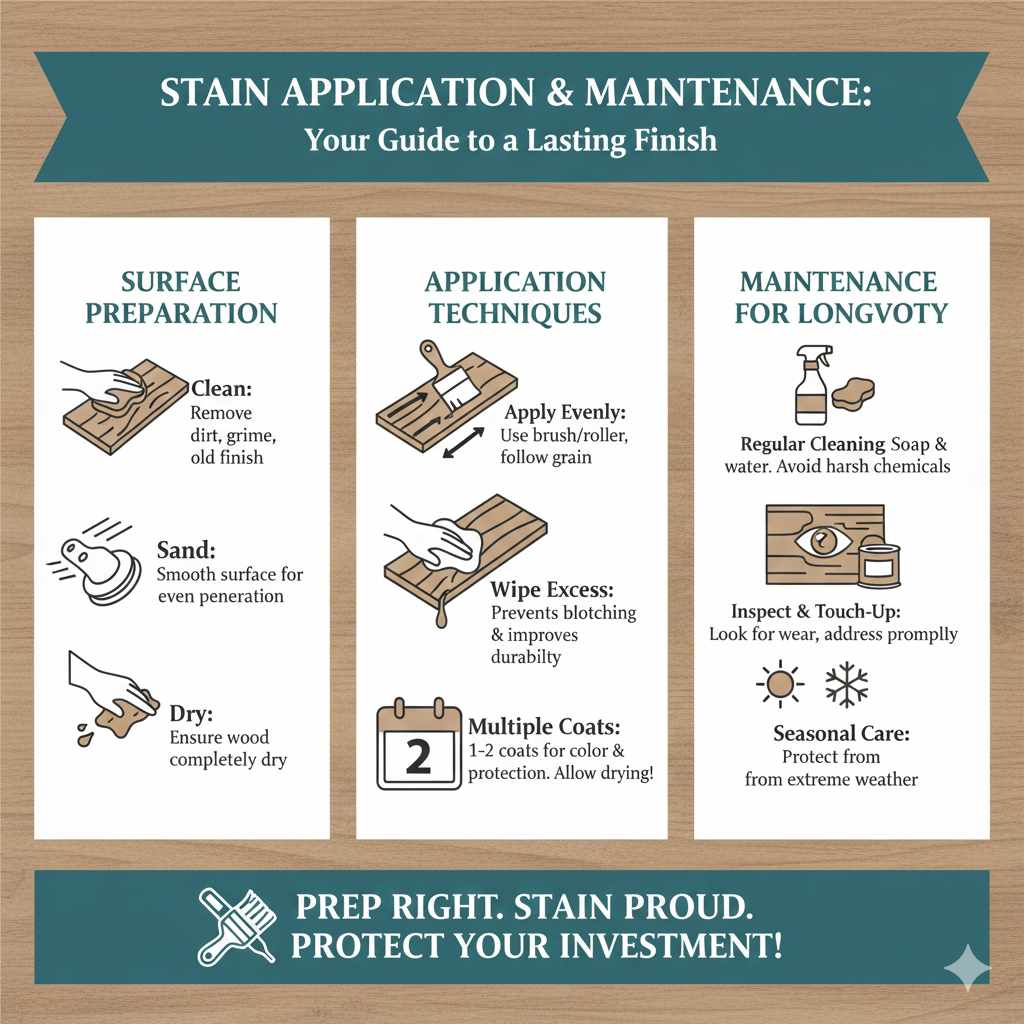
Surface Preparation: Before staining, you must prepare the surface correctly. This means cleaning the wood to get rid of dirt, grime, and old finishes. Sanding is also crucial to create a smooth surface that allows the stain to penetrate.
Surface preparation is key for your stain to perform well and adhere effectively.
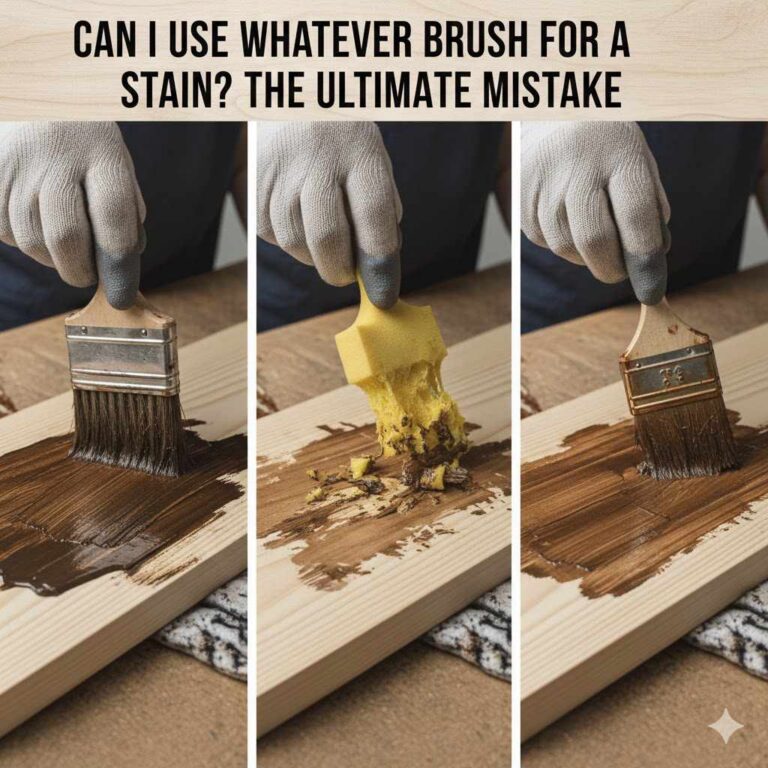
Application Techniques: Use brushes, rollers, or sprayers to apply the stain. Apply in even coats, following the wood’s grain. Use a brush or pad to wipe away any excess to ensure the stain soaks into the wood properly.
Proper techniques for applying the stain will help you get an even, professional finish.
Drying Time and Coats: Allow the stain to dry fully between coats. Usually, two coats are required for the best protection and color. Check the manufacturer’s instructions for drying times and the number of coats recommended.
Giving the stain enough time to dry and using the appropriate number of coats can give you the finish you want.
Maintenance Tips for Stain Longevity
Proper maintenance helps to make your stain last longer. Regular cleaning and occasional touch-ups can prevent damage and keep the surface looking great. By following these easy tips, you can protect your investment and preserve the beauty of your wood for many years.
Regular Cleaning: Use soap and water to clean the surface of dirt and mildew. Avoid abrasive cleaners that could damage the stain. Cleaning the surface regularly is a simple way to preserve its appearance.
Regular cleaning is necessary to protect the stain and make it last.
Inspecting and Touch-Ups: Inspect the stained surface regularly for any signs of wear and tear, such as peeling or fading. Address any issues right away with touch-ups or re-staining. Catching problems early can prevent further damage.
Inspect your stained wood regularly so you can deal with any issues before they get worse.
Seasonal Care: Adjust your maintenance based on the season and environmental conditions. Protect the surface from extreme weather, like extreme heat or cold. Think about seasonal factors and adjust your maintenance.
Taking care of your stain according to the weather can help it last.
Frequently Asked Questions
Question: Is Cabot stain better than Valspar stain?
Answer: Cabot is often thought of as the higher-quality option, providing excellent durability and weather resistance. Valspar offers a cost-effective alternative that still provides good performance for various projects.
Question: Can I use Cabot stain on interior wood?
Answer: Yes, Cabot makes stains made for interior use, but you should always check the product details to ensure it is suitable for your project. Always read the label.
Question: How often should I reapply Valspar stain?
Answer: Depending on the conditions and the type of Valspar stain you use, you might need to reapply it every few years. Keep an eye out for fading or wear and tear, which are signs that it’s time to restain. The exact time will depend on the product.
Question: Do I need to prime wood before staining with Cabot or Valspar?
Answer: Usually, you don’t need to prime when you use stain. The key to a good finish is surface preparation. It is important to clean and sand the wood before applying the stain for the best results. Always check the stain’s instructions.
Question: What are the main differences between oil-based and water-based stains?
Answer: Oil-based stains soak into the wood well. They usually provide more durability but can take longer to dry and have a stronger smell. Water-based stains are easy to clean up, dry quickly, and have less odor, but they may need more coats for the best results.
Final Thoughts
Picking between Cabot vs Valspar Stain: Best Choice Compared really depends on your specific needs and the scope of your project. Cabot offers a premium selection with fantastic protection and lasting quality, perfect for projects where durability is important. Valspar presents a versatile and budget-friendly choice, which is great for various projects while still delivering excellent results. By considering the differences in price, application, and maintenance, you can choose the stain that fits your needs. Remember to prepare the wood surface correctly, follow the application instructions, and take care of the stained surface. With the right selection and a bit of care, your project can look beautiful and endure for many years!