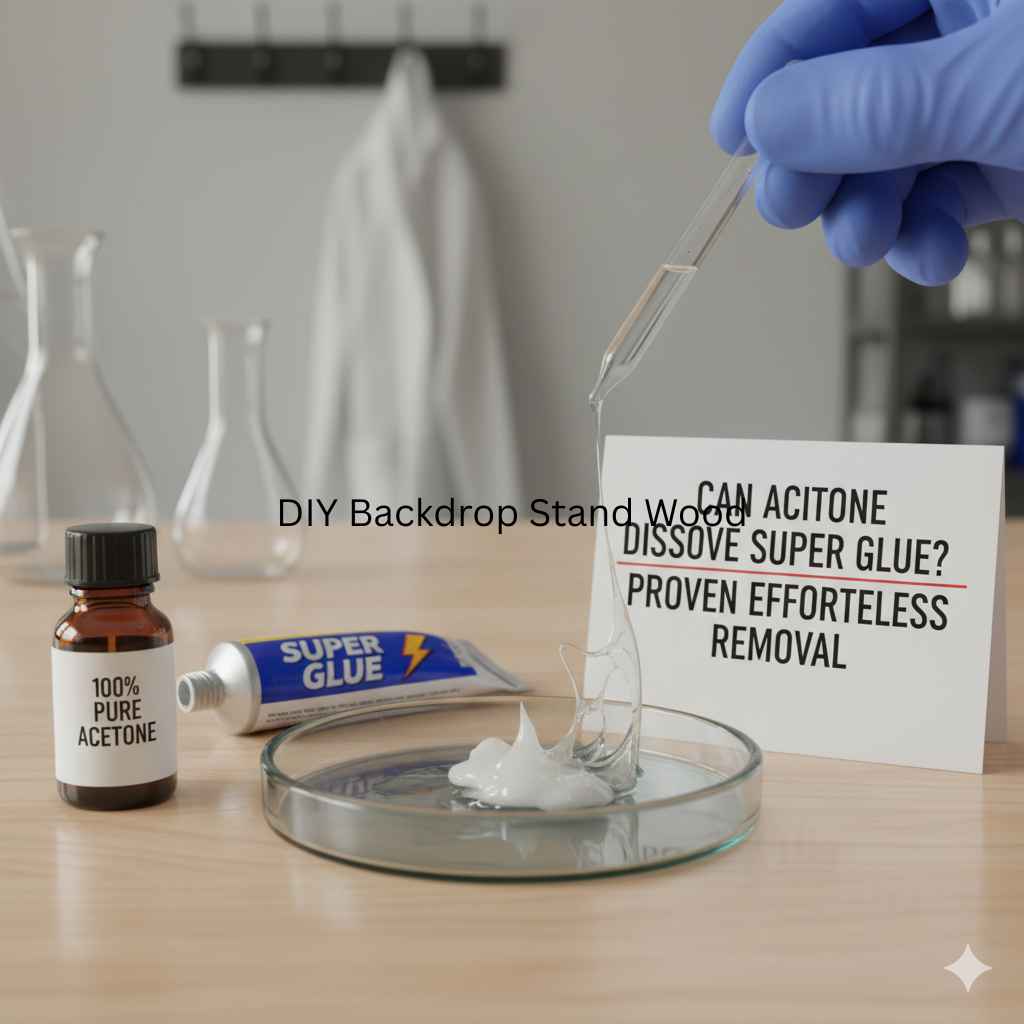
Can Acetone Dissolve Super Glue? Proven Effortless Removal
Yes, acetone can dissolve super glue, often proving to be an effective and surprisingly effortless solution for tackling those stubborn adhesive messes. It works by breaking down the chemical bonds of cyanoacrylate, the main ingredient in most super glues. This guide will show you how to use it safely and effectively.
Ever had a bit of super glue escape your control? Maybe it landed on your favorite finished wood project, or perhaps some got on your skin. It’s a common frustration for hobbyists and homeowners alike. Super glue, also known as cyanoacrylate, is incredibly strong, but that same strength can make it a nightmare to remove when it’s in the wrong place.
Don’t worry, though! There’s a simple, accessible solution that many of us already have on hand or can easily find. This article will walk you through how acetone can be your best friend in these sticky situations and provide clear, safe steps for its use. Let’s get that super glue gone!
Understanding Super Glue and Acetone’s Role
Super glue, or cyanoacrylate, is a fast-acting adhesive known for its powerful bonding capabilities. It works by reacting with tiny amounts of moisture on the surfaces you’re joining to create a strong, rigid bond. This rapid curing is what makes it so handy for quick fixes, but it’s also why removing accidental drips or bonds can be so tricky.
Acetone is a powerful solvent. It’s a clear, colorless liquid with a distinct smell that you might recognize from nail polish remover. Its chemical structure allows it to effectively break down and dissolve certain types of plastics and adhesives, including super glue. When acetone comes into contact with cured cyanoacrylate, it disrupts the polymer chains that give the glue its strength, turning it back into a more liquid or gummy state that can then be wiped away.
It’s important to understand that while acetone is effective, it can also affect certain materials. This is why it’s crucial to test it in an inconspicuous area first, especially when working with finished surfaces like wood, plastic, or painted items. We’ll cover best practices for safe use to protect your projects and yourself.
How Acetone Works on Super Glue
The science behind why acetone dissolves super glue is quite straightforward. Super glue is a type of fast-acting adhesive called a cyanoacrylate. When exposed to moisture—even just the ambient humidity in the air or the natural moisture on your skin—the cyanoacrylate undergoes a process called anionic polymerization. This means the molecules link together very rapidly to form long, strong polymer chains. These chains create the hard, brittle plastic bond that we associate with super glue.
Acetone, on the other hand, is an organic solvent that has the ability to break apart these polymer chains. It acts as a ‘plasticizer,’ softening the hardened glue. By interfering with the bonds holding the polymer chains together, acetone reverts the cured glue back to a more pliable or even liquid form, making it easy to remove.
Consider it like dissolving sugar in water. The sugar molecules are broken down and dispersed. Acetone does something similar to the cured super glue molecules, breaking them apart so they can no longer hold their hardened form.
When is Acetone the Right Choice for Super Glue Removal?
Acetone is a go-to for super glue removal in several common scenarios. Its effectiveness makes it ideal for tackling glued-on skin, hardened glue blobs on surfaces, and residue left behind after an accidental spill. However, its strength means it’s not always the best option for every material.
Here are some situations where acetone shines:
- On unfinished hard surfaces: For materials like glass, ceramic, or metal, acetone is usually safe and highly effective. It can lift dried glue without causing damage to the base material itself.
- On certain plastics: While acetone can sometimes damage or cloud some plastics, it can be effective on others. Always test in a hidden spot first!
- For skin: While it sounds harsh, acetone is often used in a diluted form or for short periods to carefully remove super glue from skin. Safety precautions are paramount here.
- Removing stubborn residue: For those hard, raised blobs of glue that normal scraping won’t touch, acetone can soften them enough to be gently managed.
It’s equally important to know when not to use acetone. Its solvent properties can damage or discolor:
- Finished wood surfaces: The lacquer, varnish, or paint on finished wood can be dissolved or damaged by acetone.
- Certain delicate plastics: Some plastics can become brittle, cloudy, or even melt when exposed to strong solvents like acetone.
- Synthetic fabrics and upholstery: Acetone can dissolve or stain many synthetic materials.
- Painted surfaces: Similar to finished wood, paint can be softened and lifted.
For these sensitive materials, gentler methods like using oil-based removers or carefully scraping with a plastic tool might be a better first approach. We’ll explore these alternatives briefly later.
Safety First: How to Use Acetone Safely
Because acetone is a strong solvent, safety should always be your top priority. Working with it requires a few precautions to protect yourself and your surroundings. Following these steps ensures you get the job done effectively and without incident.
Essential Safety Gear and Precautions
- Ventilation is Key: Always use acetone in a well-ventilated area. Open windows and doors, or work outdoors if possible. The fumes can be strong and irritating.
- Eye Protection: Wear safety glasses or goggles to protect your eyes from splashes. Acetone can cause irritation if it gets into your eyes.
- Gloves: Use chemical-resistant gloves, such as nitrile gloves, to protect your skin. Acetone can dry out your skin and, in some cases, cause irritation.
- Avoid Open Flames: Acetone is highly flammable. Keep it away from sparks, open flames, and hot surfaces. This includes pilot lights on stoves or furnaces.
- Keep Away from Children and Pets: Store acetone securely out of reach of children and pets.
- Test a Small Area: Before applying acetone to a large or visible area of a material, always test it on a small, inconspicuous spot first. This helps you see how the material reacts to the solvent.
For detailed safety information on handling solvents, you can refer to resources like the U.S. Occupational Safety and Health Administration (OSHA) or chemical safety data sheets (SDS) for acetone, which provide comprehensive guidance.
Step-by-Step Guide: Removing Super Glue with Acetone
Now that we’ve covered the safety aspects, let’s get to the practical steps. The method will vary slightly depending on whether you’re removing glue from skin or a surface. We’ll detail both.
Method 1: Removing Super Glue from Skin
Accidentally gluing your fingers together is a rite of passage for many DIYers! Don’t panic; acetone can help. The key here is gentle, repeated application and patience.
- Preparation: Gather your supplies: acetone (often found in nail polish remover – check the label to ensure it’s pure acetone or has a high concentration), warm soapy water, a soft cloth or cotton ball, and a moisturizer.
- Soak the Area: If possible, soak the glued area in warm, soapy water for a few minutes. This can help loosen the bond slightly before using acetone.
- Apply Acetone: Dampen a cotton ball or the corner of a soft cloth with acetone. Gently dab and rub the glued skin. Avoid submerging large areas of skin in pure acetone for extended periods.
- Be Patient and Gentle: You’ll likely need to repeat this process several times. As the glue starts to soften, gently try to peel or roll the edges of the bonded skin apart. Avoid pulling or tearing sharply, as this can damage the skin.
- Rinse and Moisturize: Once the glue is removed, wash the skin thoroughly with soap and water. Apply a generous amount of moisturizer, as acetone can be drying.
- Seek Medical Advice if Needed: If you’ve injured your skin or cannot remove the glue after several attempts, consult a medical professional.
Note: For very small amounts of glue on skin, sometimes simple rubbing with oil (like olive oil or baby oil) or a paste of baking soda and water can also work. Acetone is for more stubborn cases.
Method 2: Removing Super Glue from Surfaces
This method applies to hard surfaces like glass, metal, or unfinished wood (and cautiously, some plastics or painted items after testing). Remember to test in an inconspicuous area first!
- Preparation: Get your acetone, cotton balls or swabs, a soft cloth, and potentially a plastic scraper or old credit card.
- Test Area: Apply a tiny amount of acetone to a hidden spot of the material. Wait a minute or two. If the material shows any signs of discoloration, softening, or damage, do NOT proceed with acetone on that surface.
- Apply Acetone: Soak a cotton ball or swab with acetone and hold it directly onto the super glue. Let it sit for a minute or two to allow the acetone to penetrate and soften the glue.
- Gently Scrape/Wipe: Use the dampened cotton ball or swab to gently rub the softened glue. If the glue is still quite solid, use a plastic scraper or an old credit card to carefully lift or scrape away loosened glue. Work from the edges of the glue blob inwards.
- Reapply if Necessary: For thick or stubborn glue, you might need to repeat the application of acetone and gentle scraping process.
- Clean the Area: Once all the glue is removed, wipe the area with a clean, damp cloth to remove any acetone residue. If it’s a woodworking project, you might follow up with a wood cleaner suitable for your finish.
- Dry and Inspect: Let the area dry completely and inspect it for any remaining residue or surface changes.
For wood projects, after removing the glue, you might need to do some minor touch-up work on the finish. Always use products compatible with your existing finish. If you’re stripping paint or varnish, the Environmental Protection Agency provides excellent resources on safe paint and coating removal practices which are crucial for health and environmental reasons.
Alternative Methods for Super Glue Removal
While acetone is powerful, it’s not always the best or safest option. If acetone isn’t suitable for your material, or if you prefer to avoid strong solvents, here are a few alternatives:
| Method | Best For | Pros | Cons |
|---|---|---|---|
| Soapy Water Soak | Skin, light residue on some hard surfaces | Gentle, readily available | Less effective on hardened glue/large amounts |
| Vegetable Oil/Olive Oil | Skin, light residue on many surfaces | Very gentle, safe for most finishes, readily available | Can be slow, may leave an oily residue |
| Baking Soda Paste | Skin, light residue on hard surfaces | Gentle abrasive, safe for many surfaces | May require scrubbing, can be slightly abrasive |
| Specialized Super Glue Removers | Various surfaces (check product label) | Specifically formulated, can be very effective | Must purchase separately, still requires care |
| Denatured Alcohol | Some plastics, finished wood (test first) | Less aggressive than acetone, good for some adhesives | Can still damage finishes, less potent than acetone |
For woodworking enthusiasts, understanding material compatibility is key. A quick reference on wood finishes and their chemical resistance can be found on many woodworking supply sites or educational forums. For instance, knowing that most oil-based finishes offer better resistance to mild solvents than water-based finishes is a valuable piece of knowledge.
Dealing with Stubborn Glue Residue
Sometimes, even after using acetone, a faint outline or a stubborn bit of glue residue might remain. Don’t despair, there are ways to tackle these last traces.
- Repeat Applications: For very stubborn spots, a second or third application of acetone may be needed. Soaking for a longer period (e.g., 5-10 minutes) before gently working at it can help.
- Gentle Abrasion: Once the glue is softened, a very gentle abrasive like a Mr. Clean Magic Eraser (melamine foam) or a very fine grit sandpaper (like 600 grit or higher, used with extreme caution and water) might be used. ALWAYS test this on an inconspicuous area first, especially on wood finishes, as it can remove shine or even the finish itself.
- Mineral Oil or Waxes: For wood finishes, sometimes applying a bit of mineral oil or a furniture wax over the residue can help mask minor imperfections or lift very light traces.
- Professional Advice for Fine Furniture: If you’re working on valuable or antique furniture, it’s always best to consult a professional restoration expert before attempting aggressive removal methods.
The goal is to be persistent but gentle. Rushing the process or using overly aggressive tools can cause more damage than the initial super glue spill.
Frequently Asked Questions About Acetone and Super Glue
Can acetone remove super glue from fabric?
Acetone can be quite damaging to many fabrics, especially synthetics like acetate or rayon, causing them to dissolve or discolor. For natural fibers like cotton or linen, it might work on a small spot if tested carefully, but it can still cause staining or lighten the color. It’s generally safer to try gentler methods like dabbing with rubbing alcohol or specialized fabric stain removers first. Always test in an hidden area like an inside seam.
Will acetone damage my phone screen?
Most modern smartphone screens have oleophobic coatings designed to resist fingerprints and oils. Acetone is a strong solvent and can potentially break down or remove this coating, making your screen more prone to smudges and damage over time. It’s generally advised not to use acetone directly on your phone screen. For cleaning smudges or light adhesive residue, stick to a microfiber cloth and perhaps a screen-specific cleaner or a slightly damp cloth.
How long does it take for acetone to dissolve super glue?
The time it takes varies greatly depending on the amount of glue, how long it has been cured, and the surface it’s on. For a thin layer on skin or a small spot on glass, it might only take a minute or two of application and gentle rubbing. For a thick, dried blob on a porous surface, it could take several minutes of repeated application and soaking to soften it enough for removal.
Is nail polish remover the same as acetone?
Not always, but often. Many nail polish removers contain acetone, which is what makes them effective at removing nail polish. However, some nail polish removers are labeled “acetone-free” and use different solvents. For effective super glue removal, you’ll want to use a product that specifically lists acetone as an ingredient, ideally a high percentage of it. Check the ingredients list on the bottle.
What should I do if acetone irritates my skin?
If acetone causes your skin to become red, itchy, or severely dry, stop using it immediately. Wash the affected area thoroughly with mild soap and cool water. Apply a generous amount of a thick, hypoallergenic moisturizer or a barrier cream. If irritation persists or worsens, consult a doctor. It’s important to wear gloves when handling acetone to prevent this in the first place.
Can acetone be used to clean tools after using super glue?
Yes, acetone is excellent for cleaning uncured or partially cured super glue off tools like tweezers, applicators, or even carefully on metallic parts of tools. For tools that have come into contact with uncured glue, a quick wipe with an acetone-dampened cloth can often clean them effectively. For hardened glue on tools, softening with acetone and then scraping or brushing might be necessary. Always ensure the tool material is compatible with acetone first.
Conclusion
Super glue is an incredibly useful adhesive for quick repairs and strong bonds, but its permanence can be a double-edged sword. Fortunately, when accidental spills or misguided applications happen, acetone often provides a reliable and efficient solution.
We’ve seen how this common solvent works by breaking down the sticky polymer chains of cyanoacrylate, making removal possible from skin and many hard surfaces. Remember, safety is paramount—always ensure good ventilation, wear protective gear like gloves and eye protection, and test acetone on an inconspicuous area before full application.
By following the step-by-step guides for both skin and surface removal, and by understanding when acetone is the appropriate choice versus exploring gentler alternatives, you can confidently tackle those inevitable super glue mishaps.
Whether you’re a seasoned woodworker, a weekend DIYer, or just a homeowner dealing with a sticky situation, knowing how to safely and effectively remove super glue is a valuable skill. Keep a bottle of acetone handy (responsibly stored, of course!) and you’ll be prepared for whatever sticky challenges come your way. Happy making, and happy cleaning!