How to Remove Glue From Fabric Without Damaging It: The Right Method for Every Glue Type
The fastest way to get glue out of fabric without damaging it is to match the removal method to the glue’s chemistry, not just its stickiness. Water-based glues (white craft glue, most fabric glue) lift out with warm water and dish soap. Cyanoacrylate super glue needs acetone or a dedicated debonder, freezing to make it brittle, or the fabric will still have a hard spot after washing. Hot glue softens with heat and peels off cold. Using the wrong method on the wrong glue is why so many people end up with a bigger stain than they started with.
Below is the actual decision process: how to identify what’s on your fabric, which solvent is safe for which fiber, and the two mistakes (hot water and acetone on the wrong material) that turn a fixable spot into a ruined garment.
Step 1: Identify the Glue Before You Touch It
FABRIC-SAFE ADHESIVE REMOVER
 |
Goo Gone Original Liquid Adhesive Remover – $11.50 A citrus-based solvent gentler than acetone for glue that water alone won’t budge — good for craft glue residue and light hot-glue haze on sturdier fabrics.
|
Every glue removal method depends on one fact: is the glue water-soluble or not? Guessing wrong is the single biggest reason DIY glue removal fails.
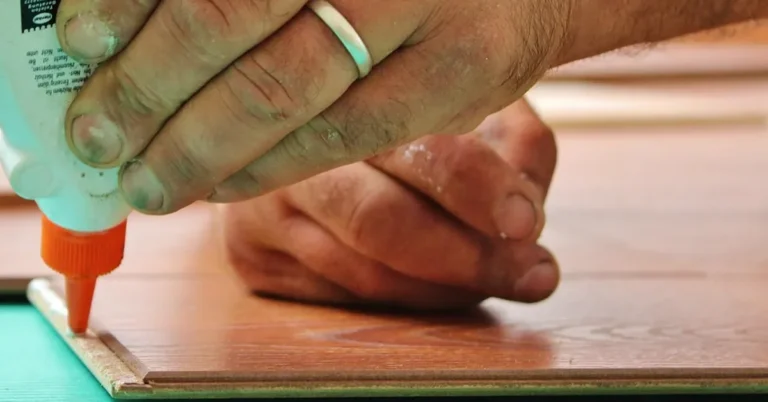
- White/school glue (PVA): Dries flexible and slightly shiny. Softens again with plain warm water — no solvent needed.
- Fabric glue / craft glue: Similar to PVA but formulated to stay flexible after washing. Warm water and dish soap usually work; a few specialty fabric glues are rubber-based and need isopropyl alcohol instead.
- Super glue (cyanoacrylate): Dries rock-hard and shiny within seconds. Water does nothing to it — it needs acetone, a debonder, or freeze-and-crack.
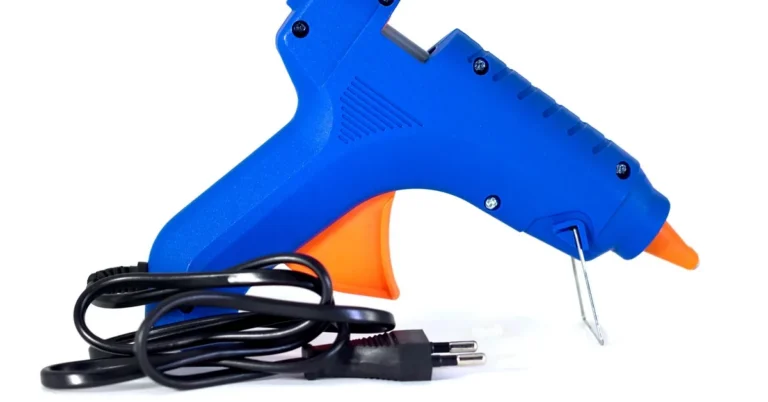
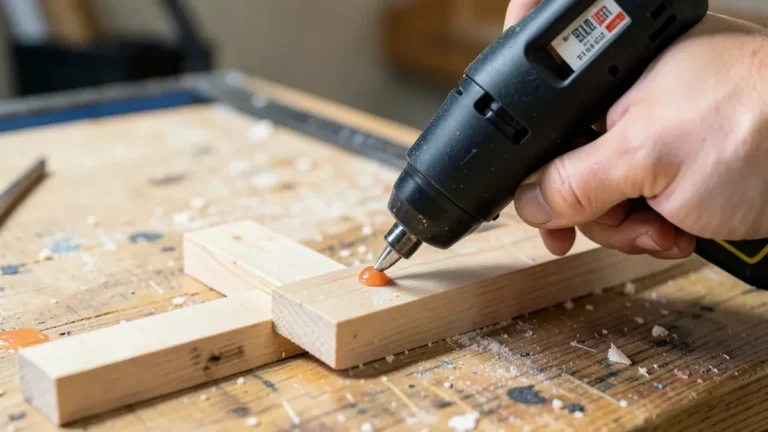
- Hot glue: Dries as a rubbery, slightly translucent blob. Responds to heat (softens) or cold (turns brittle), not solvents.
If you don’t know which one it is, scratch the edge of the dried glue gently with a fingernail. If it flakes or feels slightly soft, it’s probably PVA/fabric glue. If it’s glass-hard and glossy, treat it as super glue.
Step 2: Always Test and Check Colorfastness First
Pick a hidden spot — an inside seam, a hem, or a cuff — and apply whatever solvent you’re about to use. Wait five minutes, then blot with a white cloth. If color transfers to the cloth or the fabric changes texture, don’t use that product on the visible stain. This takes two minutes and is the difference between a clean fix and a second problem.
Removing Water-Soluble Glue (PVA, Most Fabric Glue)
Scrape off any dried excess with a dull spoon edge first — never a knife, which can cut fibers. Soak the spot in cool water for 20-30 minutes to soften the glue, then work a small amount of dish soap into it with your fingers or a soft toothbrush. Rinse from the back of the fabric so the loosened glue is pushed out rather than deeper in. Repeat before it goes anywhere near a dryer — heat will bake any leftover glue in permanently.
Removing Super Glue (Cyanoacrylate)
Freeze it first if you can — put the item in a sealed bag in the freezer for an hour. Cold makes cyanoacrylate brittle enough to crack off in flakes without any chemicals. For what’s left, acetone is the standard fix, but this is where most people damage fabric: acetone dissolves acetate, triacetate, and modacrylic fibers (common in cheaper linings and some blends) on contact. Check the care label — if it says acetate, triacetate, or modacrylic anywhere, skip acetone and use a cyanoacrylate debonder instead, or take it to a dry cleaner. On cotton, polyester, or denim, acetone applied with a cotton swab and blotted (never rubbed) is safe after a hidden-spot test.
Removing Hot Glue
Let it fully harden and cool first — trying to work it while it’s still warm and tacky just spreads it into more fibers. Once hard, flex the fabric to crack the glue away in pieces, similar to peeling dried candle wax. For the residue left behind, sandwich it between two sheets of brown paper (a cut-open grocery bag works) and press with a warm — not hot — iron for a few seconds. The glue melts back into the paper instead of the fabric. Repeat with a clean section of paper until no more transfers.
Two Mistakes That Make Glue Stains Worse
Hot water on a fresh glue stain. Heat cures and sets many adhesives the same way it cures epoxy faster — it can bond the glue more firmly to the fibers instead of loosening it. Always start with cool or lukewarm water, especially before you’ve identified the glue type.
Rubbing instead of blotting. Rubbing grinds softened glue further into the weave and can pill or thin delicate fabric. Blot from the outside edge of the stain inward with a clean section of cloth each time, so you’re lifting glue out rather than spreading it.
Frequently Asked Questions
How do you safely remove glue stains from fabric?
Identify whether the glue is water-based (PVA/fabric glue), cyanoacrylate (super glue), or hot glue, since each needs a different approach. Test any solvent on a hidden seam first, then treat with cool water and soap, acetone, or heat/cold as appropriate, and blot rather than rub.
Can vinegar remove glue from fabric?
White vinegar can help loosen water-based craft glue and some fabric glue by breaking down the adhesive with mild acidity — soak a cloth in vinegar, dab the stain, let it sit five minutes, then rinse with cold water. It has little effect on cured super glue.
What household items remove glue from clothes?
Dish soap and warm water handle most water-based glue. White vinegar and rubbing alcohol work on lighter residue and some synthetic fabrics. A dull spoon edge helps scrape dried glue before any liquid goes on. Always test a hidden area first, since alcohol and vinegar can affect dyes.
Does rubbing alcohol work on glue stains?
Rubbing alcohol works well on many synthetic fabrics for lighter glue residue and is gentler than acetone, but it’s not strong enough for fully cured super glue. Apply with a cotton ball, blot rather than rub, and rinse with cold water afterward. Test on a hidden area first since alcohol can dull some dyes.
Related reading: removing glue from clothing and getting super glue out of fabric specifically.
Sponsored / affiliate links. As an Amazon Associate I earn from qualifying purchases. I may earn additional commission from eligible campaigns.