Can Benjamin Moore Paint Be Color Matched?
Yes, Benjamin Moore paint can be color matched at almost any paint counter — but only an authorized Benjamin Moore store uses the brand’s own Gennex® colorants, so a Sherwin-Williams or Home Depot match will be close, not identical. Using a competitor’s match for a small touch-up often creates a visible “flashing” patch. This guide covers the exact tools stores use, what a sample actually costs, and how to test a match before you buy gallons.
What Does “Color Matching” Really Mean?
Best Tape Pick For Test Swatches & Touch-Ups
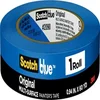
ScotchBlue Original Multi-Surface Painter’s Tape, 1 Inch Wide
Masks a clean, sharp edge around your test swatch or touch-up spot so you can judge the color match without wet paint bleeding onto trim or an adjacent wall.
- Best for: Taping off a 2×2-foot test patch or a small touch-up area cleanly
- Why we picked it: Removes without pulling fresh paint or old finish, so your test swatch stays sharp-edged for an honest side-by-side comparison
- Main drawback: Standard hold time is about 14 days — remove it before then or it can be harder to pull cleanly
Compare more painter’s tape options
 Option 1 4 Rolls Premium Painter’s Tape (0.94in x 22yd each)
|
 Option 2 ScotchBlue Original, 2 Inch Wide
|
 Option 3 ScotchBlue Original, 1 Inch, 3-Roll Pack
|
As an Amazon Associate we earn from qualifying purchases.
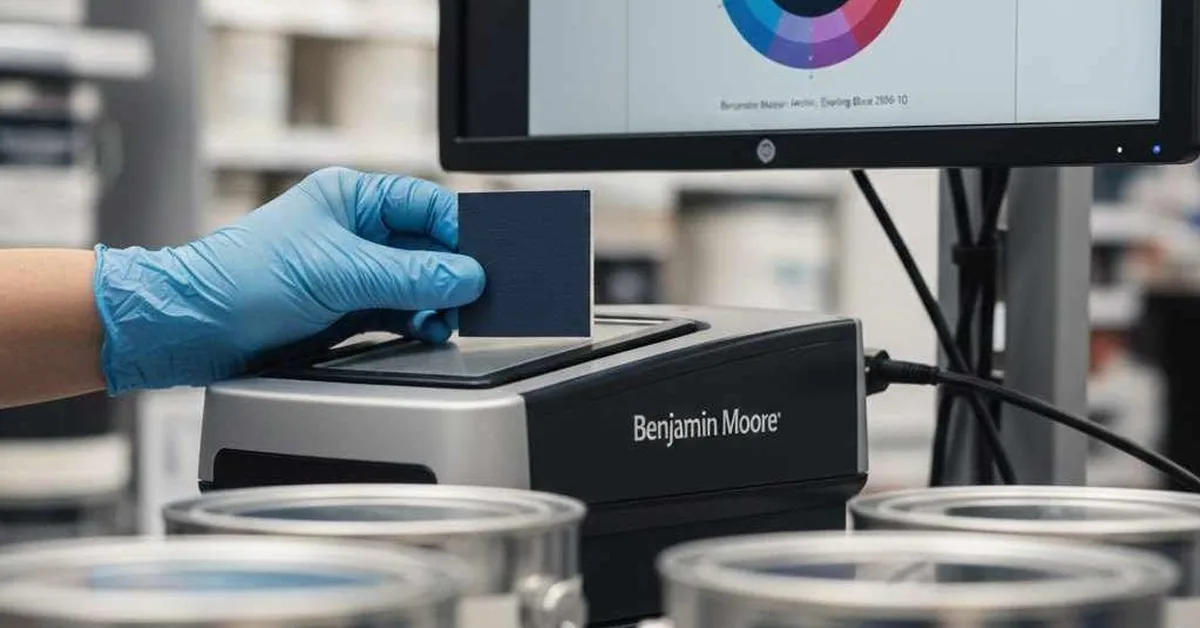
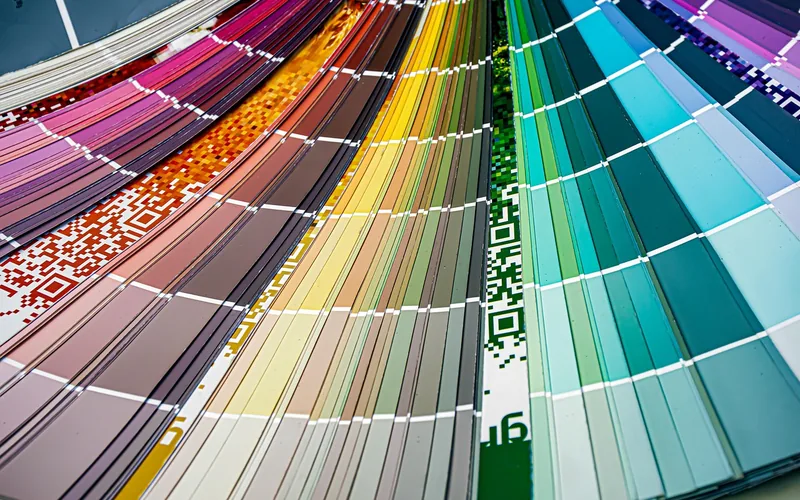
Color matching sounds simple: you bring in a sample, and a machine makes new paint that looks just like it. Most paint stores use a tool called a spectrophotometer — an instrument that reads the light reflected off your sample far more precisely than the human eye can. It analyzes that reading and builds a unique color “recipe,” then a mixing machine adds precise amounts of colorant to a neutral paint base. The result is a new can that should look just like your sample. The technology is accurate, but the final result still depends on a few variables worth understanding before you commit to a gallon.
Why Is Matching Benjamin Moore Paint Tricky?
Benjamin Moore colors have a reputation for being harder to match exactly, and that’s rooted in real chemistry, not marketing. The challenge comes down to three things: the colorants, the base, and the sheen.
The Secret Ingredient: Gennex® Colorants
Benjamin Moore uses its own patented colorants called Gennex®. Most competing brands use more universal colorants shared across different paint systems. Here’s why that matters:
- Different chemistry: Gennex® colorants are engineered specifically for Benjamin Moore’s own paint bases. A competitor’s system builds the color using its own colorant set instead — close, but not identical, the way a cake made from a slightly different ingredient list still isn’t quite the same cake.
- Zero-VOC formula: Gennex® colorants contain no added VOCs (volatile organic compounds) and are engineered for durability and color retention, which is a harder formula for a universal colorant system to replicate exactly.
The Paint Base Matters Too
Every can of paint starts as a neutral “base” before color is added, and that base has a faint tint of its own that varies by brand. A competitor’s base might run a touch brighter or carry a slightly different undertone than Benjamin Moore’s. Once colorant is added on top, that small starting difference can nudge the final shade just enough to notice.
Sheen Changes How a Color Reads
Sheen is how much light the paint’s finish reflects, and it changes how a color looks even when the underlying formula is nearly identical. A glossy paint reflects more light and reads brighter and more saturated; a flat or matte paint absorbs light and reads softer and darker. Match a Benjamin Moore eggshell with a competitor’s satin, and the two will look different on the wall even with an otherwise near-perfect formula match. Always match sheen along with color.
The Exact Tools Stores Use to Match It
Most articles on this topic stop at “stores use a computer,” which doesn’t tell you much. Here’s what’s actually running behind the counter:
- Benjamin Moore Color Match Tool: a small handheld scanner Benjamin Moore sells directly — you tap it against any flat surface and it identifies the closest color in their own catalog, no store visit required to get a starting formula.
- Benjamin Moore Color Portfolio™ app: lets you browse the full Benjamin Moore color library and, combined with the in-store tinting system, pull up an exact formula by name or number for the mixing machine to reproduce.
- Sherwin-Williams ColorSnap® Match: Sherwin-Williams’ own spectrophotometer-based system, built to scan a sample from any brand — including Benjamin Moore — and generate Sherwin-Williams’ closest equivalent formula. It’s a genuinely capable system, but it’s still translating into a different colorant chemistry.
- Home Depot and Lowe’s: both run their own proprietary computer-matching systems (tied to the Behr and Glidden/PPG paint lines they carry) with large libraries of pre-loaded competitor formulas, Benjamin Moore included, plus the ability to scan a physical chip for anything not already on file.
Every one of these tools can get impressively close. None of them can force a different chemical colorant system to produce the exact same molecule-for-molecule result as Gennex® — which is why the store you pick matters more for touch-ups than for a full room.
Your Step-by-Step Guide to Getting the Best Color Match
Ready to get that color matched? Follow these steps in order — the biggest factor in a good result is preparation, not which store you walk into.
Step 1: Get a High-Quality Paint Sample
The matching machine is only as good as the sample you give it. A poor sample means a poor match, every time.
- Find a hidden spot: behind a large piece of furniture, inside a closet, or behind a light switch plate all work well.
- Cut a clean chip: score a roughly 1-inch by 1-inch square with a sharp utility knife, deep enough to go through the paint layer and a bit of the drywall paper behind it, then gently pry the chip free with the knife’s corner.
- Keep it flat and clean: free of dust, dirt, or grease, and not bent or crumpled. A flat surface gives the spectrophotometer its most accurate reading — texture throws it off.
Step 2: Decide Where to Go for the Match
You have two main options, and the right one depends on the job.
Option A: A Benjamin Moore Store (Best for Touch-Ups)
For the most accurate match possible, start at an authorized Benjamin Moore retailer — they have access to the official bases and Gennex® colorants that created the original color. If you know the color name and number (e.g., “Chantilly Lace” or OC-65), they can pull the exact formula from their system. If you only have a chip, their spectrophotometer analyzes it against their own color library for a highly accurate result.
Option B: A Competitor Store (Best for a Full Room)
Going to a Sherwin-Williams, Home Depot, or Lowe’s is often more convenient or cheaper, and their match can be very close — often good enough that no one will spot the difference on a freshly painted, separate wall or room. It’s the small touch-ups where the gap shows: the slight color and sheen difference can create a “flashing” effect where the patch looks different from the rest of the wall at an angle. For touch-ups, stick with the original Benjamin Moore paint whenever possible.
What a Sample Pot Actually Costs
Before buying full gallons of a color match, buy a sample. Benjamin Moore sells an 8 oz. color sample for about $6.79–$6.95, which covers roughly a 2×2-foot, two-coat test patch — cheap insurance against a full gallon that doesn’t actually match. Most competitor stores price their own sample pots similarly. Skipping this step to save under $10 is the single most common reason color-matching projects go wrong.
Step 3: Talk to the Paint Pro
When you reach the paint counter, give the person mixing your paint some context instead of just handing over the chip:
- “I’m trying to match this Benjamin Moore color for a whole new room.”
- “Can you match the sheen as closely as possible? I believe the original was eggshell.”
- “This is a sample from my living room. Can you get as close as you can?”
Step 4: Always Test the Match First
Never go straight from the store to painting an entire wall. In my own shop touch-ups, the giveaway is almost always sheen, not hue — a satin patch on a five-year-old eggshell wall reads as a different color even when the can label says it’s an exact match. Test first, every time.
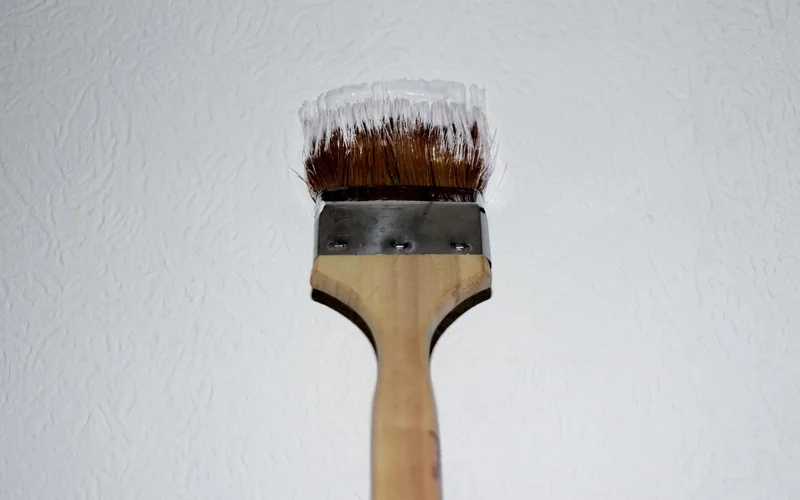
- Paint a real test swatch: at least 2×2 feet, either directly on the wall or on a large piece of poster board or scrap drywall.
- Let it dry completely: wet paint looks nothing like dry paint. Wait a few hours minimum — some colors take up to 24 hours to fully cure to their final shade.
- Check it in different light: morning sun, overcast daylight, and evening lamplight all shift how a color reads, since different bulb types (LED, incandescent, fluorescent) render color differently. Judge the swatch under every light your room actually sees before committing.
Matching Benjamin Moore vs. a Competitor: What to Expect
Here’s a simple breakdown of what to expect at a Benjamin Moore store versus a competitor.
| Factor | Benjamin Moore Store | Competitor Store (e.g., Sherwin-Williams) |
|---|---|---|
| Accuracy for touch-ups | Excellent — often a near-perfect match | Poor to fair — the patch will likely be noticeable (“flashing”) |
| Accuracy for a full room | Perfect, using the original formula | Very good to excellent — often indistinguishable to the eye |
| Ingredients used | Official Benjamin Moore bases and proprietary Gennex® colorants | Competitor’s own bases and universal colorant system |
| Sheen matching | Exact match to their own sheen levels (e.g., their Eggshell) | Close match — one brand’s “Satin” can differ slightly from another’s |
| Best for… | Touch-ups, continuing a project, or a 100% match requirement | Painting a new, separate room where a 99% close match is fine |
Tips for Color Matching Success
Understand the Undertones
Every color has undertones — subtle hints of another color that give it warmth or coolness. A gray might carry a blue, green, or purple undertone. A spectrophotometer is good at detecting these, but a competitor’s match can sometimes nail the main color while missing the subtle undertone. This is exactly why testing a real swatch matters more than trusting the formula on paper.
Old Paint vs. New Paint
The paint on your walls has been aging — exposed to sunlight, dirt, and air for months or years, which can fade or shift the color slightly. Even a brand-new can of the exact original Benjamin Moore paint might look brighter or fresher than the 5-year-old paint on your wall. For a truly seamless result on an older wall, repainting the entire wall corner-to-corner is often the better call over a spot touch-up.
A Comparison of Paint Systems
Curious about the technical differences? Here’s how Benjamin Moore’s system compares to a typical competitor using a universal tint system.
| Feature | Benjamin Moore (Gennex® Platform) | Typical Competitor (Universal Tint System) |
|---|---|---|
| Colorant type | Proprietary, water-based acrylic colorants | Universal colorants (glycol-based), shared across many paint brands |
| VOC content | Zero-VOC — colorants add none to the paint | Can add a small amount of VOCs to the final product |
| Durability | Excellent — the colorant is also a durable resin that strengthens the paint | Good — colorant is primarily pigment and can slightly weaken the paint film |
| Color fade resistance | Engineered to resist fading over time | Varies by brand and quality; universal tints can be more prone to fading |
Frequently Asked Questions (FAQ)
Can Home Depot or Lowe’s match Benjamin Moore colors?
Yes. Their paint departments run computer color-matching systems with thousands of competitor formulas already loaded, including many from Benjamin Moore. For colors not already in the system, they scan your physical paint chip. The result will be very close but likely not perfect for touch-ups, due to differences in paint base and colorant chemistry.
Do I need the original paint can or just the color name?
At a Benjamin Moore store, the color name and number (e.g., “Gray Owl OC-52”) is enough — they can look up the exact formula. At a competitor, the name still helps since they may have the formula on file. For any true custom match, though, a physical sample (a dry paint chip) remains the most accurate option.
Will the matched paint look exactly the same on the wall?
It will be extremely close, though an expert eye might spot a tiny difference. Sheen, lighting, and base chemistry all create small variations. For painting an entire room, you’ll likely never notice. For a small touch-up on an existing wall, the difference is often visible.
Why does my touch-up spot look different even with a good match?
This is usually “flashing” — the new paint’s sheen doesn’t perfectly match the old paint’s sheen, and the old paint has also aged and faded slightly from sunlight and cleaning. Even with the identical original paint, a touch-up on a years-old paint job can still be noticeable.
What is the best size for a paint chip to get a good match?
Bigger is better. The absolute minimum is about the size of a quarter, but for the best results provide a flat, clean chip at least 1 inch by 1 inch. That gives the spectrophotometer’s optical sensor a large, clear area to read, which produces a more accurate formula.
Can a store match a color from a photo on my phone?
No. Phone screens, computer monitors, and printers all display color differently and aren’t calibrated for accuracy, and the lighting in the photo itself distorts the color further. Always use a real, physical sample or a paint chip for an accurate match.
What is paint “sheen” and why is it so important for matching?
Sheen is the level of glossiness in the paint’s finish, ranging from “Flat” (no shine) to “High-Gloss” (very shiny), with Matte, Eggshell, Satin, and Semi-Gloss in between. Sheen changes how light reflects off the surface, which changes how the eye perceives the color underneath — a satin finish looks lighter and richer than the exact same color in flat. A good match requires matching the color and the sheen.
Bottom Line
Can Benjamin Moore paint be color matched? Yes — at a Benjamin Moore store using Gennex® colorants for a near-perfect result, or at a competitor using tools like Sherwin-Williams’ ColorSnap® Match or Home Depot’s in-house system for a match that’s excellent for a full room but riskier for a small touch-up. Start with a clean, flat 1-inch sample, spend the roughly $7 on a real sample pot before buying gallons, and always test a full 2×2-foot swatch under your room’s actual lighting. Do that, and you’re not guessing anymore — you’re in control of the result. For more on prepping and finishing painted surfaces, see our guide to Benjamin Moore’s Regal vs. Aura paint lines, or browse the full Paints category for more color and finish guides.
Sponsored / affiliate links. As an Amazon Associate I earn from qualifying purchases. I may earn additional commission from eligible campaigns.