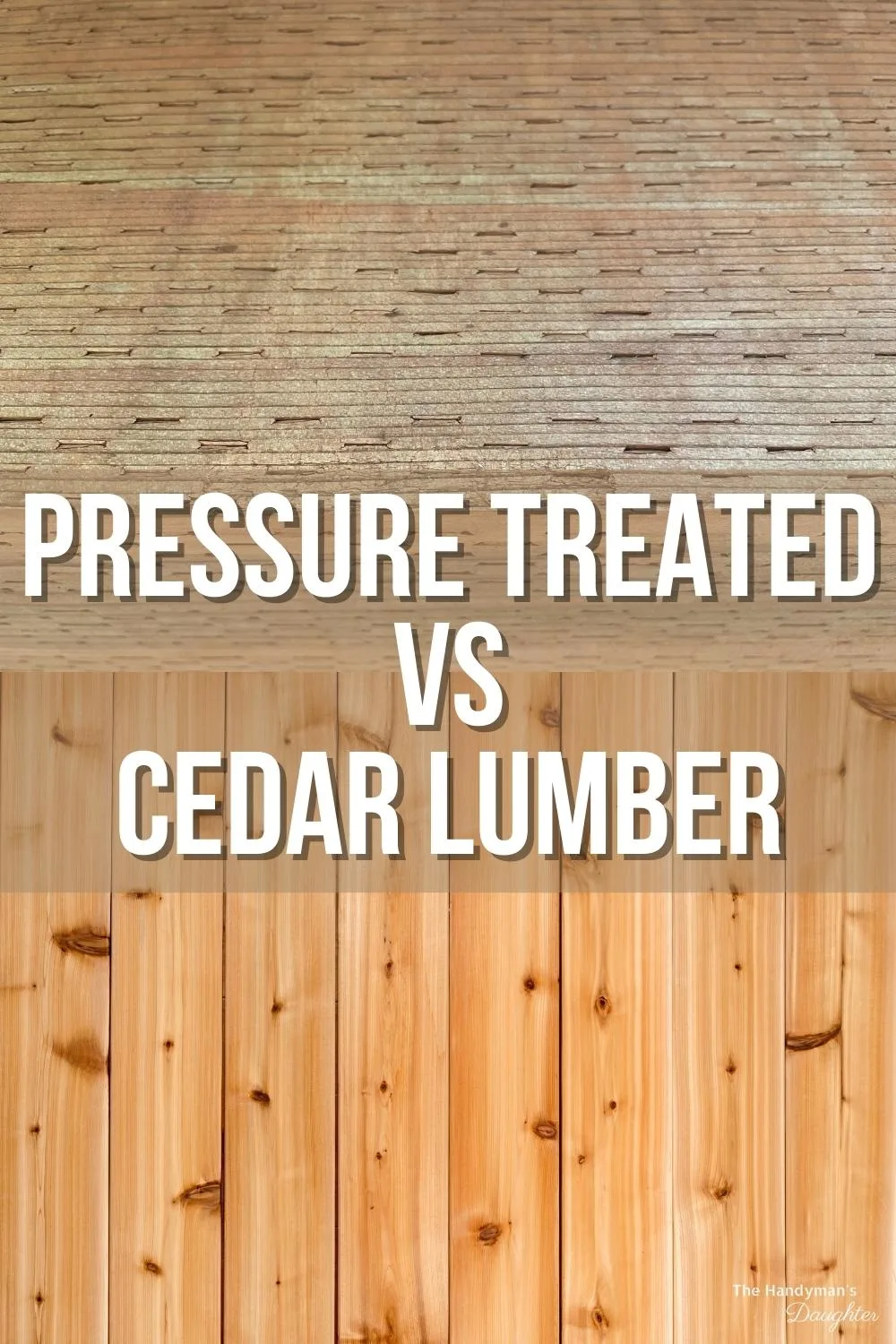
Can Cedar Be Pressure Treated?: Expert Insights and Tips
Yes, cedar can be pressure treated. Pressure treating cedar involves applying chemicals to protect it from decay, insects, and moisture.
This process makes cedar more durable for outdoor use. Cedar is a popular choice for outdoor projects because of its natural resistance to rot and insects. But, pressure treating cedar can enhance its durability even more. This treatment is especially useful for projects exposed to harsh weather, such as decks, fences, and garden beds.
By pressure treating cedar, you add an extra layer of protection, making it last longer and perform better. In this blog post, we will explore the benefits and process of pressure treating cedar, helping you decide if it’s the right choice for your project. Stay tuned to learn more!

Credit: www.familyhandyman.com
Introduction To Cedar Wood
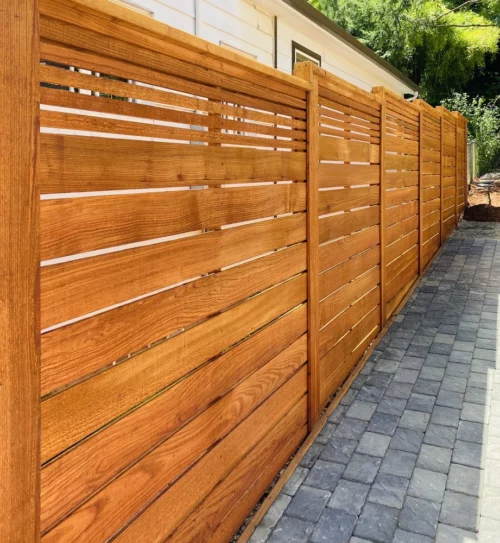
Cedar wood is known for its pleasant scent. It has a unique reddish color. Cedar is lightweight yet strong. It resists decay and insects. This makes it great for outdoor use. Cedar is also easy to work with. It cuts and shapes well. Its natural oils help preserve it.
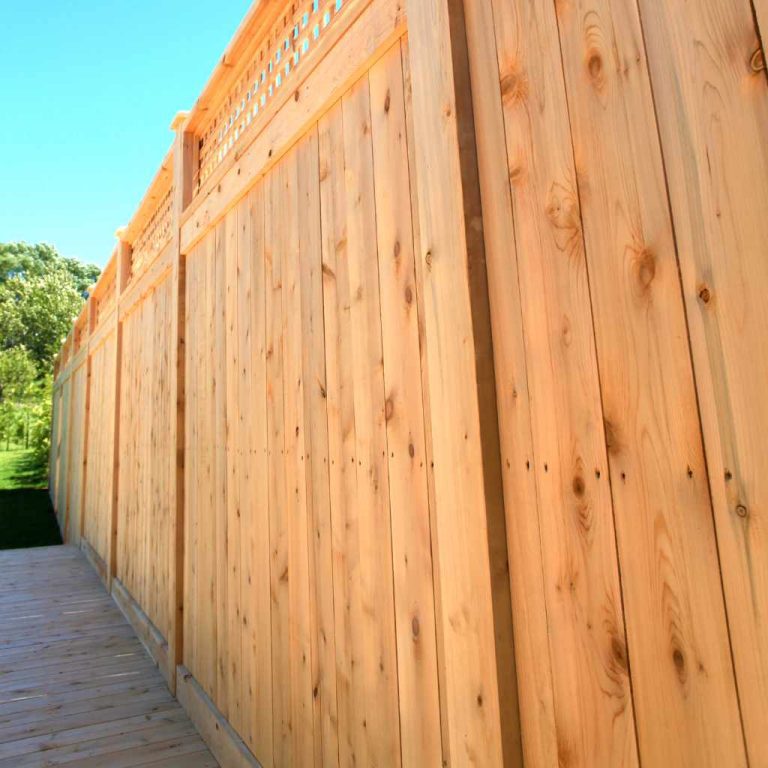
Cedar is used for many things. Fences and decks are popular choices. Many people use it for garden boxes. It is also found in furniture. Cedar closets are common too. They keep clothes fresh and free of bugs. Cedar shingles are used on roofs. They add charm and protection.
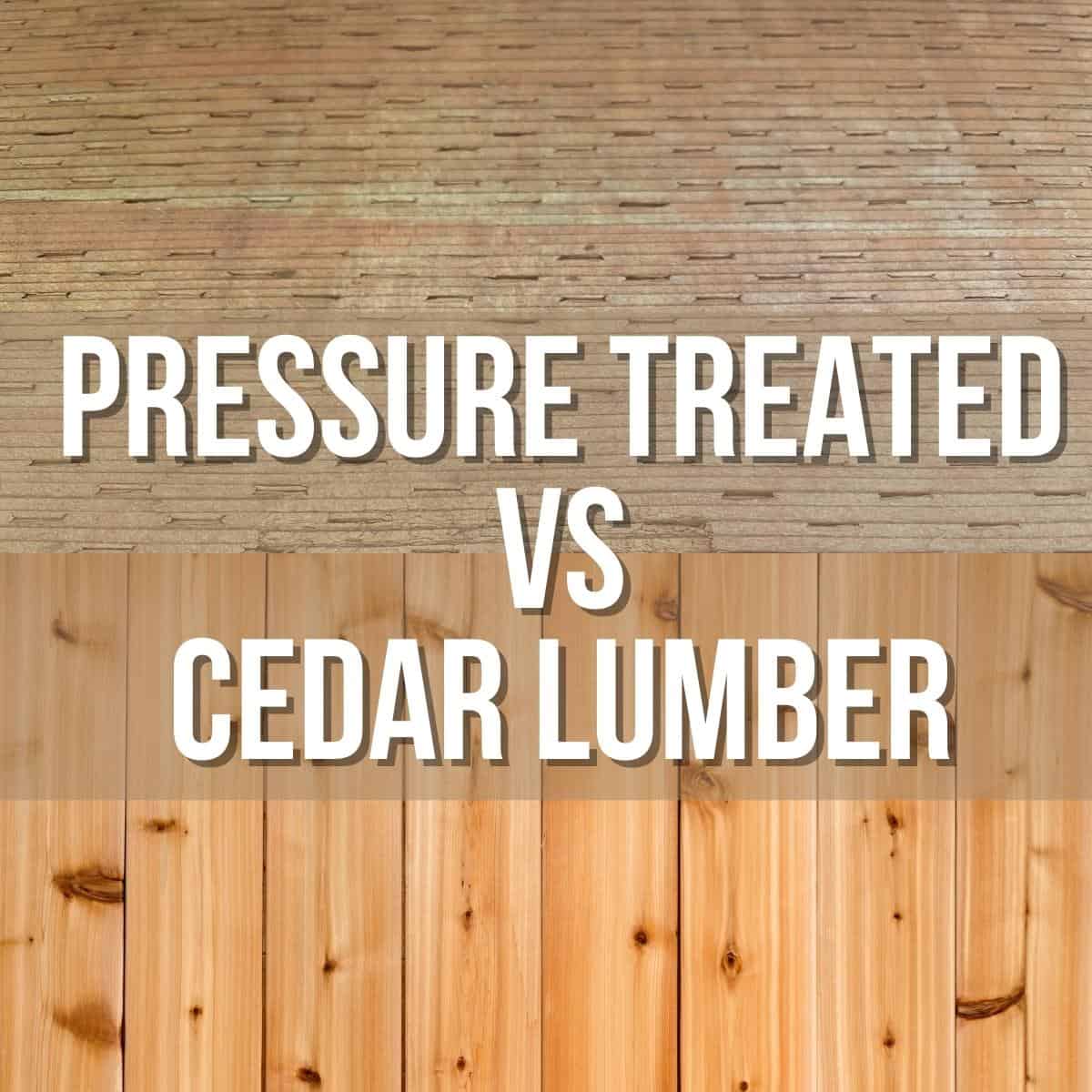
Credit: www.thehandymansdaughter.com
Pressure Treating Explained
Pressure treating wood makes it last longer. First, the wood is placed in a large tank. The tank removes air from the wood. Then, chemicals are added to the tank. These chemicals help protect the wood. The tank adds pressure to force the chemicals into the wood. This process makes the wood stronger and more durable.
Pressure-treated wood can resist insects and rot. This means the wood will not decay quickly. It is perfect for outdoor use. It can be used for decks, fences, and other structures. The wood lasts longer, saving money in the long run. It is also less likely to warp or crack. This makes it a good choice for many projects.
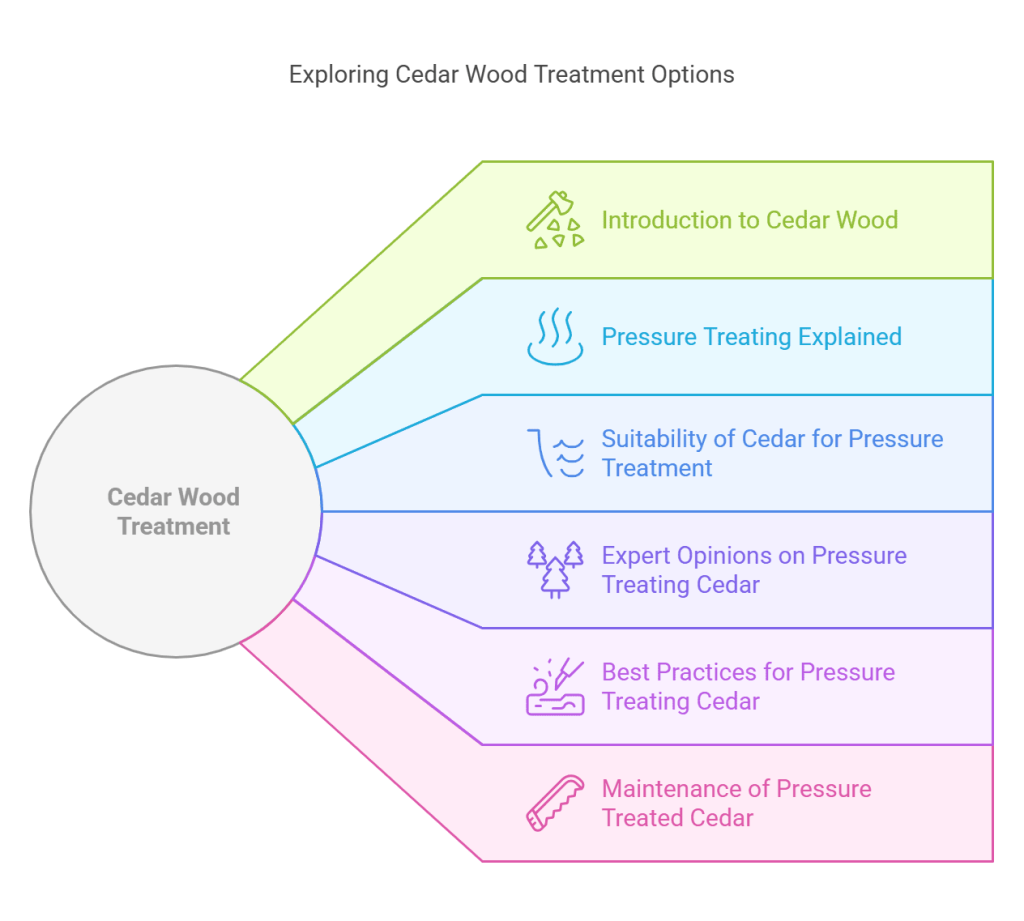
Suitability Of Cedar For Pressure Treatment
Cedar can be pressure treated, but it’s less common. The wood’s natural oils and resistance to decay often make treatment unnecessary. Pressure treating cedar could help in more challenging environments.
Pros And Cons
Cedar can be pressure treated. This process helps it last longer. Treated cedar can resist insects and rot. This is important for outdoor use. But, there are some downsides too. Pressure treatment can change the wood color. It may also make the wood less natural looking. Some people do not like this.
Impact On Wood Properties
Pressure treatment can make cedar stronger. This helps in building projects. But, it can also make the wood heavier. Treated cedar might warp or bend. This can happen if it is not dried well. Always check the wood before use.
Expert Opinions On Pressure Treating Cedar
Many experts believe cedar does not need pressure treating. Cedar wood is naturally resistant to decay. This makes it a popular choice for outdoor use. Some experts warn that pressure treating cedar can harm its natural oils. These oils help protect the wood. So, they suggest using cedar as is.
Others in the industry see benefits in pressure treating cedar. They argue that it adds extra protection. This can be useful in very harsh environments. But, this is a debated topic. So, always consider the specific use and location.
Research shows cedar has natural preservatives. These protect it from insects and rot. Studies found that pressure treating can sometimes reduce these natural defenses. But, some treatments can enhance cedar’s durability. It’s important to choose the right treatment. Some treatments are better than others.
Scientists also note that cedar’s natural beauty can be affected. Pressure treating can change the wood’s appearance. So, if looks matter, think carefully. Always weigh the pros and cons.
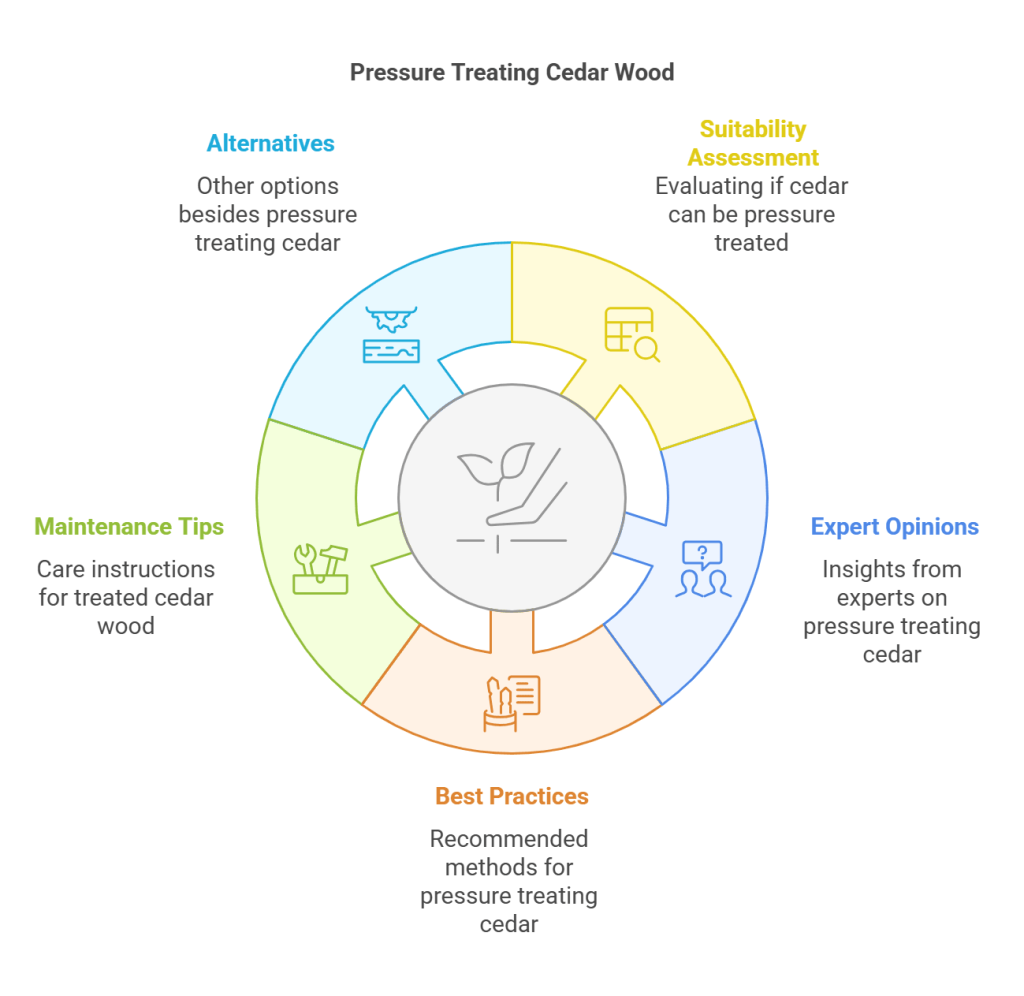
Best Practices For Pressure Treating Cedar
Start by selecting high-quality cedar. Clean the wood surface to remove dust and debris. Use sandpaper to smooth rough spots. Ensure the wood is dry and free of moisture. Inspect for cracks or damage. Fix any issues before treating. Apply a wood conditioner to open the pores. This helps the treatment to penetrate deeply.
Choose the right pressure treatment solution. Use a brush or roller for even application. Wear gloves and safety glasses for protection. Apply the treatment in thin, even coats. Allow each coat to dry completely. Repeat the process if needed for better protection. Always follow manufacturer instructions for best results.
Maintenance Of Pressure Treated Cedar
Pressure treated cedar needs regular care. Clean it often to remove dirt. Use a mild soap and water. Rinse well to avoid soap residue. Inspect the wood for damage. Fix any cracks or splits right away. Applying a sealant can help protect the wood. Do this every year. This keeps the cedar looking nice.
Long-term care is also key. Stain the cedar to keep its color. Choose a stain with UV protection. This stops sun damage. Check for pests regularly. Bugs can harm the wood. Treat the cedar if pests appear. Cover the cedar in winter. Snow and ice can cause damage. These steps will help the cedar last longer.
Alternatives To Pressure Treating Cedar
Cedar wood can be treated with natural oils. Linseed oil and tung oil are good choices. These oils protect the wood from water and insects. They also keep the wood looking good. Another option is beeswax. It can make cedar wood shine and last long. Natural oils are safe for the environment. They are also safe for people and pets.
Some people use synthetic sealers on cedar wood. These sealers can be acrylic or urethane-based. They offer strong protection against water and UV rays. Synthetic sealers last longer than natural treatments. They can keep cedar wood looking new for many years. Always follow the instructions on the sealer package. This ensures the best results and longest protection.
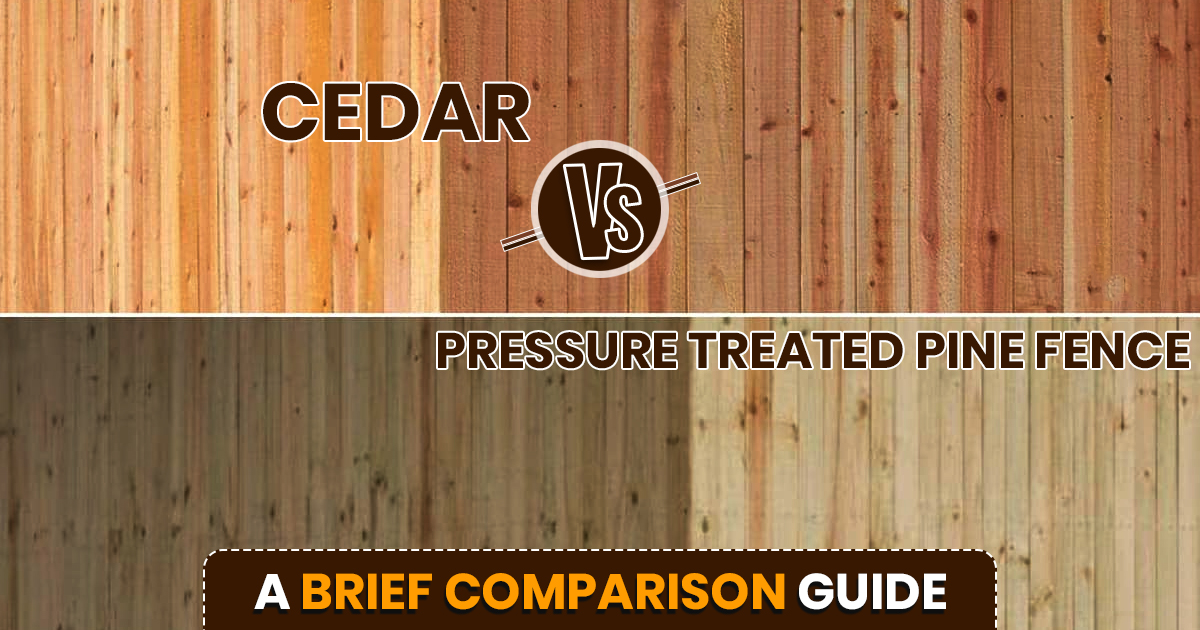
Credit: cameroontimberexport.com
Conclusion And Recommendations
Cedar is a popular wood for many uses. It has natural oils that resist decay. Pressure treating helps wood last longer. Cedar can be pressure treated, but it might lose its natural color. This process adds chemicals to the wood. These chemicals protect it from insects and rot. Some people prefer untreated cedar for its look.
Consider where the wood will be used. Outdoor use might need pressure treated wood. For indoor projects, untreated cedar is a good choice. Check with a professional if unsure.
Frequently Asked Questions
Can Cedar Wood Be Pressure Treated?
Yes, cedar wood can be pressure treated. However, it is not common due to cedar’s natural resistance to rot and insects.
Is Pressure Treated Cedar More Durable?
Pressure treated cedar is more durable against decay and insects. The treatment enhances its longevity, especially in high-moisture environments.
Does Pressure Treating Affect Cedar’s Appearance?
Pressure treating can slightly alter cedar’s appearance. The wood may take on a greenish hue but can be stained or painted.
Is Pressure Treated Cedar Safe For Outdoor Use?
Yes, pressure treated cedar is safe for outdoor use. It is commonly used in decking, fencing, and other outdoor structures.
Conclusion
Cedar can indeed be pressure treated. This process offers added protection and durability. It’s suitable for various outdoor projects. With pressure treatment, cedar wood resists decay and pests. This makes it an excellent choice for long-term use. Always choose quality treated cedar for best results.
Remember, proper maintenance ensures longevity. So, consider pressure-treated cedar for your next project. Enjoy the benefits of a durable and beautiful wood. Happy building!