Can Cherry Tomatoes Be Grown Indoors? What You Must Know
You love those sweet, little cherry tomatoes. They burst with flavor. You dream of having them fresh, right from your own home.
But can they really grow inside? It sounds like a lot of work. Or maybe impossible.
Don’t worry, we’ve all been there. Thinking about a fresh tomato in winter feels like magic.
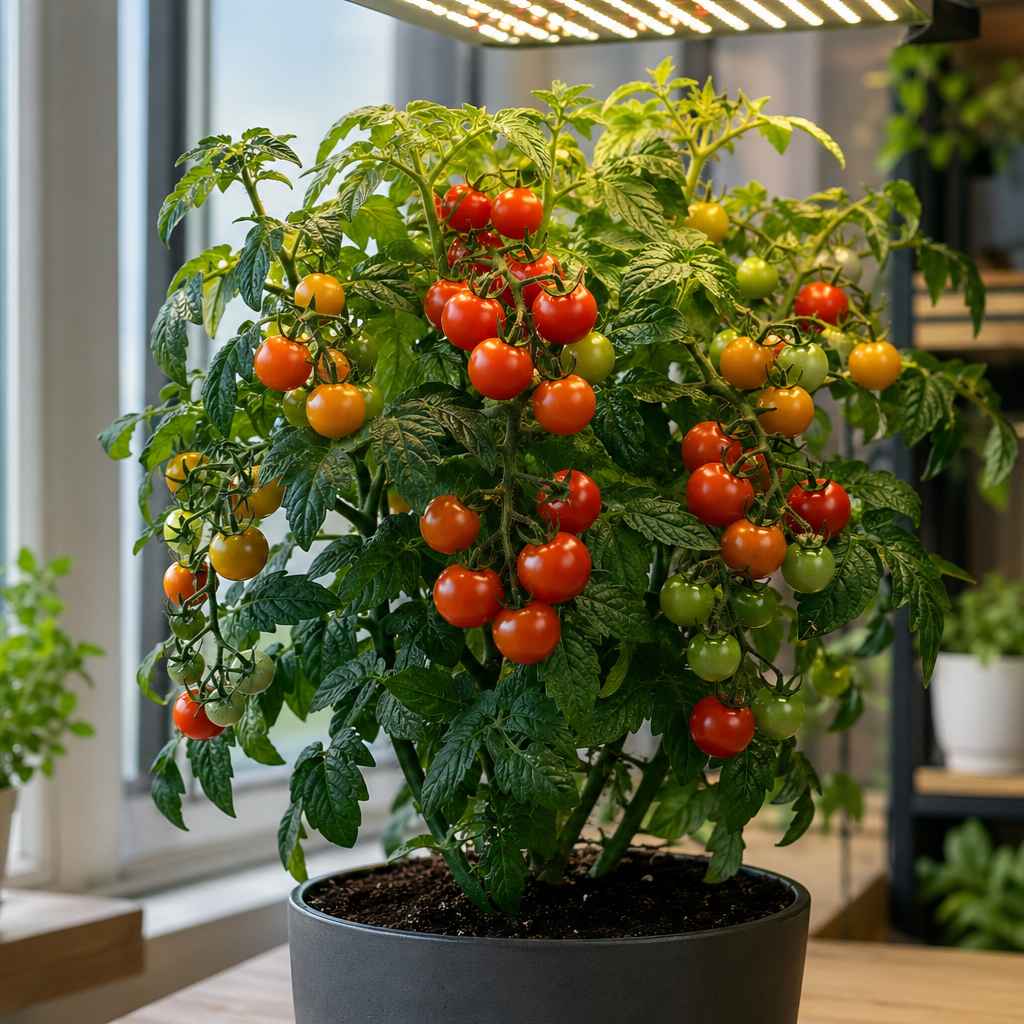
Growing cherry tomatoes indoors is absolutely possible with the right setup and care. It requires attention to light, soil, watering, and choosing the right varieties. With a bit of planning, you can enjoy fresh, homegrown cherry tomatoes year-round.
Understanding Indoor Cherry Tomato Growth
Growing plants inside is different from outside. The sun is not as strong. The air is drier.
There are fewer bugs to help. Cherry tomatoes need a lot of light. They also need good soil.
They need the right amount of water. And they need a plant that likes being inside. Many types of cherry tomatoes can grow indoors.
Some do better than others. We need to give them what they need to thrive.
Think about how tomatoes grow outside. They need many hours of sunlight each day. They need space for their roots.
They need support as they get bigger. Indoors, we have to copy these things. We have to make a small sun.
We have to provide good soil. We must watch the water closely. It is like creating a tiny greenhouse.
The biggest challenge is light. Most homes don’t have enough natural light. Windows face one direction.
The sun moves. It is often blocked by trees or buildings. This is why grow lights are so important.
They give plants the light energy they need to make food. Without enough light, plants get weak. They might not make flowers.
They might not make fruit. This is a common problem for indoor gardeners.
My Own Cherry Tomato Indoors Adventure
I remember my first try. It was a cold January day. I had a small pot on my kitchen counter.
I used regular potting soil. I put a tiny cherry tomato seed in it. I hoped for the best.
I watered it when I thought of it. I put it near the brightest window. Nothing happened for a long time.
Then a little sprout came up. It was so thin and weak. It stretched towards the window.
It looked sad. I felt a bit sad too. I had made a mistake.
I didn’t know enough. I learned that seeds need more than just dirt and a little water. They need specific care to start strong.
That little sprout didn’t make it. But I didn’t give up. I went to the library.
I looked at gardening books. I talked to people at the garden store. I learned about grow lights.
I learned about special soil. I learned that some plants are just better for indoors. This is how we learn.
We try, we fail, we learn, we try again.
Choosing the Right Cherry Tomato Varieties
Not all cherry tomatoes are created equal for indoor growing. Some get very big. They need lots of space.
Others are bred to stay small. They do well in pots. Look for words like “bush,” “dwarf,” or “container” on the seed packet.
These are good signs.
- Tiny Tim: This is a classic dwarf variety. It stays small and produces small red tomatoes.
- Micro Tom: Even smaller than Tiny Tim. Great for very small spaces.
- Red Robin: Another dwarf type. Good yields for its size.
- Window Box Roma: While not a cherry, it’s a small paste tomato good for pots. Some cherry types are similar.
These plants are less likely to get too tall. They are easier to manage indoors. They need less room for their roots too.
This is very important for pots.
The Importance of Light for Indoor Cherry Tomatoes
Light is king for plants. Cherry tomatoes need a lot of it. They need about 12 to 16 hours of bright light each day.
Most homes don’t get that much natural light. Even a sunny window isn’t enough. That’s where grow lights come in.
They are like a personal sun for your plant.
There are different kinds of grow lights. Some use fluorescent bulbs. Others use LED lights.
LED lights are very popular now. They use less energy. They produce less heat.
They can be very effective. You want a light that gives off the right spectrum of light. Plants need blue light for leafy growth.
They need red light for flowering and fruiting. Full-spectrum LED lights cover all these needs.
You need to place the light correctly. It should be close enough to the plant. But not too close that it burns the leaves.
Usually, about 6 to 12 inches above the plant is good. You will need a timer. This way, the light turns on and off by itself.
This gives the plant a regular day and night cycle. This is very important for plant health. Without a timer, you might forget to turn it off.
Or forget to turn it on. Consistency is key for plants.
Grow Light Guide for Beginners
- Type: Full-spectrum LED grow lights are best.
- Placement: 6-12 inches above plants.
- Duration: 12-16 hours per day.
- Timer: Use a simple outlet timer for consistency.
Using the right grow light can make or break your indoor tomato success. It’s an investment, but worth it.
Soil and Potting for Healthy Roots
Your cherry tomato plant needs a good home for its roots. This means the right soil and a good pot. Don’t use dirt from your garden.
Garden soil gets too hard in pots. It doesn’t drain well. It can carry bugs or diseases.
You need a good quality potting mix.
Look for a potting mix that is light and airy. It should drain water well. This prevents roots from sitting in water.
This can cause root rot. Good drainage is super important. Many potting mixes have peat moss or coir.
They also have perlite or vermiculite. These make the soil lighter. They help with air flow to the roots.
You can also add extra perlite to your mix. This improves drainage even more.
The pot size matters too. Even dwarf varieties need some space. Start with a pot that is at least 6 inches across.
As the plant grows, you might need a bigger one. Maybe 8 or 10 inches. Make sure the pot has drainage holes.
These are essential. Water needs to escape. Without holes, your plant will drown.
You can put a saucer under the pot. This catches extra water. Empty the saucer after watering.
Don’t let the pot sit in water.
Using a good potting mix helps feed your plant. But tomatoes are heavy feeders. They need nutrients.
Most potting mixes have some fertilizer. But it runs out. You will need to add more.
We will talk about feeding later. For now, focus on the soil and pot. They are the foundation.
A strong foundation means a strong plant.
Potting Mix Essentials
Look for these in your potting mix:
- Peat moss or coco coir (for moisture retention)
- Perlite or vermiculite (for aeration and drainage)
- Good drainage is the main goal.
You can also add a little compost. This gives nutrients. It helps the soil structure.
Watering Your Indoor Cherry Tomatoes Wisely
Water is life for plants. But too much or too little can be bad. For indoor tomatoes, watering is a careful balance.
The soil should be moist, not soggy. It should not be bone dry either. How often do you water?
It depends on a few things. It depends on the pot size. It depends on the soil type.
It depends on the temperature. It depends on how much light the plant gets.
The best way to know when to water is to feel the soil. Stick your finger about an inch into the soil. If it feels dry, it’s time to water.
If it feels moist, wait. You can also lift the pot. A dry pot is lighter than a wet one.
This takes some practice. But you will learn to tell.
When you water, water deeply. Water until you see it come out the drainage holes. This makes sure all the roots get water.
Then, let the pot drain. Don’t let it sit in a pool of water. Empty the saucer.
This is very important. Overwatering is a common mistake. It can lead to root rot.
It can also cause fungal diseases.
Try to water at the same time each day. Or at least keep a routine. This helps the plant.
It knows when to expect water. Use room temperature water. Cold water can shock the roots.
It can slow down growth. If your tap water is very hard, let it sit out for a day. This helps remove some chlorine.
It also lets the water reach room temperature.
Watering Check: The Finger Test
Stick your finger about one inch into the soil.
- Dry? Water thoroughly.
- Moist? Wait and check again later.
This simple test helps prevent overwatering and underwatering.
Feeding Your Indoor Tomato Plants
Cherry tomatoes are hungry plants. They need food to grow big and strong. They also need food to make flowers and fruit.
The potting mix has some food. But it runs out quickly. You need to give them more.
This is called fertilizing.
You should start fertilizing about 2 to 4 weeks after planting. Use a liquid fertilizer. Look for one that is good for tomatoes or vegetables.
Many have balanced numbers, like 10-10-10. This means they have equal parts nitrogen, phosphorus, and potassium. Nitrogen helps with leafy growth.
Phosphorus helps with roots and flowers. Potassium helps with overall plant health and fruiting.
You don’t want too much nitrogen. Too much nitrogen makes lots of leaves. But fewer flowers and fruit.
So, a fertilizer with slightly lower nitrogen might be good. Or use it less often. For fruiting, you need phosphorus and potassium.
Some fertilizers have more of these. These are good for flowering and fruiting stages.
Follow the directions on the fertilizer package. It’s usually mixed with water. Then you water the plant with it.
Don’t overdo it. Too much fertilizer can burn the plant’s roots. This is called fertilizer burn.
It can make the leaves turn brown. It can kill the plant. It’s better to fertilize a little bit more often.
Use a weaker solution more often. Than a strong solution just once.
Once the plant starts to flower and set fruit, you can switch to a fertilizer that is higher in phosphorus and potassium. This helps the plant make more tomatoes. Keep feeding it regularly.
Maybe every two weeks. But always check the plant. If leaves look pale, it might need food.
If it looks healthy, don’t overthink it.
Fertilizer Basics
What to look for:
- Liquid fertilizer for tomatoes/vegetables.
- Balanced N-P-K ratio (e.g., 10-10-10).
- Consider a bloom booster when fruiting.
How often: Follow package directions, usually every 2-4 weeks.
Pollination: Making Sure You Get Tomatoes
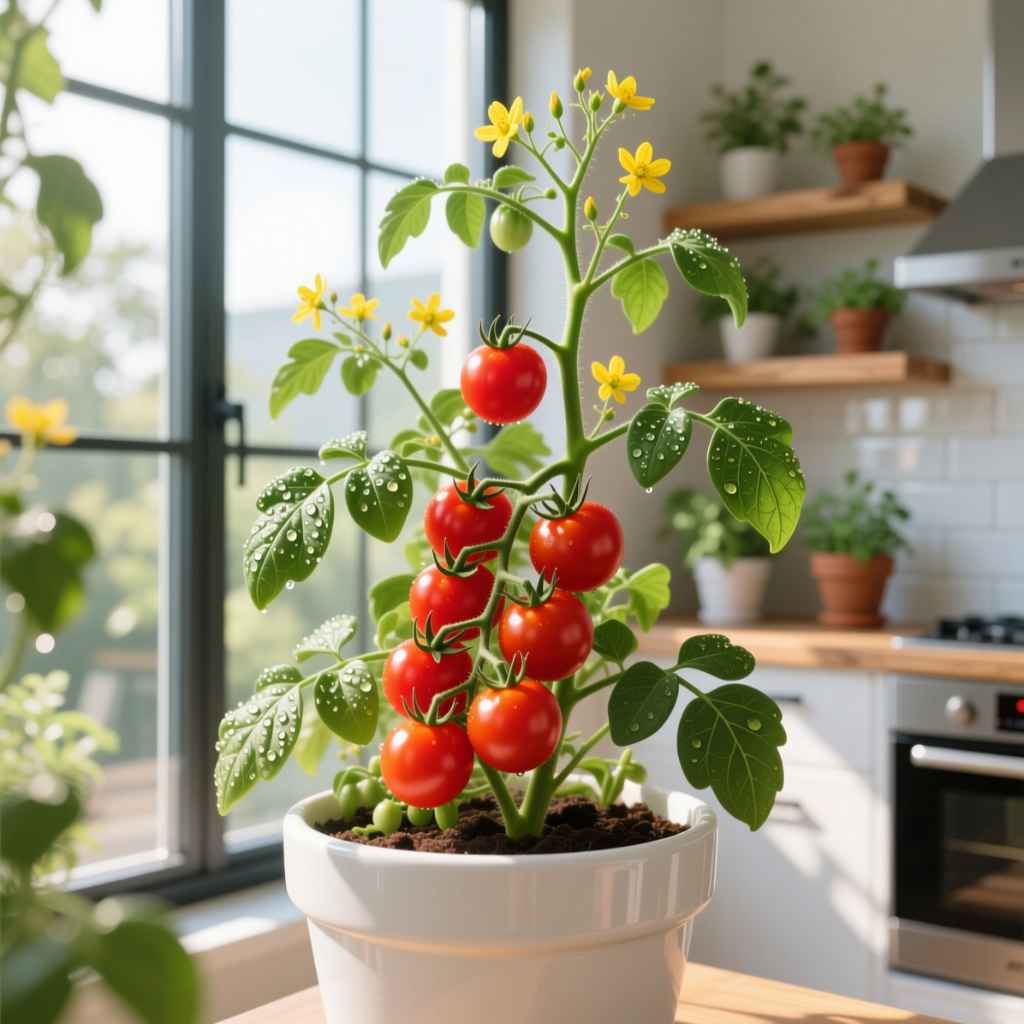
This is a tricky part for indoor plants. Outside, wind and insects help pollinate flowers. They move pollen from one flower to another.
Or even within the same flower. Indoor plants don’t have this help. Your cherry tomato plant will make flowers.
But without pollination, they won’t turn into fruit.
So, you need to help. It’s not hard. You can do it by hand.
When you see a flower that is open, gently tap the stem. Or gently shake the pot. This can make the pollen fall.
You can also use a small, soft brush. Like a paintbrush. Gently swirl it inside the flower.
This moves the pollen around. You can also take a flower. And gently rub it on another flower.
Another way is to use a fan. Set up a small fan to blow gently on the plants. This movement of air can help.
It mimics the wind. This is often enough to get pollination. Do this for a few hours each day.
Especially when the plants are flowering.
Pollination is key to getting those juicy tomatoes. You might see tiny flowers. They might fall off.
This usually means they didn’t get pollinated. Or they didn’t get enough light or nutrients. But focus on the pollination first.
It’s a simple step that makes a big difference. You want to see those little green nubs forming after the flower. That’s the start of your tomato.
Pollination Helpers
Methods to try:
- Gently tap or shake the plant/pots.
- Use a soft paintbrush inside flowers.
- Use a small fan to move air around plants.
Consistency with these methods is key.
Temperature and Airflow
Indoor plants need good air. Stale air can cause problems. It can invite pests and diseases.
It also means less carbon dioxide for the plant. Good airflow helps the plant breathe. It also helps with pollination.
A small fan can help with this too. You can use a small, quiet fan. Set it on a low speed.
Let it run for a few hours each day.
What about temperature? Cherry tomatoes like it warm. They prefer temperatures between 70°F and 80°F during the day.
At night, they can handle it a bit cooler. Around 60°F to 70°F is fine. They don’t like cold drafts.
Or being near a hot heater. Try to keep them in a stable environment. Avoid sudden temperature changes.
If your home is very dry, especially in winter, the air might be too dry for the plants. You can increase humidity. You can mist the plants.
Or place them near a humidifier. Another trick is to put the pot on a tray filled with pebbles and water. The water evaporates.
It raises humidity around the plant. Make sure the pot is not sitting directly in the water.
Good airflow is also important for preventing fungal diseases. Damp leaves can be a problem. If you water the leaves, they stay wet.
This can lead to powdery mildew. Or other issues. Watering the soil directly is best.
Good airflow helps dry off any mist or water droplets on leaves quickly. It keeps the plant healthy.
Ideal Indoor Climate
Temperature:
- Daytime: 70-80°F
- Nighttime: 60-70°F
Airflow: Use a small fan for a few hours daily. This helps prevent disease.
Humidity: If air is dry, mist plants or use a pebble tray.
Common Pests and Problems
Even indoors, plants can get pests. They might hitch a ride on new plants. Or come in through open windows.
The most common ones are aphids. These are tiny green or black bugs. They like to suck the sap from leaves and stems.
They often gather on new growth.
Another pest to watch for is spider mites. They are very small. They make fine webs on the leaves.
They also suck sap. They like dry conditions. If you see tiny dots on leaves, or fine webs, check for spider mites.
What do you do if you see pests? First, don’t panic. Most small infestations can be handled.
You can try washing them off with a strong spray of water. You can also use insecticidal soap. This is a gentle soap.
It kills soft-bodied insects. Follow the instructions carefully.
Neem oil is another good option. It’s an organic pest control. It works on many types of pests.
It’s important to treat the plant as soon as you see pests. The problem can spread fast. Check your plants regularly.
Look under leaves. Look at new growth. Early detection is key.
What about diseases? Overwatering is a big cause of problems. Like root rot.
Or fungal spots on leaves. Ensure good drainage. And good airflow.
If you see yellowing leaves, it could be many things. It could be lack of nutrients. It could be too much or too little water.
It could be a disease. Try to identify the problem.
If a plant looks very sick, it’s best to remove it. Don’t let it spread to other plants. It’s a tough choice sometimes.
But it protects your whole indoor garden. Think of it as saving the others. Regularly inspect your plants.
It’s the best way to catch problems early.
Pest Patrol Tips
Common Pests:
- Aphids
- Spider mites
Solutions:
- Water spray.
- Insecticidal soap.
- Neem oil.
Prevention: Inspect plants often. Ensure good airflow and proper watering.
When to Expect Fruit and Harvesting
Patience is a virtue when growing tomatoes. From seed, it can take about 2 to 3 months to start seeing fruit. If you start with a small plant, it might be faster.
Your plant will grow leaves first. Then it will start to bud. The flowers will appear.
If pollination is successful, small green fruits will form.
These green fruits will slowly grow. They will start to change color. This is the exciting part!
For red cherry tomatoes, they will turn from green to pink, then orange, and finally red. The color change usually happens over a week or two. The tomatoes will feel slightly soft when ripe.
They will also be full and plump.
To harvest, gently twist the tomato. Or use small scissors or pruning shears. Cut the stem just above the tomato.
This helps the plant. It also leaves a little bit of stem on the tomato. This makes it look nice.
Don’t pull the tomato too hard. You could damage the plant.
You can pick them as they ripen. Or you can let them ripen on the vine. Let them ripen on the vine for the best flavor.
The plant will keep producing. You can keep harvesting for several weeks. If you notice tomatoes splitting, it might be due to uneven watering.
Try to water consistently. This helps prevent splitting.
Enjoy your fresh, homegrown cherry tomatoes! They taste so much better than store-bought. Especially when you grew them yourself.
It’s a rewarding experience. From a tiny seed to a juicy tomato. It’s a small victory.
A taste of summer in your kitchen.
Harvesting Your Treasures
Signs of Ripeness:
- Full color (red, yellow, orange depending on variety).
- Slightly soft to the touch.
- Plump appearance.
How to Harvest:
- Gently twist or snip with scissors.
- Leave a small piece of stem if possible.
Troubleshooting Common Indoor Tomato Issues
Sometimes, even with the best care, things go wrong. Let’s look at some common problems and what they might mean.
Problem Solver Quick Guide
Yellowing Leaves:
- Lower leaves: Often a sign of needing nitrogen (fertilizer).
- All leaves: Could be overwatering, underwatering, or too little light. Check soil moisture. Ensure grow light is on enough hours.
Dropping Flowers:
- Lack of pollination (help manually).
- Too much heat or cold.
- Too much nitrogen fertilizer.
- Not enough light.
Leggy Growth (long, thin stems):
- Not enough light. The plant is stretching to find it. Move grow light closer or increase duration.
No Fruit:
- Poor pollination.
- Not enough light for flowering.
- Plant is too young or stressed.
- Too much nitrogen fertilizer.
Splitting Tomatoes:
- Inconsistent watering. Water regularly and deeply.
Summary: Can Cherry Tomatoes Be Grown Indoors?
The answer is a resounding yes! Growing cherry tomatoes indoors is a fantastic way to enjoy fresh produce year-round. It takes a bit more effort than an outdoor garden.
But the rewards are great. You get delicious, homegrown tomatoes. You learn a lot about plants.
It’s a fun project.
Remember the key things: lots of light from grow lights, good potting mix, consistent watering, and regular feeding. Don’t forget to help with pollination. And keep an eye out for pests.
With a little practice, you’ll be harvesting your own sweet cherry tomatoes. It’s a journey of growth. For you and your plant.
Frequently Asked Questions About Indoor Cherry Tomatoes
What is the easiest way to grow cherry tomatoes indoors?
The easiest way is to use a dwarf variety and provide ample light with a good LED grow light. Start with a healthy seedling from a nursery if you’re a beginner. Ensure proper soil, watering, and consistent feeding.
Regular checking for pests is also crucial.
How much light do indoor cherry tomatoes need?
Indoor cherry tomatoes need at least 12-16 hours of bright light per day. Most homes do not provide enough natural light, so using a full-spectrum LED grow light is highly recommended. Place the light about 6-12 inches above the plants.
Can I grow cherry tomatoes in a small apartment?
Yes, you can! Choose dwarf or bush varieties specifically bred for containers and small spaces. Use appropriately sized pots (start with 6-8 inches wide).
A dedicated grow light is essential, even in a small space, to ensure the plants get enough light for fruiting.
Do indoor cherry tomatoes need pollination?
Yes, they do. Unlike outdoor plants that get help from wind and insects, indoor plants need manual pollination. You can achieve this by gently shaking the plant, tapping the flowers, using a small soft brush to move pollen, or using a small fan to create airflow.
When should I fertilize my indoor cherry tomato plants?
Start fertilizing about 2-4 weeks after planting. Use a liquid fertilizer suitable for vegetables or tomatoes. Feed them every 2-4 weeks, following the package instructions.
Consider a fertilizer higher in phosphorus and potassium once the plant begins to flower and set fruit.
What causes yellow leaves on indoor tomato plants?
Yellowing leaves can have several causes. If only the lower leaves are yellow, it might be a lack of nitrogen, suggesting it’s time to fertilize. If all leaves are yellow, it could be overwatering, underwatering, or insufficient light.
Always check the soil moisture first.
How often should I water my indoor cherry tomatoes?
Water when the top inch of soil feels dry. The best way to check is by sticking your finger into the soil. Water thoroughly until you see water drain from the bottom.
Avoid overwatering, as this can lead to root rot. Ensure pots have drainage holes.
Can I grow cherry tomatoes from seed indoors?
Yes, you can grow cherry tomatoes from seed indoors. Sow seeds in small pots with a good seed-starting mix. Provide warmth and consistent moisture.
Once they sprout and have a few true leaves, transplant them into larger pots and provide grow lights. Starting with seedlings can be easier for beginners.