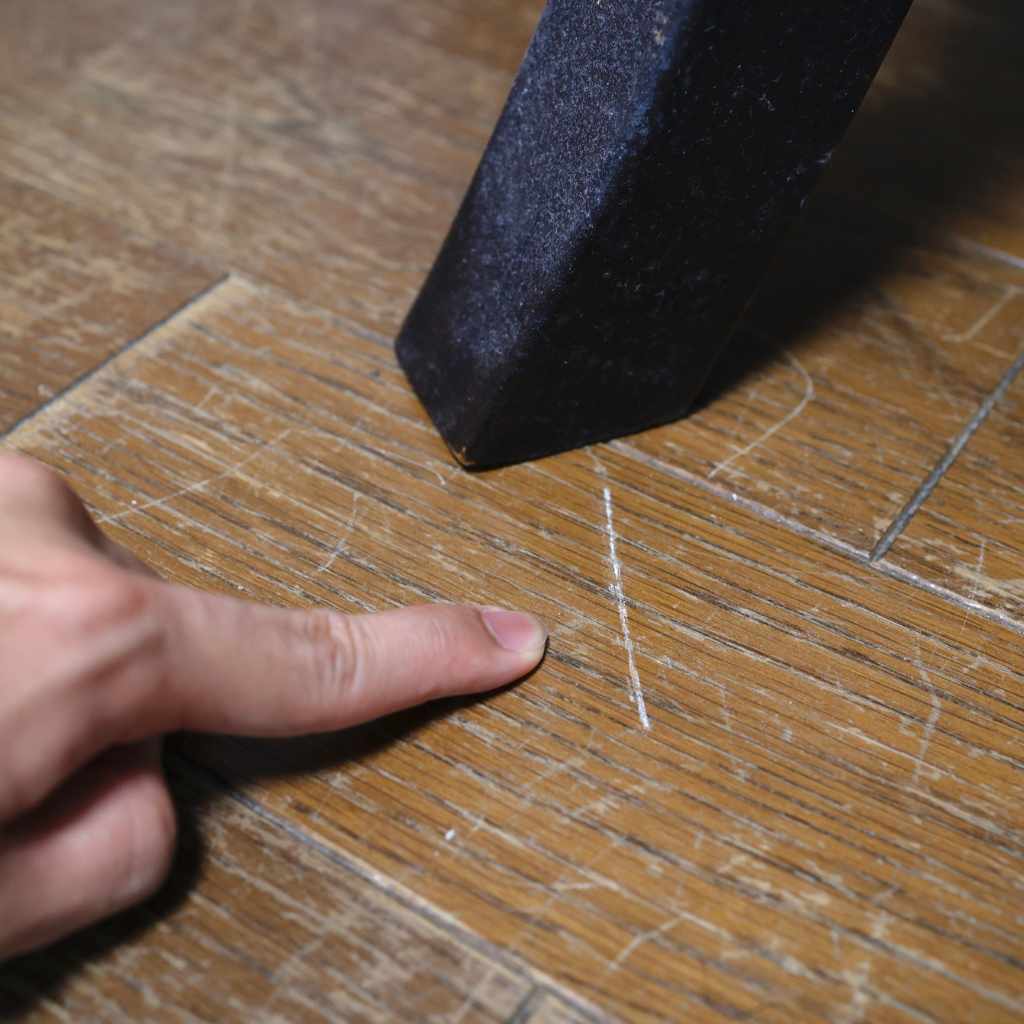
Can Dogs Scratch Wood Floors? Essential Prevention Tips
Can Dogs Scratch Wood Floors? Essential Prevention Tips
Yes, dogs can scratch wood floors, but regular nail trims, protective rugs, and durable finishes prevent most damage. Keep nails short and choose hard woods for beautiful, scratch-resistant floors you’ll love.
Do you hear that clicking sound when your dog runs across the room? It means their nails are too long. Long nails can leave scratches on your lovely wood floors. Many homeowners worry about this. It is a common problem. But do not worry! You can protect your floors easily. With simple steps, your dog and your wood floors can live happily together. In this guide, I will show you why scratches happen and how to stop them. You will learn safe ways to keep your floors looking great.
As a woodworking mentor, I love helping people enjoy their homes. Wood floors add warmth and beauty. Dogs add joy and fun. Together, they are perfect—with the right care. Let’s get started on keeping those floors safe and scratch-free.
Why Dogs Scratch Wood Floors
Dog nails are hard. They act like little tools that dig into soft surfaces. When your dog runs or turns quickly, their nails push against the floor. This can leave marks.
Not all scratches are the same. Light ones stay on the finish. Deep ones go into the wood. Bigger dogs make more pressure. Excited puppies zoom and scratch more.
Dirt on paws acts like sandpaper. It makes scratches worse. Long nails click on the floor. That is a sign to trim them.
Good news: Most scratches are preventable. With care, your floors stay beautiful for years.
Choose Scratch-Resistant Wood Species
If you install new floors, pick tough woods. The Janka hardness test measures how hard wood is. Harder woods resist scratches better.
Here is a simple table of common woods and their Janka ratings:
| Wood Species | Janka Hardness Rating | Good for Dogs? |
|---|---|---|
| Pine (soft) | 380-690 | No – scratches easily |
| Red Oak | 1290 | Okay – medium resistance |
| White Oak | 1360 | Yes – strong and hides marks |
| Hard Maple | 1450 | Yes – very tough |
| Hickory | 1820 | Best – super durable |
Choose hickory or maple for active dogs. Lighter colors and busy grain patterns hide small marks. Textured finishes like hand-scraped add character and mask scratches.
Engineered hardwood often has stronger factory finishes. It holds up well to paws.
Best Finishes for Pet-Friendly Wood Floors
The finish is your floor’s shield. Good ones protect against scratches.
Factory finishes with aluminum oxide are tough. They resist dog nails better than site-applied ones.
Matte or low-sheen looks hide marks. Glossy shows every scratch.
Here are popular finish types:
- Oil-based polyurethane: Durable and warm look.
- Water-based polyurethane: Clear and low odor.
- Hardwax oil: Natural feel, easy spot repair.
- Aluminum oxide (in prefinished): Extra strong for pets.
For more on hardness, check resources like the USDA Forest Products Laboratory. They explain wood properties simply.
How to Trim Your Dog’s Nails Safely
Short nails are the best prevention. Trim every 2-4 weeks. If you hear clicking, it is time!
Here are step-by-step instructions:
- Get good clippers or a grinder. Have styptic powder ready for accidents.
- Make your dog comfortable. Use treats and praise.
- Hold the paw gently. Look for the quick (pink part in light nails).
- Cut small bits at a 45-degree angle. Avoid the quick.
- Smooth edges with a file or grinder.
- Reward your dog a lot!
If unsure, watch videos or ask a vet. Regular walks on pavement help wear nails naturally.
Nail caps like Soft Paws are soft covers. They last 4-6 weeks and stop scratches completely.
Daily Habits to Protect Your Floors
Simple routines make a big difference.
- Wipe paws after walks. Mud and grit scratch.
- Use rugs in high-traffic spots. Entrys, halls, and play areas.
- Place mats under water bowls.
- Clean spills fast. Urine can stain if left.
- Vacuum or sweep often. Dirt acts like sand.
Booties are cute and protective for slippery floors.
Quick Fixes for Existing Scratches
Light scratches? Try these:
- Walnut trick: Rub a walnut on the mark. Oil hides it.
- Touch-up markers match your floor color.
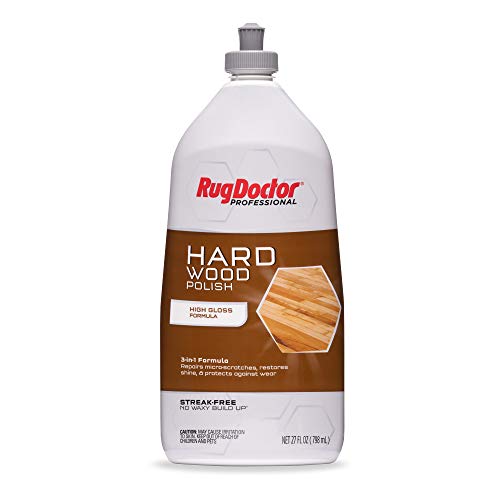
- Buff with soft cloth and wood polish.
Deep ones may need sanding and refinish. Call a pro for big damage.
Pros and Cons of Prevention Methods
| Method | Pros | Cons |
|---|---|---|
| Nail Trimming | Cheap, effective, healthy for dog | Needs regular doing |
| Nail Caps | No scratches, easy apply | Must replace often |
| Rugs and Mats | Hide marks, add comfort | Cover floor beauty |
| Hard Wood Species | Long-lasting resistance | Higher cost upfront |
| Strong Finishes | Protects whole floor | May need pro install |
Long-Term Floor Care Tips
Refinish every 7-10 years for heavy use. Add protective wax sometimes.
Keep humidity steady. Wood swells or shrinks with changes.
Train your dog calmly. Less zooming means fewer marks.
For more pet floor tips, see guides from This Old House. They have great home advice.
Frequently Asked Questions
Can all dogs scratch wood floors?
Yes, any dog can. But big, active ones do more. Short nails reduce risk a lot.
How often should I trim my dog’s nails?
Every 2-4 weeks. Or when you hear clicking on the floor.
Are nail caps safe for dogs?
Yes! They are soft and non-toxic. Most dogs forget them quickly.
What is the hardest wood for dog owners?
Hickory or Brazilian walnut. High Janka ratings mean tough against scratches.
Do rugs really help protect floors?
Absolutely. They cushion paws and catch dirt in busy areas.
Can I fix deep scratches myself?
Light ones yes. Deep ones often need sanding and pro help.
Is engineered wood better for pets?
Often yes. Factory finishes with aluminum oxide are very durable.
Conclusion
Dogs and wood floors can be best friends. Yes, scratches happen. But with short nails, smart choices, and daily care, you can keep damage minimal. Your home stays beautiful. Your dog stays happy.
Start today with a nail trim or a new rug. You will see the difference fast. Wood floors last many years with love. Enjoy every step—and every paw print along the way. You have got this!