Can You Burn Cherry Wood In A Fireplace? Pros And Cons
It’s a common question many folks have when they’re thinking about getting a fireplace or stocking up on firewood. You see beautiful cherry wood furniture, and you wonder, “Can this lovely wood also bring warmth and a nice smell to my home?” It’s a great thought, wanting to make your living space even cozier.
The idea of burning cherry wood is appealing. It looks nice and many people love its sweet scent. But, fireplaces are important parts of our homes.
We need to make sure we’re doing things safely and efficiently. So, let’s break down what you need to know about burning cherry wood.
You can burn cherry wood in a fireplace. It’s known for burning cleanly and producing a pleasant aroma, making it a good choice for indoor fires. However, like all woods, it needs to be properly seasoned to burn best and avoid problems like excessive smoke or creosote buildup.
Understanding Cherry Wood for Fireplaces
When we talk about burning wood, we’re really talking about fuel. Different kinds of wood have different properties. These properties affect how they burn.
They also affect the heat they give off. And, of course, they affect the smell and the smoke they produce.
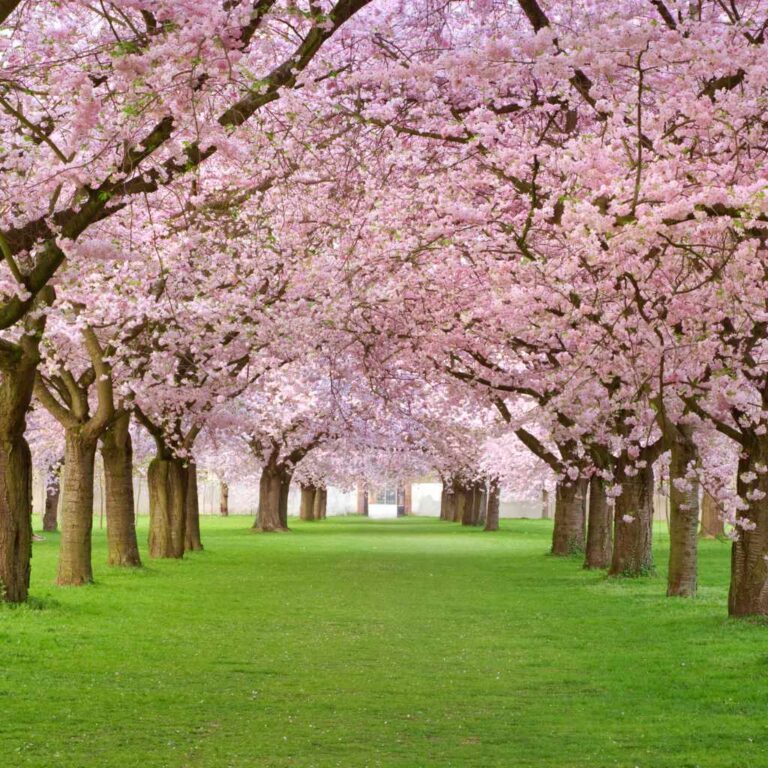
Cherry wood comes from the cherry tree. It’s a hardwood. This means it’s dense.
Density is important for firewood. Denser woods tend to burn longer and hotter. They also create more coals.
This is a good thing for a fireplace. You want a fire that lasts and keeps you warm.
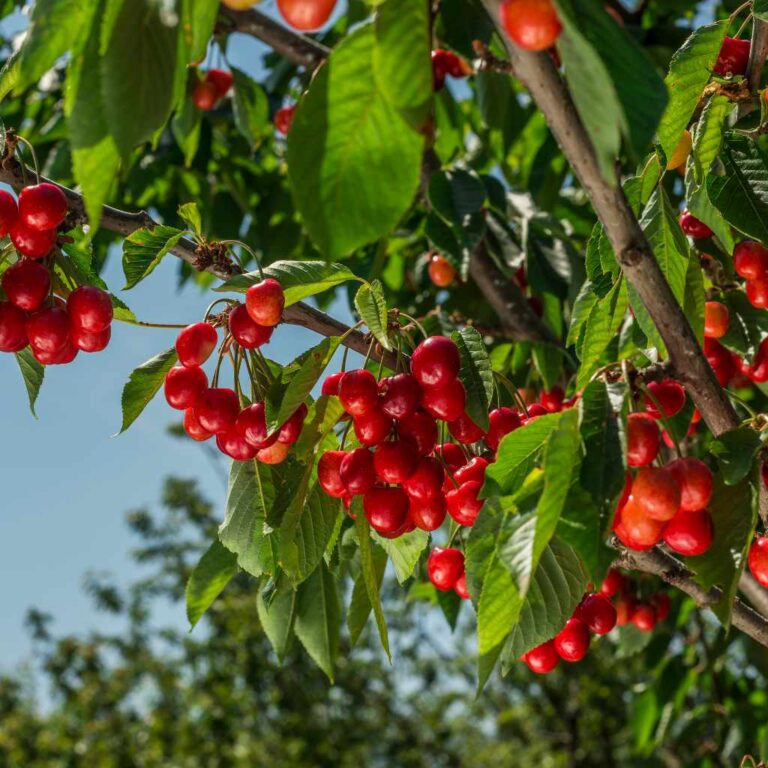
The type of cherry tree matters a bit. Most firewood comes from wild cherry or black cherry trees. These are native to North America.
They are common in forests and even in backyards. Their wood has been used for centuries for different things. Furniture, cabinets, and musical instruments often use cherry wood.
Its beauty is well-known. Now, let’s see how that translates to burning it.
The Sweet Smell: Cherry Wood’s Aroma
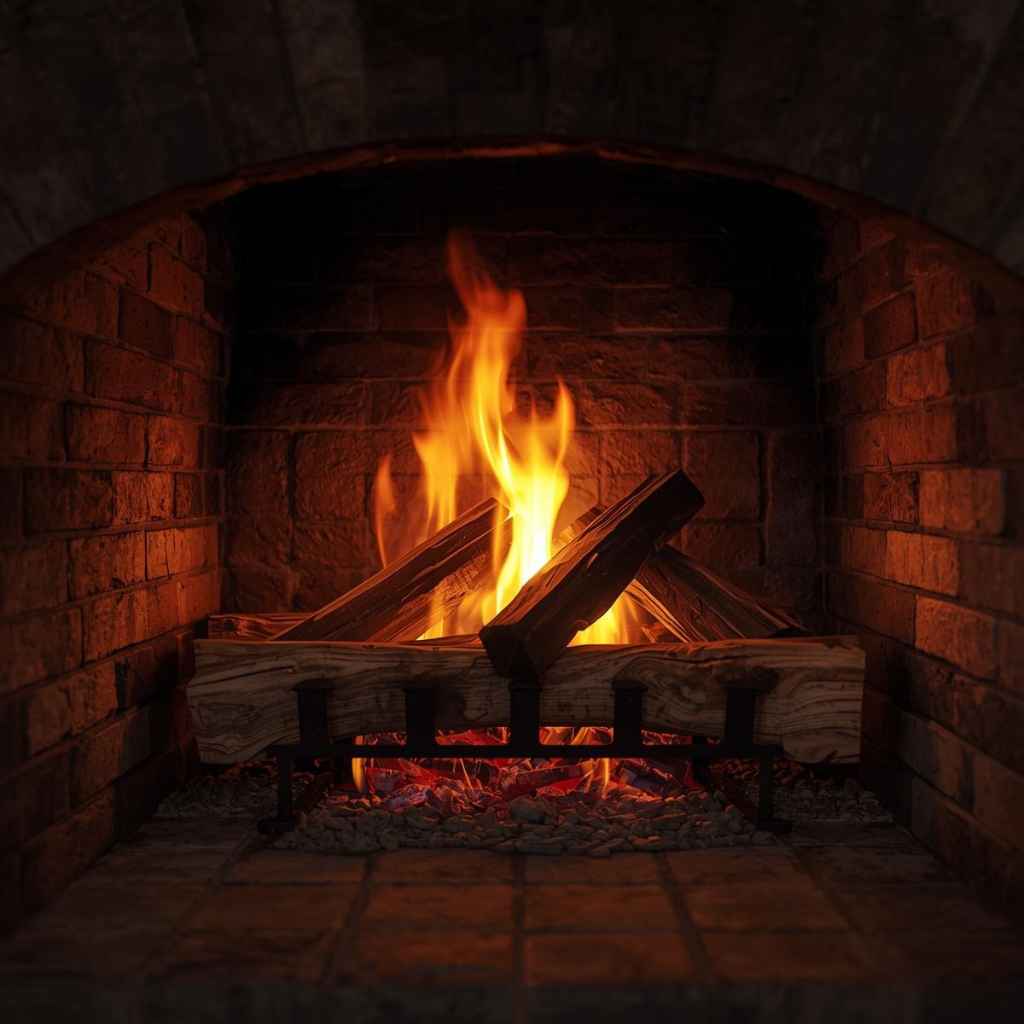
One of the biggest draws to burning cherry wood is its smell. When cherry wood burns, it releases a subtle, sweet scent. Many people describe it as pleasant and inviting.
It’s not overpowering like some woods can be. It’s more of a gentle, inviting aroma that fills the room.
Think of it like baking. Some spices are strong. Others are softer and just make a place feel homey.
Cherry wood is more like the latter. It adds a touch of warmth to the air. This is why many people enjoy it for social gatherings or just a quiet evening by the fire.
The scent itself can make the experience more enjoyable.
The aroma is strongest when the wood is first lit and when it’s burning well. As the fire dies down, the smell becomes less noticeable. But in those first few hours, it can really add to the atmosphere.
It’s a gentle perfume for your home. It makes it feel even more welcoming and cozy. This is a big plus for many homeowners.
How Cherry Wood Burns
Cherry wood burns well when it’s properly seasoned. Seasoning means drying the wood out. This is super important for any firewood.
Unseasoned (or green) wood has a lot of water. This water has to evaporate first. This uses up a lot of the fire’s heat.
It also creates more smoke and creosote. Creosote is a sticky black substance. It can build up in your chimney and cause fires.
Well-seasoned cherry wood is dense. This means it burns with a steady flame. It doesn’t spark or pop excessively.
This is good for safety. It also means you get a good amount of heat. The coals that form are long-lasting.
This provides sustained warmth. You won’t have to add logs as often as you might with lighter woods.
The burn time is generally good. It’s not as long as oak or hickory, which are very dense. But it’s much better than softwoods like pine or fir.
These softwoods burn fast and hot, but they don’t last long. Cherry wood hits a nice middle ground. It offers a good balance of heat, burn time, and pleasant scent.
It’s a solid choice for a fireplace.
Pros of Burning Cherry Wood
There are several good reasons why people choose cherry wood for their fires. Let’s look at the main benefits. These are the things that make it a popular choice for many homes.
Pleasant Aroma: As we’ve talked about, the smell is a big win. It’s a sweet, mild scent that makes a room feel warm and inviting. It’s not smoky or harsh.
This makes it great for any occasion.
Clean Burning: When seasoned properly, cherry wood burns quite cleanly. This means less smoke. It also means less creosote buildup in your chimney.
A cleaner burn is safer and requires less chimney maintenance. This is a huge benefit for homeowners. Less worry about chimney fires is always a good thing.
Good Heat Output: Because it’s a hardwood, cherry wood provides good heat. It burns with a steady flame and produces lasting coals. This means your room will stay warm for a good amount of time.
You’ll feel the cozy heat spreading through your living space.
Aesthetic Appeal: The wood itself is beautiful. It has a lovely reddish-brown color. Even when unburnt, it looks nice stacked by the fireplace.
This adds a touch of elegance to your home decor. It’s more than just fuel; it’s part of the ambiance.
Less Sparking: Compared to some other woods, cherry wood tends to spark less. This is a safety feature. Fewer sparks mean less chance of them jumping out of the fireplace and onto your rug or furniture.
It makes for a more relaxed fire experience.
Availability: In many parts of the U.S., cherry wood is reasonably available. You can often find it from local firewood suppliers. Sometimes, if you have cherry trees on your property, you might even be able to get it for free.
This makes it an accessible option for many.
These pros make a strong case for choosing cherry wood. It ticks a lot of the boxes for what people want in a fireplace experience. It’s not just about heat; it’s about the whole feeling it creates.
Cons and Considerations for Cherry Wood
While cherry wood has many great points, it’s important to be aware of potential downsides. No firewood is perfect. Understanding these helps you make the best choice for your needs and your fireplace.
Seasoning is Crucial: This can’t be stressed enough. If cherry wood isn’t properly seasoned, it will smoke a lot. It will be hard to light.
It won’t produce much heat. You’ll get that unpleasant smell of wet wood burning. Make sure you buy or cut wood that has been seasoned for at least six months to a year.
Stacked wood should look gray or pale. The ends should be cracked. It should sound hollow when you knock on it.
Cost: Sometimes, cherry wood can be a bit more expensive than other hardwoods. This is especially true if it’s kiln-dried or from a specialty supplier. Its value for furniture can drive up its price.
For pure firewood use, you might find cheaper alternatives. However, many find the added benefits make it worth the extra cost.
Ash Production: Like all hardwoods, cherry wood will produce ash. You’ll need to clean this out of your fireplace regularly. The amount of ash isn’t usually a major issue.
It’s comparable to other hardwoods like maple or ash. It’s just something to be aware of for fireplace maintenance.
Potential for Creosote: While it burns cleaner than many woods, any wood can create creosote if not burned correctly or if it’s not seasoned. Burning green wood or smoldering fires is the main culprit. Always burn seasoned wood with a good draft.
Get your chimney inspected and cleaned annually. This is a general rule for all fireplaces, not just cherry wood.
Wood Splitting Difficulty: Cherry wood is a hardwood. This means it can be a bit harder to split if you’re cutting your own firewood. If you buy it already split and seasoned, this isn’t an issue for you.
But for DIYers, it can take more effort. This is more of a preparation con than a burning con.
Thinking about these cons helps you approach burning cherry wood with the right expectations. It’s about preparation and understanding the nature of the wood.
The Importance of Seasoning
Let’s dive a little deeper into why seasoning is so incredibly important. It’s the number one factor that determines how well any wood burns. For cherry wood, it’s no different.
Think of green wood like a sponge. It’s full of water. When you try to burn it, the fire has to work hard to boil off that water.
This wastes energy. This wasted energy means less heat for your room. It also means more smoke.
And that smoky, wet burn is what creates the most creosote.
Seasoning, or drying, wood naturally reduces its moisture content. Good firewood has a moisture content of about 15-20%. Green wood can have 50% or more.
Over time, the water evaporates. This leaves the wood dry and ready to burn efficiently. Dry wood ignites easily.
It burns with a hot, bright flame. It produces minimal smoke and creosote.
How long does it take? Typically, hardwoods like cherry need at least six months to a year to season properly. This depends on your climate and how you stack the wood.
You want to stack it off the ground. You want good airflow around the logs. Covering the top of the stack helps keep rain and snow off.
But the sides should be open to allow air in.
You can tell if wood is seasoned. It will be lighter in weight. The ends will often show cracks.
It will make a hollow, ringing sound when you hit two pieces together. Green wood sounds dull. It feels heavier.
And it often has a fresh, woody smell, not the dry, slightly sweet smell of seasoned hardwood.
When you burn unseasoned cherry wood, you miss out on all its best qualities. You get a smoky, unpleasant fire. The smell isn’t sweet; it’s acrid.
The heat is poor. And you risk dangerous creosote buildup. So, always prioritize seasoned cherry wood for the best and safest fire.
Seasoning Cherry Wood Yourself
If you have access to cherry trees or can get logs, you might consider seasoning your own wood. This can save money. It also gives you control over the quality.
But it takes time and effort. Here’s a quick guide:
1. Get the Wood: Obtain logs or rounds from fallen trees. Black cherry and wild cherry are common types.
2. Buck and Split: Cut the logs into firewood lengths (about 16 inches long). Then, split the rounds into smaller pieces.
This increases the surface area. It helps the wood dry faster. Hardwoods can be tough to split, so use a good axe or log splitter.
3. Stack for Airflow: Stack the split wood off the ground. Use pallets or old lumber for a base.
Arrange the pieces so there are air gaps between them. Stack them in rows, like railway ties. This allows air to circulate freely.
4. Position for Drying: Face the stack towards the prevailing wind and sun if possible. This helps.
Ensure the sides are open to the air.
5. Cover the Top: Use a tarp or a slanted roof to protect the wood from rain and snow. Do not cover the sides.
Moisture needs to escape.
6. Wait and Check: Allow at least six months, but a full year is often better for hardwoods. Check the wood for signs of seasoning regularly.
It’s a patient process. But burning your own perfectly seasoned cherry wood is incredibly rewarding. You know exactly what went into it.
And you get to enjoy its full benefits.
Fireplace Safety and Cherry Wood
Safety is always the top concern when using a fireplace. Cherry wood, like any wood, requires careful handling. The good news is that when used correctly, it’s quite safe.
The key is proper seasoning and good fireplace maintenance.
Chimney Sweeping: Get your chimney inspected and cleaned at least once a year. This is critical. A professional chimney sweep can remove creosote buildup.
They can also check for any structural damage. This prevents chimney fires. Cherry wood, when seasoned, creates less creosote than many other woods.
But it’s not zero. Regular cleaning is non-negotiable.
Draft Control: Make sure your fireplace has a good draft. This means air can easily flow up the chimney. A good draft draws smoke away from your room.
It also helps the fire burn hotter and cleaner. If you notice smoke coming into the room, check your damper. Ensure it’s fully open.
Also, check for any blockages in the chimney, like nests.
Clear the Area: Keep the area around your fireplace clear. This means no flammable materials like curtains, rugs, newspapers, or furniture too close. A fireplace screen can help catch stray sparks.
Carbon Monoxide Detectors: Install carbon monoxide detectors on every level of your home. Especially near sleeping areas. Fireplaces can produce carbon monoxide.
This is a colorless, odorless gas that is very dangerous. Ensure your detectors have fresh batteries.
Never Leave Unattended: Do not leave a burning fire unattended. If you need to leave the room, even for a short time, consider letting the fire die down or extinguishing it. This is a basic safety rule for any fire.
Ash Removal: Let ashes cool completely before removing them. Use a metal shovel and place them in a metal container with a lid. Store the container away from the house until you are certain they are cold.
Hot embers can reignite hours later.
When you follow these safety tips, burning cherry wood in your fireplace can be a wonderfully warm and pleasant experience. The safety aspect is paramount, and it’s always worth reviewing these points.
Real-World Context: What to Expect
Let’s paint a picture of what burning cherry wood actually looks and feels like in a typical American home during a chilly evening.
Imagine you’ve just brought in a few logs of perfectly seasoned cherry wood. They have that satisfying weight. You can see faint cracks on the ends.
You arrange them in your fireplace. You light some dry kindling and paper. Soon, a small flame catches on the cherry wood.
At first, there’s a bit of crackling. Then, the fire grows. You start to notice a gentle, sweet scent.
It’s not like the sharp smell of pine. It’s softer, warmer. The flames are steady and bright, a lovely dance of orange and yellow.
They lick up the back of the fireplace.
Within about 15-20 minutes, the fire is roaring. The logs have caught well. The scent is more noticeable now.
It fills the living room. It’s subtle, but it makes the air feel richer. You notice fewer sparks flying out compared to some other woods.
The fire burns with a consistent heat. You can feel the warmth radiating into the room. It’s not an intense, scorching heat.
It’s a deep, comforting warmth that settles in.
As the evening goes on, the logs slowly turn into glowing red coals. These coals continue to radiate heat for a long time. You might only need to add a log every hour or so.
This is the beauty of well-seasoned hardwood. The fire is reliable. It’s easy to manage.
It doesn’t create an overwhelming amount of smoke. You can have a conversation without coughing. The scent remains present but never intrusive.
It’s a very pleasant, relaxed atmosphere.
When the fire finally burns down, you’re left with a bed of gray ash. This is easy to clean out. The smell lingers lightly in the air for a while.
The room still feels warm. It’s a satisfying end to a cozy evening. This is the kind of experience cherry wood can offer.
It’s about comfort, ambiance, and a touch of natural elegance.
Cherry Wood Burning Tips
- Always use seasoned wood: This is the #1 rule. Aim for 15-20% moisture content.
- Build a good base: Start with kindling and smaller pieces to get a hot base going.
- Don’t overload: Too many logs can smother the fire. Allow for airflow.
- Ensure good draft: Open the damper fully. Check for obstructions.
- Burn hot: Avoid smoldering fires. Hot fires burn cleaner and produce less creosote.
- Monitor your chimney: Schedule annual inspections and cleanings.
Comparing Cherry Wood to Other Firewood Types
To truly appreciate cherry wood, it helps to see how it stacks up against other common firewood choices. Each wood has its own personality when it comes to burning.
Oak: Oak is another very popular hardwood. It’s denser than cherry. This means oak burns longer and hotter.
It produces more coals. The downside? Oak is very hard to split.
It can also be harder to light. The aroma is generally considered neutral or slightly earthy, not sweet like cherry.
Maple: Maple is very similar to cherry in density and burn characteristics. It burns hot and clean. It also produces good coals.
Maple has a mild, pleasant scent, though generally less distinct than cherry. It’s often considered a top-tier firewood. Maple can be easier to split than cherry for some.
Hickory: Hickory is one of the densest hardwoods. It burns very hot and for a very long time. It produces excellent coals.
Hickory is famous for its smoky aroma. This is great for barbecue, but for a fireplace, some find it too strong or pungent. It’s also quite hard to split.
Ash: Ash is often cited as ideal firewood. It burns hot and has a good amount of heat output. It’s relatively easy to split.
Ash seasons quickly, often ready in about six months. Its aroma is mild. It’s a very reliable and easy-to-burn wood, similar in performance to cherry and maple but perhaps with less distinct aroma.
Pine/Fir (Softwoods): These woods are much less dense. They burn very quickly and hot but don’t last long. They spark and pop a lot.
They produce a lot of smoke and creosote. Their aroma is strong and resinous. Softwoods are generally not recommended for primary fireplace use.
They are better for campfires or quick, hot fires where you plan to add wood frequently.
So, where does cherry wood fit in? It offers a fantastic balance. It’s a hardwood, so it burns well.
It provides good heat and lasting coals. Its aroma is a significant advantage. It’s easier to split than some of the very dense hardwoods.
It’s cleaner burning than softwoods. For many people, it’s the perfect blend of performance, ambiance, and ease of use.
Cherry Wood: Myth vs. Reality
Myth:
Cherry wood is too soft for a fireplace.
Reality:
Cherry is a hardwood. It’s dense enough to burn well, providing good heat and duration. It’s not as dense as oak, but that’s not a bad thing for fireplace use.
What This Means for You: Normal vs. Concerning
Understanding when your cherry wood fire is behaving normally and when something might be wrong is important. Here’s a quick guide:
Normal Behavior:
- Steady flames: Bright, dancing flames that rise and fall gently.
- Pleasant aroma: A subtle, sweet smell filling the room.
- Good heat: You can feel comforting warmth radiating into the space.
- Glowing coals: Red, hot embers that last for a long time after the flames die down.
- Minimal smoke: Smoke goes up the chimney easily. Very little comes into the room.
- Easy ignition: The wood catches fire relatively quickly when lit.
Concerning Signs:
- Excessive smoke: Thick, black smoke pouring into the room. This is a sign of unseasoned wood or poor draft.
- Acrid or chemical smell: A sharp, unpleasant odor, not the sweet scent of cherry. This usually means wet wood or something else burning.
- Lots of sparking: Wood popping and throwing many sparks out of the fireplace. This can indicate the wood is too dry and resinous or not burning cleanly.
- Slow to ignite or smoldering: The wood struggles to catch fire or burns with very low, weak flames. This is a classic sign of green or wet wood.
- Rapid creosote buildup: You notice a tar-like substance forming quickly inside the fireplace or chimney. This is a serious fire hazard.
- Chimney fires: Loud roaring sounds from the chimney, sparks shooting out the top, or smoke filling the house. Extinguish the fire immediately and call the fire department.
If you notice any concerning signs, stop burning the wood. Assess your seasoning process. Check your chimney’s draft.
Ensure your chimney is clean. Most issues with burning cherry wood come down to improper seasoning or a lack of airflow. These are fixable problems.
Quick Checks for Seasoned Cherry Wood
- Sound: Does it make a clear ringing sound when tapped?
- Weight: Is it noticeably lighter than when it was freshly cut?
- Ends: Are the ends cracked or split?
- Bark: Is the bark loose or easily removed?
- Smell: Does it smell dry and woody, not fresh and sappy?
Frequently Asked Questions About Burning Cherry Wood
Is cherry wood safe to burn in a fireplace?
Yes, cherry wood is safe to burn in a fireplace, provided it is properly seasoned. Unseasoned wood can cause excessive smoke and creosote buildup, which are safety concerns. Always ensure your wood is dry and your chimney is clean.
Does cherry wood smell good when burned?
Many people find that cherry wood burns with a pleasant, sweet aroma. It’s not as strong as some woods, making it a subtle and inviting scent for your home.
How long does cherry wood need to season?
Hardwoods like cherry typically need to season for at least six months to a year. This depends on the climate and how the wood is stacked. Proper seasoning reduces moisture content to 15-20%.
Is cherry wood more expensive than other firewood?
Sometimes, cherry wood can be a bit more costly than common firewood like oak or maple. This is due to its popularity for furniture and its appealing burning qualities.
Can I burn cherry wood with wet bark?
No, if the bark is wet or the wood feels heavy, it is likely not seasoned. Burning wood with high moisture content will lead to poor burning, lots of smoke, and creosote. Always use dry, seasoned wood.
How much creosote does cherry wood produce?
Properly seasoned cherry wood produces less creosote than unseasoned wood or softwoods. However, all wood can create creosote. Regular chimney cleaning is still essential for safety.
What is the best way to store cherry firewood?
Store cherry firewood off the ground, stacked with good airflow on the sides. Protect the top from rain and snow, but allow air circulation. This helps it season properly and stay dry.
Final Thoughts on Cherry Wood Fires
Burning cherry wood in your fireplace can be a truly delightful experience. It brings together warmth, a beautiful scent, and a clean burn. When you choose well-seasoned wood and practice good fireplace safety, you unlock its full potential.
It’s a wood that offers a cozy ambiance. It’s more than just fuel; it’s part of creating a welcoming atmosphere in your home. So, yes, you can absolutely burn cherry wood.
And with the right preparation, you’ll find it’s a fantastic choice for many fires to come.