Can You Propagate A Cherry Blossom Tree? Easy Methods
Growing your own cherry blossom tree feels like magic. You picture delicate pink petals filling your yard. But then you wonder, can I actually grow one myself?
It’s a common question! Many people think these trees are too tricky to start from home. They imagine needing special nurseries or expert skills.
This can feel frustrating when you just want that beauty in your life.
Growing a cherry blossom tree from a cutting or seed is possible, though it takes patience. Several methods exist, each with its own success rate and effort level. This guide explores the most effective ways, making it simpler for you to start your own flowering tree at home.
Understanding Cherry Blossom Propagation
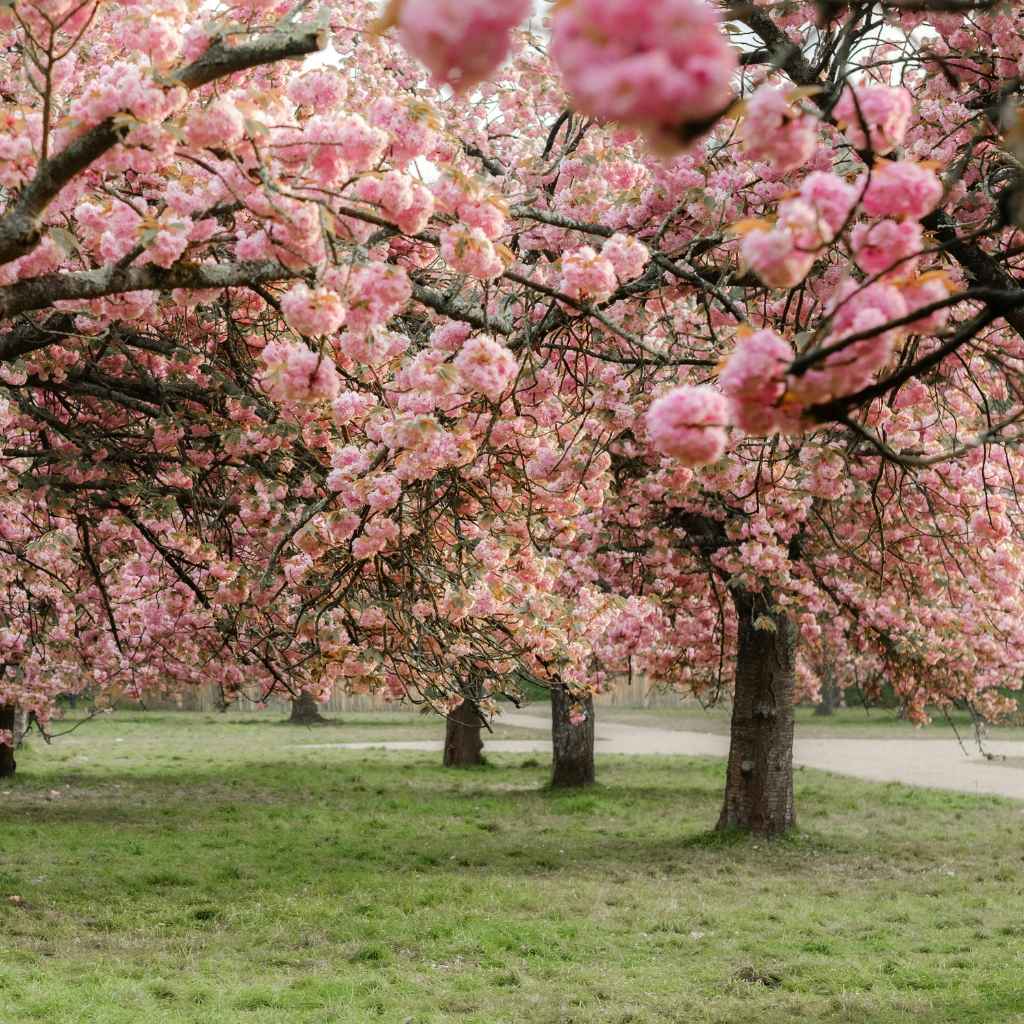
Cherry blossom trees, scientifically known as Prunus species, are cherished for their stunning spring blooms. When we talk about growing them from something new, we mean starting a new tree. This is called propagation. There are two main ways to do this. You can use parts of an existing tree, like its branches. Or you can start from its seeds.
Each method has its own rewards. Starting from a branch cutting is often faster. It also means the new tree will be exactly like the parent tree. This is very important for specific flower colors or shapes. Starting from seed can be exciting. But the new tree might not look like the parent. It’s a bit of a surprise! This is like having a baby tree.
Why Propagate Cherry Blossoms?
Many people want to propagate these trees for good reasons. Maybe you have a favorite tree. You want another one just like it. Or perhaps you want to share a beautiful tree with friends and family. Starting your own tree is also very rewarding. It connects you to nature. You watch something grow from a tiny start into something amazing. It’s a journey!
It’s also often cheaper than buying a mature tree. While it takes time, the cost is much less. You get the satisfaction of saying, “I grew this!” It’s a personal achievement. Plus, you can choose the best spot in your yard to plant it from the start. You control its early life.
Starting From Cuttings: A Hands-On Approach
Taking cuttings is a popular way to propagate many plants. For cherry blossoms, it works well if you do it right. This method uses a piece of a stem from a healthy tree. You then encourage it to grow roots. This makes a whole new plant. The new plant will be a clone of the one you took the cutting from.
This is often the preferred method for gardeners. It guarantees the traits of the parent tree. Think of it like taking a baby photo of your favorite tree. The new tree will look just like that photo. It’s a reliable way to get the exact bloom you love.
When to Take Cherry Blossom Cuttings
The best time to take cuttings is crucial. You want to choose the right moment for success. For cherry blossoms, late spring or early summer is usually ideal. This is when the tree has new growth. The stems are flexible but not too soft. This new growth is called softwood.
You can also try with semi-hardwood cuttings in late summer or early fall. These are slightly older stems. They have started to harden off. They are a bit woodier. But they are not as hard as dormant winter wood. The season plays a big role. It affects how well the cutting can root.
What You’ll Need
Gathering your supplies beforehand makes things smoother. You don’t want to stop when you’re in the middle of it. You will need a few key items.
First, sharp pruning shears or a knife. These must be very clean. Sterilize them with rubbing alcohol. This stops the spread of any sickness. You also need small pots or trays. These will hold your cuttings as they root.
Next, you need a good rooting medium. A mix of potting soil and perlite or sand works well. Perlite helps with drainage. Sand also helps keep the mix airy. Some people use a special rooting hormone powder. This can help speed up root growth. It’s like a little boost for your cutting.
Finally, you’ll need plastic bags or a clear dome. This helps keep moisture around the cutting. High humidity is key for cuttings to root.
Step-by-Step: Taking Softwood Cuttings
This is where the real work begins. Follow these steps carefully.
1. Select a healthy branch. Look for a stem that has grown this year. It should be green and flexible. Avoid any branches that look dry or sick. It should be about 4 to 6 inches long.
2. Make the cut. Use your clean shears to cut the branch. Make the cut just below a leaf node. A leaf node is a small bump on the stem where leaves grow. This is a spot where roots often form.
3. Prepare the cutting. Gently remove the leaves from the bottom half of the stem. Leave just a few leaves at the top. This stops them from rotting in the soil. If the leaves are very large, you can cut them in half. This reduces water loss.
4. Apply rooting hormone (optional). Dip the cut end into rooting hormone powder. Tap off any extra. This step is not always necessary but can help.
5. Plant the cutting. Fill your pots with the rooting medium. Make a small hole in the center. Gently push the cut end of the stem into the hole. Firm the soil around it. Make sure the leaf nodes that were underwater are buried.
6. Create a humid environment. Water the soil gently. Then cover the pot with a plastic bag. You can use a clear plastic bag. Or use a clear plastic dome. Make sure the bag doesn’t touch the leaves too much. You can use stakes to hold it up.
7. Place in a good spot. Put the pot in a warm place. It should receive bright, indirect light. Avoid direct sunlight. Direct sun can cook the cutting. Keep the soil moist but not soggy.
Caring for Your Cuttings
Patience is your best friend here. It can take several weeks or even months for roots to form. Check the cuttings regularly. You can gently tug on a cutting. If you feel resistance, roots are likely forming. You can also look for new leaf growth. This is a good sign.
Once you see roots, you can start to acclimate the cutting. Slowly open the plastic bag for longer periods. This lets it get used to less humidity. Once it seems strong, you can remove the bag completely. Then, let it grow in its pot for a few more weeks.
Cutting Success Factors
Key Tip: Always use clean tools. This prevents disease.
Light: Bright, indirect light is best. No harsh sun.
Moisture: Keep soil damp, never waterlogged.
Humidity: High humidity is vital for rooting.
Patience: Roots take time. Don’t give up too soon.
Starting From Seed: A Longer Journey
Growing cherry blossoms from seed is a different kind of adventure. It’s more like planting a mystery seed. You don’t know exactly what you’ll get. But it can be very rewarding. This process takes much longer. You’ll need to wait years for flowers.
Seeds from cherry blossoms have a special requirement. They need a period of cold to sprout. This is called stratification. It mimics winter. Without it, the seeds won’t know it’s time to grow. This is natural for many trees.
Collecting Cherry Blossom Seeds
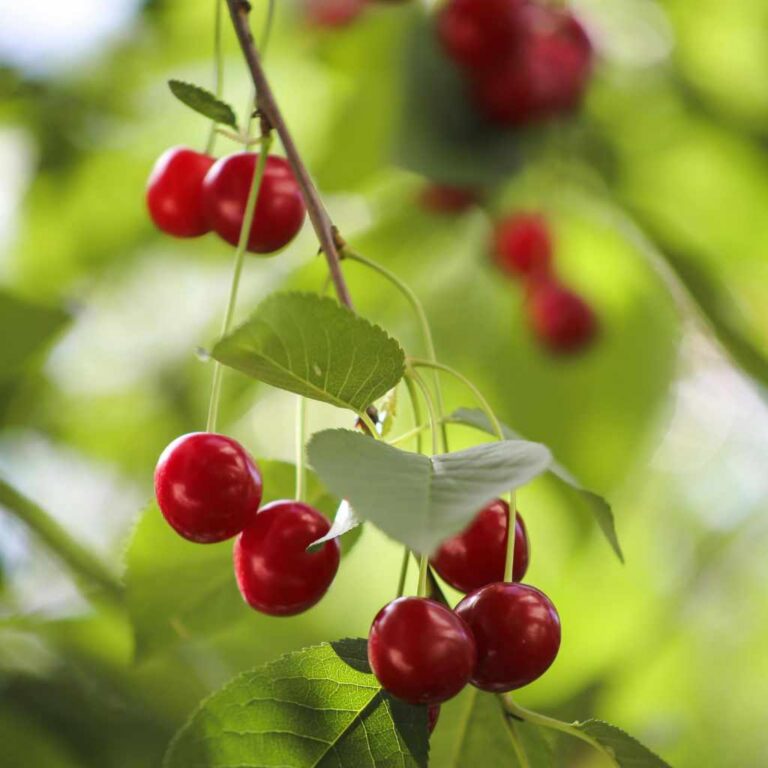
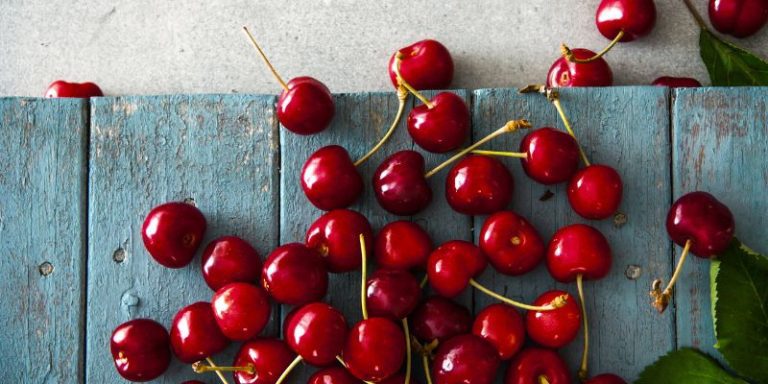
You can collect seeds from ripe cherry fruits. These fruits are small, often red or black. They appear after the flowers fade. You need to wait for them to fully ripen. Then, carefully remove the seed from the fruit. Wash away any fruit pulp.
The seeds need to be dried a bit. Let them air dry for a few days. Don’t let them get bone dry. You want them to still have some moisture. Store them in a paper envelope in a cool, dry place.
Stratification: The Cold Treatment
This is the most important step for seeds. You need to give them a cold period.
1. Mix seeds with medium. Take your dried seeds. Mix them with a damp medium. Peat moss, vermiculite, or sand works well. The medium should be moist, not wet.
2. Put in a bag. Place the seed and medium mix into a sealable plastic bag. Label the bag with the date.
3. Refrigerate. Put the bag in your refrigerator. The temperature should be around 35-40°F (1-4°C). This is like a gentle winter.
4. Wait. Leave them in the fridge for at least 2 to 3 months. Some sources say up to 4 months for best results. Check the bag every few weeks. Make sure the medium stays damp. If it dries out, add a little water.
Planting the Stratified Seeds
After the cold treatment, it’s time to plant.
1. Prepare pots. Use small pots or seed trays. Fill them with a good seed-starting mix. This mix is light and drains well.
2. Sow the seeds. Plant the seeds about 1/4 inch deep. Space them a few inches apart.
3. Water gently. Water the soil lightly. Keep it moist.
4. Provide warmth. Place the pots in a warm spot. A sunny windowsill is good. A heat mat can also help.
5. Wait for germination. Germination can take a few weeks to a few months. Be patient.
Seed Growing Timeline
Seed Collection: Late summer to fall.
Stratification: 2-4 months in the fridge.
Sowing: After stratification, in spring.
Germination: Weeks to months after planting.
First Flowers: Potentially 3-7 years, or longer.
Caring for Seedlings
Once seedlings appear, treat them gently. They are fragile. Keep the soil moist. Provide bright, indirect light. When they have a few sets of true leaves, you can transplant them. Move them to larger pots.
As they grow, they will need more space. You may need to move them to bigger containers. Eventually, you’ll plant them in the ground. Remember, it will be a long wait for flowers. This is a project for the patient gardener.
Grafting: For Guaranteed Results
Grafting is a bit more advanced. It’s often used by nurseries. It involves joining a part of one plant (the scion) to the root system of another (the rootstock). This is common for fruit trees and ornamentals like cherry blossoms. It’s a way to get the best of both worlds.
The rootstock provides a strong base. The scion is the part that will grow the desirable flowers and foliage. This method guarantees the flowers you want. It also can make the tree stronger or more resistant to diseases.
How Grafting Works
You take a piece of stem or a bud from the desired cherry blossom variety. This is the scion. You then carefully cut it and attach it to a well-rooted cherry tree seedling or a compatible rootstock. The two pieces are then bound together. Over time, they grow as one single plant.
This takes skill and practice. It’s not something most home gardeners do without learning first. But it’s why nursery-bought trees often have such consistent blooms.
Real-World Context: Bringing Your Cherry Blossom Home
Imagine you’ve successfully rooted a cutting. Or you’ve nurtured a seedling for years. Now it’s time to think about where it will live. Cherry blossom trees need specific conditions.
Location, Location, Location
Choose a spot that gets full sun. This means at least six hours of direct sunlight each day. They also need well-draining soil. They don’t like having their roots sit in water. This is why adding perlite or sand to your potting mix is helpful. Good drainage prevents root rot.
Avoid planting them too close to buildings or other large trees. They will grow to be quite large. They need space to spread their branches. Also, consider their mature size. A small cutting will grow into a magnificent tree over time.
Soil and Water Needs
Cherry blossoms prefer slightly acidic soil. A pH between 6.0 and 7.0 is ideal. You can get a soil testing kit to check your soil’s pH. If it’s too alkaline, you can amend it with organic matter like compost.
Watering is important, especially for young trees. Keep the soil consistently moist. However, as mentioned, avoid waterlogging. Once established, they are more drought-tolerant. But during dry spells, extra water is a good idea. For cuttings, consistent moisture is key until roots form.
What This Means For You: Setting Expectations
So, can you propagate a cherry blossom tree? Yes, you absolutely can! But it’s good to know what to expect.
When Success is Likely
Success is more likely with cuttings if you follow the steps. Using softwood cuttings in the right season is key. Paying attention to humidity and light is also vital. Patience is always needed.
Growing from seed is a longer game. You might not see flowers for many years. But the process itself can be a joy. It’s a connection to the natural cycles.
When to Seek Help or Try a Different Method
If your cuttings aren’t rooting after several months, don’t be discouraged. Some varieties are harder to root than others. You can try again with different branches or at a slightly different time.
If you want guaranteed results quickly, buying a grafted tree from a reputable nursery is your best bet. This is not a failure! It’s choosing a path that fits your goals and timeline.
Quick Fixes & Tips for Propagation
Here are some handy tips to boost your propagation success.
Sterilize Everything: This cannot be stressed enough. Clean tools, clean pots, clean hands.
Use Good Quality Soil: A light, airy mix is better than heavy garden soil for cuttings.
Don’t Overwater: This is a common mistake that leads to rot.
Label Your Work: Especially with seeds, note the date and type.
Observe Your Plants: Look for signs of stress or health. Adjust care as needed.
Consider Air Layering: This is another method where you can encourage roots on a branch while it’s still attached to the parent tree. It’s more involved than simple cuttings but can be very successful.
Propagation Checklist
- Sharp, clean pruners
- Rooting medium (potting soil + perlite/sand)
- Small pots or trays
- Plastic bags or dome
- Patience!

Frequent Questions About Propagating Cherry Blossoms
How long does it take for a cherry blossom tree to grow from a cutting?
It takes time for a cutting to develop roots, often several weeks to a few months. After rooting, it will need more time to grow into a strong young tree in its pot before planting out. It will then continue to grow for several years before reaching flowering maturity.
Will a cherry blossom tree grown from seed flower like the parent tree?
Not necessarily. Seeds carry genetic material from both parent trees. The resulting tree may have different flower colors, sizes, or bloom times.
It’s a bit of a surprise! If you want an exact match, cuttings or grafting are better options.
What is the best time of year to take cherry blossom cuttings?
The best time for softwood cuttings is late spring to early summer. For semi-hardwood cuttings, late summer to early fall is recommended. This timing allows the new growth to have enough energy to root successfully.
Can I use water to root cherry blossom cuttings?
While some plants root easily in water, cherry blossom cuttings generally do better in a soil-based medium. Water can lead to rot if not managed carefully, and the transition to soil can be stressful for the new roots.
How do I know if my cherry blossom cutting has rooted?
You can gently tug on the cutting. If you feel resistance, roots have likely formed. Another sign is new leaf growth appearing at the top of the cutting.
You can also carefully remove it from the pot to inspect for roots, but try not to disturb them too much.
Is it difficult to grow cherry blossoms from seed?
Growing from seed is not difficult, but it requires patience and understanding of the stratification process (cold treatment). The main challenge is the very long wait, often several years, before the tree will flower. Success rates can vary.
Conclusion: Your Flowering Dream Awaits
Propagating a cherry blossom tree is a journey worth taking. Whether you choose the directness of cuttings or the patient promise of seeds, you are creating something beautiful. It’s a way to bring that magical spring bloom into your own garden. With a little care and the right approach, your own cherry blossom tree can become a reality. Happy growing!