Can I Cut Metal With a Miter Saw?
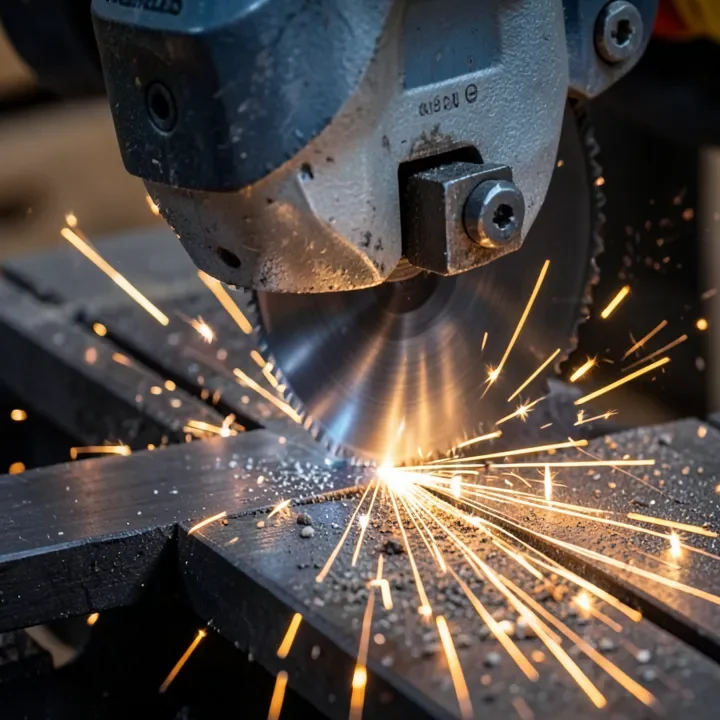
A miter saw can cut metal, but only with a metal-specific blade or an abrasive cutoff wheel – a standard wood-cutting blade will grab, chip its teeth, or throw sparks and debris dangerously instead of cutting cleanly, since wood and metal blades use entirely different tooth geometry and material.
The Right Blade Changes Everything
Best Respirator for Metal-Cutting Dust and Fumes
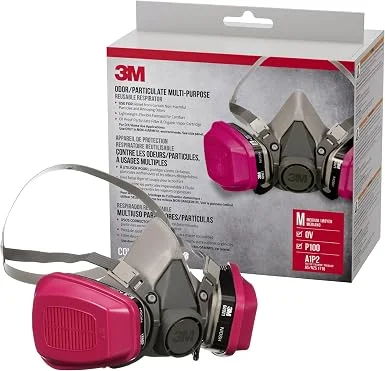 |
3M OV/P100 Multipurpose Respirator – $32.67 Cutting metal on a miter saw throws fine metal particulate the same way this guide’s safety-gear section flags for eye and hand protection, and a proper respirator covers the inhalation risk those don’t.
|
A carbide-tipped ferrous or non-ferrous metal-cutting blade, run at a miter saw’s standard speed, cuts thin metal stock (angle iron, conduit, thin-wall tubing) cleanly with far less noise, heat, and sparking than an abrasive wheel. Many manufacturers, including some Bosch and Evolution models, sell miter saws specifically rated for metal-cutting blades – swapping a blade on a wood-only saw doesn’t automatically make it safe for metal if the saw’s speed and guard design weren’t built for that use.
Checking Whether Your Saw Is Actually Rated for It
A standard wood-cutting miter saw typically spins at 3,000-5,000 RPM, which is often too fast for a metal-cutting blade’s rated maximum speed – running a metal blade beyond its RPM rating is a real safety hazard, since the blade can shatter under centrifugal force. Check both the saw’s actual RPM and the blade manufacturer’s maximum RPM rating before combining the two; don’t assume compatibility just because the blade physically fits the arbor.
What a Dedicated Metal-Cutting (Cold) Saw Does Differently
A dedicated metal-cutting “cold saw” runs at a much lower RPM than a wood miter saw and uses a coolant or lubricant to control heat during the cut, producing a cleaner cut with less blade wear than either a repurposed miter saw or an abrasive chop saw. For regular, high-volume metal cutting, a cold saw is the safer and more efficient tool – a miter saw with a metal blade is best treated as an occasional-use solution, not a primary metal-cutting setup.
Required Safety Gear
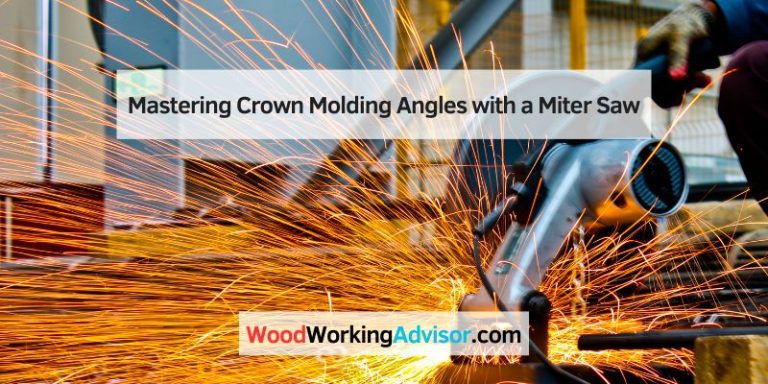
Cutting metal throws hot sparks and metal filings in a way wood cutting doesn’t, so safety glasses alone aren’t enough – a full face shield, hearing protection (metal cutting is louder than wood), and heavy gloves for handling freshly-cut hot metal edges are all genuinely necessary, not optional extras.
What Not to Cut on a Repurposed Wood Miter Saw
Thick steel, rebar, or hardened metal stock is beyond what a miter saw – even with the right blade – is built to handle safely; that work belongs on a dedicated cold saw, band saw, or angle grinder rated for the material. Reserve a wood miter saw’s occasional metal-cutting use for thin, soft stock like aluminum angle or light-gauge steel conduit.
Frequently Asked Questions
Can you cut metal with a regular wood-cutting miter saw blade?
No – a wood blade will grab or chip against metal instead of cutting cleanly. Use a carbide-tipped metal-cutting blade or an abrasive cutoff wheel rated for your saw’s RPM.
Do you need a special miter saw to cut metal?
Not necessarily, but confirm your saw’s RPM matches the metal-cutting blade’s rated maximum speed before combining the two – mismatched speed is a real safety hazard.
What metal is safe to cut on a wood miter saw with the right blade?
Thin, soft stock like aluminum angle or light-gauge steel conduit. Thick steel or rebar needs a dedicated cold saw or other metal-cutting tool instead.
Sponsored / affiliate links. As an Amazon Associate I earn from qualifying purchases. I may earn additional commission from eligible campaigns.