How Much Is A Hammer Drill? (Price Guide 2026)
The average price for a hammer drill in 2026 ranges from $50 for basic models to over $300 for professional-grade tools. The cost depends on brand, features like battery power, motor type, durability, and included accessories. Understanding these factors helps you choose wisely.
What Is a Hammer Drill and Why Does Price Vary?
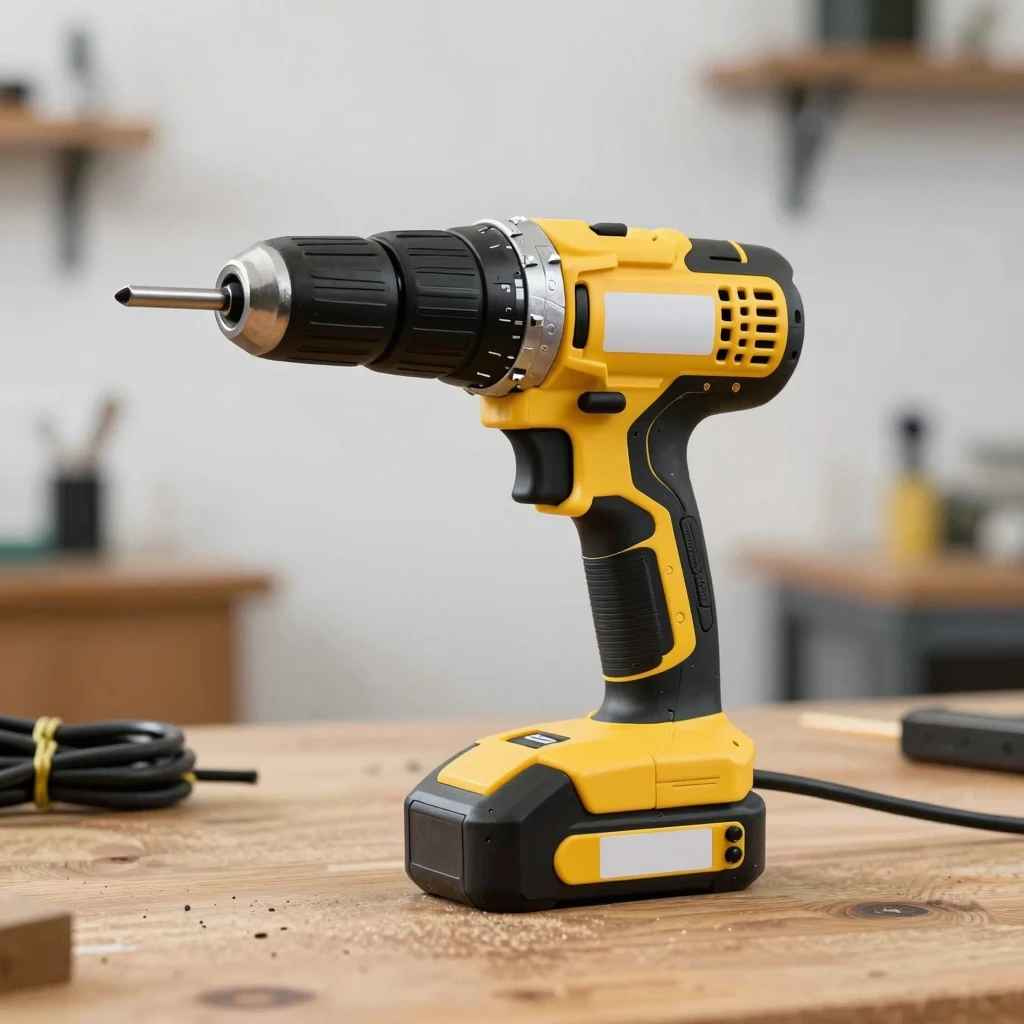
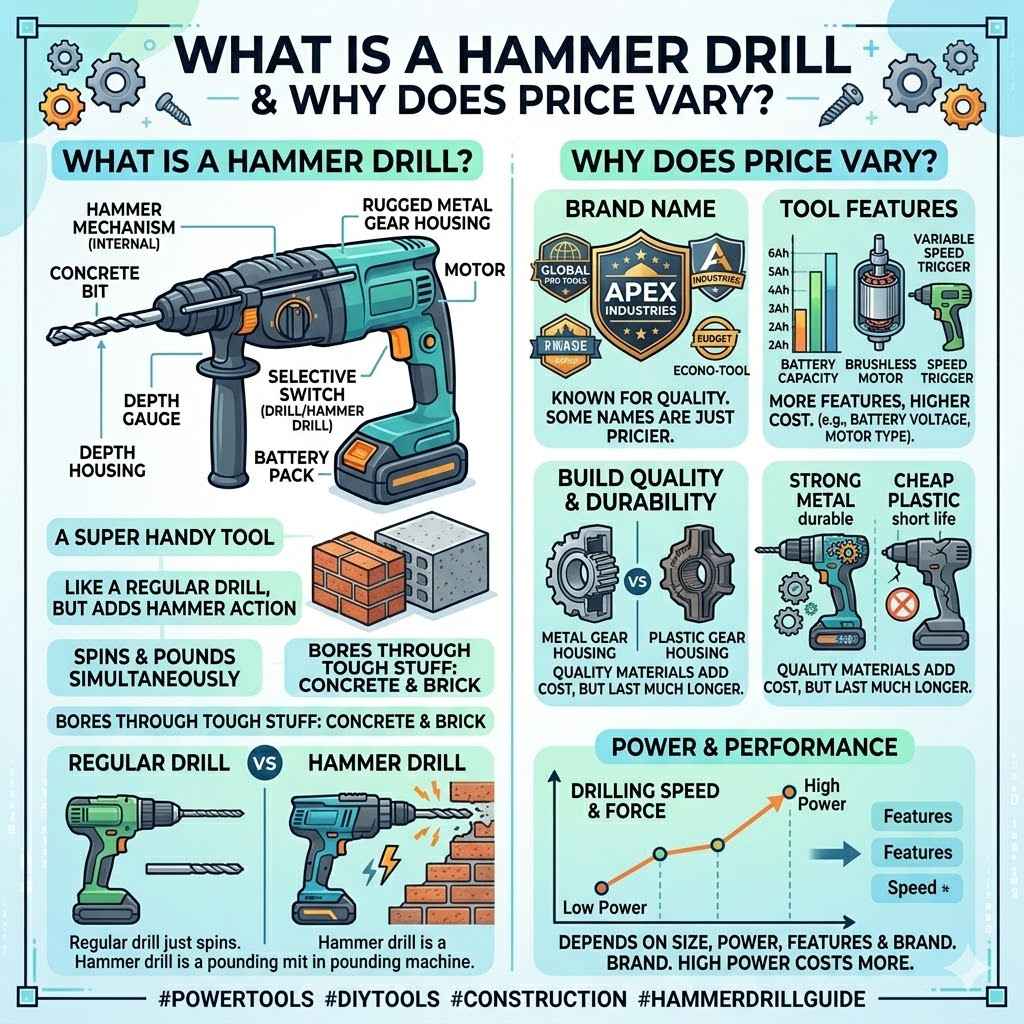
A hammer drill is a super handy tool. It’s like a regular drill, but with a twist. It adds a hammering action.
This helps it bore through tough stuff. Think concrete or brick. A regular drill just spins.
A hammer drill spins and pounds. This pounding action makes a big difference.
The price of these drills can change a lot. Why? Many things affect the cost.
The brand is a big one. Some names are known for quality. They often cost more.
Think about tools like cars. Some brands are just pricier.
Then there are the features. More features usually mean a higher price. Does it use a battery?
How strong is that battery? Is the motor brushless? These details matter.
They add to the cost of making the drill. The build quality also plays a part. A drill made from strong metal will cost more than one made from cheap plastic.
It will also last much longer.
How Hammer Drills Work: The Price Connection
The way a hammer drill works directly links to its price. There are two main types of hammer mechanisms. The first is an anvil mechanism.
This is common in less expensive models. It uses a cam and pawl system. The drill bit moves forward and backward.
It does this very fast. This is good for lighter masonry jobs.
The second type is an electro-pneumatic (EP) hammer mechanism. This is found in more premium drills. It uses a piston inside a cylinder.
It creates a much more powerful hammer blow. These drills are better for heavy-duty tasks. They can drill through thick concrete with ease.
Because this technology is more complex, it costs more to produce. This makes the drills themselves more expensive.
The motor is another big factor. Most basic hammer drills use brushed motors. These are effective but wear out faster.
They also generate more heat. More advanced drills use brushless motors. These are more efficient.
They last longer and provide more power. Brushless motors are also lighter. The technology for brushless motors is more expensive.
This raises the price of the drill.
The power source also matters. Corded hammer drills are usually cheaper. They need to be plugged into an outlet.
This means you are not paying for a battery and charger. Cordless hammer drills offer more freedom. They use batteries.
The cost of these batteries can be high. High-capacity batteries that last longer cost even more. This is why cordless models often start at a higher price point.
My First Hammer Drill: A Wallet-Friendly Story
I remember when I first needed a hammer drill. It was for a small DIY project at home. I wanted to hang some shelves on a brick wall.
My regular drill just wasn’t cutting it. I looked online and felt overwhelmed. So many prices!
I saw drills for $30 and others for $200. I didn’t know the difference.
I went to a local hardware store. The salesperson showed me a basic corded model. It was a no-name brand.
It felt a bit flimsy. But it was only $45. I thought, “That’s cheap!
It must be good enough.” I bought it. I got it home and tried to drill. It made a lot of noise.
It also vibrated a ton. I barely made a dent in the brick. I felt so frustrated.
The wall looked awful.
After that experience, I saved up. I learned more. I realized that spending a little more upfront can save a lot of headaches later.
My next drill was a mid-range cordless model. It cost about $120. It was a world of difference.
It drilled through the brick easily. It felt solid in my hand. It came with a decent battery.
That experience taught me a lot about tool prices.
Hammer Drill Price Tiers
Budget Drills ($50 – $100):
- Often corded.
- Basic motor, brushed.
- Good for light DIY, occasional use.
- May include fewer accessories.
Mid-Range Drills ($100 – $200):
- Often cordless.
- Better motor, sometimes brushless.
- More durable build.
- Good for regular DIY, semi-pro use.
- Usually come with one battery.
Pro-Grade Drills ($200+):
- High-power cordless.
- Advanced brushless motors.
- Superior durability and ergonomics.
- Designed for daily professional use.
- Often include multiple batteries and a tough case.
Factors That Affect Hammer Drill Prices
Several key factors influence how much you’ll pay for a hammer drill. It’s not just about the brand name. Let’s break them down.
Brand Reputation and Quality
Well-known brands like DeWalt, Milwaukee, Makita, and Bosch often command higher prices. This isn’t just for the name. These companies invest heavily in research and development.
They use high-quality materials. They have strict quality control. Their tools are built to last.
They also offer better warranties and customer support. Cheaper brands may cut corners on these aspects to lower costs.
Motor Type: Brushed vs. Brushless
As mentioned, brushless motors are more expensive. They are more efficient. They use less battery power.
They run cooler. They offer more torque. This means they can handle tougher jobs.
They also have a longer lifespan. Brushed motors are cheaper to make. They are less efficient.
They produce more heat. For heavy use, brushless is better. But it costs more.
Power Source: Corded vs. Cordless
Corded hammer drills are generally cheaper. They don’t need a battery. This saves on manufacturing costs.
They also offer unlimited run time. You just need an outlet. Cordless hammer drills offer freedom of movement.
The cost of the battery and charger is built into the price. Higher voltage batteries (like 18V or 20V) and higher amp-hour (Ah) ratings cost more. They provide more power and longer run time.
Battery Technology and Capacity
For cordless drills, the battery is a significant part of the cost. Lithium-ion (Li-ion) batteries are standard now. Their cost depends on their capacity.
This is measured in amp-hours (Ah). A 2.0 Ah battery is less expensive than a 5.0 Ah battery. The higher the Ah, the longer you can work between charges.
Professional-grade drills might come with multiple batteries. This adds to the overall price.
Durability and Build Materials
A drill built with metal gearing and a robust housing will cost more. These materials are stronger and last longer. They can withstand drops and rough handling.
Cheaper drills might use more plastic. This makes them lighter and cheaper to produce. But they are more prone to breaking.
For construction sites or frequent use, durability is worth the extra cost.
Included Accessories and Features
What comes in the box affects the price. Does it include extra drill bits? A durable carrying case?
A second battery? Some drills have special features like:
- LED work lights
- Variable speed triggers
- Multiple clutch settings
- Onboard level bubbles
These add value and also increase the price. A basic drill might come with just the tool and a manual.
Contrast Matrix: Drill Features & Price Impact
Standard Feature
Brushed Motor
Corded Power
Lower Ah Battery (e.g., 2.0 Ah)
Plastic Housing
Premium Feature
Brushless Motor
Cordless Power
Higher Ah Battery (e.g., 5.0 Ah)
Metal Gear Housing
Impact: Premium features offer better performance and longevity, leading to a higher price point.
Hammer Drill Price Ranges Explained (2026)
Let’s look at specific price ranges you might see in 2026. These are general estimates. Actual prices can vary based on sales and new models.
Entry-Level Hammer Drills: Under $100
These are typically corded hammer drills. They are made for light DIY tasks. Think hanging pictures on drywall or drilling small holes in plaster.
They might have a brushed motor. The build quality will be basic. They might lack features like variable speed control or multiple clutch settings.
Brands to look for in this range might include Black+Decker or some less-known brands. While they can get the job done for very occasional use, they won’t handle tough materials well. They also might not last very long with frequent use.
The hammer action might feel weak.
Mid-Range Hammer Drills: $100 – $200
This is a sweet spot for many homeowners. You can find good cordless hammer drills here. They often feature brushless motors.
This gives them more power and efficiency. They usually come with an 18V or 20V battery.
Brands like Ryobi, Skil, and some entry-level models from DeWalt or Makita fall into this category. These drills are great for a wide range of DIY projects. They can handle drilling into wood, metal, and moderate masonry.
They feel more robust and comfortable to use. They might come with a single battery and a basic charger.
High-End / Professional Hammer Drills: $200 – $400+
These are the workhorses. They are built for daily use by professionals. You’ll find top-tier brands here: Milwaukee, DeWalt, Bosch, and high-end Makita models.
These drills boast powerful brushless motors. They offer excellent torque and hammer impact.
They are constructed with the highest quality materials. They are designed for maximum durability and ergonomics. Batteries are usually 20V MAX or higher, with 4.0 Ah or 5.0 Ah capacities.
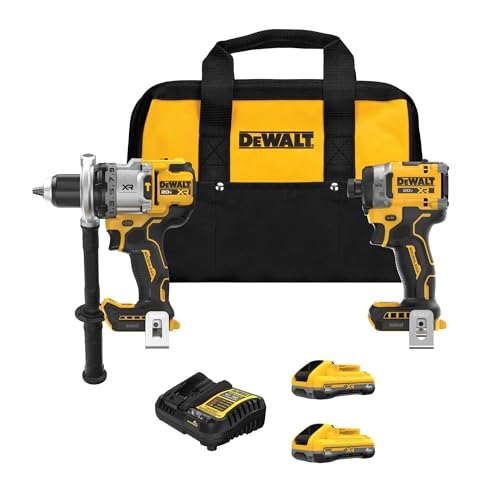
These kits often include two batteries, a fast charger, and a heavy-duty carrying case. They are the best choice for demanding construction jobs or frequent work on concrete and brick.
Quick-Scan Price Comparison
| Price Range | Typical Features | Best For |
|---|---|---|
| Under $100 | Corded, brushed motor, basic build | Very light DIY, occasional use |
| $100 – $200 | Cordless, brushless motor, good build, 1 battery | Regular DIY, moderate projects |
| $200 – $400+ | High-power cordless, top brushless motor, premium build, 2 batteries, case | Heavy-duty DIY, professional use |
Hammer Drill vs. Rotary Hammer: Understanding the Difference and Cost
It’s important to know that a hammer drill is not a rotary hammer. They look similar. But they work very differently.
This difference also affects their price.
A hammer drill, as we’ve discussed, has a mechanical hammer action. It’s good for drilling into softer masonry like brick or block. It can also drill into wood and metal like a regular drill.
A rotary hammer uses an electro-pneumatic mechanism. This provides a much more powerful hammering action. It’s designed specifically for drilling into hard concrete.
It can also be used for light demolition tasks, like chiseling.
Rotary Hammer vs. Hammer Drill: Key Differences
Hammer Drill:
- Mechanical hammer action (anvil).
- Good for brick, block, wood, metal.
- Lighter duty applications.
- Price: $50 – $400+
Rotary Hammer:
- Electro-pneumatic hammer action.
- Excellent for concrete, stone.
- Can chisel/demolish.
- Heavier duty applications.
- Price: $100 – $600+
Because rotary hammers are built for tougher jobs, they use more advanced engineering and stronger materials. This makes them significantly more expensive than hammer drills. A basic rotary hammer might start around $100, but professional models can easily go over $600.
If your work involves a lot of concrete, a rotary hammer is the better tool, but it comes at a higher cost.
Real-World Scenarios: When Price Matters Most
The context in which you’ll use a hammer drill heavily influences what price point is appropriate.
The Weekend DIYer
If you’re the type of person who tackles a few projects around the house each year, a budget-friendly corded drill or a mid-range cordless model might be perfect. You don’t need the most powerful or durable tool. A drill in the $50-$150 range should suffice.
You’ll likely use it for hanging pictures, assembling furniture, or maybe drilling a few holes for garden projects.
The Enthusiastic Homeowner
For those who love to renovate, build decks, or undertake larger home improvement projects, investing in a mid-range to high-end cordless hammer drill makes sense. You’ll want something with more power and better battery life. A brushless motor is a big plus here.
Expect to spend between $150-$300. This price range offers a good balance of performance, durability, and features for frequent use.
The Professional Tradesperson
If you’re a contractor, builder, or electrician, you need a tool that can handle daily, rigorous use. Durability, power, and ergonomics are paramount. You’ll be looking at professional-grade cordless hammer drills from top brands.
These cost $250-$400 and up. They are built to withstand job site abuse and perform consistently. The investment pays off in reliability and efficiency.
Specialty Applications
Some jobs require specific features. For example, drilling into very hard stone or rebar might necessitate a more powerful hammer drill or even a specialized rotary hammer. If you need a drill with very precise speed control for delicate materials, that feature might add to the cost.
Always consider the hardest material you plan to drill.
What This Price Tells You About the Drill’s Performance
Generally, the higher the price, the better the performance and longevity you can expect. But it’s not always a direct relationship. You can overpay for features you don’t need.
When a Higher Price is Worth It
- Power and Torque: More expensive drills often have stronger motors. They can drill faster and through tougher materials without bogging down.
- Battery Life and System: Cordless models in higher price brackets come with better batteries. If you already own tools from a certain brand, sticking with that battery platform can save money.
- Durability and Longevity: Premium tools are built to last. They use better components and have more robust construction. This means fewer repairs and replacements over time.
- Ergonomics and Comfort: More expensive drills are often designed for better balance and reduced vibration. This makes them more comfortable to use for extended periods.
When You Might Be Overpaying
- Brand Name Alone: Sometimes, you pay a premium just for a logo. Do your research to see if the performance matches the price.
- Unnecessary Features: Do you really need a laser guide or a built-in level if you already have one? Avoid paying for features you won’t use.
- Outdated Technology: Be wary of high-priced older models when newer, more efficient versions are available.
It’s about finding the right balance for your specific needs. A $50 drill might be a waste of money if it can’t do the job. A $300 drill might be overkill if you only need it once a year.
Quick Fixes and Tips for Hammer Drill Buyers
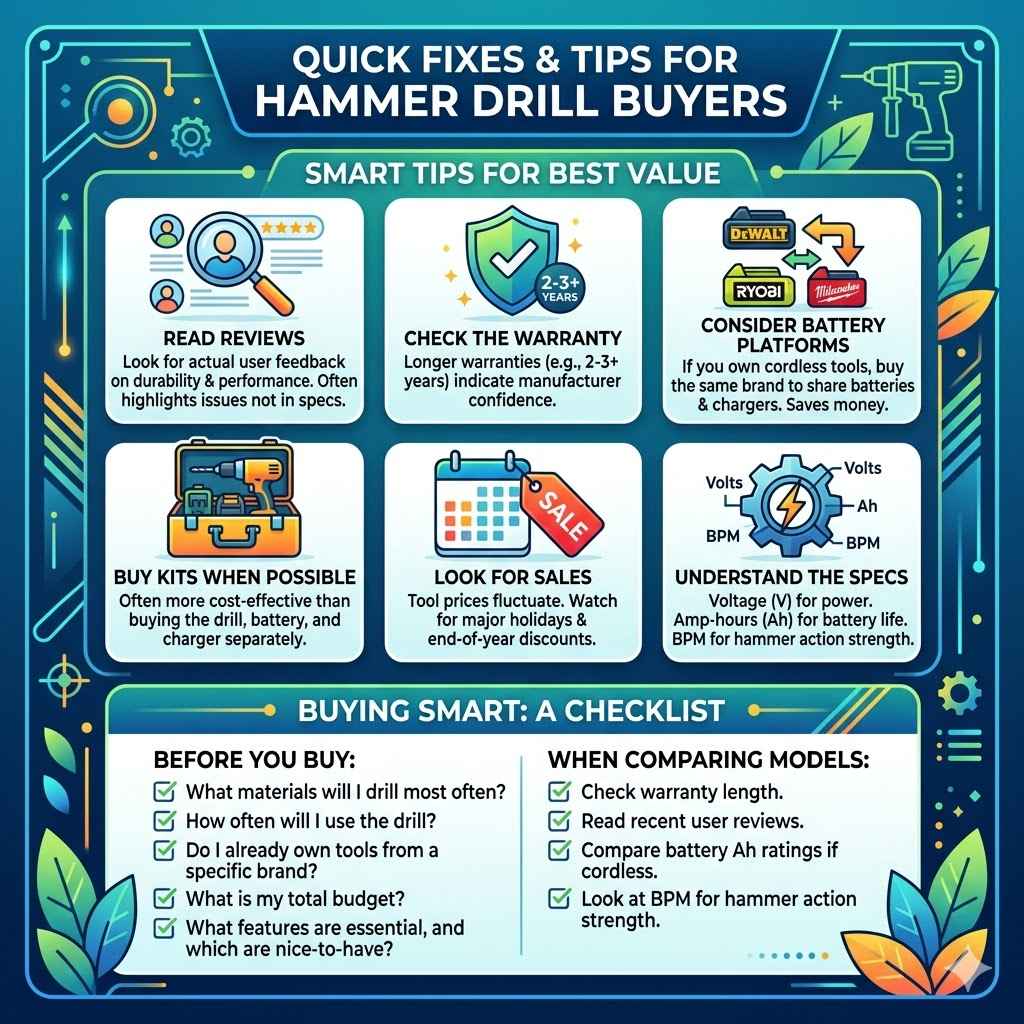
Here are some smart tips to help you get the best value when buying a hammer drill.
- Read Reviews: Look for reviews from actual users. They often highlight durability issues or performance problems that manufacturers don’t mention.
- Check the Warranty: A longer warranty (2-3 years or more) often indicates the manufacturer’s confidence in the tool’s quality.
- Consider Battery Platforms: If you own other cordless tools from a brand (like Ryobi, DeWalt, Milwaukee), buying a hammer drill from the same brand lets you share batteries and chargers. This can save you a lot of money.
- Buy Kits When Possible: Hammer drills often come in kits with batteries and chargers. These kits are usually more cost-effective than buying the drill, battery, and charger separately.
- Look for Sales: Tool prices fluctuate. Major holidays and end-of-year sales can offer significant discounts.
- Understand the Specs: Pay attention to voltage (V) for cordless drills (higher is generally more powerful) and amp-hours (Ah) for battery life. For hammer action, look at BPM (beats per minute).
Buying Smart: A Checklist
Before You Buy:
- What materials will I drill most often?
- How often will I use the drill?
- Do I already own tools from a specific brand?
- What is my total budget?
- What features are essential, and which are nice-to-have?
When Comparing Models:
- Check warranty length.
- Read recent user reviews.
- Compare battery Ah ratings if cordless.
- Look at BPM for hammer action strength.
Frequently Asked Questions About Hammer Drill Prices
Is a hammer drill necessary for a typical homeowner?
A hammer drill is not always necessary, but it’s very useful if you plan to drill into masonry like brick, concrete, or block. For basic tasks like drilling into wood or drywall, a regular drill is sufficient. However, if you want to hang heavy items on brick walls or do occasional DIY masonry work, a hammer drill is highly recommended.
Can I use a hammer drill as a regular drill?
Yes, absolutely. Most hammer drills have a switch to turn off the hammer function. When the hammer function is off, it operates just like a standard drill.
This makes them versatile tools that can handle a wide range of tasks.
What does ‘brushless’ mean for a hammer drill’s price?
Brushless motors are more efficient, last longer, and provide more power than traditional brushed motors. Because the technology is more advanced and expensive to manufacture, hammer drills with brushless motors typically cost more than those with brushed motors. However, they often offer better performance and a longer lifespan.
How much does a good battery for a cordless hammer drill cost?
The cost of a replacement battery for a cordless hammer drill can vary significantly. A basic 2.0 Ah lithium-ion battery might cost between $40 and $70. Higher capacity batteries, like 5.0 Ah or 6.0 Ah, can cost $80 to $150 or more.
These higher-capacity batteries provide longer run times.
Are older hammer drill models still worth buying?
Older models can be a good value if they are still in good working condition and the price reflects their age and features. However, newer models often incorporate improved motor technology, better battery efficiency, and enhanced safety features. Always compare the specs and price of an older model to current offerings.
What is the difference in price between a corded and a cordless hammer drill?
Corded hammer drills are generally less expensive than cordless models. A basic corded hammer drill might cost $50-$80, while a comparable cordless model (including battery and charger) could start at $100-$150. The added cost for cordless models covers the battery, charger, and the convenience of not being tethered to an outlet.
Conclusion: Finding the Right Price for Your Needs
Choosing a hammer drill involves looking beyond just the price tag. It’s about understanding your own needs. Think about the types of projects you do.
Consider the materials you work with most often.
For simple tasks, a budget option might work. For frequent, tough jobs, investing in a better quality tool is wise. By knowing what drives the cost – brand, motor type, power source, and features – you can make an informed decision.
This ensures you get a tool that fits your budget and your toolbox perfectly.
Sponsored / affiliate links. As an Amazon Associate I earn from qualifying purchases. I may earn additional commission from eligible campaigns.