Can Poison Oak Grow Into a Tree? Facts and Growing Habits
A common question for anyone who spends time outdoors is: Can Poison Oak Grow Into a Tree? It seems like a simple query, but it can be tricky for people new to identifying plants. Don’t worry, though! The answer is actually pretty straightforward, and we’ll break it down step-by-step. We’ll explore exactly what poison oak is, how it grows, and what to look out for. Let’s get started and learn how to recognize this sneaky plant!
What Is Poison Oak? Understanding the Plant’s Nature
Poison oak, a common name, is actually a plant known for causing a nasty skin rash. It’s often mistaken for other plants because its appearance can change depending on where it’s growing and the time of year. Knowing the basic facts about poison oak’s look and behavior is key to avoiding it. It’s important to familiarize yourself with this plant, so you can enjoy the outdoors safely. Let’s explore its characteristics in detail.
Identifying Poison Oak: Leaves, Shape, and Habitat
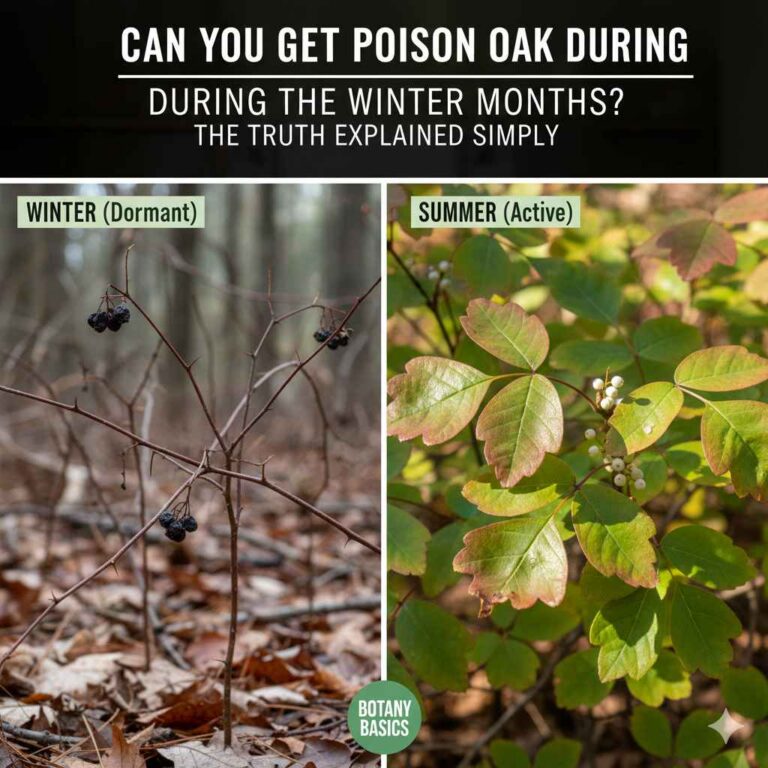
Identifying poison oak is vital to staying safe. This plant’s appearance can vary, but certain features help with recognition. Poison oak usually has leaves that grow in clusters of three, often called “leaflets.” These leaflets look like small oak leaves, with lobed or toothed edges. The leaves’ color can shift depending on the season, starting reddish in the spring, turning green in the summer, and becoming red, orange, or yellow in the fall. Poison oak grows in diverse places, from forests to fields, and along roadsides, making it a common hazard. Always be careful when you are walking in wooded or brushy areas.
- Leaf Arrangement: The most important clue is the ‘three leaves’ arrangement. Remember “leaves of three, let it be.” This is the first thing to check.
- Leaf Shape: The leaves themselves look similar to oak leaves, with rounded lobes or edges. However, they aren’t always exactly the same shape.
- Color Changes: The color of the leaves changes with the seasons. New leaves are often reddish, maturing to green, and turning yellow, orange, or red in the fall.
- Growth Habit: Poison oak can grow as a low-growing plant, a shrub, or even a climbing vine.
- Habitat: Poison oak favors sunny or partly shaded areas, often growing near water sources.
Poison oak can be hard to identify, as its characteristics change over time. Being aware of these characteristics helps with correctly identifying the plant, and avoiding the rash-causing oil, urushiol. Even if the plant looks harmless, don’t touch it! Just remembering the phrase, “leaves of three, let it be,” can save you a lot of trouble.
Comparing Poison Oak to Other Plants: Avoid Mistakes
Mistaking poison oak for other plants can have negative results. Several harmless plants have leaves arranged similarly, making them look similar to poison oak. This can make the identification process trickier. One such look-alike is Virginia creeper, which is a vine with leaves that often appear in clusters of five. Another is box elder, a tree whose leaves sometimes resemble poison oak’s. Correct identification requires careful observation of multiple characteristics.
- Virginia Creeper: This vine has leaves in clusters of five, unlike poison oak.
- Box Elder: Box elder is a tree with compound leaves; it does not usually have a three-leaf pattern.
- Wild Strawberry: Wild strawberries have three leaflets, but the leaves look different, and the plant has small flowers and fruits.
- Raspberry/Blackberry: These plants have thorns and often have compound leaves.
When identifying plants, compare several features. Focus on the number of leaflets, the leaf shape, the stem, and the overall plant. Using more than one point of reference improves your chance of a correct ID, keeping you safe from the rash caused by poison oak. If you aren’t sure, it’s safer to avoid touching the plant.
Does Poison Oak Actually Grow Into a Tree? The Real Answer
The question, “Can Poison Oak Grow Into a Tree?” is a good one. The answer isn’t a simple yes or no. The growth habit of poison oak matters when understanding what it can become. Poison oak can take many forms, including a sprawling ground cover, a shrub, or even a climbing vine. However, it does not become a true tree. A “true” tree has a single, woody trunk, which poison oak does not have.
Poison Oak: Shrub, Vine, or Groundcover? Its Different Forms
Poison oak’s growth habit is adaptable, letting it thrive in various environments. It can grow as a shrub, with multiple stems arising from the base, similar to a bush. It can also act as a vine, using aerial roots to climb trees and other structures. Finally, it can spread along the ground as a ground cover, forming a dense mat. The plant’s shape relies on the climate, the availability of sunlight, and its support system. It changes its form based on the situation it’s in, adding to its flexibility.
- Shrub Form: Grows upright with several stems from the ground, reaching up to 6 feet tall.
- Vine Form: Climbs trees, fences, or other structures, using small rootlets.
- Ground Cover Form: Spreads along the ground, forming a dense mat.
- Root System: Poison oak has a root system that helps it spread and regrow from the roots.
- Adaptability: Adaptable to different conditions, changing forms based on sunlight, moisture, and support.
Being aware of these forms helps you identify the plant in any setting. Recognizing its different forms is vital to avoiding skin contact with urushiol. Whether it’s a shrub, vine, or ground cover, always use caution.
Defining a “Tree”: Understanding Plant Structure
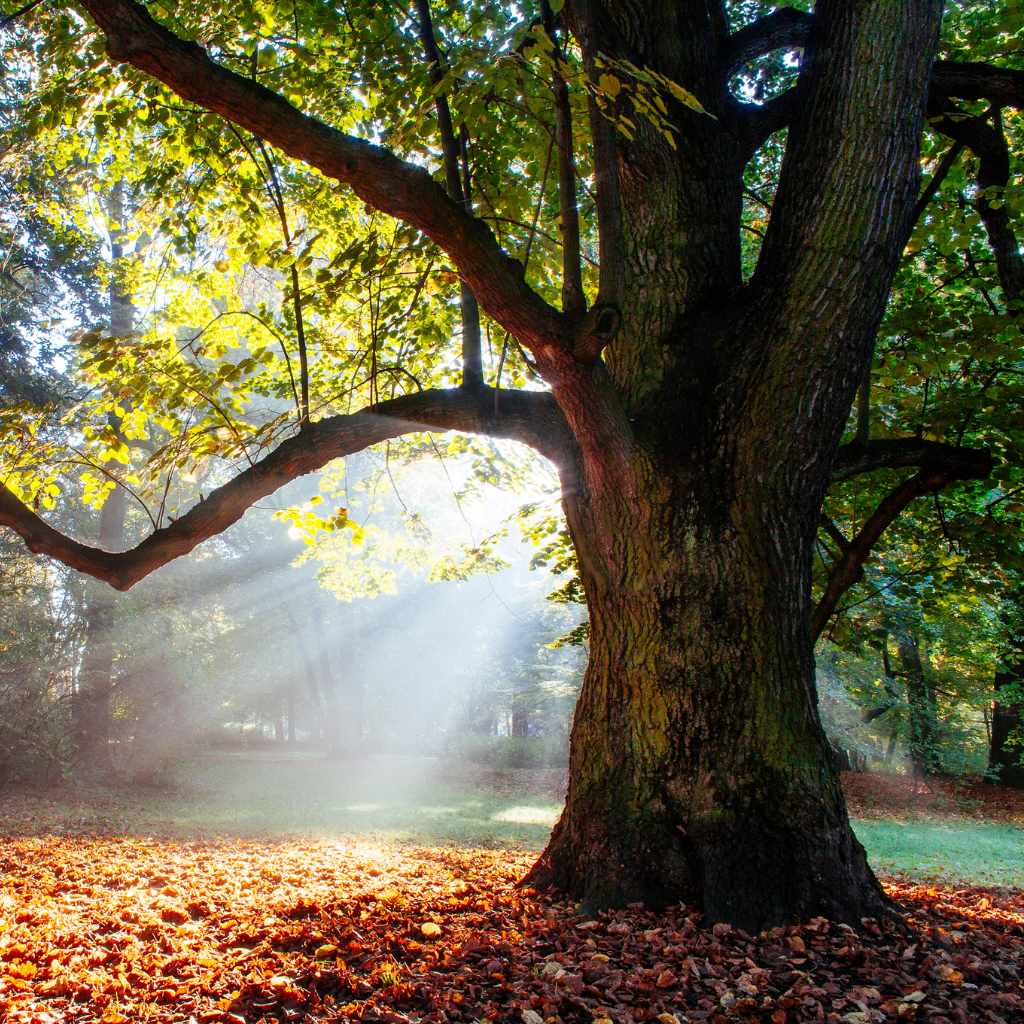
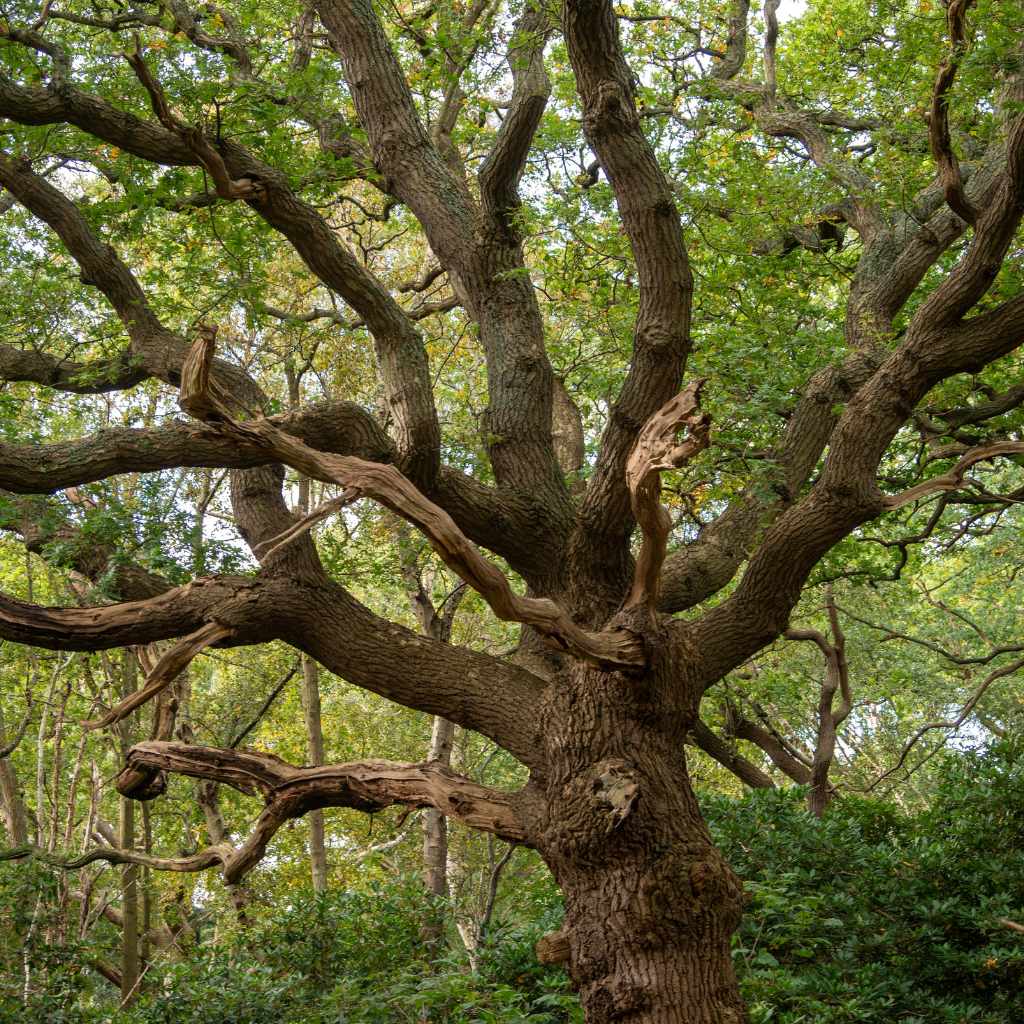
To fully answer the question, we need to understand what defines a tree. A tree is a woody plant with a single, sturdy trunk that supports its branches and leaves. The trunk grows vertically, with strong wood that keeps the tree upright. Trees have a clear, distinct structure, very different from poison oak’s multiple stems or climbing vines. Trees are also generally much taller than poison oak.
- Single Trunk: A tree has one main trunk.
- Woody Structure: The trunk and branches are made of wood.
- Height and Size: Trees are much taller and bigger than poison oak.
- Branching Pattern: Branches grow out from the main trunk.
- Longevity: Trees can live for many years.
The defining factors of a tree – single trunk, woody structure, and considerable size – are key to knowing the answer to “Can Poison Oak Grow Into a Tree?” Poison oak doesn’t fit these conditions, so it can’t be called a tree.
The Impact of Poison Oak on the Environment and You
Poison oak, a common plant, has effects on the environment and on people. Its growth habit and its ability to trigger allergic reactions make it important to explore. Although it serves ecological roles, the plant’s impact on human health cannot be ignored. We’ll examine both how poison oak behaves in nature and how it affects those who come into contact with it.
Poison Oak and Ecological Roles: Wildlife and Habitats
Poison oak has a place in the natural world. It supplies food and cover for wildlife. The plant’s berries are a food source for birds, who help distribute its seeds. It also offers protection and shelter for small animals. Poison oak can support a small habitat, even while it can be a problem for people. Despite its potential to cause contact dermatitis, it helps with ecological balance.
- Food Source: Birds and other wildlife eat the berries.
- Shelter: Provides cover for small animals.
- Erosion Control: Helps stabilize soil in some areas.
- Habitat Support: Part of a larger ecological web.
- Seed Dispersal: Animals that eat the berries spread its seeds.
Understanding poison oak’s ecological role is important. It is part of the environment, even though it can be irritating. The plant adds to local ecosystems. Keeping this in mind can help balance how we see this plant.
The Effects of Poison Oak on Human Health: Urushiol Reactions
The main issue with poison oak is its capacity to cause allergic reactions in humans. The culprit is urushiol, an oil found in all parts of the plant, including the leaves, stems, and roots. Coming into contact with urushiol triggers an allergic reaction in most people, leading to a rash that is itchy, bumpy, and sometimes blistered. This reaction is called contact dermatitis and can range from mild to severe.
- Urushiol: The irritating oil found in poison oak.
- Contact Dermatitis: The allergic reaction caused by urushiol exposure.
- Symptoms: Itchy rash, bumps, blisters, and swelling.
- Sensitivity: People’s reactions vary greatly.
- Persistence: The oil can stick to skin, clothes, and tools.
Knowing how urushiol causes problems helps you prevent exposure. The rash can be very uncomfortable, but with care, it can be managed. Proper precautions can help avoid this plant and keep the skin clear.
Keeping Safe and Healthy Around Poison Oak
Protecting yourself from poison oak involves a combination of plant recognition, careful behavior, and fast first aid. Even though the plant is common, you can take action to limit your risk of contact. Getting to know poison oak is essential. The next step is knowing the best way to avoid it or treat the contact.
Preventing Exposure: Tips for Outdoor Activities
Taking action can help you avoid poison oak. The best way to prevent the reaction is to stay away from the plant. This starts with recognizing poison oak’s appearance. When exploring outdoors, wear long sleeves, pants, and closed-toe shoes to cover your skin. Avoid touching plants, even if you are not sure what they are. Using caution is key.
- Wear Protective Clothing: Long sleeves, pants, gloves, and closed shoes.
- Learn to Identify: Learn how to spot poison oak.
- Stay on Trails: Stick to marked paths.
- Avoid Touching Plants: Don’t touch plants if you don’t know what they are.
- Wash Tools and Clothing: Clean gear that might have touched poison oak.
These simple steps lower your odds of contact with urushiol. By being aware and making smart choices, you can better appreciate the outdoors while limiting your exposure to poison oak.
First Aid and Treatment: What to Do If Contact Occurs
If you come into contact with poison oak, acting fast is key. The first thing to do is wash the exposed skin with cool water and soap immediately. The goal is to remove the urushiol before it bonds to your skin. Wash all clothing and tools that may have touched the plant. The rash typically shows up within 12 to 72 hours, but treating it early can reduce its intensity and spread.
- Wash Skin: Use cool water and soap to remove urushiol.
- Clean Clothing and Tools: Wash everything that may have touched the plant.
- Apply Calamine Lotion: This helps with itching.
- Use Cold Compresses: For relief of inflammation.
- See a Doctor: If the rash is severe or widespread.
These quick actions can greatly affect the outcome. When dealing with poison oak, quick action and effective care can reduce the effects. Getting medical help in more serious cases ensures proper care and comfort.
Here are some more real-life scenarios to consider:
Scenario 1: You are hiking and brush up against a plant with three leaves. You later notice a rash. What did you touch?
Scenario 2: You are working in your yard and touch a climbing vine. The next day, you see a rash. What plant might have caused it?
Scenario results are poison oak.
Frequently Asked Questions
Question: Can you get a poison oak rash from touching dead plants?
Answer: Yes, urushiol, the oil that causes the rash, can remain active on dead plants for up to a year or more.
Question: Is it possible to become immune to poison oak?
Answer: No, you don’t become immune, but your sensitivity to urushiol can change over time. It can increase or decrease.
Question: Can the rash spread?
Answer: The rash itself is not contagious. However, urushiol can spread from your skin to other parts of your body or to other people if it’s on your clothing, tools, or pets.
Question: What’s the best way to get rid of poison oak in my yard?
Answer: You can remove poison oak by hand (wearing protective gear, of course!), or use herbicides that are made to kill it. Always follow the product’s directions.
Question: Are there any home remedies for a poison oak rash?
Answer: Many people find relief from over-the-counter remedies like calamine lotion or hydrocortisone cream. Cool compresses can also help with itching and inflammation.
Final Thoughts
So, can poison oak grow into a tree? The answer is no. Poison oak is not a true tree, as it lacks the single woody trunk that defines a tree. It can grow as a ground cover, shrub, or vine, but it will never become a large, independent, tree-like structure. Understanding this helps you correctly identify the plant, which is the first step in avoiding the irritating rash it causes. When you’re out in nature, remember to look for the “leaves of three” and take precautions. If you think you’ve come into contact with poison oak, wash your skin and clothes right away. Keeping these simple things in mind will help you enjoy the outdoors safely and without the itch!