Can Water Stains Bleed Through Paint and Kilz? The Real Reason
Yes — water stains can bleed back through paint and even through Kilz, but not for the reason most people assume. The primer doesn’t fail on its own; the stain-causing compounds trapped behind it get redissolved by fresh moisture (often from the next coat of wet paint itself) and migrate back to the surface as everything dries. Understanding that mechanism is the difference between a fix that lasts and one that reappears in six months.
If you’ve already primed, painted, and watched that same yellow-brown ring creep back through a “fixed” ceiling, you’re not imagining it and you didn’t do anything wrong with your brush technique. This is one of the most common callbacks in residential painting, and it almost always traces back to one of two things: the wrong type of primer for the specific stain, or a water source that was never actually repaired. Below is what’s really happening chemically, which products genuinely block it, and the sequence that stops it for good.

Why Water Stains Bleed Through Paint in the First Place
Best Shellac-Based Stain Blocker
 |
Zinsser B-I-N Shellac-Base Primer, 1 Quart – $25.10 The shellac-based primer this article recommends for stains that already beat a latex or oil-based product.
|
A water stain is rarely just “water.” What actually discolors the wall is whatever the water dissolved on its way through — tannins leached out of wood framing or paneling, mineral salts pulled out of drywall and plaster (the same process that causes efflorescence on brick), or soot and dirt that rode along with a roof leak. Those compounds are water-soluble, which is the whole problem: paint film isn’t a perfect vapor barrier, and standard latex paint especially will let a small amount of moisture pass through it over time.
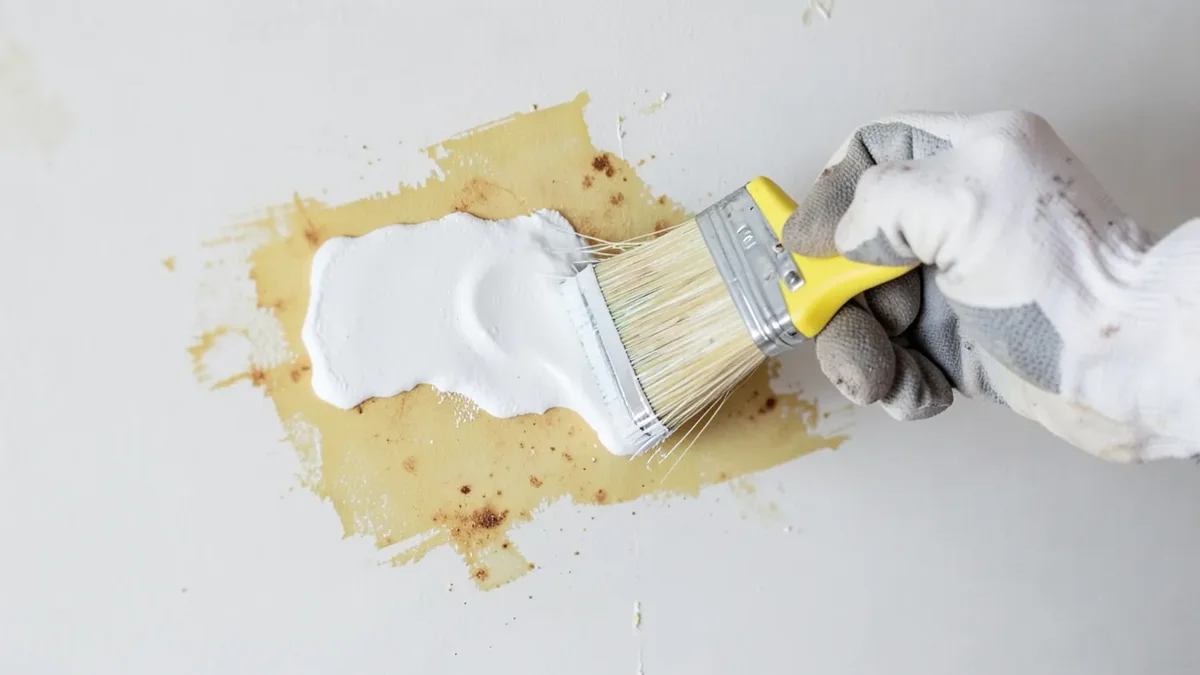
Here’s the part most articles skip: painting over a stain doesn’t remove those compounds, it just buries them. If that spot ever gets wet again — a slow leak that was never fully fixed, high humidity condensing on a cold ceiling, or even the water in your own primer and paint as you apply it — the trapped tannins or salts go back into solution. As the wall dries, that moisture migrates outward through the paint film and evaporates at the surface, leaving the dissolved stain behind again, right on top of your fresh coat. That’s bleed-through. It isn’t the primer “wearing off”; it’s old contamination being re-mobilized and pulled through by a completely normal drying process.
Not All Primers Block Stains the Same Way
This is where Kilz gets an unfair reputation. Kilz isn’t one product — it’s a brand with several very different chemistries, and they don’t perform the same on a tough water stain.
Latex-based stain blockers (like Kilz 2 or Kilz Max) are water-based, which means they share some of the same permeability as the wall paint sitting on top of them. They handle light, dried-out stains fine, but on a stain that’s still chemically active or on a leak that recurs, they can let the discoloration migrate straight through in a matter of weeks.
Oil-based primers (Kilz Original is the classic example) cure into a much tighter, less permeable film. They block moderate-to-severe stains reliably in one to two coats and are a real step up from latex for this specific job.
Shellac-based primers are the actual ceiling of stain-blocking performance. Shellac dries by solvent evaporation rather than by curing with air or water, which means it forms an almost completely impermeable film almost immediately. This is why professional painters reach for a shellac-based primer — Zinsser's B-I-N is the industry-standard example — on smoke damage, pet stains, and water marks that have already beaten a latex or oil primer. One thin coat, and the stain has nowhere to go. If you’re shopping around, our shellac-based primer roundup compares a few other options.
The Sequence That Actually Stops It
Skipping steps here is exactly how a stain comes back. Work through this in order:
1. Find and fix the water source first. No primer, including shellac, is a permanent fix if water keeps reaching that spot. Check the roof, the flashing, the pipe run above the stain, or the window seal before you touch a paint can. If you skip this step, you’re not fixing the stain — you’re just buying a few months.
2. Let the area dry completely. Painting over damp drywall or wood traps moisture behind the film, which guarantees the exact bleed-through you’re trying to prevent. Give it several dry days, and if you have a moisture meter, confirm the reading is back down near the surrounding wall before you prime.
3. Clean off any soot, mold, or residue. A stain-blocking primer seals in whatever is on the surface when you apply it. If there’s active mold, treat it with a mold-killing cleaner first — primer does not kill mold, it only traps it under the film.
4. Spot-prime with a shellac or oil-based product, extending the primer several inches past the visible edge of the stain in every direction. Stains are often larger under the surface than what shows through the old paint, and stopping right at the visible edge is a common reason a “fixed” spot shows a faint ring later.
5. Let the primer cure fully before topcoating — shellac-based primers are usually recoat-ready in 45 minutes, oil-based in about an hour, but “dry to the touch” and “fully cured” aren’t the same thing. Rushing the topcoat is one more way moisture gets trapped underneath.
How to Tell the Difference Between “Still Curing” and “Actually Failed”
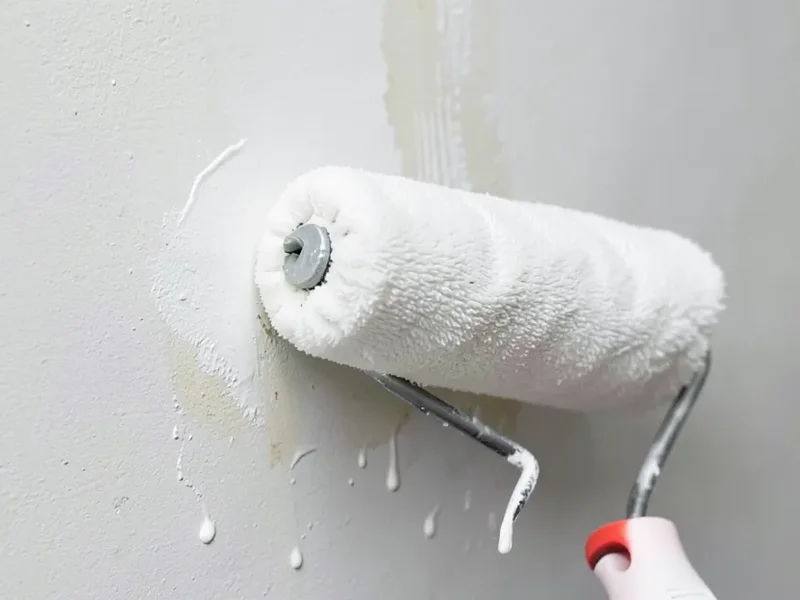
A faint shadow visible for the first day or two after priming is usually just the primer showing through thin spots before the topcoat goes on — that’s normal and not a sign of failure. What isn’t normal is a stain that reappears weeks or months later with the same shape and color as the original. That’s a clear signal one of two things happened: the water source is still active, or the primer used wasn’t rated for that stain’s severity. If you’re touching up the same spot for a second time, switch to a shellac-based product rather than reapplying the same latex primer that already let it through once — repeating the same product on a stain it already failed on rarely produces a different result.
Preventing It From Coming Back
Once a spot has bled through once, it’s more likely to do it again than a wall that’s never had a stain — the tannins or salts are still there under multiple layers unless you’ve sealed them with a shellac-based product. A few habits make recurrence far less likely: keep gutters clear so roof leaks don’t start in the first place, check under sinks and around tub surrounds periodically for slow leaks that haven’t shown up as a visible stain yet, and run a bathroom fan or dehumidifier in rooms prone to condensation. None of that is glamorous, but it’s cheaper than repainting the same ceiling three times.
Frequently Asked Questions
Can Water Stains Reappear Through Paint?
Yes. If the underlying tannins or mineral salts get wet again — from a recurring leak, condensation, or even the moisture in a new coat of paint — they can redissolve and migrate back through the film as it dries. A shellac-based primer applied after the water source is fixed is the most reliable way to stop this permanently.
Does Kilz Prevent Water Stains Long-Term?
It depends which Kilz product you use. The oil-based and shellac-based formulas block even severe, recurring stains long-term when applied correctly. The water-based (latex) formulas work fine on light, dried stains but can let a persistent or severe stain bleed through again within weeks.
How Do I Stop Water Stains From Bleeding?
Fix the water source first, let the area dry fully, clean off any residue, then spot-prime with an oil-based or shellac-based stain blocker — extending several inches past the visible stain edge. Let the primer cure fully before topcoating rather than rushing to paint over it.
Can Moisture Affect Painted Surfaces Even Without a Visible Stain?
Yes. Chronic humidity or a slow, hidden leak can cause paint to soften, bubble, or peel long before any discoloration is visible. If you notice paint texture changing in one area — even without a color change — it’s worth checking for a moisture source before it turns into a full stain.
Bottom Line
Water stains bleed through paint and Kilz when the trapped, water-soluble compounds behind the film get wet again and migrate to the surface as it dries — not because the primer simply “wears off.” Match the primer to the severity of the stain, always fix the actual water source before painting, and extend your primer past the visible edge of the damage. Do those three things in order and the fix holds; skip any one of them and you’re likely repainting the same spot again next year.
Sponsored / affiliate links. As an Amazon Associate I earn from qualifying purchases. I may earn additional commission from eligible campaigns.