Best Cordless Circular Saw for Framing and Trim: we compared
The best cordless circular saw for framing and trim is a 7-1/4-inch model with enough torque for framing and a fine blade for trim. Choose a rear-handle saw if framing dominates, or a lighter sidewinder if trim does. Get that choice wrong and you pay for it in slow cuts, more tear-out, burned edges, and extra sanding or rework. This guide compares framing-first and trim-capable cordless saws, then shows which blade, shoe, brake, and cut-depth features matter most.
This guide is part of our Power tool comparisons and buying guide series.
Quick comparison
| Product | Badge | Best for | Price | ||
|---|---|---|---|---|---|
 |
Makita XSS03Z 18V LXT Lithium-Ion Cordless 5-3/8-InchMakita | Our pick | 5-3/8 in · 3,600 RPM · 6.0 lbs | $234.00
Price as of 10 Oct 2026
|
View |
 |
DEWALT 20V MAX Circular Saw Cordless, Battery Not IncludedDEWALT | Budget pick | 6-1/2 in · 5,150 RPM · 0-50° bevel | $99.00
Price as of 10 Oct 2026
|
View |
 |
M18 Cordless Lithium-Ion 6-1/2" Circular Saw – 2630-20 – (Milwaukee | Also great | 6-1/2 in · 3,500 RPM · magnesium guards | $112.52
Price as of 10 Oct 2026
|
View |
Use this as a cut-quality filter, not a spec hunt. Blade size affects depth, but weight, line visibility, battery drain, and blade choice decide whether a saw feels right on framing or trim work.
For buyers who already own batteries, platform fit can matter more than the saw itself. A cordless circular saw only makes sense if it fits your battery system and still delivers the cut depth you need.
How we chose
Cut depth came first, because 2x lumber and subfloor work set the minimum bar. A saw that cannot clear a 2×6 at 90 degrees is a poor framing choice, no matter how tidy it feels on finish cuts.
Next came balance and visibility, because trim work fails when the shoe blocks the line or the saw is awkward one-handed. Tear-out control matters as much as power here.
Battery platform value also mattered. An 18V/20V Max saw can make a lot of sense if you already own packs, while a 40V platform can suit heavier cutting but raises battery cost and compatibility limits.
Finally, motor type and control features counted under load. Brushless motors usually waste less energy, hold torque better as the blade bites, and need less maintenance than brushed motors. An electric brake, spindle lock, LED light, and rafter hook add real jobsite control.
Can one cordless circular saw handle both framing and trim?
Yes, one cordless circular saw can handle both jobs if you choose a frame-capable saw, use the right blade, and set the depth correctly. It works best when the saw has enough depth for 2x lumber yet still offers good line visibility and manageable weight for cleaner cuts.
That said, a mixed-use saw is always a compromise. A saw built for rough framing may feel heavy and less precise on casing, while a lighter trim-friendly saw may bog down or force slower feed rates in thick stock or wet lumber.
Where a mixed-use saw works well
A 7-1/4-inch sidewinder with a brushless motor is a strong all-around choice for framing and occasional trim. It has enough depth for most 2x work, can run a finer blade for cleaner cuts, and usually balances better than a rear-handle saw in tighter spaces.
Where a dedicated framing or finish saw still makes sense
If you spend most of the day cutting rafters, doubled plates, or subfloor, a heavier framing saw with more torque and a larger blade is easier to justify. If trim work dominates, a lighter saw with better sightlines and lower tear-out usually saves more time than raw power.
Should I get a 6-1/2 inch or 7-1/4 inch cordless circular saw?
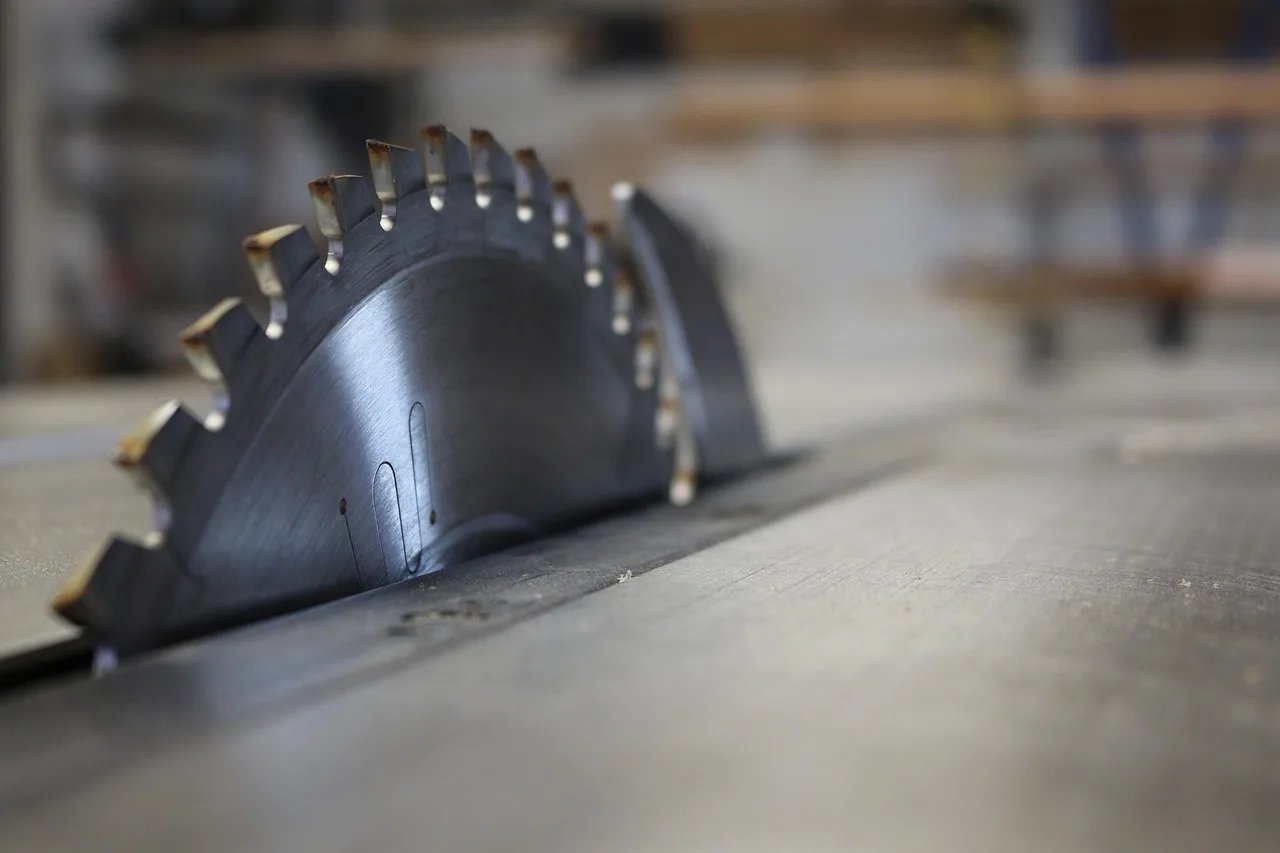
Get a 7-1/4-inch saw if framing is the main job and you want the most depth margin for 2x lumber and subfloor. Choose 6-1/2 inch if trim work, overhead cutting, and lower fatigue matter more, or if you mainly cut sheet goods and light framing.
The tradeoff is simple. A bigger blade cuts deeper, yet it also adds weight, raises battery draw, and often feels less nimble on finish work. Smaller blades are easier to control, but they can limit one-pass capacity on thicker material.
Depth of cut, overhead handling, and weight tradeoffs
Most 7-1/4-inch saws cut around 2-1/2 inches at 90 degrees, which clears 2x material with room to spare. Many 6-1/2-inch saws cut around a little over 2 inches, which is still enough for 2×4 and many 2×6 cuts from both sides, but leaves less margin.
That extra blade diameter can make a saw feel nose-heavy, especially overhead or on long rip cuts. A smaller saw is easier to guide with one hand for short trim cuts, but it may ask for more passes on thicker lumber.
Battery drain and cut speed differences on the job
Large blades usually draw more current, especially in dense lumber or when the feed rate is aggressive. A 7-1/4-inch saw can still be the better framing tool because it maintains depth and speed, but expect shorter runtime per amp-hour than a similar 6-1/2-inch saw.
Suppose you are cutting stacked 2x framing on a cold morning with a dull blade. The bigger saw may still finish the cut, but battery sag and heat can show up fast if the pack is small or the motor is brushed.
What is the best cordless circular saw for framing and trim?
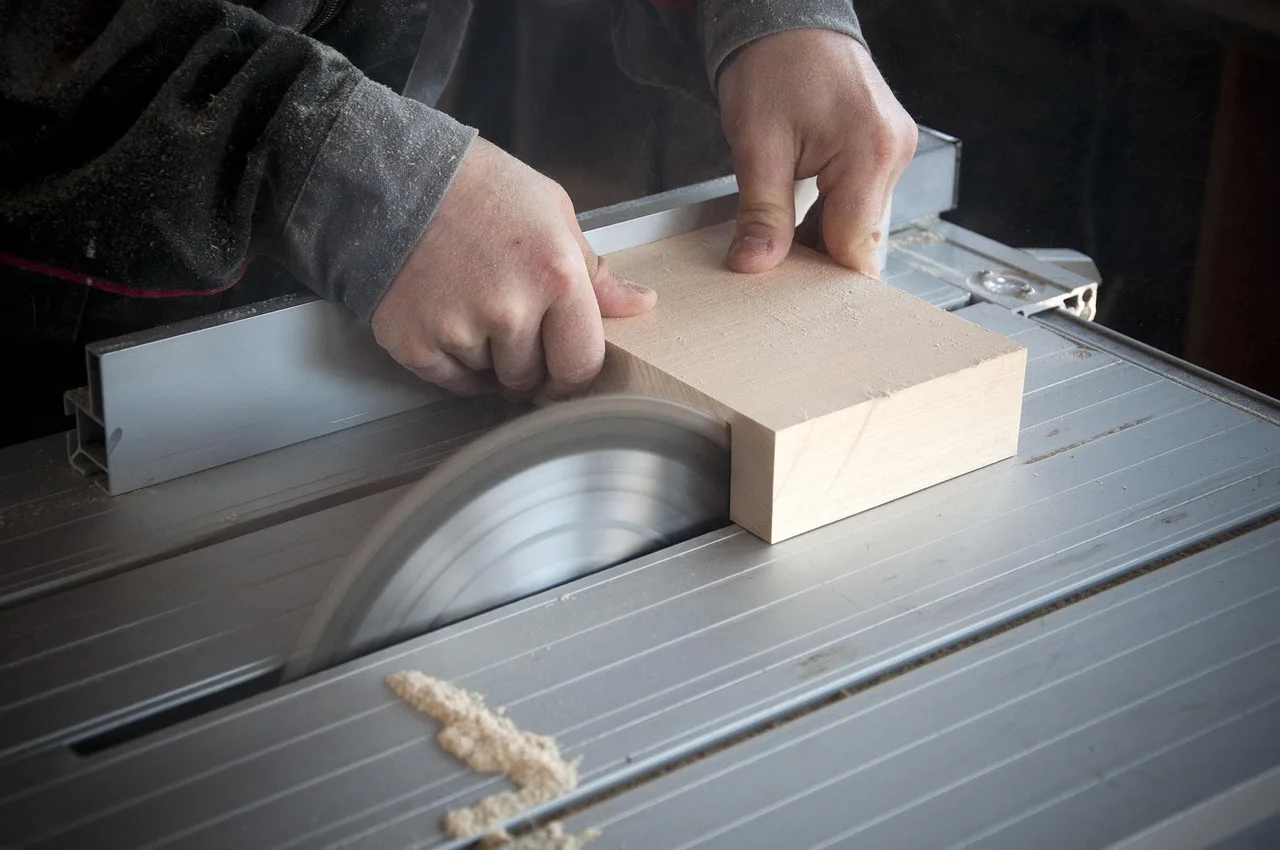
The best cordless circular saw for framing and trim is the one that clears your framing depth, accepts a fine finish blade, and stays controllable on casing and other visible cuts. For most buyers, that means a 7-1/4-inch brushless sidewinder on a platform you already own.
If framing dominates, a rear-handle design earns its keep with better push control and faster rough cutting. If trim work matters more, a lighter sidewinder with good line sight and a strong brake usually makes cleaner work and less fatigue.
Best overall balance for mixed work
A 7-1/4-inch sidewinder in an 18V/20V Max class is the best compromise for most mixed-use buyers. It can frame, it can trim with the right blade, and it avoids the weight penalty that comes with larger or rear-handle setups.
When a rear-handle saw is the better pick
Choose rear-handle if your days lean toward rafters, beams, and repetitive framing cuts. The handle position improves push control under load, which matters when the blade is deep in wet or dense lumber.
6-1/2 inch vs 7-1/4 inch: which size should you buy?
Buy 7-1/4 inch if you want the widest framing margin, faster rough cuts, and fewer depth limits on 2x lumber and subfloor. Buy 6-1/2 inch if you value lighter handling, lower battery draw, and better control for trim, overhead work, and occasional sheet goods.
The right answer depends on cut stage, not pride in blade diameter. A 6-1/2-inch saw can be the better daily carry for trim-heavy work, while a 7-1/4-inch saw is usually the safer default for framing-first buyers.
How depth of cut changes the choice
A 7-1/4-inch saw generally gives enough depth for 2x material at 90 degrees. A 6-1/2-inch saw can still handle many 2x cuts, but it leaves less blade below the shoe, so you have less room for angled cuts and uneven stock.
How handling changes on overhead and tight cuts
Smaller saws are easier to steer overhead and less tiring on long trim runs. Larger saws can feel more stable in straight framing cuts, but that stability often comes with more mass, a bigger motor load, and a wider reach around the cut line.
Best cordless circular saw for framing and trim: top pick
The DEWALT 20V MAX DCS391B is the strongest all-around pick here for mixed framing and trim because its 6-1/2-inch format stays manageable, yet the 5,150 RPM spec points to brisk cutting when paired with the right blade. It also fits buyers already inside the 20V MAX system.
It is a smart fit for DIY framers who still care about cleaner finish cuts, since the lighter format is easier to guide on casing and subfloor layout cuts than a heavier framing saw. The 0-50° bevel range gives useful angle flexibility.
The drawback is depth margin. A 6-1/2-inch saw is less forgiving on thicker stock than a 7-1/4-inch model, so it is not the first pick for constant 2×6 framing or deep bevel work.
Best for framing: a saw built for 2x lumber, speed, and durability
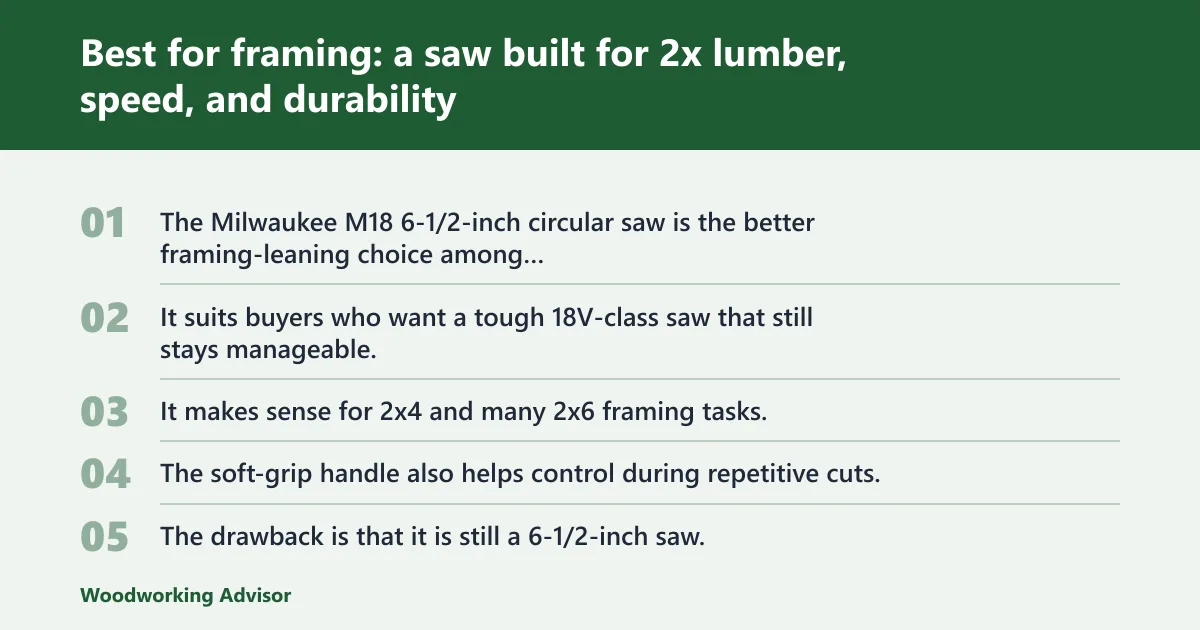
The Milwaukee M18 6-1/2-inch circular saw is the better framing-leaning choice among these three because its magnesium guards and aluminum shoe point toward jobsite durability and cut stability. It suits buyers who want a tough 18V-class saw that still stays manageable.
It makes sense for 2×4 and many 2×6 framing tasks, especially when the work value is durability and straight rips rather than the lightest possible trim feel. The soft-grip handle also helps control during repetitive cuts.
The drawback is that it is still a 6-1/2-inch saw, so it does not replace a true 7-1/4-inch framing saw when you want maximum depth margin. It is also bare tool only, so battery cost matters if you are not already in M18.
Best for trim: a lighter saw with better line visibility and lower tear-out
The Makita XSS03Z is the best trim-leaning option here because its 5-3/8-inch blade, 6.0-pound weight, and built-in dust blower point directly at cleaner, more controllable cut lines. That matters more on casing and visible cuts than brute depth.
It is the better fit for one-handed control, overhead trim work, and cuts where line sight matters more than raw depth. The lighter weight can reduce fatigue when you are fitting small parts or making repeated short cuts.
The drawback is obvious: 5-3/8 inches is not the framing-first choice. It can do light framing, but it gives up depth margin and versatility compared with larger saws, so it is the least suited to heavy 2x work.
Best value: the model that balances platform cost, runtime, and cut quality
The best value is usually the saw that fits your existing battery system and still meets your deepest cut requirement. For many buyers, that means the DEWALT 20V MAX if they already own 20V packs, because the saw is inexpensive relative to kit-based ownership costs.
Value is not only the tool price. Battery system lock-in matters, because one saw can pull you into buying extra packs, chargers, and spare batteries if you already own another ecosystem.
What blade depth do I need for framing lumber?
For framing lumber, you want enough depth to cut through 2x material at 90 degrees with a little margin left over. In practical terms, that means a 7-1/4-inch saw is the safest choice, while a 6-1/2-inch saw is acceptable for many 2x cuts but with less clearance.
Depth matters because the shoe and blade geometry change how easily the saw tracks through a full cut. If the blade is barely clearing the stock, the motor works harder and the cut is more likely to wander or burn.
2×4 and 2×6 cutting needs
A 2×4 is not a demanding cut for most saws. A 2×6 is the better test, especially if the lumber is wet or you need a bevel. For repeated framing, a larger blade gives more useful depth and less strain on the motor.
Subfloor and sheet goods
Subfloor cuts ask for stable support, a flat shoe, and enough depth to stay square through thick sheet material. Here, cut consistency matters as much as speed. A fine tooth count is not necessary for rough subfloor work, but a sharp blade is.
Is brushless worth it for a cordless circular saw?
Brushless is usually worth it if you cut often, cut thicker stock, or want better runtime from the same battery size. It tends to run cooler, hold torque better under load, and reduce maintenance because there are no brushes to wear in the same way.
Brushed saws can still make sense for occasional use or lower upfront cost, but they usually give up efficiency and runtime. Under heavy load, that can mean more battery drain, more heat, and a greater chance of bogging in dense lumber.
When brushless matters most
Brushless matters most on long framing days, when the motor sees repeated hard starts and deep cuts. It also helps if you want a smaller amp-hour pack to last longer between swaps.
When brushed is still acceptable
If the saw will see light duty, a brushed model can still be a practical buy. Just expect less runtime and more heat management if you push it through thick stock or repeated bevel cuts.
How many cuts can a cordless circular saw make on one battery?
There is no honest universal cut count, because battery capacity, wood species, blade sharpness, cut depth, and feed pressure all change the result. A 5.0Ah pack in an 18V/20V Max tool will usually outlast a smaller pack, while a 40V system can deliver longer sustained output for harder cuts.
The most useful rule is this: more amp-hours usually mean more cuts, but heavier load cuts the count fast. A dull blade or a deep bevel can halve practical runtime compared with clean straight cuts in dry lumber.
Battery capacity and runtime
Higher amp-hour packs store more energy, but they also add weight. That tradeoff matters more on a trim saw than on a framing saw, because extra pack mass can make one-handed control worse.
Failure cases: overheating and bogging
If a saw bogs, the feed rate is too aggressive, the blade is dull, or the motor is undersized for the stock. Overheating usually shows up after repeated heavy cuts, especially on smaller batteries or brushed motors, and it can lead to burned edges or shutdowns.
What features matter most for trim work on a circular saw?
For trim work, visibility and control matter more than raw depth. A good trim-capable saw should be light enough for one-handed positioning, have a clear cut line, and pair well with a fine-finish blade that limits tear-out on exposed edges.
Cut quality on trim is often decided before the blade touches wood. Shoe shape, dust removal, brake speed, and balance all affect whether the saw lands accurately or skates off line and chips the edge.
Visibility of cut line
You need to see the mark, the blade, and the shoe without awkward wrist angles. A built-in blower or good dust management helps, because sawdust can hide the line faster than power can recover it.
Low tear-out and fine-finish blade compatibility
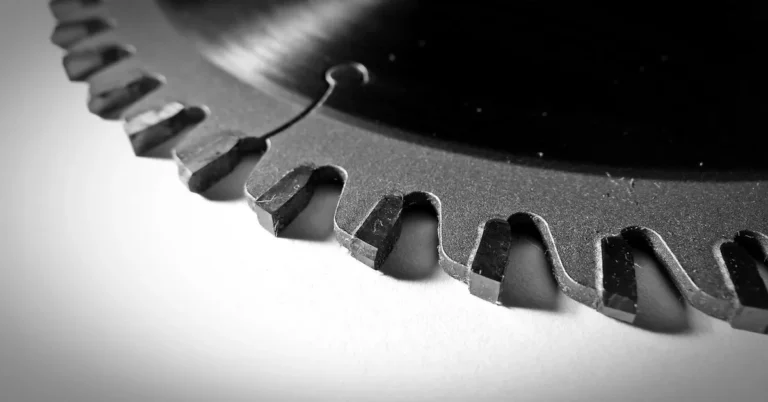
A fine blade with more teeth gives cleaner trim edges, especially on plywood, MDF, and casing. Thin-kerf blades can reduce load and improve cut feel, but only if the saw has enough torque to keep them moving cleanly.
What blade should I use for framing versus trim cuts?
Use a lower tooth-count framing blade for rough lumber and a fine-finish blade for visible trim work. For framing, the goal is speed and chip clearance. For trim, the goal is a clean edge, stable feed, and less breakout on the exit side.
Blade quality matters too. Good carbide tips stay sharp longer, which reduces heat, wandering, and the rough edge that forces extra sanding.
Framing blade setup
For 2x lumber, a framing blade in the lower tooth-count range is the practical choice. It clears chips faster and asks less from the motor, which helps prevent bogging in wet stock or treated lumber.
Trim blade setup
For casing, baseboard, and other finish work, use a fine-finish blade with more teeth and a thin kerf if the saw handles it well. That combination lowers tear-out and leaves a cleaner edge, especially on crosscuts in visible material.
Framing-vs-trim decision table
| Job scenario | Blade size | Weight and handling | Depth of cut | Battery drain | Tear-out risk | Best setup |
|---|---|---|---|---|---|---|
| 2x framing, repeated cuts | 7-1/4 in | Heavier, steadier with two hands | Best margin on 2×4 and 2×6 | Higher, especially on deep cuts | Low to moderate with framing blade | Brushless saw, framing blade, 5.0Ah or larger pack |
| Casing and baseboard | 6-1/2 in or 5-3/8 in | Lighter, easier one-handed control | Enough for trim stock | Lower than a large framing saw | Moderate to high without fine blade | Fine-finish blade, good line sight, electric brake |
| Subfloor cuts | 7-1/4 in | Stable on long rip cuts | Better through sheet goods and underlayment | Moderate to high | Moderate if the shoe wanders | Sharp blade, flat shoe, LED light, dust control |
| Finish carpentry crosscuts | 5-3/8 in or 6-1/2 in | Best for controlled, visible cuts | Enough for trim stock, not deep framing | Lower to moderate | Lowest with fine blade and support | Fine-finish blade, thin kerf, clean fence or guide |
Which one should you buy?
Buy the Makita if you mostly cut trim, value low weight, and want the easiest line control. Buy the DEWALT if you want one saw that stays affordable, lives inside an existing 20V MAX battery setup, and still handles mixed-use work well. Buy the Milwaukee if you want a tough 18V-class framing-leaning saw and already own M18 batteries.
If your work is mostly framing, choose the largest blade that still fits your battery system and budget. If your work leans toward finish carpentry, choose the lightest saw with the clearest blade visibility and pair it with a fine-finish blade.
Say your shop already has 20V MAX batteries and you need a saw for weekend framing plus trim repairs. The DEWALT is the simplest buy because it limits system cost while staying versatile. Suppose you are hanging casing in a finished room; the Makita-style lighter saw is the safer path for control and cleaner edges.
- Start with the deepest cut you actually need.
- Choose blade size from that depth, not from habit.
- Match the saw to your battery system if you already own packs.
- Use a framing blade for rough lumber and a fine-finish blade for visible cuts.
- Check brake speed, line visibility, and dust clearing before you pay for extra power.
Sponsored / affiliate links. As an Amazon Associate I earn from qualifying purchases. I may earn additional commission from eligible campaigns.