Drill Bits for Metal vs Wood: Which One Should You Use?
Metal drill bits use a sharper 118–135° point angle and spin slower to resist heat, while wood bits use a center spur point and run faster since wood creates little friction. Run a wood bit on steel and it dulls in seconds; run a metal bit on wood and it tears the grain instead of cutting clean. This guide covers the design differences, which coatings actually matter, RPM by material and bit size, and when one HSS twist bit can honestly do both jobs.
Insert your Affiliate Disclosure reusable block here
What Actually Makes a Bit “For Metal” or “For Wood”?
Best All-in-One Drill Bit Set Pick
DEWALT Drill Bit Set, Titanium Nitride Coated, 14-Piece (DW1354)
Titanium nitride coated HSS bits handle wood, plastic, and soft metal in one 14-piece set — the practical middle ground if you don’t want to buy separate wood and metal sets.
- Best for: switching between wood and light metal work without changing bit sets
- Why we picked it: pilot-point tip starts on contact and resists walking on both materials
- Main drawback: not hard enough for stainless steel — step up to cobalt for that
Compare more drill bit set options
 Option 1 DEWALT 21-Pc. Titanium Nitride Pilot Point Bit Set (DW1361)
|
 Option 2 COMOWARE 100-Pc Titanium HSS Drill Bit Set with Case
|
 Option 3 Rocaris 8-Pack 3-10mm Titanium Coated HSS Twist Bits
|
As an Amazon Associate we earn from qualifying purchases.
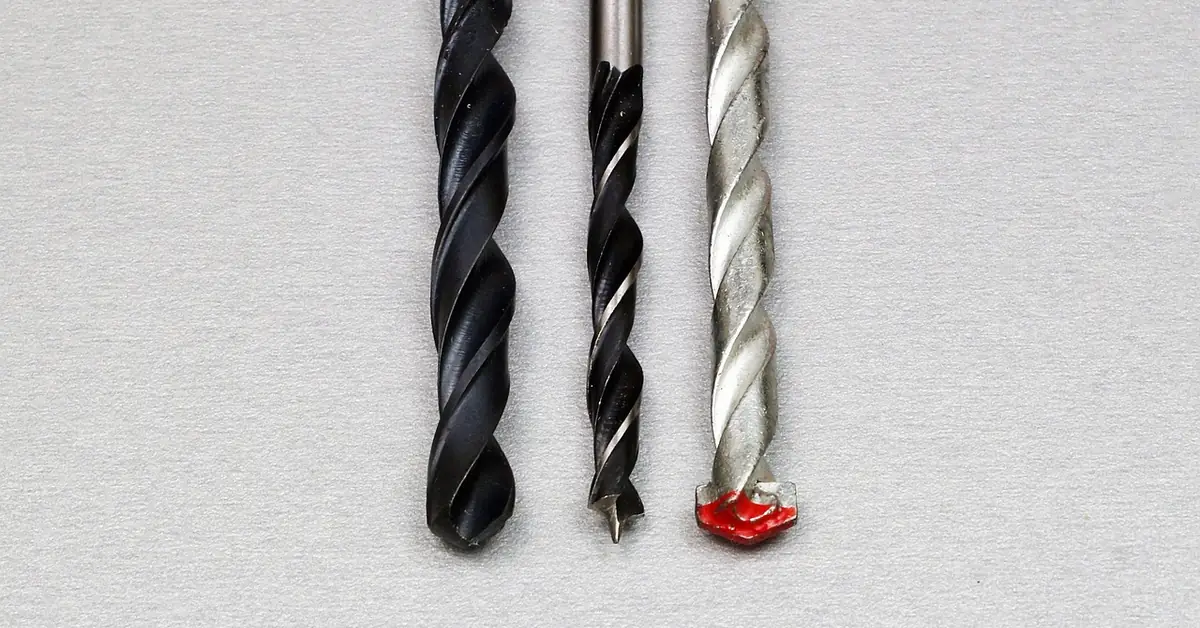
The tip geometry is the real difference, not marketing. A wood drill bit uses a center spur with two scoring wings that slice the wood fibers before the flutes clear the waste — that’s what stops splintering. A metal bit is a plain cone-shaped point with spiral flutes and no spur, because wood’s spur geometry would just skate across a steel surface instead of biting in. For more on choosing bits for specific jobs, browse the full drilling guides on the site.
| Bit Type | Tip Design | Best Material | Notes |
|---|---|---|---|
| Twist bit (HSS) | Cone point, spiral flutes | Wood, soft metal, plastic | The general-purpose default; works on both in a pinch |
| Brad point | Center spur + scoring wings | Wood only | Cleanest holes for furniture and cabinetry |
| Forstner | Rim cutter, flat bottom | Wood only | Flat-bottomed holes for hinges; needs a drill press |
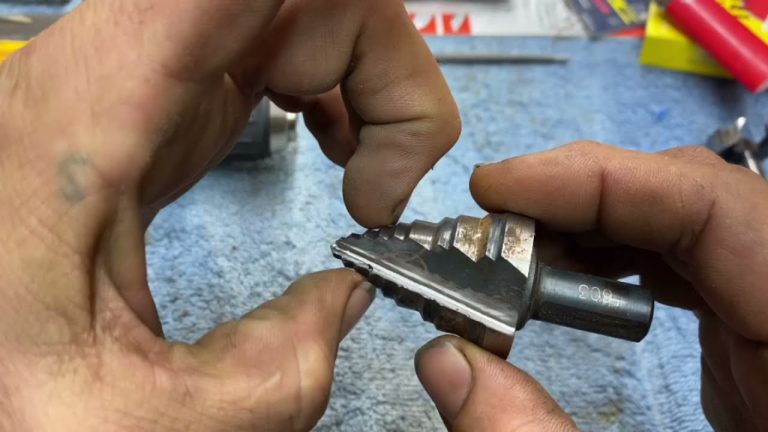
| Step bit | Cone-shaped steps | Thin sheet metal | One bit, multiple hole sizes, deburrs as it goes |
| Cobalt / titanium-coated twist | Sharper 118–135° point | Hard metal (stainless, alloy steel) | Holds an edge at high heat; costs more |
Drill Bit Materials: HSS, Cobalt, and Titanium-Coated Compared
High-speed steel (HSS) is the baseline — affordable and fine for wood, plastic, and soft metals like aluminum. Cobalt bits are alloyed with 5–8% cobalt, which raises heat resistance enough to cut stainless steel and other hard alloys without annealing (softening) the tip. Titanium nitride (TiN) coating is a surface treatment over HSS, not a different steel — it reduces friction and adds surface hardness, but once the thin gold coating wears through on the cutting edge, the bit behaves like plain HSS again.
| Material | Heat Resistance | Best For | Typical Price vs. Plain HSS |
|---|---|---|---|
| HSS (plain) | Moderate | Wood, plastic, aluminum, mild steel (occasional use) | Baseline |
| Titanium nitride (TiN) coated HSS | Moderate–high (coating only) | Repeated wood/metal switching, longer life than plain HSS | ~1.3–1.5x |
| Cobalt (M35/M42) | High — resists annealing | Stainless steel, hardened alloys, high-volume metal work | ~2–3x |
| Carbide-tipped | Highest, but brittle | Tile, glass, masonry — not general metal or wood use | ~2–4x |
How to Tell If a Bit Is Rated for Metal or Wood by Looking at It
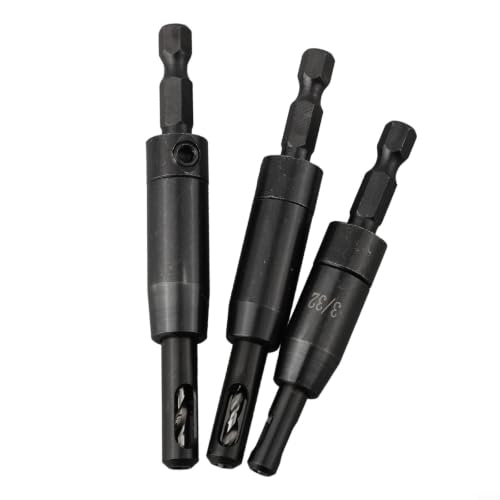
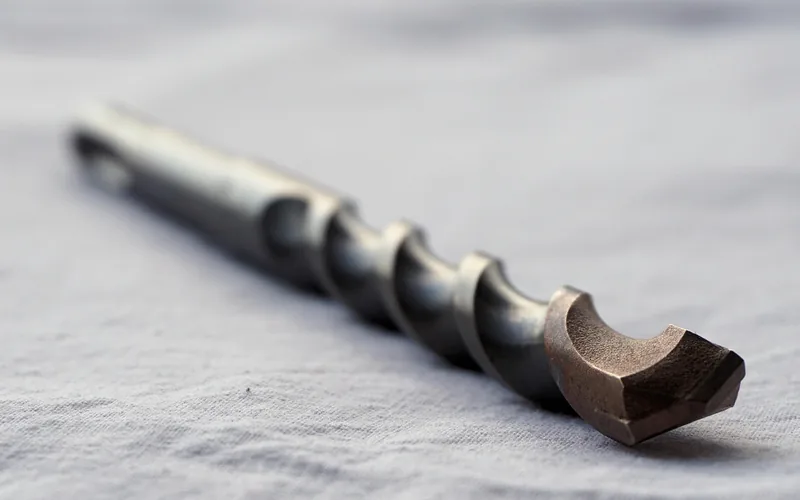
Check the tip and the color first. A visible center spur with two small scoring points means wood — that geometry only exists on wood and brad point bits. A plain cone tip with no spur is built for metal (or general-purpose twist use). Color is the second clue: black oxide or gold titanium-nitride finishes are almost always metal-rated HSS; bare silver steel is typically an uncoated wood or general-purpose bit. When in doubt, the shank stamp (e.g., “HSS”, “Co” for cobalt, or a DIN standard number) confirms the material.
Metal Drilling: Point Angle, Cutting Fluid, and Speed
A 118° point angle is the general-purpose standard for mild steel and aluminum. A 135° split point centers itself on contact and resists walking on harder or curved stock, which is why most cobalt and stainless-rated bits ship with it. Cutting fluid isn’t optional on anything but the thinnest sheet metal — it pulls heat away from the cutting edge and keeps the bit from work-hardening the hole surface, which is what actually dulls a bit prematurely, not the metal itself.
Speed matters more than most people think. Running a bit too fast on metal generates heat faster than the flutes can clear it, which is the single most common reason bits go dull in one or two holes. As a rule of thumb: start slow, apply steady pressure, and back off the moment you see blue-tinted chips — that color means the steel is already overheating.
Drill Speed Reference (Twist Bit, General Shop Guide)
| Bit Size | Softwood | Mild Steel | Stainless Steel |
|---|---|---|---|
| 1/16″–1/8″ | ~3,000 RPM | ~1,500–2,000 RPM | ~600–900 RPM |
| 1/4″ | ~1,500 RPM | ~750–1,000 RPM | ~300–450 RPM |
| 1/2″ | ~750 RPM | ~350–450 RPM | ~150–200 RPM |
General reference figures for HSS twist bits under normal hand-drill use — always check your specific bit manufacturer’s chart for exact numbers, since cobalt and carbide bits run faster than plain HSS at the same size.
Wood Drilling: Brad Point, Spade, and Forstner Bits
Brad point bits are the standard for furniture and cabinetry — the center spur starts exactly where you place it and the scoring wings cut a clean edge before the flutes remove material, so there’s no tear-out on the back side of thin stock. Spade bits trade finish quality for speed; they’re the right call for framing and rough holes where a slightly ragged edge doesn’t matter. Forstner bits cut flat-bottomed holes with a clean rim, which is why they’re the standard choice for hinge cups and pocket holes — but they need a drill press to stay square since their wide diameter makes them hard to control freehand.
Unlike metal, wood drilling runs faster, not slower — wood generates very little friction heat, so a bit that’s too slow is more likely to burn and glaze the hole edges (especially in oak and other dense hardwoods) than one that’s too fast.
Matching the Bit to the Job: Size, Depth, and Pilot Holes
Get the hole size from the hardware, not the bit drawer. For screws, the pilot hole should sit slightly smaller than the screw’s outer (major) thread diameter so it grabs without splitting the material — a screw size chart on the box or online settles this in seconds, and comparing close bit sizes matters more than it seems once you’re between two common fractional sizes. For metal, always start with a small pilot hole before stepping up to the final size; it keeps a larger bit from wandering off-center on a hard, curved, or slightly uneven surface. Match bit length to material thickness too — a bit that’s just barely long enough will flex and wander on anything thicker than scrap.
Three Quick Scenarios
- Assembling a wood bookshelf with wood screws: use an HSS twist or brad point bit sized just under the screw’s shank diameter, and drill a pilot hole first to keep the wood from splitting.
- Installing a handle on a metal door: use a cobalt or titanium-coated HSS bit sized to the mounting screws, apply cutting fluid, and start with a small pilot hole before the final size.
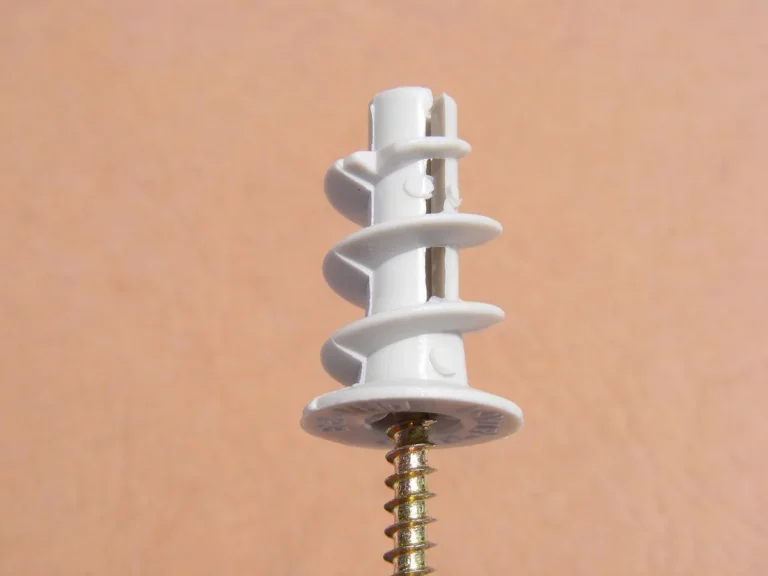
- Hanging a picture on drywall with no stud: match the bit diameter to the wall anchor’s size exactly — drywall is soft enough that almost any general-purpose bit handles it cleanly.
Frequently Asked Questions
Can I use the same drill bit for wood and metal?
Yes, within limits. A plain HSS twist bit will cut both wood and soft metal like aluminum, but you need to slow down and add cutting fluid for the metal pass. For repeated switching between materials, a titanium-coated HSS set lasts longer than plain HSS in both jobs, but a dedicated brad point bit still gives a cleaner wood hole.
What’s the difference between HSS, cobalt, and titanium-coated bits?
HSS (high-speed steel) is the base material used for most general-purpose bits. Cobalt bits are alloyed with 5–8% cobalt for extra heat resistance, making them the right choice for stainless steel and hardened alloys. Titanium nitride (TiN) coated bits are plain HSS with a thin gold surface coating that reduces friction and adds surface hardness — once that coating wears off the cutting edge, the bit performs like uncoated HSS.
Do I need cutting fluid when drilling wood?
No. Cutting fluid is a metalworking lubricant and coolant — wood doesn’t generate the same friction heat, so fluid on wood just gums up the flutes with wet sawdust. If a wood bit is burning or glazing the hole, the fix is a faster speed or a sharper bit, not fluid.
What drill bit works best for concrete or masonry?
A carbide-tipped masonry bit, used with a hammer drill function. The hardened carbide tip withstands the abrasive, gritty nature of concrete and aggregate far better than any HSS or cobalt bit, which will dull almost immediately on masonry.
How do I know what size drill bit to use for a screw?
Check the screw’s specifications or a screw size chart, and pick a bit slightly smaller than the screw’s outer (major) thread diameter. That gap lets the threads bite into solid material and hold securely instead of spinning loose in an oversized hole.
How can I tell if a bit is for metal or wood just by looking at it?
Look at the tip first: a visible center spur with two scoring points is wood-only geometry. A plain cone point with no spur is metal or general-purpose. Color is the second clue — black oxide or gold titanium-nitride usually means metal-rated HSS, while bare silver steel is typically an uncoated wood or general bit.
Final Thoughts
The tip geometry, not the price tag, is what separates a wood bit from a metal bit — a spur means wood, a plain cone means metal or general use. If you only keep one set on hand, a titanium-coated HSS twist set covers wood, plastic, and soft metal reasonably well; add a dedicated brad point set for clean furniture work and a cobalt set the day you start cutting stainless or hardened steel regularly.
Sponsored / affiliate links. As an Amazon Associate I earn from qualifying purchases. I may earn additional commission from eligible campaigns.