DeWalt Drill vs Impact Driver: Which One Do You Actually Need?
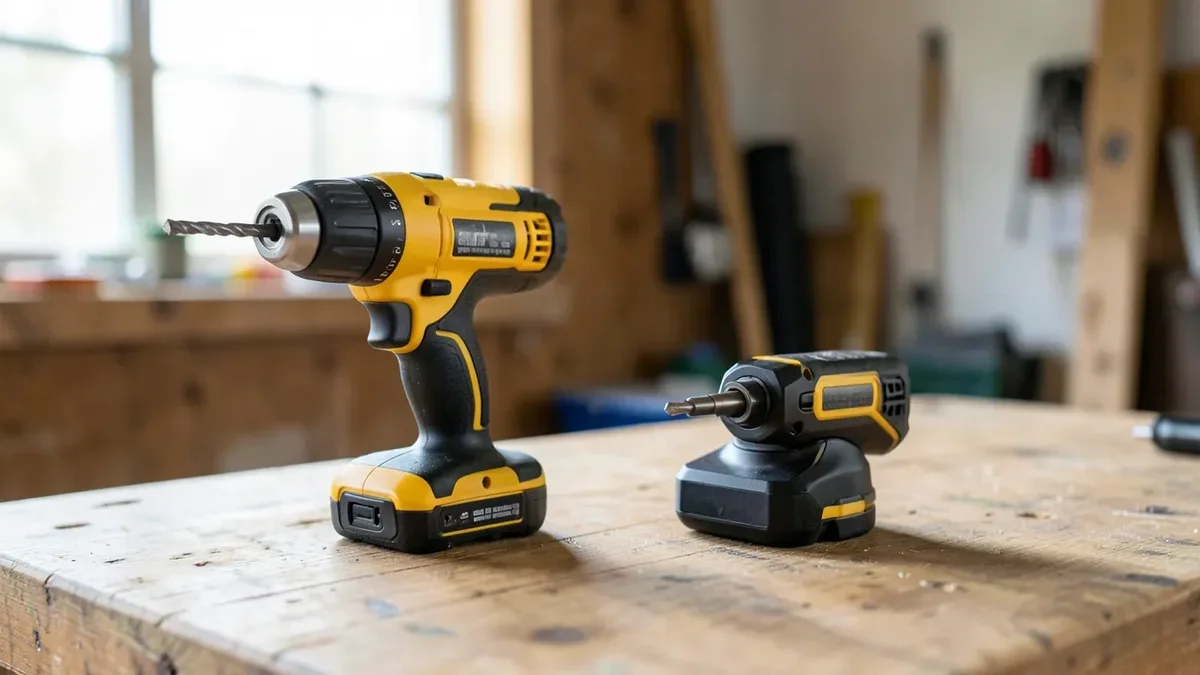
A DeWalt drill and a DeWalt impact driver look almost the same on the shelf, but they spin very differently once they hit resistance, and that difference decides which screws strip, which fasteners stall out, and which tool you should have picked up in the first place.
The short version: a drill/driver applies continuous, controllable rotational torque, which is why it is the better choice for drilling clean holes and driving screws into softer material where you want to feel the clutch slip before you strip the head. An impact driver adds rotational impacts on top of that spin, quick concussive hammer-blows delivered around the bit shaft once resistance builds, which is why it can sink a 3-inch deck screw or a lag bolt that would stall a drill or twist itself out of your wrist. Below we break down the actual mechanism, when each tool wins, and which real DeWalt combo kit gets you both without buying twice.
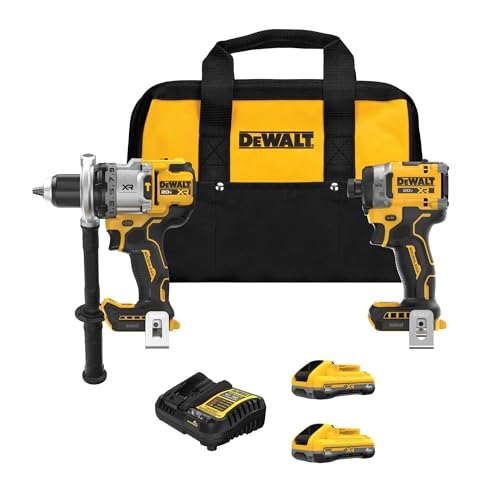
DeWalt Drill vs. Impact Driver: Our Pick If You Need Both
Best Combo Kit Pick
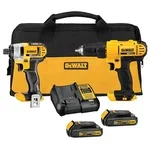 |
DeWalt DCK240C2 20V MAX Drill/Driver & Impact Driver Combo Kit – $179 Pairs the DCD771 drill/driver with the DCF885 impact driver so you get continuous torque and concussive impacts in one kit instead of picking just one tool.
|
If you already own one of the two tools and are trying to decide whether the other is worth adding, the rest of this guide covers the actual mechanical difference, not just a features list, so you can tell which one solves the problem you’re actually running into.
Continuous Torque vs. Concussive Impacts: How Each Tool Actually Works
A drill/driver produces continuous rotational torque. The motor spins the chuck at a steady rate, and a clutch ring lets you cap how much torque reaches the bit before the clutch slips and stops turning the fastener. That clutch is the whole reason a drill/driver is good at controlled work: dial it down for softer wood or thin drywall screws, and the tool stops driving before it strips the screw head or buries it too deep. Dial it up, and it drills through hardwood or metal at a steady, predictable speed.
An impact driver starts the same way, spinning continuously, but once the bit meets real resistance, an internal hammer-and-anvil mechanism kicks in and adds rotational impacts, short, rapid concussive blows around the bit shaft, on top of the spin. Each impact delivers a burst of torque far higher than a drill’s clutch can produce, which is exactly what drives a 3-inch deck screw into pressure-treated lumber or breaks loose a rusted lag bolt that a drill would just stall against. The tradeoff is precision: those impacts make it harder to feel when a screw is about to strip or overdrive, and they are why an impact driver has no torque-clutch setting to speak of.
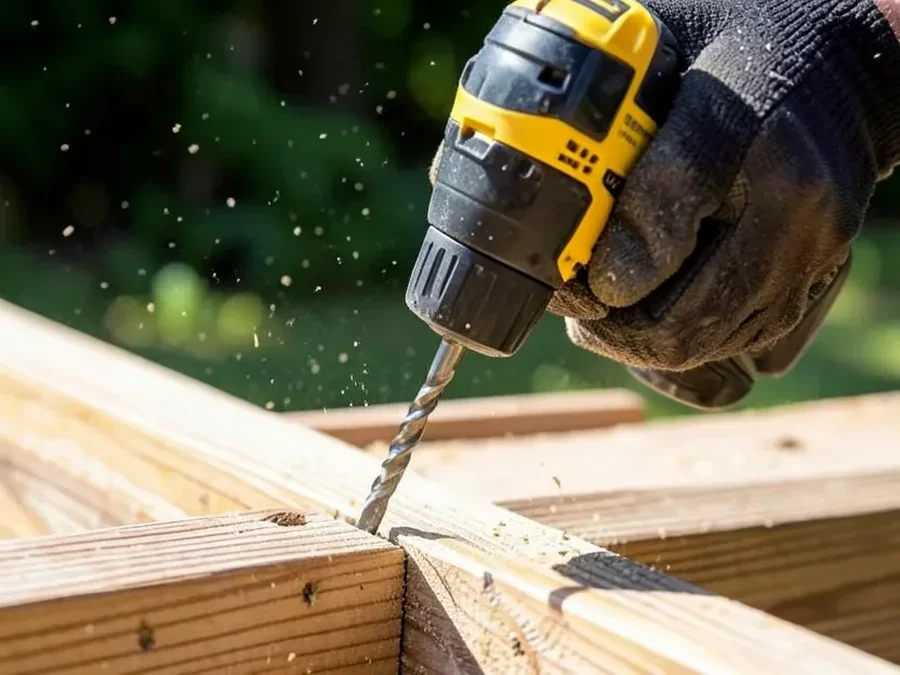
This mechanism difference is also why impact-rated bits exist as their own product category. A standard drill bit is machined for smooth, continuous rotation. Put it in an impact driver and the repeated shock loading can crack or shatter it, because the steel and heat treatment were never built to absorb hammering forces. Impact-rated bits use tougher alloy steel specifically to survive that shock. If you’re feeding a drill/driver bit into an impact driver and wondering why it keeps snapping, that’s the reason, not a bad batch of bits.
When to Reach for a DeWalt Drill/Driver
Reach for the drill/driver whenever the job needs control more than raw power. Drilling clean, straight pilot holes in wood, boring holes with a spade bit or hole saw, driving cabinet hardware screws, assembling furniture, or running self-tapping screws into thin metal are all jobs where a drill/driver’s steady torque and clutch setting protect the material. Most DeWalt drill/drivers use a 1/2-inch keyless chuck, which accepts round-shank and hex-shank bits alike, so it’s the more flexible tool for anything beyond driving screws.
When to Reach for a DeWalt Impact Driver
Reach for the impact driver when the fastener is long, large, or going into dense material: deck screws, lag bolts, structural screws, or driving dozens of the same screw in a row without your wrist giving out. The impact mechanism does the work that would otherwise transfer straight into your hand, which is also why impact drivers stay smaller and lighter than a comparably powerful drill; they don’t need a heavy gear train to generate that torque, they generate it through impacts instead. Impact drivers use a quarter-inch hex collet exclusively, so every bit needs a hex shank, either a driver bit or an impact-rated drill bit with a hex adapter.
DeWalt Drill vs. Impact Driver: Side-by-Side
| Feature | DeWalt Drill/Driver | DeWalt Impact Driver |
|---|---|---|
| Rotation type | Continuous torque, clutch-limited | Continuous torque plus concussive impacts |
| Chuck/bit holder | 1/2-inch keyless chuck | 1/4-inch hex quick-release collet |
| Bit compatibility | Round-shank and hex-shank bits | Hex-shank bits only (impact-rated recommended) |
| Best for | Drilling holes, controlled driving | Long/large fasteners, dense material |
| Precision control | Higher, via torque clutch | Lower, no clutch setting |
| Typical weight (compact models) | ~3.6 lbs | ~2.8 lbs |
Noise, Vibration, and Why Your Wrist Notices the Difference
The impact mechanism has a side effect beyond torque: it’s loud, and it vibrates. Each concussive blow makes an audible clack, and a string of them in a row produces the distinctive rattling buzz you hear from an impact driver on a job site. A drill/driver, by contrast, runs at a steady hum with far less vibration transferred back into your hand. For a handful of screws the difference barely registers, but for an afternoon of deck building or fence repair, that repeated shock is exactly why framers wear the tool on a belt clip instead of gripping it constantly, and why hearing protection is worth having nearby if you’re running one indoors or in a garage with hard walls that bounce the sound back.
The Mistake Most First-Time Buyers Make
The most common mistake is buying an impact driver as a first and only tool because it looks more powerful on the shelf, then being frustrated that it can’t drill an accurate, clean hole or drive a small trim screw without overdriving it. The impacts that make it great at heavy fastening are the same impacts that make fine control difficult. The second most common mistake is feeding a standard, non-impact-rated bit into an impact driver and having it snap after a handful of uses, then blaming the bit brand instead of the mismatch between a bit built for smooth rotation and a tool that hammers it. Buying impact-rated bits alongside the driver, and keeping a separate set of standard bits for the drill/driver, avoids both problems.
Do You Need Both?
If you only do occasional light DIY, a drill/driver alone covers most tasks, including driving smaller screws, just with less speed on tough fasteners. Once you’re building anything structural, hanging a deck, or doing repeat woodworking projects, the impact driver earns its keep fast. That’s the practical case for a combo kit: buying the two tools together in a kit like the DCK240C2 usually costs less than buying a drill and an impact driver separately, since the batteries and charger are shared.
Frequently Asked Questions
What Is The Main Difference Between A DeWalt Drill And An Impact Driver?
A drill/driver spins with continuous, constant torque controlled through a clutch, which is why it’s good at drilling clean holes and driving screws into softer material without stripping them. An impact driver adds rotational impacts, quick concussive blows delivered once resistance builds, which gives it far more torque for driving long or large fasteners but makes it harder to control for delicate work.
Can A DeWalt Impact Driver Replace A Drill For Drilling Holes?
It can drill smaller holes with a hex-shank bit, but its impacting rotation makes clean, precise holes harder to control, and it can’t accept round-shank bits like spade bits, Forstner bits, or hole saws without an adapter. A drill/driver is still the better choice when hole quality matters.
Why Do Impact Drivers Need Special Impact-Rated Bits?
The concussive impacts an impact driver produces put sudden, repeated shock loads on a bit that a standard bit isn’t built to absorb, which can crack or shatter it. Impact-rated bits use tougher steel and a different heat treatment specifically to survive that shock, which is why they’re sold as their own product category rather than just being regular drill bits.
Do I Need Both A DeWalt Drill And An Impact Driver?
Most people who do regular DIY or woodworking eventually want both, since each tool is built for a different job: the drill/driver for clean holes and controlled fastening, the impact driver for heavy-duty fastening like deck screws and lag bolts. A combo kit is usually the most cost-effective way to get both tools at once, since the battery and charger are shared.
Conclusion
The difference between a DeWalt drill and an impact driver isn’t marketing, it’s mechanical: continuous, clutch-controlled torque versus continuous torque plus concussive impacts once resistance builds. Pick the drill/driver for holes and controlled fastening, the impact driver for heavy-duty and long fasteners, and if your projects call for both, a combo kit like the DCK240C2 covers the job without buying two separate battery platforms.
Sponsored / affiliate links. As an Amazon Associate I earn from qualifying purchases. I may earn additional commission from eligible campaigns.