Can You Glue New Laminate Over Old Laminate Countertops?
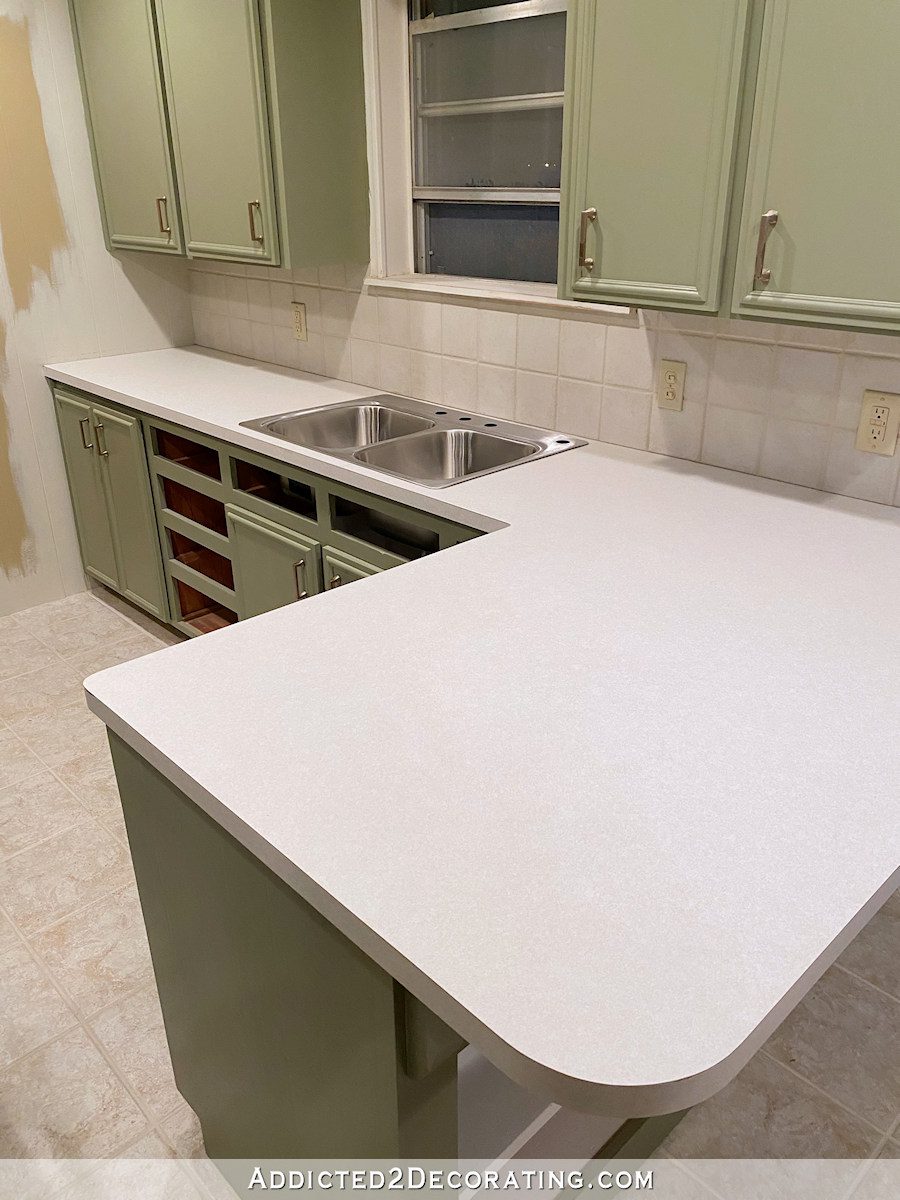
Yes, you can glue new laminate over old laminate countertops using contact cement, but only if the old surface is flat, well-bonded, and free of chips or delamination — gluing over damaged or lifting laminate just telegraphs those defects through the new layer.
The added thickness (usually 1/16 to 1/8 inch) also matters — it can create a lip at the sink cutout, backsplash edge, and appliance gaps that needs trimming or a transition strip, which is the detail most DIY overlay jobs get wrong.
Below, we cover how to check your existing laminate is a good candidate, contact cement application technique, and how to handle edges and cutouts cleanly.
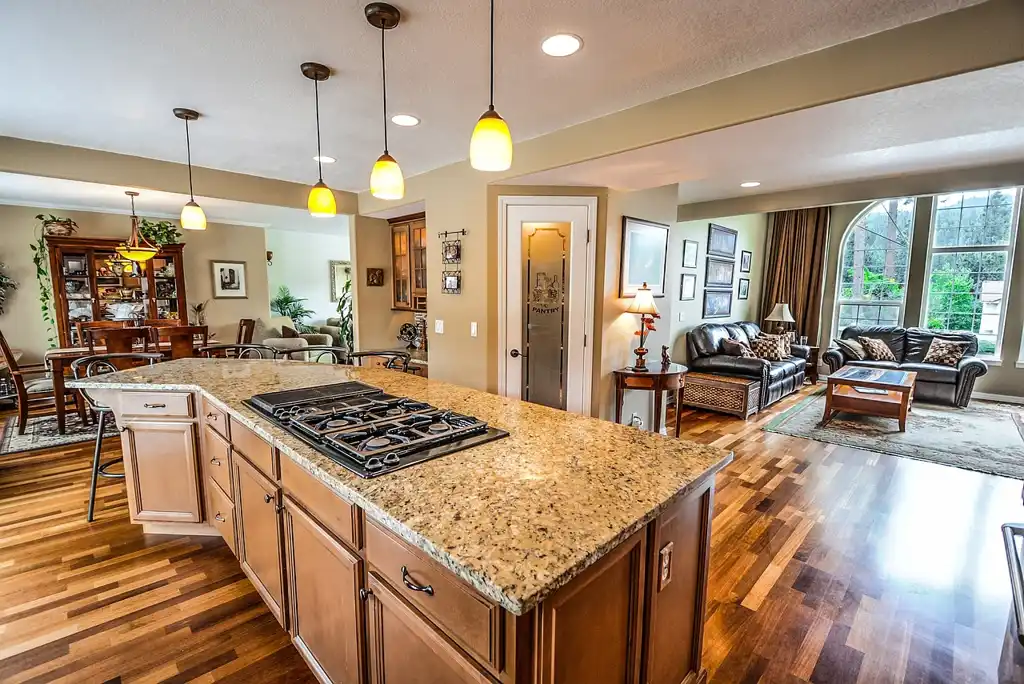
Benefits Of Laminating Over Existing Countertops
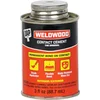
- Best for: Bonding a full new laminate sheet over an existing countertop
- Why we picked it: Instant, permanent bond with no clamping needed — just press and go
- Main drawback: Strong fumes — needs good ventilation and no do-overs once pieces touch
 POWERTEC J-Roller
Presses laminate flat and seals seams tight after gluing — prevents bubbles and lifted edges.
Check on Amazon
|
 120-Grit Sandpaper
Scuffs the glossy old laminate so the new adhesive actually grips instead of sliding off.
Check on Amazon
|
As an Amazon Associate, we earn from qualifying purchases.
Laminating over old countertops saves money. No need to rip out the old ones. New laminate can be glued directly on top. This method is cheaper than buying new countertops. Old laminate does not need to be removed. Saves on labor costs.
Gluing new laminate is quick. It takes less time than full replacements. New laminate can be applied in a day. No need for long waiting times. Start using your kitchen sooner.
This process keeps your home calm. No loud machines. No mess from tearing out old countertops. Your kitchen stays clean. Family life continues smoothly. Easy for everyone.

Preparing Old Laminate For New Layers
Start by cleaning the old laminate surface. Use a mild soap and warm water. Scrub gently with a soft cloth. Make sure all dirt and grease are gone. Dry the surface with a clean towel. Next, sanding is important. Sand the surface lightly. Use a fine-grit sandpaper. This helps the new laminate stick better. Remove dust with a damp cloth. Now the old laminate is ready for the next step.
Look for cracks or holes in the old laminate. Fill these with wood filler. Let it dry completely. Smooth the filled areas with sandpaper. Make sure the surface is even. This will help the new laminate lay flat. Check all edges and corners. Fix any loose parts. Your countertop is now ready for a new look.
Choosing The Right Adhesive
Different adhesives work for laminate. Common choices include contact cement, epoxy, and construction adhesive. Each type has its own benefits and drawbacks.
| Adhesive Type | Pros | Cons |
|---|---|---|
| Contact Cement | Strong bond, fast drying | Fumes, requires ventilation |
| Epoxy | Durable, waterproof | Messy, longer setup time |
| Construction Adhesive | Easy to use, versatile | Not as strong as others |
Installation Process
Start by measuring the old countertop. Use a measuring tape for accuracy. Write down each measurement on paper. This helps in avoiding mistakes. Next, cut the new laminate pieces. Use sharp tools like a laminate cutter. Make sure the pieces fit perfectly. Small gaps can cause problems later.
Apply adhesive to the old laminate surface. Spread it evenly with a brush or roller. Avoid leaving any spots dry. This ensures the new laminate sticks well. Wait a few minutes for the adhesive to become tacky. This makes the glue work better.
Place the new laminate on top. Press it down firmly with both hands. Use a roller to remove air bubbles. This step is very important. Ensure the edges are sealed well. This prevents water damage in future. Let it dry for at least a day. Enjoy your new countertop!
Tips For A Seamless Finish
Transforming old laminate countertops with a fresh layer is possible with proper adhesive techniques. Begin by cleaning the surface thoroughly. Roughen the old laminate slightly for better grip, then apply a strong adhesive evenly before placing the new laminate, ensuring a smooth finish.
Avoiding Air Bubbles
Air bubbles can spoil the look of your countertop. Use a roller to press the laminate down. Start from the center and move outwards. This helps to remove trapped air. Slow and steady pressure works best. Check for bubbles as you work. Fix them before the glue dries.
Ensuring Smooth Edges
Smooth edges make your countertop look professional. Use a router to trim excess laminate. Keep the router steady for even cuts. Sand the edges gently. This removes any rough spots. Be careful not to sand too much. You want smooth, not thin edges.
Maintenance Of Laminated Countertops
Clean laminated countertops with a soft cloth. Use warm, soapy water for daily cleaning. Avoid harsh chemicals. They can damage the surface. Dry the countertop with a clean towel. Make sure no water is left on the surface. This helps prevent stains. Gentle cleaning keeps the laminate shiny and new.
Use cutting boards when chopping food. This protects the laminate surface. Avoid placing hot pots directly on the countertop. Use heat-resistant pads or trivets instead. Hot items can cause burns or discoloration. Wipe spills immediately to prevent stains. Keep sharp objects away from the surface. This prevents scratches and keeps the laminate smooth.
Common Mistakes To Avoid
Gluing new laminate over old countertops can lead to peeling if the surface is not properly prepared. Ensure the old laminate is clean and sanded for better adhesion. Using the wrong adhesive may cause bubbling, so choose one specifically for laminates.
Ignoring Surface Preparation
Many people forget to clean the old surface. Dirt and grease can make the glue not stick well. Always clean the old laminate first. Use a mild cleaner and a soft cloth. Dry the area completely before adding new laminate. Skipping this step can lead to poor results.
Using Incorrect Tools
Using the wrong tools can cause problems. A sharp utility knife is needed for cutting. A roller helps to press the laminate flat. Always have the right tools ready. Wrong tools can cause mistakes and damage. Ensure tools are clean and in good condition. This helps make the job easier and faster.
Frequently Asked Questions
Can You Glue New Laminate Over Old Laminate?
Yes, you can glue new laminate over old laminate countertops. Ensure the old surface is clean and free of debris. Sand the old laminate lightly to provide better adhesion for the new layer. Use a high-quality adhesive for best results.
What Type Of Glue Is Best For Laminate?
Contact cement is the best glue for laminate countertops. It provides strong adhesion and is easy to apply. Ensure you follow the manufacturer’s instructions for proper application. Allow the glue to dry completely before placing the new laminate.
How Do You Prepare Old Laminate For New?
Start by cleaning the old laminate thoroughly. Remove all grease, dirt, and residues. Sand the surface lightly to create a rough texture. This helps the new laminate adhere better. Wipe off dust after sanding to ensure a clean surface for bonding.
Is Removing Old Laminate Necessary Before New?
Removing old laminate is not always necessary. If the existing laminate is intact and well-adhered, you can apply new laminate directly. Ensure the surface is clean and sanded for better adhesion. This approach saves time and cost in renovation projects.
Conclusion
Gluing new laminate over old countertops offers a fresh look. It’s an affordable option for kitchen upgrades. Preparation is key for a successful project. Clean the surface thoroughly. Use quality adhesive for durability. Consider professional help for best results. This method saves time and money.
Plus, it minimizes waste. Perfect for a quick kitchen refresh. Remember, new laminate can transform your space. Explore color options to match your style. With proper care, your countertops will look great for years. Give your kitchen a simple update today.
Enjoy a refreshed, inviting space.
Sponsored / affiliate links. As an Amazon Associate I earn from qualifying purchases. I may earn additional commission from eligible campaigns.