Can You Glue Wood to Laminate? Prep Matters Before Glue
Yes, wood can be glued to laminate, but only after hard sanding, thorough cleaning, and a joint that adds mechanical support; otherwise, the bond usually fails before the wood movement does. Bad prep burns time, clamps, finish work, and often forces a second repair. This guide covers what laminate will bond, how to prep it, which glues actually help, and when glue is the wrong fix.
This guide is part of our Wood glue essentials: types, uses, and cure times series.
Can you glue wood to laminate?
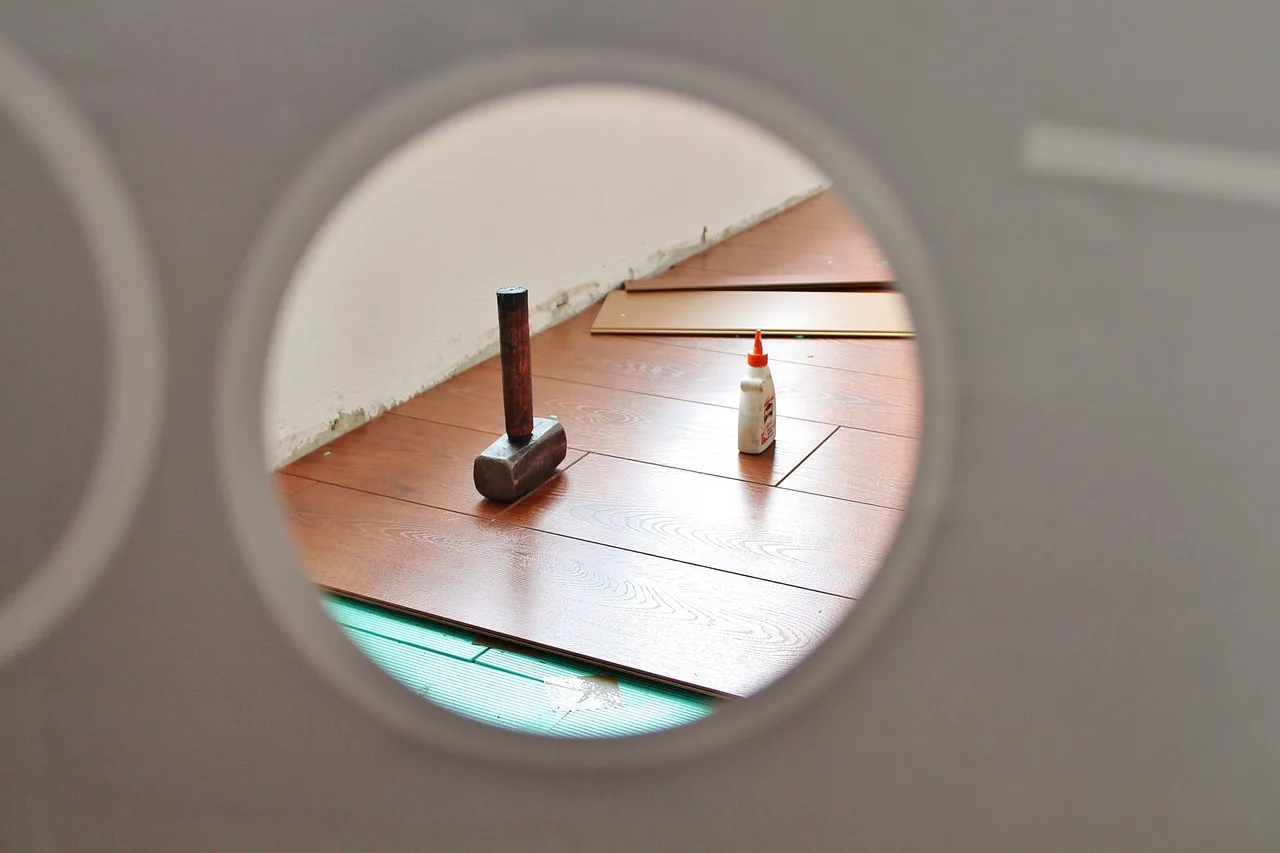


Yes, but only on the right laminate and only with the right preparation. The surface matters more than the glue label. Melamine wear layers resist adhesion, HDF cores react to moisture, and smooth decorative films often need both abrasion and a joint that does more than hold by shear alone.
What woodworkers mean by laminate
In shop use, “laminate” can mean several different surfaces. A melamine-faced panel has a hard decorative wear layer. Decorative laminate sheet is a separate face material bonded to a substrate. Many laminate products also sit on HDF, a wood-fiber core compressed and bonded under heat and pressure.
That distinction matters because the bond line may be made to the face, the edge, or the core. A glue that behaves acceptably on an exposed HDF edge may do poorly on glossy melamine. A good repair starts by identifying which layer is actually being bonded.
When glue is worth trying and when it is not
Glue is worth trying when the bond area is broad, the load is mostly in compression, and the joint can be clamped or mechanically captured while it cures. It is a poor choice when the load is mostly peel or shear, when the laminate is glossy and unprepared, or when the part must move with moisture changes.
If the design depends on the adhesive alone, the setup is already weak. Trim return strips, cabinet skins, edge repairs, and tabletops often need screws, brads, biscuits, dowels, splines, or hidden cleats in addition to glue.
Why laminate is a difficult surface for glue
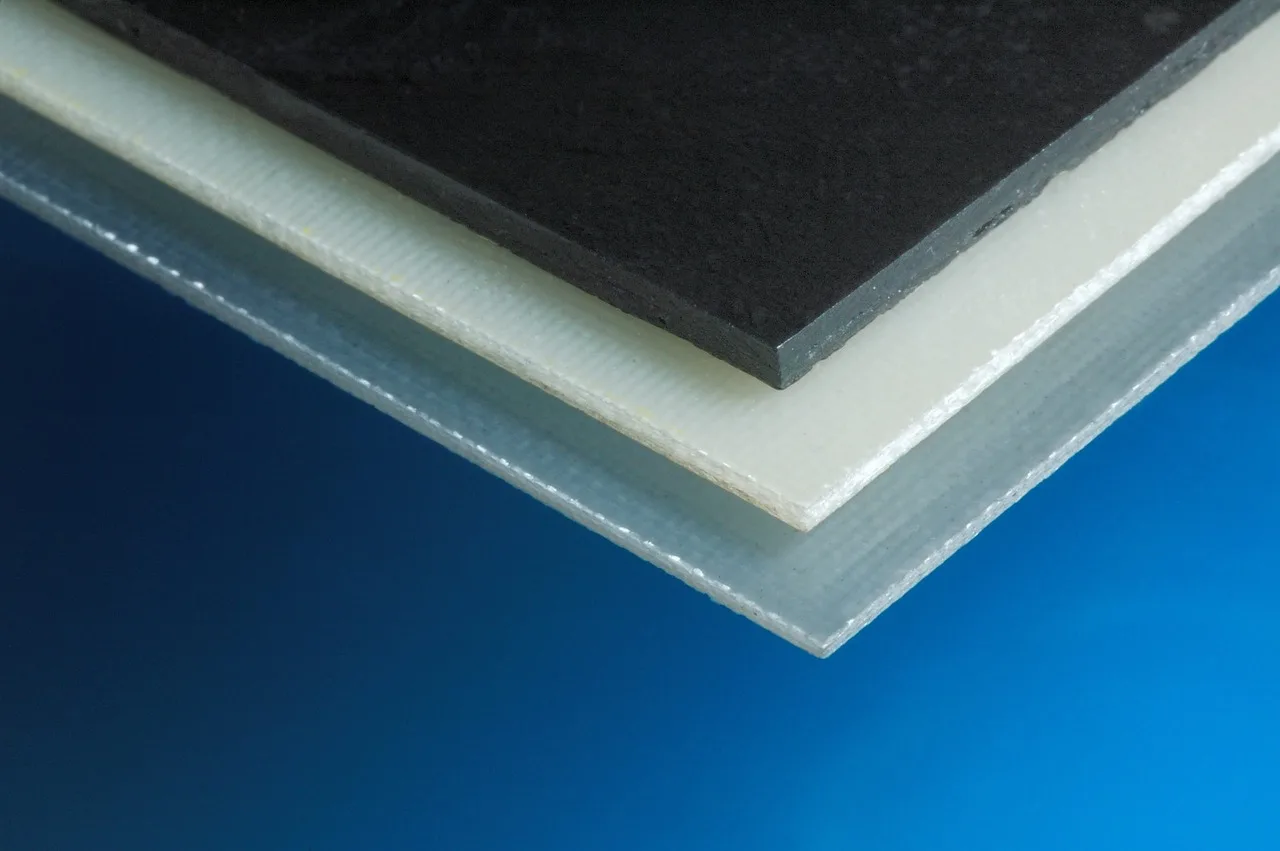
Laminate is difficult because the face is made to resist wear, stains, and moisture, not to accept adhesive. The melamine wear layer is largely dimensionally stable, but it has low surface energy and often resists wetting. That means glue can bead, bridge, or release under stress instead of gripping the surface.
Laminate surface and melamine wear layer
The outer face on many laminate products is melamine resin. It is hard and stable, which is useful for floors, countertops, and cabinet parts, but not friendly to glue. Wax, silicone, shop dust, and polish residue make the problem worse. A bond can fail even when the adhesive itself is fine.
How HDF cores react to moisture
The HDF core matters because it is moisture-sensitive. HDF expands when exposed to moisture, and some adhesives add water during application. If the bond line is near an exposed edge or damaged spot, moisture can swell the substrate before the adhesive reaches full strength. That swelling can lift the joint or print through the face.
What glue works best on laminate surfaces?
No single glue is best on every laminate surface. Adhesive choice has to match the face material, the substrate, and the movement the joint must survive. Urethane, pressure-sensitive, water-based acrylic, and epoxy all have uses, but each one fails in a different way when the setup is wrong.
Urethane adhesive: where it fits and where it falls short
Urethane adhesive cures by reacting with ambient moisture. It can make a flexible bond and is used in some flooring applications. Its open time is typically 30 to 45 minutes at room temperature. That gives some working window, but it still needs a prepared surface and a joint that will not pry apart while the adhesive cures.
It is a better fit where modest movement is expected. It is less useful when the parts cannot be clamped well or when the face has not been abraded enough to break the slick surface.
Pressure-sensitive adhesive: quick bond, weak shear resistance
Pressure-sensitive adhesive is tacky and flexible indefinitely. That makes it useful when immediate grab and repositioning matter. The tradeoff is weak shear resistance. On a vertical trim piece or a part that gets side load, that weakness shows up as creep, edge lift, or slow sliding under stress.
Water-based acrylic adhesive: lower VOC, moisture risk
Water-based acrylic adhesive is lower VOC and easier to clean up, but it introduces water during application. On a moisture-sensitive HDF core, that can be a problem. It may work on a stable laminate face with excellent prep and light duty, but it is not the first choice where swelling would ruin the fit.
Epoxy adhesive: strong, rigid, and often too unforgiving
Epoxy cures into a very rigid bond with virtually no flexibility. That can look impressive on paper, yet rigidity is a liability when the laminate and wood move at different rates. It can hold well in a static repair, but it is usually the wrong answer for a joint that needs to move with seasonal change.
Do you need to sand laminate before gluing wood?
Yes. Sanding is not optional if the goal is a dependable bond. The point is not to remove the face layer completely. The point is to break the gloss, increase tooth, and remove contaminants so the adhesive can wet the surface instead of skating across it.
How much abrasion is enough
Use enough abrasion to dull the sheen across the full bond area. A light scuff with a fine abrasive is generally safer than aggressive grinding that can expose the core or leave a weak, fuzzy edge. On melamine, the goal is a matte surface, not a deep scratch pattern or through-cut.
Cleaning after sanding
After abrasion, vacuum the dust, then wipe with a cleaner that removes grease and residue without leaving a film. A clean white cloth helps reveal whether the surface is still carrying contamination. If the cloth picks up waxy smears, the bond is still at risk.
What happens if you skip degreasing
Skipping degreasing is one of the most common reasons a laminate repair fails after initial tack. Dust blocks wetting. Silicone and polish residue create tiny release spots. The glue may cure hard, but it cures to contamination instead of the substrate, and the failure appears as a clean peel.
The prep sequence that makes the bond work
The prep sequence matters more than brand name. A good adhesive cannot rescue a bad joint. The surface needs to be identified, abraded, cleaned, and fit-tested before any glue is mixed or opened. Open time starts ticking as soon as the adhesive is exposed.
Step-by-step sequence
- Identify the laminate type: melamine face, decorative sheet, HDF-core panel, or postformed edge.
- Check the edge condition. Exposed core, chips, or swelling need repair before bonding wood.
- Scuff the bond area until the gloss is removed.
- Vacuum all dust from the face, edge, and adjacent surfaces.
- Wipe with a residue-free cleaner and let the surface dry fully.
- Dry-fit the part and confirm clamp access, registration, and joint contact.
- Use primer or sealant only when the adhesive maker says it is needed for that surface.
Prep checklist and failure matrix
Use this as a decision aid, not a recipe for every job. Laminate type, surface condition, and load direction all change the answer. The table below matches common woodworking uses to prep steps, adhesive family, clamp time, and the failure mode seen most often when the process is rushed.
| Laminate type | Prep steps | Recommended adhesive family | Clamp time | Common failure mode |
|---|---|---|---|---|
| Gloss melamine face on cabinet panel | Scuff until matte, vacuum, degrease, dry-fit | Urethane adhesive or mechanical capture with glue backup | Hold until set; then leave undisturbed through cure | Peel failure from low surface energy and poor wetting |
| HDF-core laminate edge | Trim damaged fibers, seal exposed core if required, scuff lightly, clean | Urethane adhesive | Firm clamping through cure | Swelling at the edge from excess moisture |
| Decorative laminate sheet on stable substrate | Light abrasion, dust removal, solvent-safe wipe, dry-fit | Pressure-sensitive adhesive for light-duty trim; urethane for stronger bond | Immediate tack, then hold as directed | Shear creep or edge lift |
| Postformed laminate edge | Expose fresh sound surface only if needed, clean thoroughly, test fit | Urethane adhesive | Clamp until full set | Bond failure at curved transition or contaminated radius |
| Moisture-sensitive HDF panel with trim | Minimize liquid cleaner, scuff lightly, dry completely | Pressure-sensitive adhesive only for non-structural trim; avoid water-based adhesive | Depends on product; immediate grab is common | Panel swelling and joint distortion |
| Routed groove, biscuit, or dowel repair | Cut fresh wood-to-wood registration, clean laminate only as a face reference | Epoxy only when movement is low and fit is controlled | Leave until fully cured | Rigid bond cracks when the assembly moves |
How do you fix a failed wood-to-laminate bond?
A failed bond needs more than fresh glue. The old adhesive has to come off, the surface has to be re-prepped, and the joint has to be reconsidered. If the bond failed because the design depended on glue alone, the repair should include mechanical support.
Removing failed adhesive without damaging the face
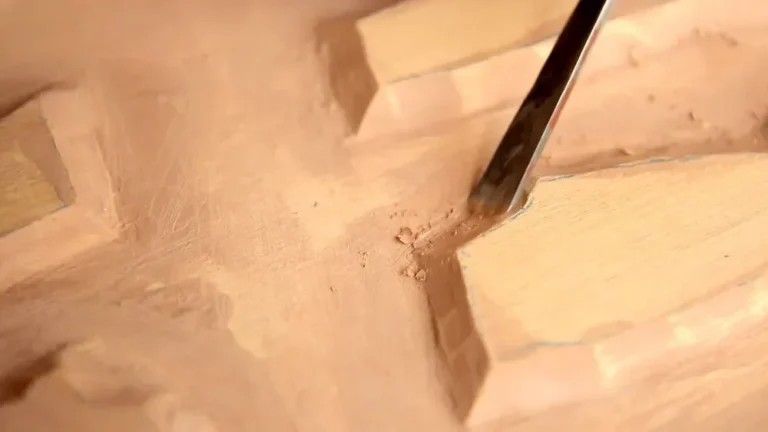
Scrape carefully with a sharp plastic or fine metal scraper, working flat to the surface. The goal is to remove loose residue without cutting through the face layer or polishing the contamination into it. If the laminate face is scored deeply, the repair area may need to be widened and rethought.
Re-prepping the surface for a second try
After removal, repeat the full sequence: scuff, vacuum, clean, dry-fit, and verify clamp access. A second bond often fails when the original contamination was never fully removed. If the laminate is swollen, cracked, or glazed over from heat, stop and switch to a different attachment method.
When to switch to mechanical fasteners or inserts
Switch when the surface is too slick, the edge is too damaged, or the part will carry regular impact or side load. Screws into solid wood, threaded inserts, brads, biscuits, dowels, splines, or concealed cleats can carry load while the adhesive only stabilizes the joint. That is a better repair than asking glue to do everything.
How long should glue cure on laminate before stressing the joint?
Do not confuse open time with cure time. Open time is the working window before the adhesive skins over. Cure time is how long the bond needs before it can take load. On laminate, stressing the joint early is a common reason a seemingly sound repair fails later at the edge.
Open time, clamp time, and cure time are different
Open time is the period before the adhesive starts to lose wetting ability. Clamp time is how long the pieces must stay still while the joint sets. Cure time is the longer period before the assembly should see real use. A bond can feel firm and still fail if loaded too soon.
Practical waiting rule
Follow the adhesive maker’s instructions first. If the product is not clearly labeled for the surface, assume the repair should not be put in service until the bond has fully cured and the joint has been tested under light load. Heavy stress, racking, and heat exposure should wait longer than initial set.
Frequently asked questions
Why does glue fail on laminate even when it says it bonds to wood?
Because the label often assumes a wood substrate, not a slick laminate face. Low surface energy, contamination, and moisture movement can defeat the bond. A glue can bond to wood fibers well and still fail on melamine, especially if the joint depends on shear strength or edge holding.
Is epoxy better than wood glue for laminate surfaces?
Not usually. Epoxy can bond well after prep, but it cures into a very rigid bond with virtually no flexibility. That rigidity is a drawback when wood and laminate move differently. It is better for tightly controlled repairs than for joints that need to handle seasonal movement or racking.
Sponsored / affiliate links. As an Amazon Associate I earn from qualifying purchases. I may earn additional commission from eligible campaigns.