Best Wood for Outdoor Furniture: Teak vs Cedar vs Mahogany
Teak is the safest default for outdoor furniture; choose cedar for lighter, lower-cost builds in drier climates, and mahogany for covered or moderate-exposure settings, with teak the safest choice for salt spray or year-round rain. Pick the wrong wood and you get checking, rot, loose joinery, and faster refinishing than the piece is worth. This guide compares teak, cedar, and mahogany by durability, maintenance, and climate fit so you can choose the right lumber for your patio, porch, or coastal build.
Teak, cedar, or mahogany?

The core trade-off is simple: teak offers the strongest outdoor margin, cedar gives the best value-to-weight ratio, and mahogany brings a fine finish but less tolerance for weather. Exposure matters more than species name alone, because UV, standing moisture, and salt air drive the failure mode faster than a catalog description suggests.
Why exposure matters more than species name alone
Outdoor furniture fails in stages. UV bleaches color and breaks down surface fibers. Moisture opens checks, swells joints, and feeds rot. Salt air speeds corrosion at fasteners and can shorten finish life, especially where end grain stays wet.
Heartwood and sapwood matter too. Heartwood is the denser, more durable center wood; sapwood is usually less durable and more vulnerable to decay. If you are buying lumber for an outdoor project, choose heartwood-heavy stock and avoid mixing in sapwood where water can sit.
Outdoor wood decision table
This table maps each wood to a common outdoor setting, the likely lifespan range, maintenance cadence, failure mode, and the finish or hardware that makes sense. It is meant for real build decisions, not for grading wood in the abstract.
| Wood | Scenario | Expected lifespan | Maintenance interval | Likely failure mode | Recommended finish / hardware |
|---|---|---|---|---|---|
| Teak | Full-sun uncovered patio | Longest of the three; often cited at 50 to 70 years outdoors | Inspect yearly; oil or seal only if you want to slow color shift | Silver-gray weathering, surface checking, loose fasteners if hardware corrodes | Stainless steel fasteners; leave bare for patina or use a UV-protective oil on a 1 to 2 year cycle |
| Teak | Covered porch | Very long service life | Every 1 to 2 years if you want to preserve color; less if you accept patina | Color fade is more visible than decay; end grain still needs attention | Stainless steel fasteners; exterior sealer or oil on exposed end grain |
| Teak | Humid / coastal climate | Best outdoor margin in this group | Check hardware and finish annually | Patina, grime buildup, and corrosion at low-grade hardware | Stainless steel fasteners; minimal finish or UV-protective oil, depending on appearance goals |
| Western Red Cedar | Full-sun uncovered patio | Moderate to long if detail work is good | About every 1 to 2 years for oil or sealer; more often if color retention matters | Fading, checking, denting, and surface wear | Stainless steel fasteners; exterior sealer or UV-protective oil, especially on end grain |
| Western Red Cedar | Covered porch | Very good value and durability balance | 1 to 2 years, depending on exposure to wind-driven rain | Finish wear, dents, and minor surface checking | Stainless steel fasteners; sealer for color control, or leave to weather to gray |
| Western Red Cedar | Humid / coastal climate | Good, but less forgiving than teak in repeated wetting | Annual inspection; recoat as needed | Moisture staining, finish breakdown, and soft-surface damage | Stainless steel fasteners; careful sealing of end grain and joinery |
| Mahogany | Full-sun uncovered patio | Least reliable of the three unless tightly detailed and maintained | At least yearly, often on a tighter schedule | Moisture degradation, checking, finish failure, and rot risk | Stainless steel fasteners; exterior sealer or UV-protective oil only if the piece will be maintained |
| Mahogany | Covered porch | Good if sourced well and protected | About every 1 to 2 years for finish renewal | Dimensional movement and gradual surface wear | Stainless steel fasteners; keep end grain sealed and avoid trapped moisture |
| Mahogany | Humid / coastal climate | Poor fit unless the design is sheltered | Tight maintenance schedule, with frequent inspection | Rot risk and finish breakdown from persistent moisture | Stainless steel fasteners; protective finish plus sheltered placement |
Which wood lasts longest outdoors?
Teak lasts longest outdoors because its natural oils and silica give it very high durability against moisture and decay. Western Red Cedar is also naturally decay-resistant, but it is softer and more vulnerable to dents, scratches, and surface wear. Mahogany looks stable indoors, yet it has less outdoor margin and is more vulnerable to moisture degradation.
Teak: high natural durability and slow failure
Teak is the safest choice for outdoor furniture. Its natural oils help shed water, and the silica content adds abrasion resistance while making it harder on saw blades and cutters. That same density is part of why teak can hold up so well outdoors, and why many guides put its outdoor life at 50 to 70 years.
Its failure mode is usually slow. Expect color to shift toward gray, not sudden rot. If teak is built with good joinery and stainless steel fasteners, the wood itself is often the last part to fail.
Western Red Cedar: good decay resistance, softer surface
Western Red Cedar contains thujaplicins and other natural compounds that help it resist decay. It is lightweight and easy to work, which is why many builders like it for benches, tables, and picnic furniture. It is the best balance of performance and price for many DIY projects.
The trade-off is softness. Cedar dents more easily than teak, and a rough landing, dragged chair leg, or sharp utensil edge can leave marks. That does not mean it is weak; it means the surface needs more care if you want a crisp appearance over time.
Mahogany: stable-looking wood, weaker outdoor margin
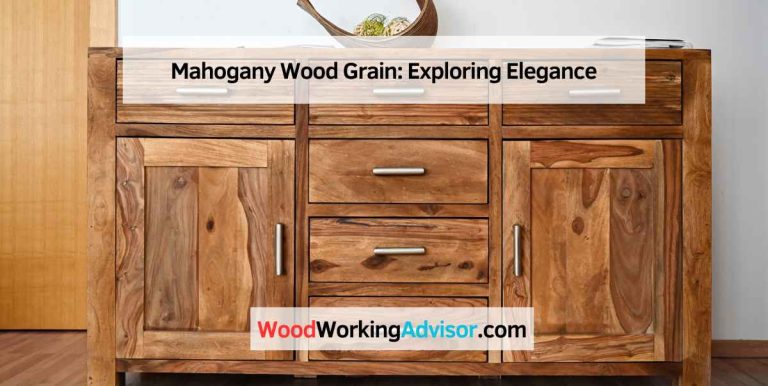
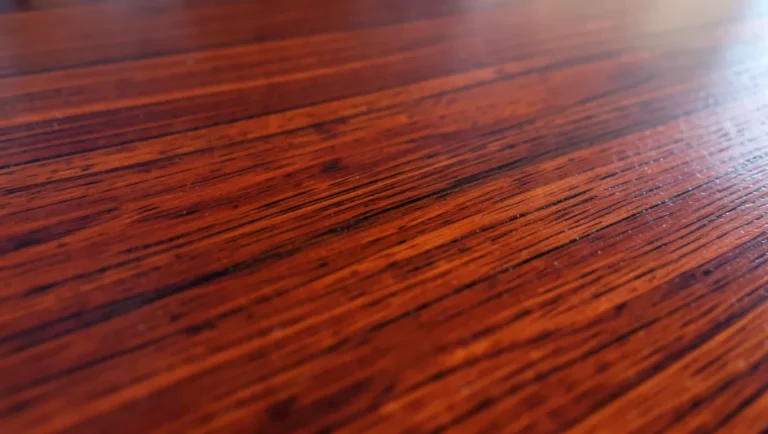
Mahogany has a fine grain and takes a smooth finish, which makes it attractive for furniture. But furniture-grade mahogany, including Swietenia macrophylla, is more suited to protected use than to exposed outdoor duty. Its outdoor performance varies widely by species and sourcing, so the label alone is not enough.
When mahogany is used outside, moisture management becomes the main issue. Uncovered exposure can push it toward checking, finish breakdown, and rot risk faster than teak or good cedar. For that reason, it is a better fit for covered furniture than for a fully exposed patio set.
Which wood needs the least maintenance?
Teak usually needs the least maintenance if you are willing to accept natural weathering. If you want to preserve color, all three woods need some finish care, and that is where the workload rises. Cedar and mahogany demand tighter finish discipline because surface protection fails sooner under UV and moisture.
How oil, sealer, and end grain affect upkeep
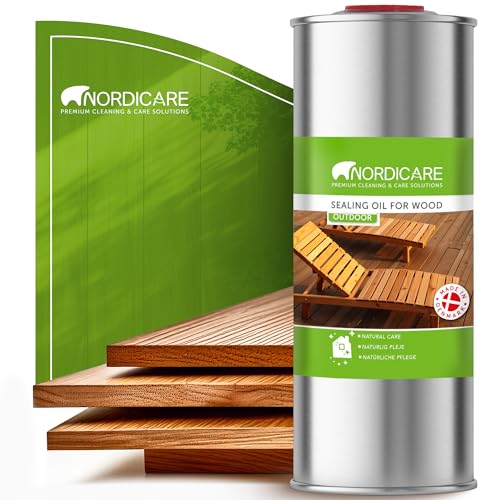
Exterior wood sealer and UV-protective oil are about slowing moisture uptake and reducing color loss, not making wood immune. End grain drinks finish faster than face grain, so it deserves extra attention on tabletops, armrests, and leg bottoms. Many finishes need renewal about every 1 to 2 years, depending on exposure.
If you skip finish maintenance, you are not buying time for the wood so much as choosing a different look. The piece may still function, but the surface will gray, open checks, and lose the crisp appearance sooner.
Why teak still needs attention even when it weathers well
Teak is not maintenance-free. It weathers into a stable silver patina outdoors, which many people accept as a finish choice. That patina is normal, but hardware still matters, because poor fasteners can stain, loosen, or corrode before the wood itself fails.
Suppose you build a teak dining table for an uncovered deck and leave the joints with plain steel screws. The wood may still hold up for years, but black staining around the fastener heads can appear first, followed by rust, movement, and a repair job that has nothing to do with the teak itself.
Why cedar and mahogany need tighter finish discipline
Cedar and mahogany both need more finish planning if you want a stable color and clean edges. Cedar is especially prone to visible dents and scratches, so the surface can look tired even when the wood is still structurally sound. Mahogany needs more protection because moisture can move through the piece faster than many buyers expect.
A common first-timer mistake is to assume cedar can handle year-round exposure like teak. The result is usually a piece that weathers faster than expected, with gray color, roughened grain, and wear on corners where rain and sun hit first. If the goal is long-term appearance, plan on regular sealer or oil renewal.
How do climate and exposure change the choice?
Climate changes the winner. Full sun pushes color fading and checking. Rain exposure raises the risk of swelling, end-grain uptake, and rot. Humid or coastal air adds constant moisture load and makes hardware choice more important because corrosion and staining start to matter sooner.
Full sun and UV: fading, checking, and color shift
Direct sun breaks down surface color on all three woods. Teak and cedar tend to weather to gray more predictably, while mahogany often looks patchy or tired sooner if finish protection is thin. UV is one of the main reasons maintenance intervals shorten on uncovered patios.
If color matters, use a UV-protective oil or sealer and plan to renew it on a 1 to 2 year cycle, sometimes sooner in harsh sun. If a silver-gray finish is acceptable, you can reduce finish work and focus on keeping joints dry.
Rain exposure and standing moisture
Rain is less about a single storm and more about repeated wet-dry cycling. Water left on flat surfaces, in screw holes, or at end grain can speed checking and joint movement. Teak handles this cycle better than cedar, and cedar handles it better than mahogany in most outdoor use.
Drainage detail matters as much as wood choice. Slightly rounded edges, sloped surfaces, and sealed end grain can delay moisture damage far more effectively than a heavy finish layer applied to the wrong places.
Humidity and salt air near coasts
Humid and coastal settings are often considered among the harshest of the three scenarios in the decision table. Teak is the safest choice because its natural oils and silica give it the highest outdoor margin. Cedar can work well if you accept a shorter finish cycle, while mahogany becomes a guarded choice rather than a default one.
Stainless steel fasteners are not optional in these settings. Tannin-rich woods can stain steel screws black, and corrosion can spread the problem into the surrounding wood. Use stainless hardware from the start, or the finish system can fail even when the boards are still sound.
Choose teak if… / Choose cedar if… / Choose mahogany if…
Choose teak if you want the longest service life with the highest budget, especially for uncovered patios, coastal settings, or furniture you do not want to refinish often. Choose cedar if you want a lighter, easier-to-machine wood at a lower price, and you are comfortable with dents, gray weathering, and periodic finish care. Choose mahogany only if the piece will stay protected or you can commit to a finish schedule that matches the exposure.
Choose teak
- You want the safest bet for full-sun or year-round outdoor exposure.
- You are building near salt spray, heavy rain, or persistent humidity.
- You prefer a natural silver-gray patina or a low-finish look.
- You are willing to pay a premium for longer service life.
Choose cedar
- You want the best balance of performance and price.
- You need a wood that is lightweight and easy to machine.
- You are building picnic tables, benches, or similar furniture for drier climates.
- You accept that the surface will dent and weather more quickly than teak.
Choose mahogany
- The furniture will live on a covered porch or in a sheltered setting.
- You want a fine-grained wood with a smooth finish.
- You can control moisture and maintain the finish on schedule.
- You have confirmed the species and sourcing, rather than assuming all mahogany performs the same outdoors.
Frequently asked questions
What is the best wood for outdoor furniture: teak, cedar, or mahogany?
Teak is the best choice for outdoor furniture because it has the strongest natural durability and the widest climate tolerance. Cedar is the better value choice when weight and cost matter. Mahogany is best reserved for protected or moderate-exposure settings where finish maintenance is realistic.
Is teak better than cedar for outdoor furniture?
Yes, teak is better than cedar when you want maximum outdoor durability and the least climate sensitivity. Cedar is easier to work and less expensive, but it dents more easily and usually needs more visible finish care in harsh sun or repeated wetting.
Is cedar good for outdoor furniture in rain and sun?
Yes, cedar can work outdoors in rain and sun, but it is not rot proof. It resists decay well, yet UV exposure, standing moisture, and rough use will shorten its good looks faster than teak. Good drainage, stainless fasteners, and finish renewal help a lot.
Can mahogany be used outside for patio furniture?
Mahogany can be used outside, but it is generally a weaker choice for exposed patio furniture than teak or cedar. It performs better in covered or sheltered locations. If you use it outdoors, choose the right species, keep the end grain sealed, and plan on regular maintenance.
Which wood lasts longest outdoors with the least maintenance?
Teak lasts the longest outdoors with the least maintenance burden. It does not need chemical sealing for exterior use, and it can weather into a stable silver patina. Even so, hardware should be stainless steel, and finish choices still matter if you want to preserve color.
Which outdoor wood is best if I want a lower budget option?
Western Red Cedar is the lower-budget option that still offers solid outdoor performance. It is lightweight, easy to work, and naturally decay-resistant thanks to compounds such as thujaplicins. It is a strong choice for picnic tables and similar projects when you accept more surface wear.
Does teak need to be sealed for outdoor use?
No, teak does not need to be sealed for exterior use if your goal is durability rather than color retention. Many builders leave it bare and let it weather into a silver patina. If you want to slow graying and reduce moisture uptake, use a UV-protective oil or exterior sealer instead.
How does weathering affect teak, cedar, and mahogany?
Weathering changes all three woods, but not in the same way. Teak and cedar often gray in a fairly even way, which many owners accept as a natural finish. Mahogany tends to lose its clean appearance faster outdoors, especially when UV and moisture break down the finish.
Sponsored / affiliate links. As an Amazon Associate I earn from qualifying purchases. I may earn additional commission from eligible campaigns.