How Much Does It Cost to Build Furniture with Mahogany?
A mahogany furniture build may cost about $20 to $60 per board foot in materials alone, but the full budget usually includes lumber plus about 15% to 30% waste, hardware, finish, and labor. Skip those items, and a quote or DIY budget can run hundreds over fast. This guide gives you a simple cost formula for lumber, waste, hardware, finishing, and labor.
Mahogany cost basics


Furniture cost depends on size, species, and joinery detail. Mahogany usually costs more than pine or many common hardwoods because the lumber itself is pricier, and custom work takes more time to cut, fit, sand, and finish. Solid hardwood also costs more than veneered mass-market furniture, but it gives you better repair and refinishing options.
Board foot is the standard lumber pricing unit. It is the basis for material takeoff, so you should estimate the piece in board feet first, then add waste, milling loss, and all non-lumber costs. That is the safest way to compare a simple panel table with a hand-built chair.
What drives the price of a mahogany project
The same wood can land in very different budgets depending on how it is sold and used. Thick stock, wide boards, figure, grade, and region all matter. A flat-top table with simple aprons is far less expensive to build than a chair with curved parts, compound angles, and more finishing labor.
Mahogany’s appeal is not only appearance. It machines well, stays relatively stable, and resists rot better than many common woods. Fresh-cut mahogany ranges from pinkish-brown to salmon, then deepens over time. Its patina process takes 5-15 years to fully develop.
Board feet, waste, and milling loss
Start with the net size of the part, then add waste and milling loss. A common planning allowance is about 15% to 30%, with the higher end often used for curved parts, thick stock, and furniture that needs careful grain matching. If you buy rough lumber, you also need extra thickness for planing and flattening.
Say your dining table top needs 18 board feet after joinery and trimming. If about 25% waste and milling loss is added, the budget becomes about 22.5 board feet before finish and hardware. That difference can move the lumber bill a lot, especially in genuine mahogany.
Mahogany cost worksheet
This worksheet turns furniture size into a usable budget. The lumber line is a range, because genuine mahogany, African mahogany, and sapele do not price the same. Hardware and finish stay separate so you can see the real project cost instead of hiding those items inside one vague total.
| Project | Estimated board feet needed | Waste allowance | Lumber cost, genuine mahogany | Lumber cost, African mahogany | Lumber cost, sapele | Finish + hardware | DIY total range | Custom-maker total range |
|---|---|---|---|---|---|---|---|---|
| Small side table | 8 bf | 20% to 25% | $80 to $200 | $40 to $100 | $33 to $80 | $35 to $85 | $68 to $285 | $500 to $1,200 |
| Dining table | 24 bf | 20% to 30% | $288 to $720 | $144 to $360 | $120 to $288 | $80 to $250 | $200 to $970 | $3,500 to $9,000 |
| Chair | 7 bf | 25% to 30% | $70 to $175 | $35 to $88 | $29 to $84 | $30 to $90 | $59 to $265 | $900 to $2,500 |
- Estimate the finished parts in board feet.
- Add 15% to 30% for waste and milling loss.
- Multiply by the lumber price for the species you want.
- Add finish, glue, fasteners, and hardware.
- If you are hiring a maker, add design and labor separately.
How much does mahogany lumber cost per board foot?
Genuine mahogany can cost $12-30 per board foot. African mahogany is priced at $6-15 per board foot, and sapele is often sold as a mahogany substitute at $5-12 per board foot. The exact price depends on species, width, grade, and where you buy it.
Genuine Honduran mahogany
Genuine Honduran mahogany is often the premium choice for fine furniture. It has a strong workability reputation, good rot resistance, and a stable feel in service. It is also listed under CITES Appendix II, which matters for sourcing and availability. Buyers should expect the higher end of mahogany pricing when they ask for this species by name. (Wood-database)
African mahogany
African mahogany is usually less expensive than genuine Honduran mahogany, at $6-15 per board foot. It is generally denser than true mahogany, and it finishes well, though the grain and pore structure can vary by species in the trade. It is common in cabinet parts, table bases, and furniture frames.
Sapele
Sapele is often used as a substitute because it is cheaper than genuine mahogany and widely available in many markets. It is typically harder and denser than mahogany, and it often shows a ribbon stripe figure when quartersawn. That visual can be attractive on furniture, but it can also change machining and finishing behavior.
What changes the total furniture budget?
Design complexity and joinery can change the budget as much as the lumber species. A simple case piece uses less labor than a chair or a carved table base. Hardware, finishing, delivery, and shop overhead also add up fast, so a lumber-only estimate can be far too low.
Design complexity and joinery
Straight parts cost less to build than curved parts, shaped legs, and frames with many mortises and tenons. More cuts mean more setup time, more waste, and more opportunities for fit correction. A chair often costs more per board foot of lumber than a table because the labor is spread over many small parts.
Picture a 72-inch dining table with breadboard ends and a straight apron. Now picture the same table with curved aprons, shaped legs, and hand-fit joinery. The second version uses the same room, but it demands more layout, more milling, and more time at the bench.
Hardware, finishing, and delivery
Finish supplies belong in the budget even when the lumber bill looks manageable. Sandpaper, stain or dye, topcoat, brushes, and abrasives all belong in the estimate. Hardware matters too, especially for tables with slides, leveling feet, pulls, or knock-down connectors.
Delivery and installation can also push the final price up. Large dining tables need careful handling, and a custom maker may charge for crating, local delivery, or setup. Those are real costs, not extras to ignore at the end.
Labor rates for custom furniture
Labor is a major part of custom furniture cost. In one maker’s guide, skilled furniture labor is $75 to $120 per hour, and a custom dining table can take 50 to 80 hours to make correctly. That is why the retail price can be several times higher than the wood bill alone.
That same guide places a custom dining table at $3,500-$9,000, with materials about a fifth of the cost. That split is useful for budgeting because it shows how quickly design time, milling, fitting, and finishing can dominate the total.
Is genuine mahogany worth the extra cost?
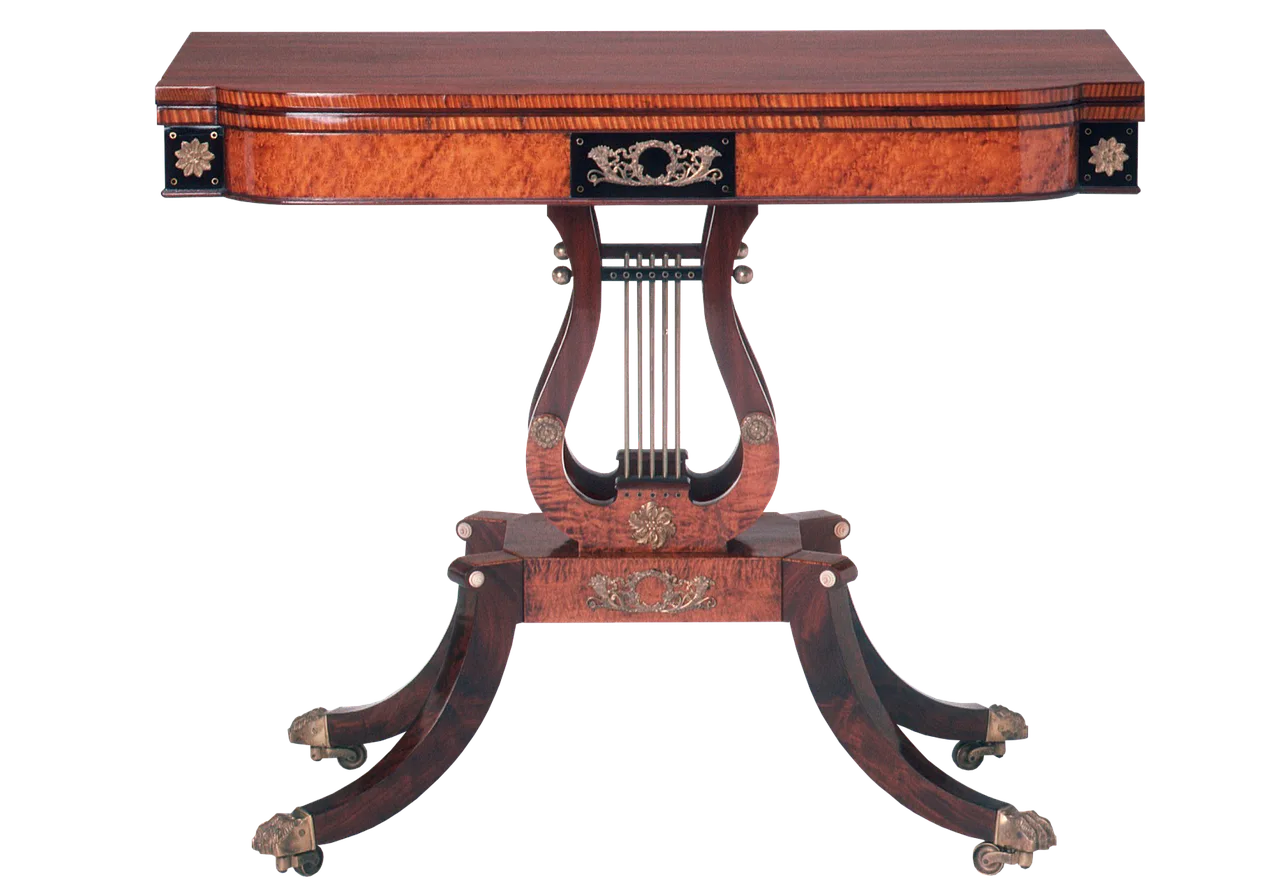
Genuine mahogany is worth the extra cost when you need stable movement, good carving or machining behavior, and a warm finish that ages well. It is less compelling when the project is painted, heavily exposed to weather, or built to a price point where a lower-cost substitute can do the same job.
Workability and finish quality
Genuine mahogany is prized for appearance and workability because it cuts cleanly and takes finish evenly. That makes it a strong choice for visible furniture where you want crisp edges, smooth surfaces, and a refined look. It is especially useful on pieces that show a lot of grain and joinery.
Stability, rot resistance, and aging
Mahogany moves less than many woods when humidity changes, which helps doors, drawers, and table parts stay aligned. It also has good rot resistance, so it handles occasional moisture better than many interior species. The color deepens over years, which is part of the appeal in high-end furniture.
When a substitute makes sense
A substitute makes sense when the buyer wants the look and general furniture performance without paying genuine-mahogany pricing. African mahogany is often the better middle ground. Sapele is a strong option when cost matters more than exact color match, especially for interior pieces with a clear finish.
A common first-timer mistake is buying genuine mahogany for a painted bookshelf. That choice rarely pays back. If the final surface is opaque, a less expensive hardwood or even a paint-grade species may be the smarter buy.
Mahogany species and substitutes
Not every board sold as “mahogany” is the same wood. The label can cover different species, and the price can change a lot with that difference. For budgeting, separate genuine Honduran mahogany from African mahogany and sapele before you compare quotes.
Genuine Honduran mahogany: this is the reference point
This is the reference point for many fine furniture buyers. It costs more, works well, and has long been associated with premium casework and tables. Because it is regulated under CITES Appendix II, supply and sourcing can matter as much as appearance.
African mahogany: this option sits
This option sits in the middle of the pricing ladder. It is a practical furniture wood, with good finish behavior and a price that is easier to absorb in larger projects. Many buyers choose it when they want a mahogany look without paying premium stock prices.
Sapele: sapele is often the best-value
Sapele is often the best-value substitute when the design can handle its denser, harder nature. The ribbon stripe figure can be striking on flat panels and cabinet faces. It can also feel less forgiving to machine than genuine mahogany, so the build plan should account for that.
Outdoor use and durability
Mahogany can work outdoors, but it is not a shortcut around good design. Even stable, rot-resistant wood needs proper joinery, drainage, finish maintenance, and fasteners suited to exterior use. For outdoor furniture, the species choice matters, but the hardware and build detail matter too.
Why solid mahogany handles movement well
Solid hardwood furniture is different from veneered mass-market furniture because it can be repaired, refinished, and renewed over time. That matters on outdoor-adjacent pieces that see scuffs, sun, and seasonal movement. Solid mahogany also tends to stay dimensionally steady enough for many furniture joints.
What changes outdoors
Exterior exposure adds ultraviolet light, rain, standing water, and wider humidity swings. Those conditions shorten finish life and raise the risk of joint failure if the design traps water. Mahogany helps, but it does not remove the need for a true exterior finish schedule and careful detailing.
When another wood is a better choice
If the piece will live fully outside with little protection, the better choice may be a different species or a design built specifically for exterior service. Mahogany is a sensible outdoor-adjacent option, but it is not the cheapest answer for a garden bench, patio chair, or wet-location table.
Frequently asked questions
How much mahogany do I need to build a dining table
A typical solid-wood dining table often needs about 20 to 30 board feet before waste, depending on size and base design. Add 15% to 30% for milling loss, trimming, and mistakes. A larger top or a shaped base pushes the number up quickly.
How much should labor add to a custom mahogany furniture project?
Labor can easily equal or exceed the lumber cost. Skilled furniture labor may run $75 to $120 per hour, and a custom dining table can take 50 to 80 hours. That is why custom pricing often lands far above the raw wood bill.
Why does mahogany furniture cost more than oak or pine?
Mahogany usually costs more because the lumber is pricier and the finished piece often sits in a higher labor bracket. Oak and pine can be cheaper to source, and pine especially reduces the material bill. Mahogany also brings a premium for appearance, workability, and stability.
What is the difference between genuine mahogany and sapele pricing?
Genuine mahogany runs about $12-30 per board foot, while sapele is often sold at $5-12 per board foot. Sapele is the cheaper substitute, but it is denser and harder, so the buying price is only part of the decision. Grain, machining, and finish behavior matter too.
Is mahogany a good choice for outdoor furniture?
Mahogany is a better outdoor choice than many interior hardwoods because it has useful stability and rot resistance. Even so, it still needs proper joinery, drainage, and finish care. For fully exposed furniture, the build details matter as much as the species.
How much does a custom mahogany chair or table cost?
A custom mahogany table often falls into the several-thousand-dollar range once labor is included, while a custom chair can still cost far more than the wood alone suggests. The exact price depends on design, joinery, size, finish, and whether the maker uses genuine mahogany or a substitute.
Sponsored / affiliate links. As an Amazon Associate I earn from qualifying purchases. I may earn additional commission from eligible campaigns.