How to Clean Mahogany Wood the Right Way (Without Damage)
To clean mahogany wood, first check its finish. A modern lacquered or polyurethane-sealed piece just needs a barely damp microfiber cloth and, for grime, a few drops of mild soap in water, wrung out until the cloth is nearly dry. An older oil- or wax-finished mahogany piece needs the opposite approach: skip water almost entirely and feed the open grain with a beeswax-and-orange-oil conditioner instead. Mixing these two methods up is the single most common mistake we see – using a heavy wax on a lacquered finish leaves a cloudy film, while wiping an open-grain antique with a wet cloth raises the grain and leaves white water rings. Below is the full routine for both, plus how to remove stains, dust safely, and know when to call in a professional.
The Allure Of Mahogany Wood
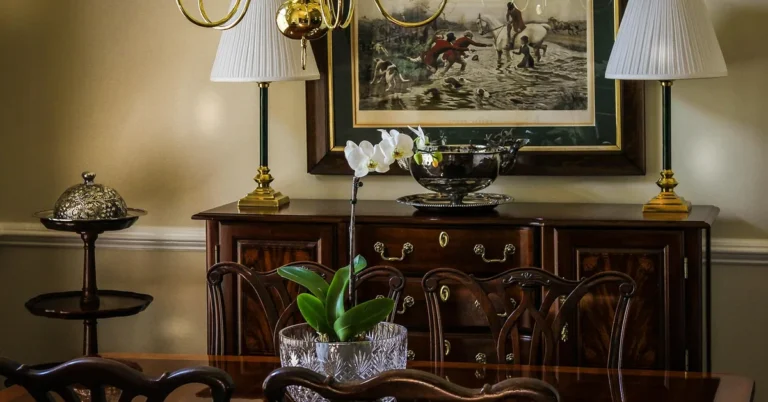
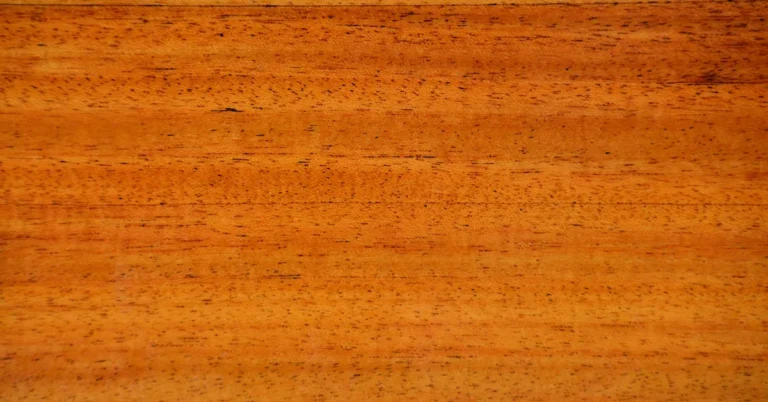
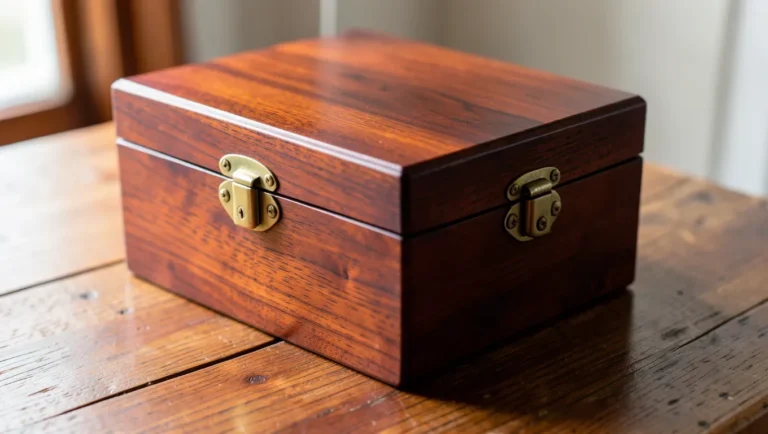
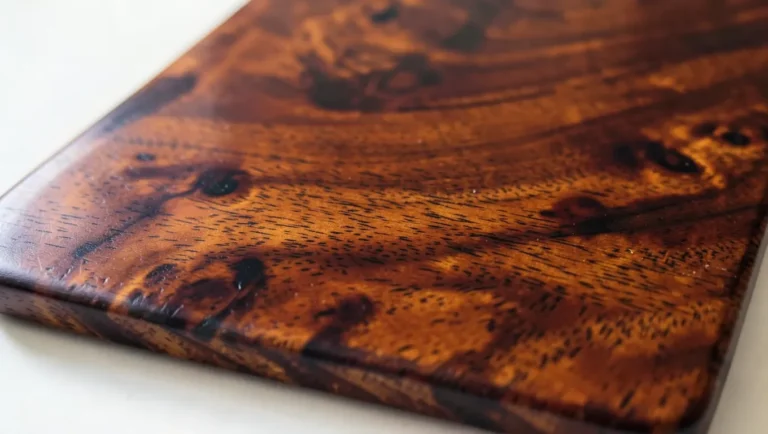
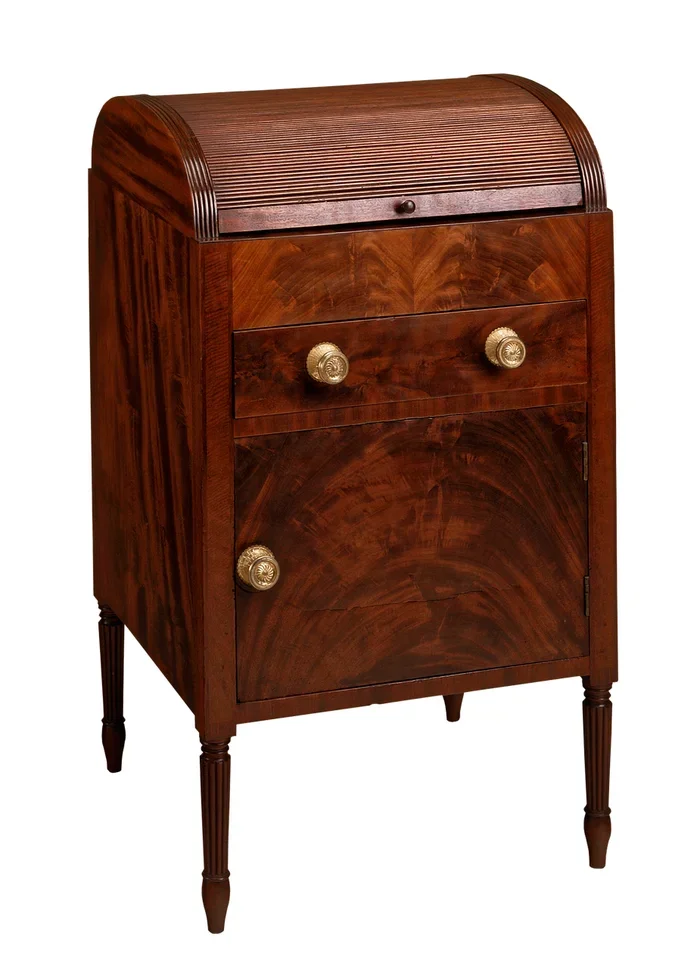
Mahogany has been a premium furniture wood since the 1700s, prized for its reddish-brown color that deepens with age and its tight, straight grain that takes a high polish. It’s also genuinely durable – harder than pine and more stable than many hardwoods, which is why so many 50- and 100-year-old mahogany pieces are still in daily use. If you’re working with a piece that hasn’t been stained or sealed yet, see our guide to unstained mahogany wood before you clean or finish it. That same age is exactly why cleaning it correctly matters: a mistake on a piece of pine furniture sands out, but a mistake on a 19th-century mahogany dresser can strip away a finish that’s original to the piece.
Best Mahogany Wood Conditioner
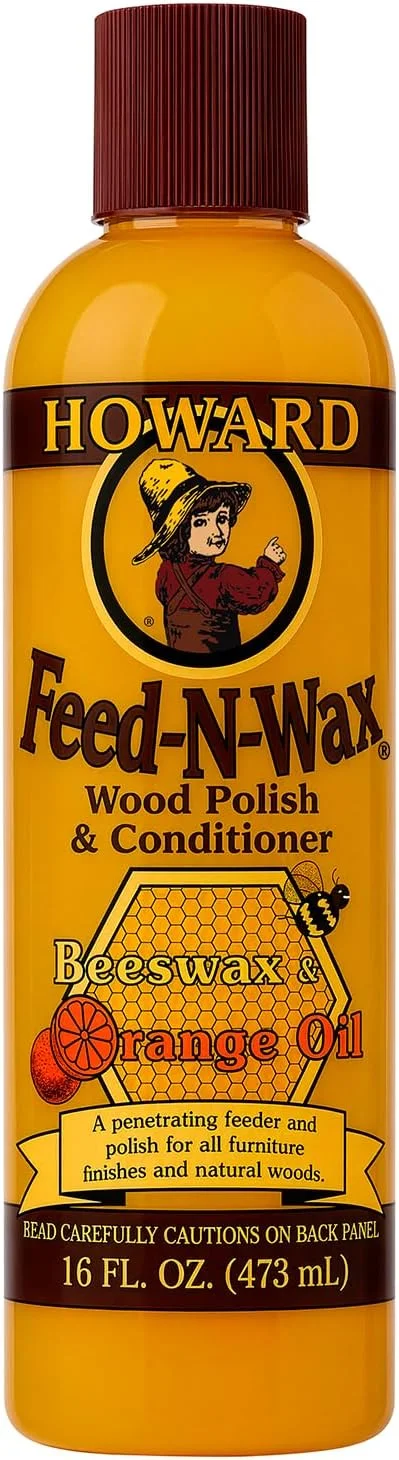 |
Howard Feed-N-Wax Wood Polish & Conditioner – $10.98 The beeswax-and-orange-oil conditioner we recommend in this guide for open-grain, oil, or antique mahogany finishes that need feeding, not just wiping.
|
Timeless Appeal
Mahogany’s look hasn’t gone out of style because it doesn’t chase trends – the color and grain pattern work in a Federal-style dining set just as well as in a modern console table. A few traits explain why it’s held its value for so long:
- Rich color: deep reddish-brown tones that darken and mellow with age and light exposure.
- Distinctive grain: often a straight, ribbon-like figure, sometimes with a curly or crotch pattern on higher-grade cuts.
- Real durability: naturally resistant to warping, shrinking, and rot, which is part of why it survives for generations.
Common Uses
You’ll run into mahogany most often in these forms, and each one calls for slightly different handling when it’s time to clean:
| Use | What to know when cleaning it |
| Furniture (tables, chairs, cabinets) | Usually lacquered or varnished – a damp cloth and mild soap is normally enough. |
| Musical instruments (guitars, pianos) | Thin, delicate finishes – use only a dry or barely damp microfiber cloth, no soap. |
| Boat trim and hardware | Marine varnish handles moisture well, but still needs a fresh-water rinse after saltwater exposure. |
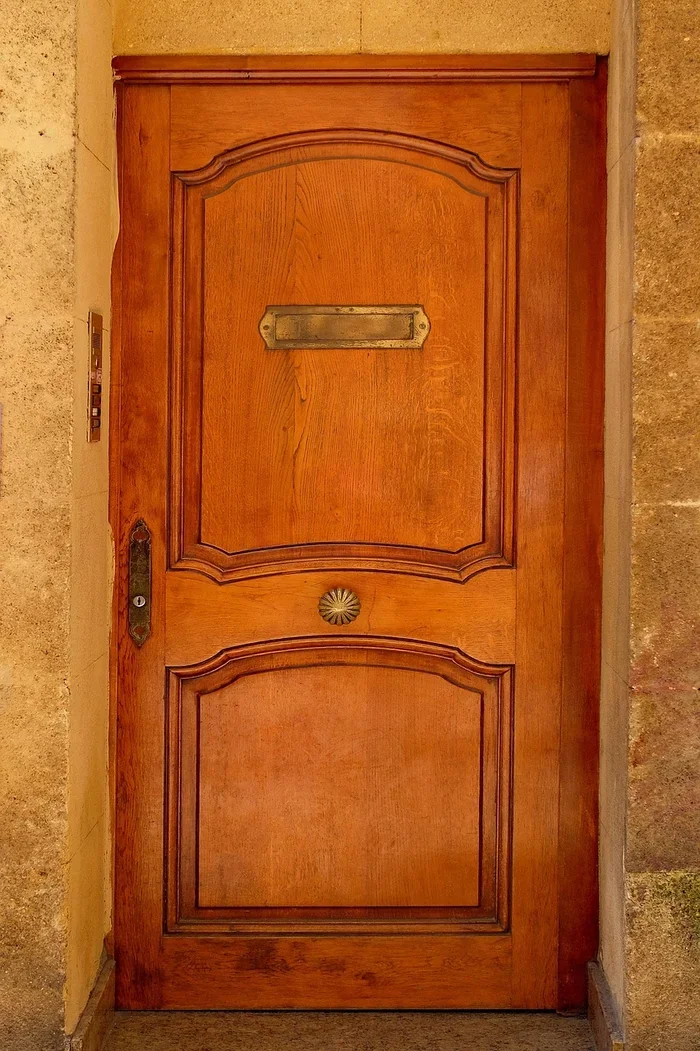
| Interior trim, doors, and moldings | Often original, unlacquered wood in older homes – treat like an antique finish. |
Identifying Dirt And Damage
Understanding how to clean mahogany wood starts with figuring out exactly what you’re dealing with, because surface grime and a deep-set stain call for two completely different fixes.
Surface Grime
Surface grime is just dust, fingerprints, and light food residue sitting on top of the finish – it hasn’t penetrated anything, so it comes off with routine cleaning. Skip anything abrasive here; a soft microfiber cloth and a mild cleaner are all this needs:
- Mix a few drops of mild dish soap into a cup of warm water.
- Dampen a microfiber cloth in the solution and wring it out until it’s barely moist.
- Wipe with the grain, not across it, to avoid dragging grit through the finish.
- Follow immediately with a dry cloth – don’t let the surface air-dry.
Deep-set Stains
Deep-set stains usually come from a spilled drink, a hot dish, or a scratch that’s gone through the finish into the wood itself. Identifying the cause tells you which fix to reach for:
| Type of stain | Common source | Treatment |
| White water rings | Wet glasses or condensation trapped under the finish | A gentle mix of vinegar and olive oil, rubbed in circles with the grain |
| Dark heat marks | Hot dishes or mugs set directly on the surface | A dab of non-gel toothpaste worked in with a soft cloth, then buffed off |
| Sticky residue | Spilled drinks, tape, or candle wax | Warm (not hot) water and mild soap; wax can be softened first with a hair dryer on low |
Preparation For Cleaning
Gathering Supplies
Before you touch the piece, get everything within reach so you’re not leaving a half-cleaned surface to go hunting for a rag. You’ll want two or three clean microfiber cloths (one for washing, one for drying, one for buffing), a mild pH-neutral dish soap, distilled water if your tap water is hard, and a wood conditioner like beeswax-and-orange-oil polish for the final step. Skip anything with silicone, ammonia, or a strong solvent smell – those can haze a finish or strip a wax coat you didn’t know was there.
Initial Wood Assessment
Run a fingertip over a small, hidden area – the underside of a tabletop or the back of a drawer front works well. A smooth, slightly slick surface means a lacquer, shellac, or polyurethane finish; a drier, more matte feel that shows a faint fingerprint means it’s an oil or wax finish. This thirty-second check is what decides whether you reach for a damp cloth or a can of wax two steps from now, so don’t skip it.
Dusting Techniques
Soft Cloth Usage
Dust weekly with a dry microfiber or lambswool duster rather than a feather duster – feathers can flick grit across the surface instead of lifting it. Work in the direction of the grain in long, light strokes, and shake the cloth out often so you’re not just redistributing dust from one spot to another.
Avoiding Scratches
Most fine scratches on mahogany come from dusting with a dirty or coarse cloth, not from actual impacts. Check that your cloth is clean before each use, never dust dry when there’s visible grit on the surface (dampen the cloth slightly first so grit sticks to it instead of scraping across the finish), and lift decor items to dust underneath rather than dragging them.
Deep Cleaning Solutions
Natural Cleaners
A simple mix of one part white vinegar to three parts warm water handles most build-up on a lacquered or varnished finish without leaving residue. Apply it with a damp (not wet) cloth, work in small sections, and dry immediately. Skip vinegar entirely on an unsealed or heavily worn finish – the acidity can dull raw wood that no longer has a protective topcoat. A baking soda paste can also lift light grime on a sealed finish, though it should stay off bare or antique wood for the same reason.
Chemical Products
For grease or old wax build-up that natural cleaners won’t touch, a dedicated wood cleaner formulated for finished furniture is worth using – look for one that specifically says it’s safe on lacquer and varnish. Test it on an inconspicuous spot first, and always follow with a coat of wood conditioner afterward, since most cleaning products strip some of the existing protective wax along with the grime.
Stain Removal Strategies
Spot Treatment
Treat a fresh stain the moment you notice it – the longer a spill sits, the more likely it penetrates past the finish and into the wood fibers, where it’s much harder to lift. Blot (don’t rub) liquid spills immediately, then follow the stain-type table above for the specific fix.
Preventing Discoloration
Direct sunlight is the most common cause of uneven discoloration on mahogany, since the wood’s natural pigments darken and shift unevenly under UV exposure. Use curtains, UV-filtering window film, or simply rotate furniture every few months so one section isn’t permanently exposed while the rest stays shaded.
Polishing For Perfection
Choosing The Right Polish
Match the polish to the finish, not the other way around. A lacquered or polyurethane piece needs a light furniture polish or nothing at all – heavy wax just sits on top and eventually clouds. An oil- or wax-finished piece, including most antiques, benefits from a beeswax-and-carnauba conditioner that actually feeds the open grain instead of coating over it.
Application Process
Apply a thin, even coat with a soft cloth, working with the grain. Let it sit for the time the label recommends (usually 10–20 minutes) so it can penetrate, then buff off the excess with a clean, dry cloth until the surface feels smooth rather than tacky. If the cloth is picking up more wax than it’s leaving behind, you’ve applied too much – wipe it back and let the piece rest for a day before touching it again.
Maintaining Mahogany Wood
Regular Cleaning Schedule
Dust weekly, wipe down with a barely damp cloth every couple of weeks if the piece sees daily use, and apply a wood conditioner every one to two months – more often in a dry climate or during winter when indoor heating pulls moisture out of the air.
Avoiding Environmental Damage
Keep mahogany away from direct heat vents and radiators, which dry out the wood and can cause the finish to crack over time. Use coasters and placemats to prevent both heat marks and moisture rings, and try to keep indoor humidity in the 40–50% range – a basic hygrometer from a hardware store is enough to keep an eye on it.
Professional Care Tips
When To Seek Expert Help
Call a furniture restoration professional if the finish is cracked or peeling in large sections, if a stain has gone all the way through to bare wood, or if the piece has real antique or heirloom value – a botched DIY fix on a valuable piece can cost far more to correct than a professional cleaning would have in the first place.
Trusted Techniques From Craftsmen
Professional restorers consistently favor the same two habits any woodworker can borrow: always test a cleaner or polish on a hidden spot first, and always work with the grain rather than against or across it. Both habits cost nothing and prevent the two most common amateur mistakes – an unexpected reaction with an old finish, and cross-grain scratches that catch the light at an angle.
Frequently Asked Questions
How Often Should You Clean Mahogany Wood?
Dust weekly and do a light damp-cloth cleaning every two to four weeks for furniture in regular use. Save the wax or oil conditioning step for every one to two months – conditioning more often than that can actually build up a hazy film rather than help.
What Is The Best Cleaner For Mahogany Wood?
For everyday cleaning, a barely damp microfiber cloth with a drop of mild dish soap in warm water is the safest option for almost any finish. For conditioning, a beeswax-and-orange-oil polish made specifically for wood furniture – not a generic spray polish – gives the best long-term protection on both lacquered and open-grain finishes.
Can You Use Vinegar On Mahogany Wood?
Yes, but only on a sealed finish (lacquer, varnish, or polyurethane) and always diluted – roughly one part vinegar to three parts water. Avoid vinegar on unsealed, unfinished, or heavily worn mahogany, since the acidity can dull bare wood that no longer has a protective topcoat.
How Do You Restore Shine To Mahogany Wood?
Clean the surface thoroughly first so you’re not sealing dirt under a new coat, then apply a thin, even layer of wood conditioner or polish matched to the finish type, let it penetrate for the time the label recommends, and buff with a clean dry cloth until the shine returns. If the dullness doesn’t lift after conditioning, the clear coat itself may be worn through and is worth having a professional assess.
Conclusion
The fastest way to damage mahogany isn’t neglect – it’s using the wrong method for the finish it actually has. Check whether you’re working with a sealed lacquer/varnish surface or an open-grain oil/wax finish before you clean, stick with a barely damp microfiber cloth and mild soap for routine grime, treat stains the moment you spot them, and condition with a real wood polish every month or two. Do that consistently and a well-made mahogany piece will easily outlast the furniture around it.
Sponsored / affiliate links. As an Amazon Associate I earn from qualifying purchases. I may earn additional commission from eligible campaigns.