Can You Paint Over Water Based Polyurethane? Real Answer
Yes, you can paint over water-based polyurethane, but it requires proper preparation. Simply painting directly over it usually leads to poor adhesion, chipping, and a less-than-perfect finish. The key is to ensure the surface is clean, dull, and slightly roughed up for the new paint to grip onto.
Understanding Water-Based Polyurethane
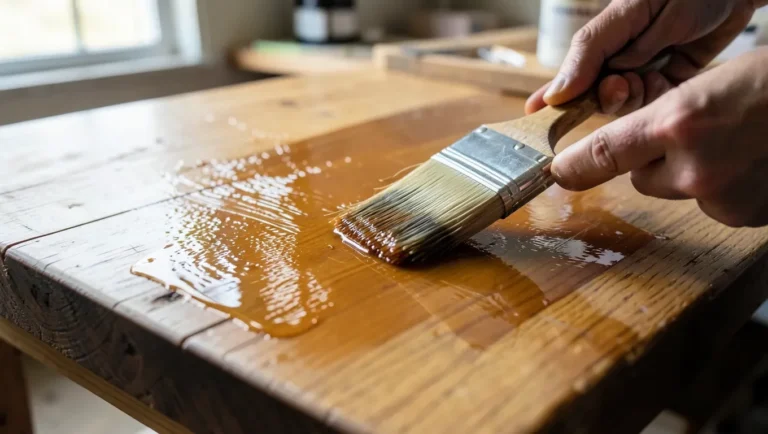
First, let’s talk about what water-based polyurethane is and why it’s used. It’s a clear protective finish. It goes on over wood or other surfaces.
It helps guard against spills, scratches, and general wear and tear. Water-based versions are popular because they dry fast. They also have less odor than oil-based types.
They dry clear, which is nice. They don’t yellow over time as much either.
Polyurethane creates a hard, smooth film. This film is very durable. It’s designed to be a final layer.
Because of this, it can sometimes be tricky to paint over. Paint needs something to stick to. If the surface is too smooth or slick, the paint might just slide off.
This is where preparation comes in. We need to make sure the paint has a good grip.
My Own Little Oopsie with Polyurethane
I remember a time when I was trying to give an old wooden coffee table a makeover. It had a nice, clear water-based polyurethane finish on it. I thought, “This is great!
It’s already sealed. I’ll just slap on some chalk paint and call it a day.” I didn’t do much prep. I maybe wiped it down quickly.
Then, I painted. Oh, the horror! The chalk paint looked okay at first.
But after a few days, I noticed little nicks. Then, I saw some peeling in spots. My beautiful makeover was turning into a patchy mess.
I felt so foolish. I had skipped a crucial step. That’s when I learned firsthand that prep work is not optional, especially when painting over a protective finish like polyurethane.
That experience taught me a lot. It showed me that you can’t always take shortcuts. Sometimes, the extra steps are really important.
They make the difference between a job that looks good for a week and one that lasts for years. It was a lesson in patience and thoroughness. And it’s something I always tell people now when they ask about painting over finishes.
Always prepare your surface.
Prep Steps to Success
Clean It Well: Use a mild detergent or degreaser. Make sure to remove all dirt, grease, and grime. Rinse thoroughly.
Let it dry completely. This is step one for any painting job.
Dull the Shine: This is the most important part. Polyurethane is smooth. Paint needs some ‘tooth’ to stick.
You’ll need to lightly sand the surface. Use fine-grit sandpaper, like 150 or 220 grit. Just enough to remove the gloss.
You don’t need to remove the polyurethane itself. Just dull it down.
Wipe Away Dust: After sanding, there will be dust. Wipe the surface down with a tack cloth or a damp (not wet) rag. This gets rid of any remaining particles.
These particles can mess up your paint job.
The Science of Adhesion
So, why does this prep work matter so much? It all comes down to adhesion. Adhesion is how well one substance sticks to another.
Paint is designed to bond with the surface it’s applied to. When you paint over a smooth, slick surface like polyurethane, there’s very little for the paint molecules to grab onto. They are essentially sitting on top of a slippery barrier.
Sanding creates tiny scratches. These are microscopic pores in the polyurethane. Think of it like giving the paint tiny little anchors to latch onto.
It’s not about removing the finish. It’s about creating a surface that the new paint can physically grip. A clean surface is also vital.
Any dirt or oil left behind will act as a barrier. It will prevent the paint from making direct contact with the polyurethane. This leads to weak adhesion.
The paint can lift or peel easily. It’s like trying to glue two pieces of glass together without cleaning them first. It just won’t hold.
Myth vs. Reality
Myth: You can just paint over any finish without prepping.
Reality: Most finishes, especially protective ones like polyurethane, require prep work for paint to adhere properly. Skipping prep leads to peeling, chipping, and a poor finish.
What Kind of Paint Works Best?
Once your surface is prepped, what kind of paint should you use? The good news is that many types of paint will work. However, some are better suited for painting over pre-finished surfaces.
Latex or acrylic-based paints are often good choices. They tend to be more flexible. This means they are less likely to crack if the surface expands or contracts slightly.
Oil-based paints can also work. But they might require a different type of primer first.
A good primer is your best friend here. Many modern paints are “paint and primer in one.” But when you’re painting over a challenging surface like polyurethane, a dedicated primer can make a huge difference. Look for a high-quality bonding primer.
These are specifically designed to stick to slick or difficult surfaces. They create an excellent base for your topcoat of paint. This is especially true if you’re using a light color over a dark finish, or vice versa.
The primer will help seal in the old finish. It also gives the new paint a surface it can really grip. Think of it as an extra layer of insurance for your paint job.
A good bonding primer will stick to that dulled polyurethane surface. Then, your topcoat of paint will stick to the primer. It’s a strong system.
Quick Scan: Primer Types
- Latex/Acrylic Primers: Good for most projects. Flexible and easy to clean up.
- Oil-Based Primers: Excellent adhesion to tough surfaces. Stronger odor and longer dry time.
- Shellac-Based Primers: Very fast drying. Great for blocking stains and odors. Can be a bit brittle.
The Primer Step: Don’t Skip This!
I cannot stress this enough: use a primer. Even after you’ve sanded and cleaned, a primer adds that extra layer of security. It’s like putting on a comfortable base layer before wearing a nice shirt.
It smooths things out and helps everything else look better and last longer.
When you apply the primer, do it in thin, even coats. Don’t try to get full coverage in one go. It’s better to apply two thin coats than one thick, sloppy coat.
Let each coat dry completely according to the manufacturer’s instructions. Sometimes, a very light sanding with super-fine grit (like 320 or 400 grit) between primer coats can help. It makes the surface even smoother for the paint.
After the final primer coat dries, give it another quick wipe with a tack cloth. This ensures no dust is there to ruin your beautiful paint.
Applying the Paint
Once your primer is dry and you’ve done any light sanding and cleaning, you’re ready for the color. Apply your chosen paint in thin, even coats. Again, thin coats are key.
It’s much better to build up color gradually. This prevents drips and ensures a smooth, even finish. Most paints will require two or even three coats for full coverage.
Work systematically. Try to maintain a wet edge as you go. This helps to avoid brush marks or roller lines.
Pay attention to the drying times recommended on the paint can. Rushing the process can compromise the finish. If you’re painting a piece of furniture, think about how it will be used.
High-traffic areas like tabletops or chair legs might need an extra coat of paint. Or perhaps a protective topcoat. Even though you’re painting over polyurethane, adding a topcoat designed for painted surfaces can add extra durability.
Painting Tips for a Smooth Finish
- Use the Right Tools: Good quality brushes and rollers make a big difference.
- Thin Coats are Best: Avoid thick, gloppy paint. Build color slowly.
- Work in Good Light: You need to see what you’re doing.
- Allow Drying Time: Patience is crucial for a lasting finish.
- Ventilation: Make sure the area is well-ventilated.
What If It’s an Old Finish?
What if the water-based polyurethane finish is very old? Or maybe it’s chipped or peeling in places? In that case, simply sanding it might not be enough.
If the finish itself is failing, you need to address that first. You might need to scrape away loose bits. Then, you’ll likely need to sand the entire surface more thoroughly.
Sometimes, an old finish might require stripping. This is more work. But if the old polyurethane is coming off in large chunks, it’s the best way to start fresh.
After stripping, you would clean the wood thoroughly. Then you can proceed with priming and painting as if it were bare wood. This ensures a solid foundation for your new paint job.
If the old polyurethane is just a bit worn but still mostly intact, the light sanding and priming method should work fine.
The goal is always a stable, clean surface. If the old finish isn’t stable, the new paint won’t be stable either. It’s like building a house on a shaky foundation.
It’s bound to have problems later on. Always assess the condition of the existing finish before you start. This will guide your prep process.
Real-World Scenarios
Let’s think about where you might encounter this. Maybe it’s a wooden tabletop in your kitchen. It’s got a water-based polyurethane seal.
You want to paint it a different color. Or perhaps it’s wooden kitchen cabinets. They’ve been sealed for years.
They’re looking a bit dated. The process we’ve discussed is perfect for these situations.
You’d clean them very well. Then, you’d lightly sand them to dull the shine. After wiping away dust, you’d apply a good bonding primer.
Then, you’d paint with your chosen cabinet paint. For a tabletop, you might even consider a clear, durable topcoat over the paint. This adds protection for heavy use.
The key is always that initial step of dulling the surface. This allows the primer and paint to bond properly.
Cabinets Makeover Flow
Step 1: Clean Thoroughly wash cabinets with a degreaser.
Step 2: Light Sand Use 150-220 grit sandpaper to dull the shine.
Step 3: Dust Off Wipe down with a tack cloth.
Step 4: Prime Apply one or two coats of bonding primer.
Step 5: Paint Apply two or more thin coats of your chosen paint.
Step 6: Seal (Optional) Add a durable topcoat for extra protection.
What This Means for You
So, what does this mean for your next project? It means that yes, painting over water-based polyurethane is absolutely doable. You don’t always have to strip off the old finish.
But it’s not as simple as just rolling on a new coat of paint. The key takeaway is the preparation. Proper cleaning and, most importantly, light sanding to de-gloss the surface are essential.
When is it normal to paint over it? It’s normal when the polyurethane finish is still in good condition. It’s intact, and not peeling or severely damaged.
You’re just changing the color or style. When should you worry? You should worry if the polyurethane is already flaking, bubbling, or lifting.
In those cases, the old finish is failing. Painting over it won’t fix the underlying problem. You’ll need to remove the loose material first.
Then, you can properly prep.
Simple checks include running your hand over the surface. Does it feel uniformly smooth and hard? Or are there rough spots or areas where the finish is coming off?
Try to scratch a tiny, inconspicuous area with your fingernail. Does the old finish come off easily? If so, you have more prep work to do.
Quick Tips and Guidelines
Here are some quick tips to keep in mind:
- Always test: If you’re unsure, try painting a small, hidden area first. Let it cure for a week or two. See how it holds up.
- Read labels: Pay attention to what paint and primer manufacturers recommend. Some products are specifically designed for tricky surfaces.
- Ventilation: Always work in a well-ventilated area. This is for your safety and for the paint to dry properly.
- Patience pays off: Don’t rush the process. Allow adequate drying time between coats.
- For high-wear items: Consider a water-based polyurethane or a durable acrylic sealer over your painted finish for extra protection.
These simple guidelines can help ensure your project turns out beautifully and lasts for a long time. They help prevent common mistakes that can lead to frustration and re-work.
Frequently Asked Questions
Wrapping It All Up
So, the answer is a resounding yes, you can paint over water-based polyurethane. But remember, success hinges on proper preparation. A little bit of sanding and a good primer go a very long way. If you’re working with a stained (not topcoated) piece instead, see our guide on painting over water-based stain for the tannin bleed-through issue that stain specifically raises.
Embrace the process, and you’ll achieve a beautiful, lasting finish. Your projects will look professionally done!
Sponsored / affiliate links. As an Amazon Associate I earn from qualifying purchases. I may earn additional commission from eligible campaigns.