Does Polyurethane Darken Wood? Yes, Here’s How Much
Yes — polyurethane darkens wood, and the amount depends on two separate things: whether it’s oil-based or water-based, and how open-grained and naturally colored the wood already is. Oil-based poly on open-pored oak can shift the color noticeably; water-based poly on tight-grained maple barely moves it at all.
Quick answer: Oil-based polyurethane darkens wood the most — it adds an amber tint immediately from the oil itself, then ambers further over months as that oil oxidizes. Water-based polyurethane dries almost water-clear and adds very little color. The wood species matters too: oily, open-grained woods like oak and walnut show a bigger shift than tight-grained maple or birch. Always test both on scrap first.
Why Polyurethane Darkens Wood: Two Different Mechanisms
Best For Staying True to Wood Color
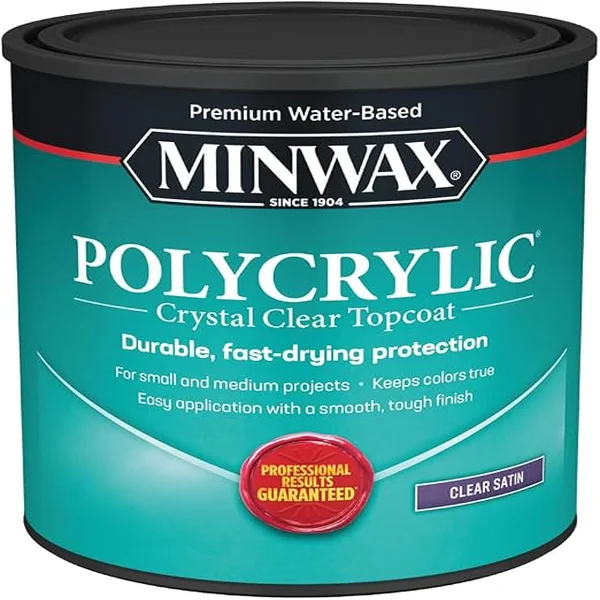 |
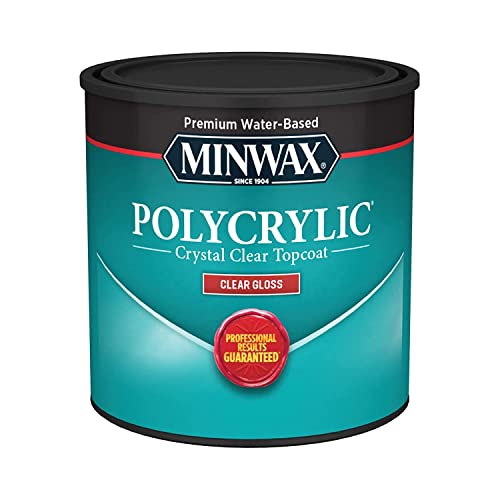
Minwax Polycrylic Protective Finish, Satin, Clear, 1 Quart – $22.79 A water-based topcoat built specifically to stay non-yellowing and non-ambering — the direct fix if this article’s whole problem is one you’re trying to avoid.
|
People usually assume “darkening” is one effect. It’s actually two, and they behave differently.
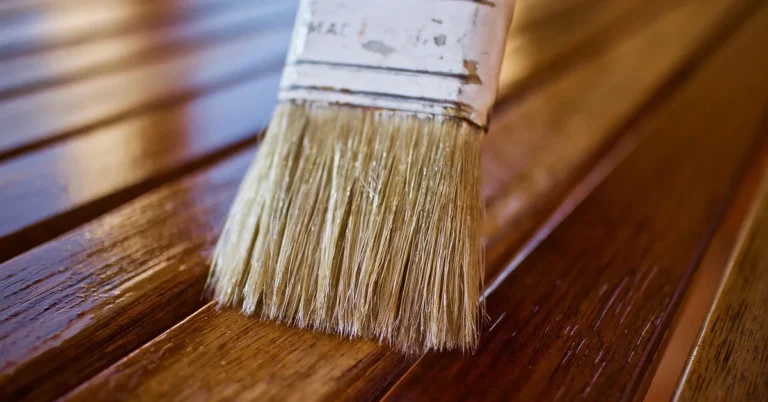
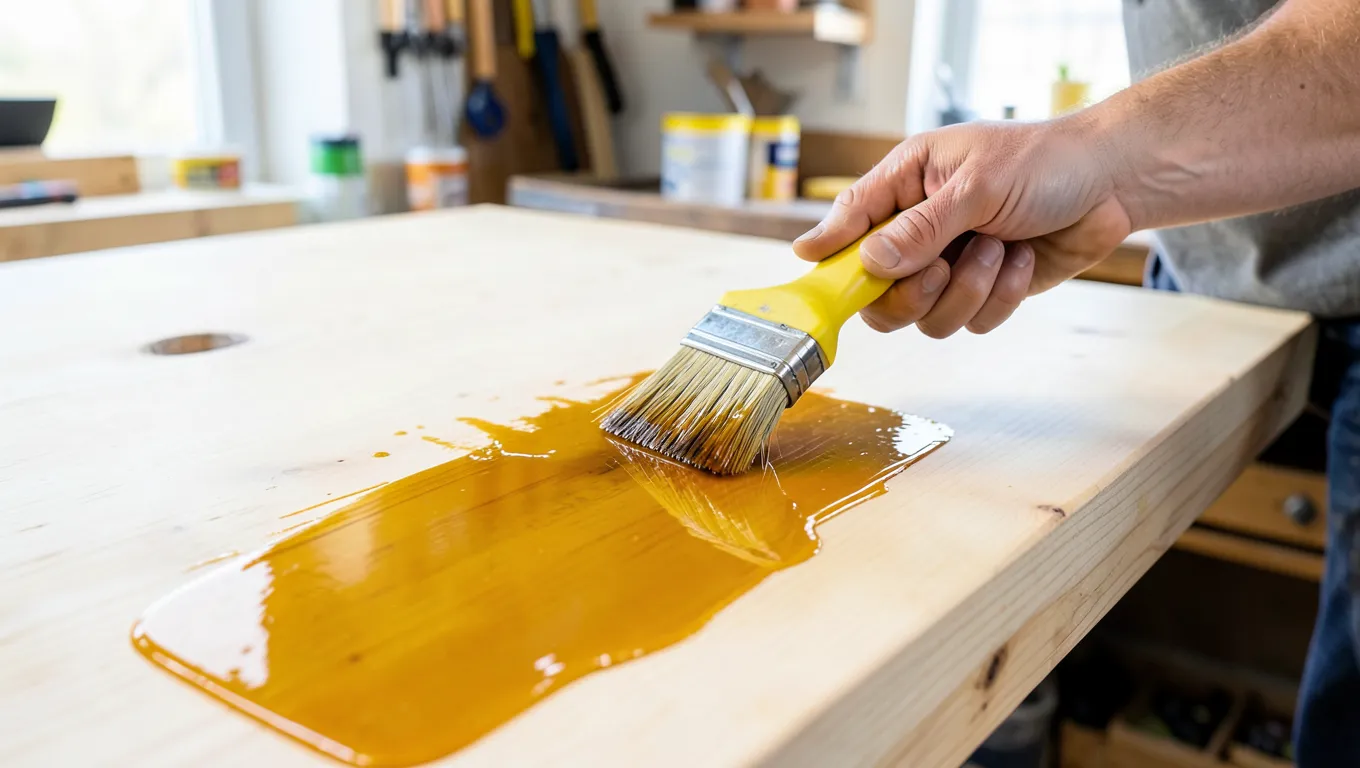
The first is optical, and it happens the second you apply the finish. Wood fibers are full of microscopic air gaps that scatter light and make dry wood look pale and matte. Once oil (or any liquid finish) fills those gaps, light passes through the fibers instead of bouncing off them, and the grain suddenly looks deeper and more saturated — woodworkers call this “popping the grain.” It’s the same reason a dry pebble looks dull and a wet one looks glassy and rich. This effect happens with water-based poly too, just less dramatically, because the film sits closer to the surface instead of soaking in.
The second is chemical, and it happens over weeks to years. Oil-based polyurethane is an alkyd resin suspended in drying oils (usually soybean or linseed-derived). Those oils cure by reacting with oxygen in the air, and that oxidation reaction produces the classic amber/honey tint people associate with “old varnish.” It keeps happening slowly for the life of the finish, which is why a 10-year-old oil-poly tabletop looks noticeably more amber than it did the week it was applied. Water-based polyurethane is an acrylic or acrylic-urethane dispersion with no significant drying oil, so this slow amber shift mostly doesn’t happen — it’s why manufacturers market it as “non-yellowing.”
Oil-Based vs. Water-Based: Side by Side
| Trait | Oil-Based Polyurethane | Water-Based Polyurethane |
| Immediate color shift | Noticeable amber/honey tint on contact | Minimal — dries nearly clear |
| Long-term color shift | Keeps ambering for years as oils oxidize | Stays close to its original color |
| Best for | Warm, traditional, “aged” looks; heavy-wear floors | Pale woods, modern/Scandinavian looks, white-washed finishes |
| Dry time between coats | 6–8 hours typical | 2–3 hours typical |
| Odor / VOCs | Strong solvent smell | Low odor |
| Durability | Slightly more heat/chemical resistant | Very good, marginally softer film |
How Much Each Wood Species Actually Darkens
The wood itself decides how dramatic the shift looks, because it controls how much finish soaks in and how much natural color is already there to deepen.
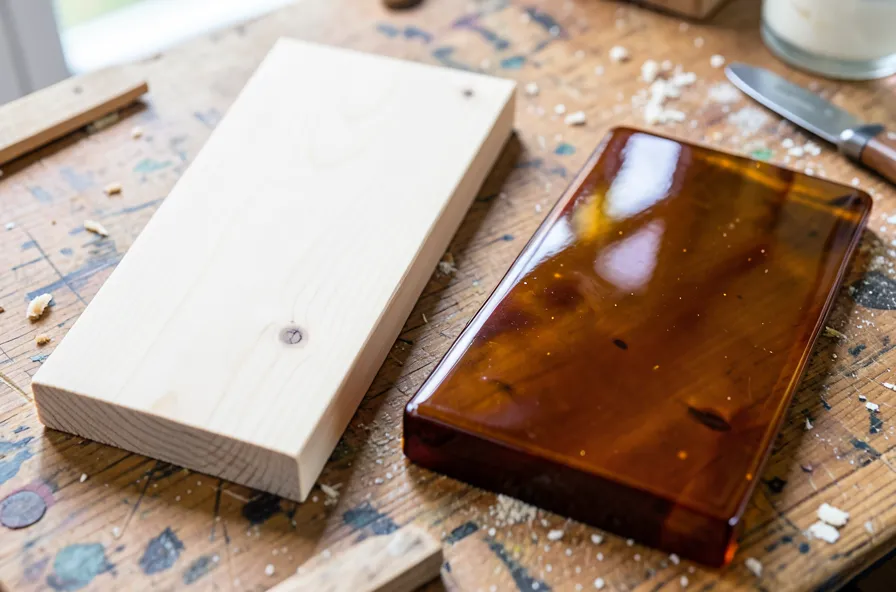
| Wood | Natural Color | Oil-Based Poly Result | Water-Based Poly Result |
| Oak | Pale tan/brown, open grain | Deep golden brown — open pores soak up a lot of oil | Slight sheen, close to original |
| Maple | Near-white, tight grain | Noticeable yellow/amber cast | Stays very light |
| Pine | Pale yellow, soft and porous | Golden-tan, can look “aged” | Slight warmth, minimal shift |
| Cherry | Pinkish-brown, darkens with age anyway | Rich, deep red-brown | Gentle enhancement |
| Walnut | Already dark brown/purple | Deeper and richer, less visually dramatic since it’s dark already | Subtle sheen, true to original tone |
| Ash / Birch | Pale, straight grain | Visible yellow cast | Stays close to white |
When the Darkening Is Actually What You Want
An oil-based poly’s amber cast isn’t a defect to avoid on every project. On a pine farmhouse table, that golden shift is exactly what makes it look like a piece with some history instead of a fresh 2×12 from the lumberyard. On cherry or walnut furniture, it deepens the grain and gives the wood the rich, glowing look people pay a premium for in solid-wood furniture. And if you’re patching or extending existing woodwork — matching a banister to 20-year-old stair treads, say — a water-based poly that stays too pale will actually look more out of place than an oil-based one that ambers to match.
When You Should Avoid It
Skip oil-based poly if you’ve specifically chosen a pale wood or a cool-toned stain for a reason. A Scandinavian-style whitewashed oak table, a pastel-painted dresser under a protective topcoat, or any project where you tested a stain color and it looked exactly right — oil-based poly on top will shift all of those warmer than intended, sometimes enough to make a “greige” stain look orange. Water-based poly is the safer default any time the finished color matters as much as the protection.
Test on Scrap First — This Is the Step People Skip
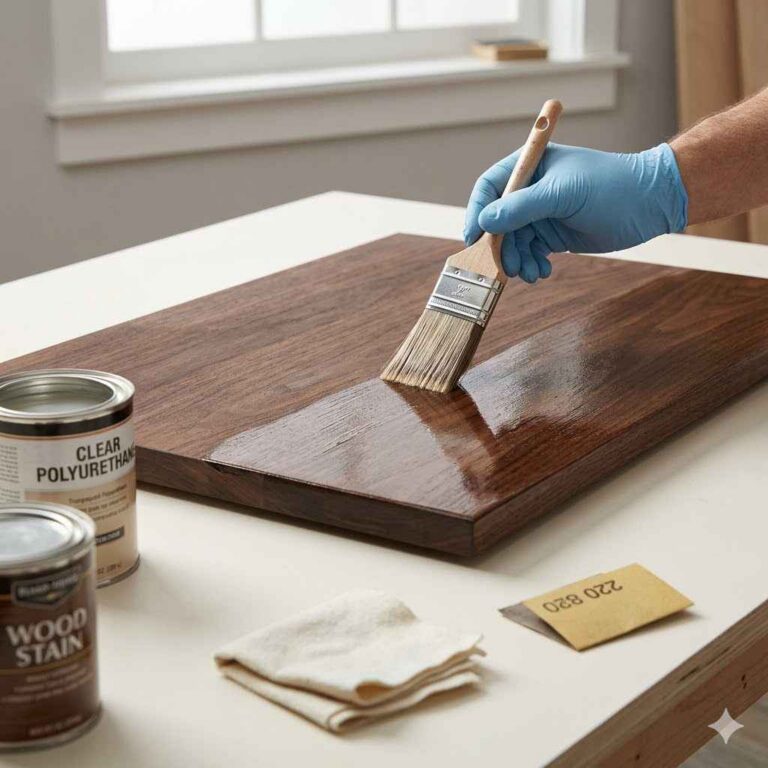
Cut an offcut from the actual board you’re finishing, not a random piece of similar-looking wood — grain density varies even within the same species and board. Sand it to the same grit you’ll use on the project, apply any stain and let it fully cure, then brush on one coat of your chosen polyurethane and let it dry the full recommended time before judging it; wet finish always looks darker than cured finish. If you’re planning multiple coats, apply all of them to the test piece too, since each additional coat adds a bit more amber. Check the result in the same lighting the finished piece will actually live in — a color that looks fine under a showroom LED can look very different under a warm incandescent lamp at home.
How to Minimize the Darkening If You Still Want Oil-Based Poly
- Apply thin coats and let each one cure fully. A thick, gloppy coat traps more oil in the film and ambers more than two or three thin ones.
- Seal with dewaxed shellac first. A single wash coat of dewaxed shellac (like SealCoat) partially blocks the wood from soaking up as much oil from the topcoat, which tempers the darkening.
- Let stain cure completely before top-coating. Recoating a still-damp oil stain with oil-based poly compounds the amber shift; give it the full manufacturer dry time, often 24–48 hours.
- Choose a hardwax oil or CA finish instead. Products like Rubio Monocoat or a straight water-white lacquer sit closer to the water-based end of the darkening spectrum while still giving a hand-rubbed look.
- Go satin or matte, not gloss. Sheen doesn’t change the underlying color, but a high-gloss film reflects more light back at the viewer and makes the “wet look” darkening read as more intense than the same color in satin.
Already Applied It and Don’t Like the Color?
If the first coat is still wet, you can sometimes wipe it back with a rag dampened in mineral spirits (oil-based) before it skins over — work fast and test in an inconspicuous spot first, since this can also lift stain underneath. If it’s already cured, there’s no product that “un-darkens” a finish; a water-based topcoat over it will not lighten it, it’ll just stop further ambering going forward. The real fix at that point is stripping back to bare wood with a citrus-based stripper and starting over with water-based poly. It’s more work, but it’s the only way to actually get back to the original color.
Frequently Asked Questions
Will polyurethane make my light wood darker?
Yes, especially oil-based polyurethane, which adds an amber tint immediately and then continues to amber slowly for years as the oils in it oxidize. Water-based polyurethane adds very little color and stays close to the wood’s original shade.
How can I prevent polyurethane from darkening my wood?
Use a water-based polyurethane instead of oil-based — it’s the single biggest factor. If you still want oil-based for its durability, apply thin coats, seal first with dewaxed shellac, and let any stain underneath fully cure before top-coating.
Does stain affect how much polyurethane darkens wood?
Yes. The stain sets the base color, and polyurethane goes on top of that. An oil-based poly adds its own amber tone on top of the stain color, which can shift a neutral or gray stain noticeably warmer.
Is it normal for polyurethane to add a yellow tint?
Yes, for oil-based polyurethane — the yellow/amber tint comes from oxidation of the drying oils in the formula and is completely normal. Water-based polyurethane is formulated specifically to avoid this and typically doesn’t add a noticeable yellow cast.
Can I use polyurethane on wood I don’t want to stain?
Yes, polyurethane can go directly over bare, unstained wood. It will still add some color and sheen — more with oil-based, less with water-based — so test on scrap first if you want to keep the wood as close to its raw color as possible.
Does satin vs. gloss polyurethane change the color?
Not directly — sheen level controls how much light the surface reflects, not the underlying color chemistry. But a high-gloss finish can make the same amount of darkening look more intense simply because it reflects more light back at the eye.
Bottom Line
Polyurethane darkens wood mainly through two things you can control: the type you choose (oil-based ambers, water-based stays clear) and the wood you’re finishing (open-grained, naturally warm woods like oak and cherry shift more than tight-grained pale woods like maple). Understanding which type of polyurethane you’re using is the first step, and a five-minute test on scrap wood before you commit is the step that actually prevents an expensive surprise.
Sponsored / affiliate links. As an Amazon Associate I earn from qualifying purchases. I may earn additional commission from eligible campaigns.