Can You Put Fire Pit On Wood Deck: Essential Safety
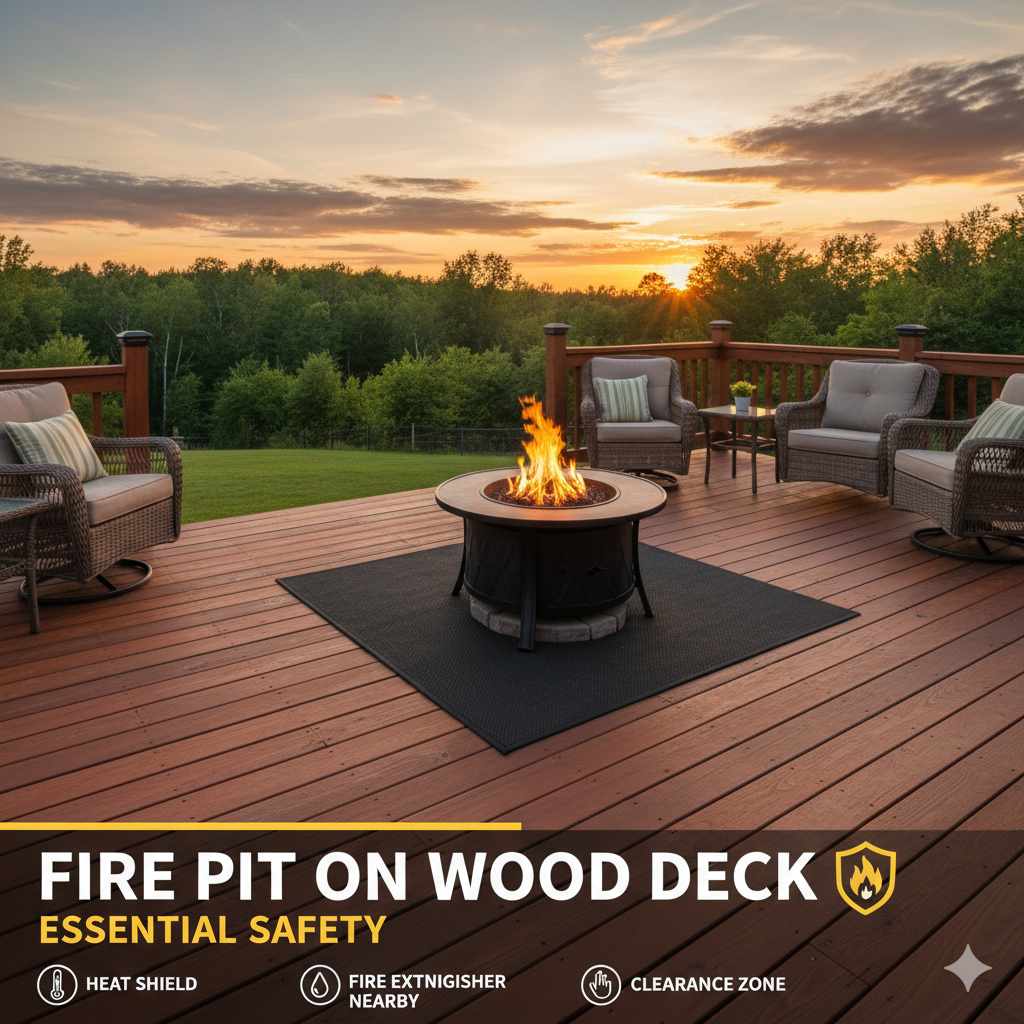
Yes, you can put a fire pit on a wood deck, but only with careful planning and essential safety measures. Direct contact is extremely risky. You’ll need a heat-resistant barrier to protect your deck from scorching, embers, and heat damage. This guide covers how to do it safely, ensuring many enjoyable evenings around the fire.
Imagine a warm evening, the gentle crackle of a fire, and the glowing embers reflecting in your eyes. A fire pit on your deck sounds like pure bliss, right? Many homeowners dream of this cozy setup. But then that nagging question pops up: “Can my beautiful wood deck handle a fire pit?” It’s a common worry, and for good reason! Placing something that produces intense heat directly onto wood is a recipe for disaster. You don’t want to end up with scorched wood, costly repairs, or worse, a dangerous fire that spreads. Don’t let this concern put out your dream of deck-side campfires. With the right knowledge and a few simple steps, you can absolutely enjoy a fire pit safely on your deck. This guide will walk you through everything you need to know, from understanding the risks to choosing the right setup. We’ll break down the best ways to protect your deck and ensure your fire pit gatherings are memorable for all the right reasons.
Why Deck Safety Around Fire Pits is Crucial
Wood decks, while lovely and a fantastic extension of our living spaces, are inherently vulnerable to heat and flames. Wood is combustible, meaning it can catch fire. The intense heat radiating from a fire pit, along with stray embers that might escape, can easily damage your deck. This damage isn’t just cosmetic; it can weaken the structure of your deck over time.
Here are the main risks:
Scorching and Charring: Direct heat can quickly turn your deck’s surface black and brittle.
Ignition Sparks: Even small sparks can land on dry wood and smolder, potentially leading to a larger fire.
Structural Weakening: Repeated exposure to heat can degrade the wood fibers, compromising the deck’s integrity.
Fire Spread: In the worst-case scenario, a fire on the deck can spread to your house or surrounding landscaping.
The good news is that all these risks are preventable with proper precautions. It’s not a matter of if you can use a fire pit safely, but how you do it.
Understanding Fire Pit Heat and Deck Materials
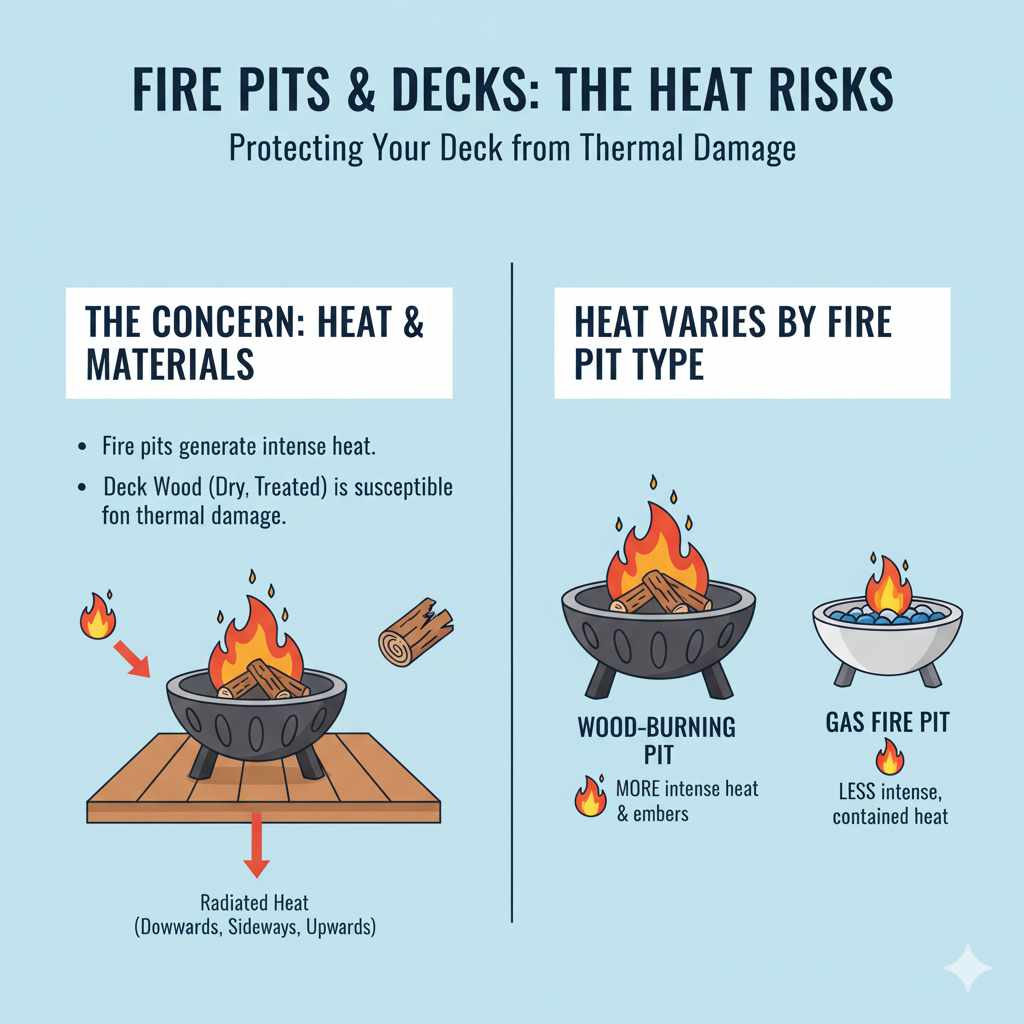
Before we dive into the solutions, let’s quickly understand why this is a concern. Fire pits generate a lot of heat. This heat can radiate downwards, sideways, and upwards. Wood, especially dry or treated lumber commonly used in decks, can be highly susceptible to thermal damage. The type of wood, its treatment, its age, and its moisture content all play a role in how it reacts to heat.
Different types of fire pits also produce varying amounts of heat. For example, a large, open wood-burning fire pit will produce more intense heat and more stray embers than a smaller, contained gas fire pit.
Essential Safety Gear and Materials: Your Deck’s Best Friends
The most critical step in safely placing a fire pit on your deck is creating a protective barrier. This barrier acts as a shield, preventing direct heat transfer and catching any falling embers.
Here’s what you’ll need:
1. A High-Quality Fire Pit Mat or Hearth Pad
This is non-negotiable. A fire pit mat, often called a deck protector or heat shield, is designed specifically to withstand high temperatures and protect surfaces below.
What to look for:
Material: Look for mats made of non-combustible materials like fiberglass, silicone-coated fabric, or silicone. Some have a reflective layer on the underside.
Size: It should be larger than the base of your fire pit, extending at least 18-24 inches on all sides. This provides ample coverage for accidental sparks or heat spread.
Durability: Choose a mat that is tear-resistant and able to handle multiple uses.
Fire Rating: Some products will have specific fire-resistance ratings, which is a good indicator of their protective capabilities.
You can find these at home improvement stores, outdoor living retailers, or online. Always check product descriptions for their suitability on combustible surfaces like wood decks. For example, a product like the “USA Premium Fireproof Grill Mat” or similar heat-resistant mats are designed to prevent damage from hot coals and grease, making them suitable for this application when sized appropriately.
2. Additional Heat-Resistant Layers (Optional but Recommended for Extra Safety)
For an added layer of security, especially with wood-burning fire pits or if your mat is on the smaller side, consider layering materials.
Heat-Resistant Tiles: Durock or cement board is a common material used under tile in kitchens and bathrooms. It’s excellent at insulating and resisting heat. You can lay this down first, then place your fire pit mat on top, or even create a more permanent tiled hearth.
Pavers or Bricks: While these can work, they need to be a significant weight and well-supported. Ensure they are laid on a stable, heat-resistant mat and not directly on the wood. Mortaring them together can create a more secure surface.
Sand or Gravel (Use with Caution): Some people use a layer of sand or gravel. However, sand can retain moisture and heat, and gravel can pose a fire risk if it gets too hot. If you go this route, it must be contained within a fire-resistant tray and always used with a mat underneath. This is generally less recommended for wood decks due to moisture retention and potential for heat build-up.
3. Proper Fire Pit Setup
The type and placement of your fire pit itself are also crucial safety factors.
Fire Pit Type:
Propane/Natural Gas Fire Pits: These are generally safer for decks as they produce less ash and fewer unpredictable sparks than wood-burning options. They offer more controlled heat.
Wood-Burning Fire Pits: These require the most caution. They produce hot embers that can easily escape and ignite surrounding materials. They also generate significant downward and radiant heat.
Fire Pit Base: Ensure the fire pit itself has a stable, heat-resistant base that isn’t directly touching your protective mat. Many come with integrated legs or bases.
Clearance: Always maintain adequate clearance around the fire pit, not just from the deck but also from any nearby railings, furniture, or overhead structures. Check your fire pit’s manual for recommended clearances.
Step-by-Step Guide: Safely Placing Your Fire Pit on a Wood Deck
Let’s get your fire pit set up securely. Follow these steps carefully:
Step 1: Choose Your Location Wisely
Deck Surface: Select a sturdy, level section of your deck. Avoid any areas with significant gaps between boards or where the wood might be damaged or rotten.
Proximity to Hazards: Ensure the spot is far enough away from your house, railings made of flammable materials, overhanging trees, shrubs, outdoor curtains, or anything else that could catch fire. A good rule of thumb is at least 10-15 feet from any structures or combustible materials, but always check your fire pit manufacturer’s recommendations.
Wind Exposure: Avoid extremely windy spots, as wind can carry sparks and errant flames much farther.
Step 2: Prepare the Deck Surface
Cleanliness: Thoroughly clean the chosen area of your deck. Remove any leaves, debris, or flammable materials that may have accumulated there.
Inspect the Wood: Quickly inspect the deck boards in the chosen area for any signs of rot, decay, or significant damage. If you find any, it’s best to choose a different spot or undertake repairs before proceeding.
Step 3: Lay Down Your Protective Barrier
This is where your fire pit mat or hearth pad comes into play.
Placement: Carefully lay the fire pit mat down on the cleaned and prepared deck surface. Ensure it lies flat.
Coverage: Position the mat so that it extends at least 18-24 inches beyond the edges of your fire pit in all directions. If your mat is a bit smaller, ensure the most critical edges (where sparks are most likely to fly) have extra padding or a secondary, thinner heat-resistant layer underneath if needed.
Double Layering (Optional): If you are using a less robust mat or have extreme concerns, lay down a layer of cement board (like Durock) first, ensuring it’s well-supported, then place your fire pit mat on top of that.
Step 4: Position the Fire Pit
Now, carefully place your fire pit onto the protective mat.
Stability: Make sure the fire pit is stable and sits evenly on the mat. The mat should be able to support the weight of the fire pit without buckling or shifting.
Clearances: Double-check that the fire pit is centered on the mat and that there’s still adequate clearance between the fire pit itself and any surrounding deck features, furniture, or railings.
Step 5: Secure Loose Items
Deck Furniture: Move any deck chairs, cushions, or other furniture at least 6-8 feet away from the fire pit area. Heat can radiate outwards, and a stray spark could ignite them.
Flammable Materials: Ensure no stray blankets, newspapers, or other flammable items are stored nearby.
Step 6: Have Safety Equipment Ready
Before you even light the fire, make sure you have safety tools within easy reach.
Extinguisher: A fire extinguisher rated for Class A (ordinary combustibles) fires is essential.
Water Source: A garden hose connected and ready to go, or several buckets of water, should be nearby.
Poker/Tongs: Long-handled tools are necessary for safely managing the fire and embers.
Fire Pit Safety Best Practices for Decks
Beyond the setup, here are some ongoing practices to ensure your fire pit remains a source of warmth and enjoyment, not a hazard.
During Use:
Never Leave Unattended: This is the golden rule. Always have a responsible adult present when the fire pit is lit.
Manage the Flames: Keep fires to a manageable size. Avoid overloading the fire pit with too much fuel, which can lead to oversized flames and increased risk.
Watch for Embers: Be vigilant about stray embers. If you see any escape, extinguish them immediately with water or by safely covering them.
Keep Children and Pets Safe: Establish a clear “safe zone” around the fire pit and ensure children and pets stay outside of it.
Avoid Flammable Liquids: Never use gasoline or other flammable liquids to start or rekindle a fire. Use appropriate fire starters.
Windy Conditions: If the wind picks up significantly, it’s best to extinguish the fire and wait for calmer conditions.
After Use:
Allow to Cool Completely: Never leave a fire pit unattended until the ashes have completely cooled. This can take many hours, sometimes even overnight.
Dispose of Ashes Safely: Once cool, scoop ashes into a metal container with a tight-fitting lid. Store this container away from any combustible materials, and dispose of them according to local regulations (often by burying or taking them to a specific disposal site). Never put them in a plastic bin or regular trash can until you are absolutely certain they are cold.
Inspect Your Deck: After the fire pit has cooled and been put away, inspect the protective mat and the deck beneath it for any signs of damage.
Comparing Fire Pit Types for Deck Use
Choosing the right type of fire pit can significantly impact safety and convenience on your wood deck.
| Fire Pit Type | Pros for Deck Use | Cons for Deck Use |
|---|---|---|
| Propane/Natural Gas | – Cleaner burn, fewer sparks- Easier to control flames- No ash disposal | – Requires fuel tank or gas line- Less “authentic” fire experience for some- Initial cost can be higher |
| Wood-Burning (Metal) | – Traditional fire ambiance- Can be less expensive initially | – High risk of stray embers- Generates significant radiant and downward heat- Produces ash that needs disposal |
| Chimineas/Ceramic | – Enclosed design can contain some heat and embers- Unique aesthetic | – Can be fragile- May still produce heat that transfers- Often require specific bases and mats |
| Electric | – Safest option- No flames, no embers- Easy control | – Less atmosphere- Requires power source- Limited heat output |
For wood decks, propane or natural gas fire pits are generally the safest and most recommended choices due to their controlled nature and minimal ember production. If you opt for a wood-burning pit, rigorous use of protective mats and extreme vigilance are paramount.
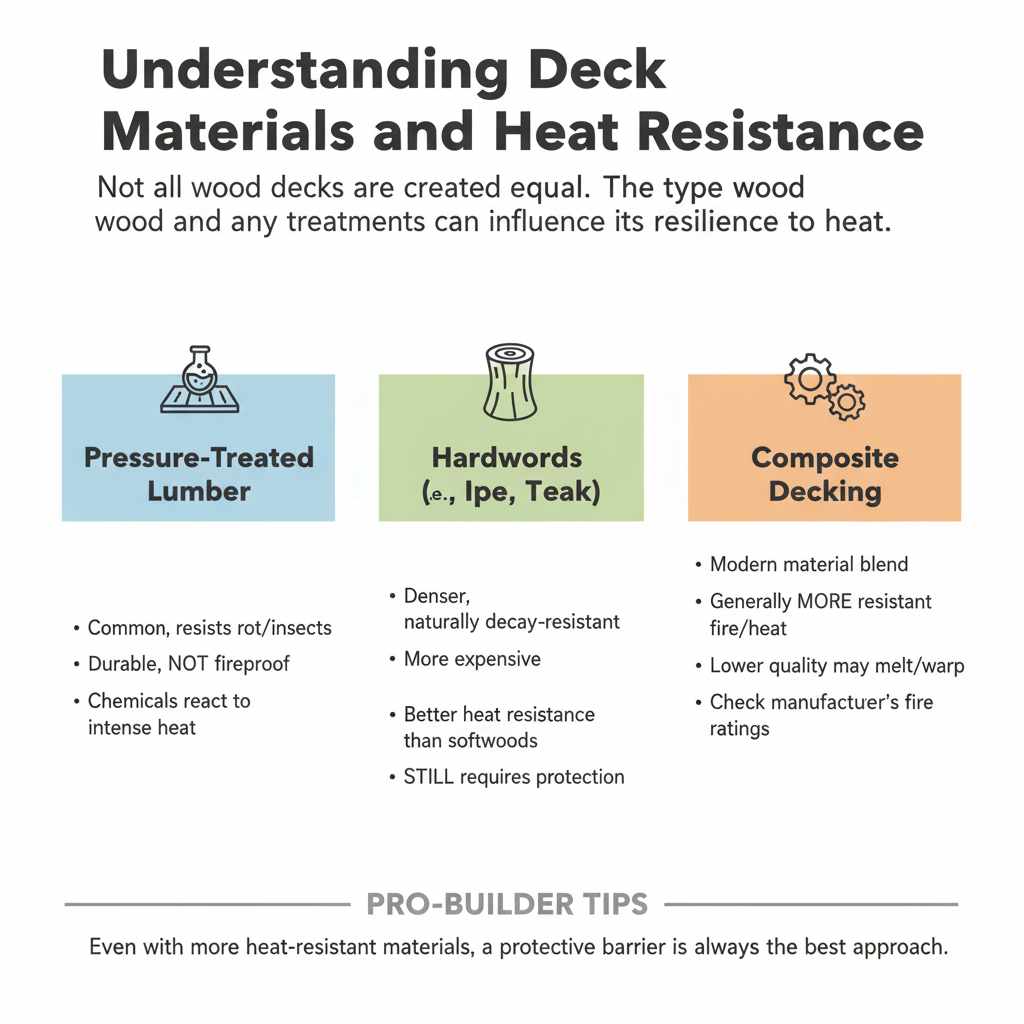
Understanding Deck Materials and Heat Resistance
Not all wood decks are created equal. The type of wood and any treatments can influence its resilience to heat.
Pressure-Treated Lumber: This is very common for decks. It’s treated with chemicals to resist rot and insects. While this adds durability, it doesn’t make it fireproof. The chemicals can sometimes react with intense heat.
Hardwoods (e.g., Ipe, Teak): These are naturally denser and more resistant to decay. They are often more expensive but can withstand heat slightly better than softwoods. However, they still require protection.
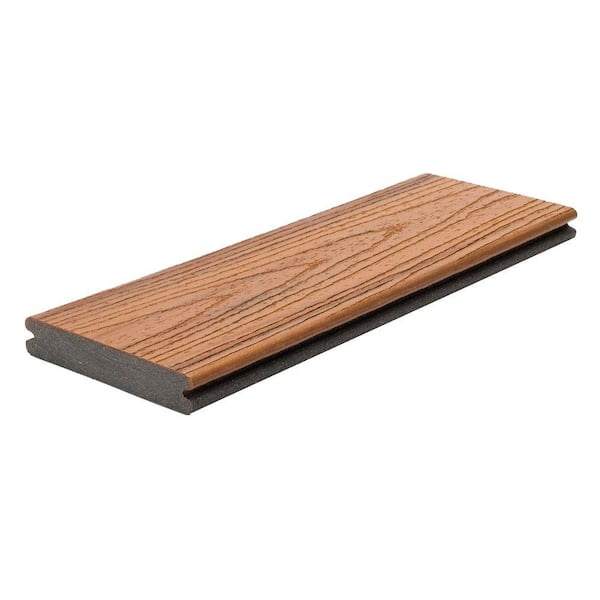
Composite Decking: Many modern decks use composite materials. These are generally more resistant to fire and heat than natural wood. However, some lower-quality composites can still melt or warp. Always check the manufacturer’s fire performance ratings for composite decking if you’re unsure.
Even with more heat-resistant materials, a protective barrier is always the best approach.
Frequently Asked Questions about Fire Pits on Decks
Can I place a portable fire pit directly on my deck without anything underneath?
No, absolutely not. Placing any type of fire pit directly on a wood deck is extremely dangerous. The heat can scorch, char, and even ignite your deck. Always use a high-quality, heat-resistant mat underneath your fire pit. What is the safest type of fire pit for a wood deck?
Propane or natural gas fire pits are generally considered the safest for wood decks because they produce minimal sparks and embers and offer controlled heat. Electric fire pits are also very safe as they don’t produce flames. Wood-burning fire pits require the most caution. How large should my fire pit mat be?
Your fire pit mat should be large enough to extend at least 18 to 24 inches beyond all sides of the fire pit. This ensures adequate protection from heat and any stray embers that might escape. Can I use concrete pavers directly on my deck with a fire pit?
Placing pavers directly on a wood deck without a proper heat-resistant mat underneath is not recommended. While pavers are non-combustible, heat can still transfer through them to the wood, or moisture trapped beneath them can create issues. Always place a fire pit mat between the pavers (or directly on the deck if the pavers are part of a larger structure) and the wood. What if my fire pit is on legs? Do I still need a mat?
Yes, definitely. Even fire pits with legs can radiate significant heat downwards, and embers can still fall through or beside the legs onto the deck surface. A protective mat is crucial to shield the wood from both direct heat and fallen embers. How do I dispose of ashes from a wood-burning fire pit on my deck?
Once the ashes have completely cooled (this can take 24-72 hours), carefully scoop them into a metal container with a tight-fitting lid. Store the container away from any combustible materials. Dispose of them according to local regulations, which often involve burying them or taking them to a specific disposal site. Never place hot ashes in a plastic bin or your regular trash outdoors. My deck is made of composite material, is it safe to put a fire pit on it?
Composite decks are generally more heat-resistant than wood, but it’s still not advisable to place a fire pit directly on them. High heat can still cause some composite materials to warp, melt, or discolor. Always refer to your composite decking manufacturer’s guidelines and use a proper heat-resistant mat for protection and peace of mind.
Conclusion
Creating your dream backyard retreat often includes the allure of a fire pit for cozy evenings. When you have a beautiful wood deck, the desire to place your fire pit there is natural. The critical takeaway is this: direct contact between a heat-producing fire pit and a wood deck is a significant fire risk and will damage your deck. However, with the right knowledge and simple, essential safety precautions, you can absolutely achieve this goal.
By investing in a high-quality, oversized fire pit mat or hearth pad, understanding your fire pit’s heat output, and always practicing fire safety vigilance, you can transform your deck into a warm, inviting gathering space. Remember to prepare the area, use protective barriers, maintain safe distances, and keep extinguishing tools handy. These steps aren’t just recommendations; they are your roadmap to enjoying those crackling fires safely and responsibly. So go ahead, plan that deck-centric bonfire, just make sure you’re shielded, prepared, and aware. Happy, safe fireside memories await!