Decking Base Ideas: Concrete Piers, Deck Blocks, or Helical Piles
A decking base must sit below the local frost line or the ground heaving each winter can tilt the whole deck — surface-set deck blocks fail inspection in most freeze regions for exactly this reason. Frost depth ranges from 0 inches in Florida to 60+ inches in Maine and North Dakota. This guide compares concrete piers, precast deck blocks, and helical piles, and when each one is actually code-legal.
Decking Base Types at a Glance
Best Post-to-Footing Connector Pick
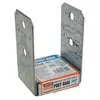 |
Simpson Strong-Tie ABU44Z Adjustable Post Base – $27.99 Connects a 4×4 post to a poured concrete pier or footing with a built-in 1-inch standoff, keeping the post end out of standing water — the connector this guide recommends over setting posts directly in concrete.
|
As an Amazon Associate we earn from qualifying purchases.
| Base Type | Frost-Line Compliant? | Cure/Setup Time | Best For |
|---|---|---|---|
| Concrete piers | Yes, when dug below frost depth | Concrete cure: several days to full strength | Attached and elevated decks in most jurisdictions |
| Precast deck blocks | No — sit at surface level | Immediate, no cure time | Low, freestanding “floating” decks only, and only where local code allows it |
| Helical piles | Yes, driven below frost depth | Immediate, load-bearing right away | Poor or unstable soil, cold-season builds, sites where digging is impractical |
| Gravel/paver pad | No — surface only | Immediate | Ground-level decks with no structural attachment to the house |
Concrete Piers and Footings (Frost Depth Requirements)
For any deck attached to the house or built more than a step above grade, most building departments require footings that extend below the local frost line — the depth soil freezes to in winter. Skip this and seasonal freeze-thaw cycles heave the footing upward, tilting posts and racking the whole frame out of square over a few winters.
- Frost depth varies enormously by region — 0 inches along the Gulf Coast and parts of Florida, up to 48 inches in southern Ontario, and 60+ inches in parts of Maine and North Dakota
- Your local building department publishes the required frost depth for your area — this is not something to guess or copy from a guide written for a different climate
- Typical footing hole diameter runs 12 inches for light loads, 16 inches for moderate loads, up to 24 inches for heavy loads or 6×6 posts carrying long beams
- Concrete needs several days of cure time before it can bear load — plan the schedule around this, unlike the other options below
Set an adjustable post base (like the connector above) into the wet concrete rather than embedding the post directly — direct wood-to-concrete contact traps moisture against the end grain and is the single most common cause of a rotted-out deck post 8–10 years in.
Precast Deck Blocks: Fast, But Not Everywhere Legal
Precast concrete deck blocks are the fastest, cheapest option: set them on leveled, compacted ground with no digging or curing time. The tradeoff is that they sit at surface level, well above the frost line in any climate that actually freezes — which makes them susceptible to frost heave and a common reason inspectors reject them for anything but a low, freestanding deck.
- Confirm with your local building department whether deck blocks are permitted for your specific deck height and attachment type before buying materials
- Clear and compact the ground, then add a 4–6 inch gravel base under each block for drainage
- Level each block individually, then check that all blocks are level relative to each other across the whole footprint
- Set an adjustable post base or notch into the block’s built-in slot, then secure the post
Deck blocks work well for a low, freestanding platform (a floating deck not attached to the house), a shed base, or a temporary structure — not for an elevated deck attached to your home’s ledger board, which almost universally requires frost-depth footings.
Helical Piles for Poor Soil or Cold-Season Builds
Helical piles (also called screw piles or helical piers) are steel shafts with helix-shaped blades that get twisted into the ground with hydraulic equipment until they reach a target torque that correlates to load capacity. They go below the frost line like a concrete pier does, but without digging or concrete.
- Immediately load-bearing — no multi-day concrete cure time, so framing can start the same day
- Well suited to clay, sandy, or otherwise unstable soil where a poured footing is more likely to shift
- Work in any season, including frozen ground, unlike a concrete pour that needs above-freezing conditions to cure properly
- Minimal excavation and disruption to existing landscaping compared to digging footing holes
- Cost 20–40% more per footing than poured concrete, and typically require a specialty contractor with the driving equipment
Helical piles make the most sense when soil conditions are the deciding factor, not budget — on stable, well-draining soil a properly sized concrete pier does the same job for less money.
Ground-Level “Floating” Deck Bases
A ground-level deck not attached to the house structure can often use a gravel or paver base instead of frost-depth footings, since it isn’t rigidly connected to a structure that would be damaged by seasonal movement. Confirm this with your local code before building — “floating” doesn’t mean “unregulated” everywhere.
- Clear the area of grass, weeds, and debris, then install a weed barrier before adding gravel or sand
- Use pressure-treated wood for any framing member in ground contact — it resists rot and insects far better than untreated lumber
- Slope the ground slightly away from the deck to keep water from pooling under it
- Leave airflow space between the ground and the deck’s underside — sealing that gap traps humidity and accelerates rot
Composite vs. Wood: Does the Base Change?
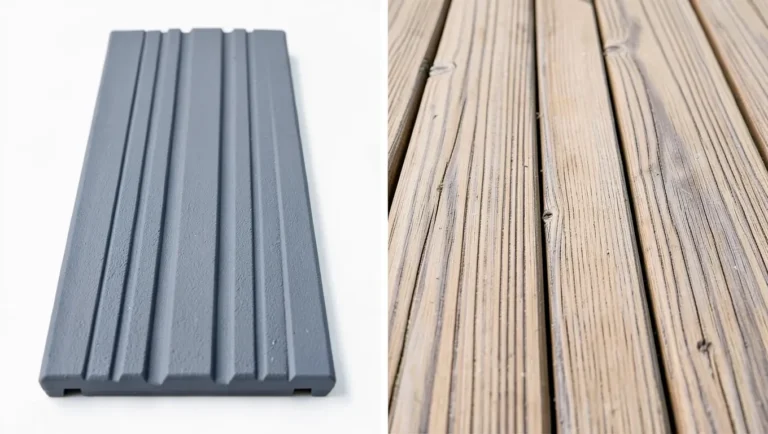
The base (footings, piers, or blocks) is the same regardless of whether you deck over it with wood or composite boards — the material choice affects the surface, not the foundation underneath it. Composite decking does resist splintering, warping, and repainting better than wood, at a higher up-front material cost.
| Feature | Composite Decking | Wood Decking |
|---|---|---|
| Splintering | No | Yes |
| Warping | No | Yes |
| Repainting/staining required | No | Yes, every 2–3 years |
| Upfront material cost | Higher | Lower |
DIY vs. Professional Installation
Deck blocks and gravel bases for a low, freestanding deck are reasonable DIY projects for an intermediate builder. Concrete piers and helical piles for an attached, elevated deck are a different category — most jurisdictions require a permit and inspection for these, and getting the frost depth or footing size wrong isn’t something you find out about until the deck is already built.
- Pull a permit before digging footings for any attached or elevated deck — this is where most DIY decks run into trouble after the fact
- Hire a professional for helical pile installation — the driving equipment and torque verification aren’t typical homeowner tools
- A beginner with no footing experience should default to hiring out the foundation work even if the framing and decking above it is DIY
Frequently Asked Questions
How Deep Should a Decking Base Be?
For an attached or elevated deck, the footing must extend below your local frost depth — anywhere from 0 inches in parts of Florida to 60+ inches in parts of Maine and North Dakota. There’s no single national number; check with your local building department for the exact required depth in your area.
Can I Use Precast Deck Blocks Instead of Concrete Footings?
Only for a low, freestanding deck not attached to your house, and only where local code permits it — deck blocks sit at surface level and don’t extend below the frost line, so they’re prone to frost heave in any climate that freezes. Most building departments require frost-depth footings for any deck attached to a structure.
Are Helical Piles Worth the Extra Cost Over Concrete?
Helical piles cost roughly 20–40% more per footing than poured concrete, but they’re immediately load-bearing with no cure time and work in poor or unstable soil where a concrete pier is more likely to shift. On stable, well-draining soil with no time pressure, a properly sized concrete pier does the same job for less money.
How Do I Prepare the Ground for a Decking Base?
Clear the area of debris and vegetation, install a weed barrier, then add a compacted gravel layer for drainage before setting blocks or pouring footings. For an attached or elevated deck, this ground prep happens after the footing holes are dug and before the concrete is poured, not instead of it.
Conclusion
Pick concrete piers below the frost line for most attached and elevated decks, helical piles when soil conditions or a tight schedule rule out concrete, and precast deck blocks or a gravel pad only for a low, freestanding deck where local code allows it. Whichever base you choose, connect the post with an adjustable standoff base rather than embedding wood directly in concrete — it’s the cheapest insurance against an early rot failure.
Sponsored / affiliate links. As an Amazon Associate I earn from qualifying purchases. I may earn additional commission from eligible campaigns.