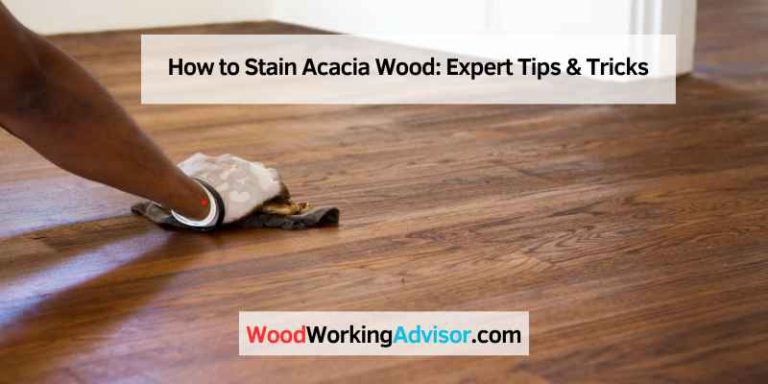
What Happens If You Put Stain Over Polyurethane
Putting stain over polyurethane causes blotchy, uneven color and poor adhesion, because polyurethane seals the wood grain that stain needs to soak into — the stain just sits on the surface instead.
This trips people up because stain and polyurethane look similar in the can, and it’s easy to assume any wood-finishing product will simply layer over the last one. It won’t — the order you apply them in changes how the whole finish behaves.
Below, we cover why this happens, how to fix it if you’ve already done it, and two related questions people run into: whether you can tint polyurethane with stain directly, and which one is actually supposed to go on first.
One exception worth knowing about: this splotchy, poor-adhesion outcome applies to regular liquid stain. If you are deliberately trying to change the color of a piece that already has polyurethane on it, gel stain is built to work that way on purpose – see our guide to staining over polyurethane with gel for the prep steps that make it hold up.
Introduction To Stain Over Polyurethane
Polyurethane is a strong finish. It protects wood from scratches and moisture. It dries clear and adds shine. Many people use it for floors and furniture.
Staining over polyuethane is tricky. Stain does not stick well to this finish. If you want a new color, consider alternatives. Sanding the surface helps the stain adhere.
Some may want to add stain for a rich look. It can enhance the wood’s natural beauty. Choose a compatible stain to avoid problems. Test a small area first to see results.
Potential Outcomes
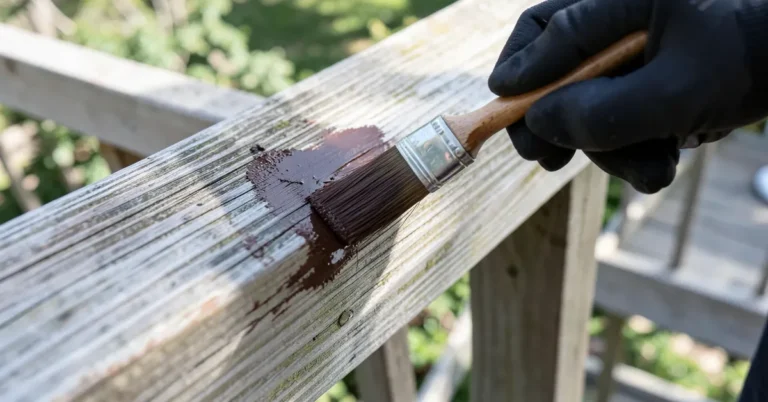
Applying stain over polyurethane can lead to various visual effects. The stain may not adhere properly. This results in a splotchy or uneven appearance. Some areas might turn darker than others. A poor finish can ruin the overall look of the surface.
Durability concerns arise from this practice. The stain can wear off quickly. It may peel or chip away from the polyurethane. This leads to a shorter lifespan for the finish. Reapplication becomes necessary sooner than expected. Proper maintenance will be harder to achieve.
Preparation Is Key
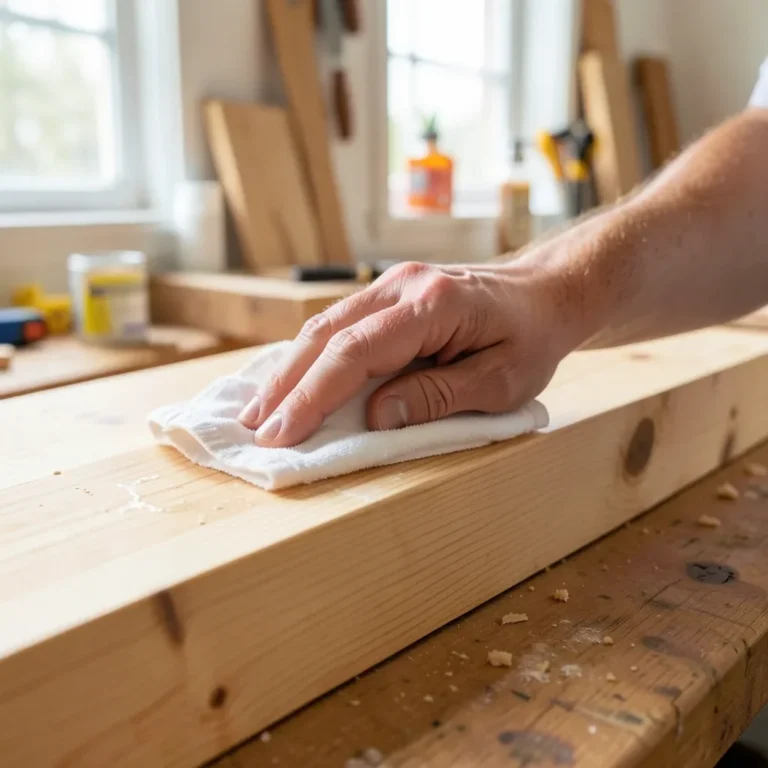
Cleaning the surface is very important before applying stain over polyurethane. Use a damp cloth to remove dust and dirt. Make sure the surface is completely dry before proceeding.
Sanding helps to create a better bond between the stain and the finish. Use fine-grit sandpaper for this process. Lightly sand the surface without damaging the polyurethane. Wipe away any dust after sanding to ensure a clean area for staining.
Our Picks: Fixing (Or Avoiding) Stain-Over-Poly Mistakes
Best for: fully removing existing polyurethane so stain can be applied correctly, the right order the first time.
Why we picked it: citrus-based formula strips multiple coats without the harsh fumes of methylene-chloride strippers.
Main drawback: needs time to work (often 30+ minutes per coat) and a well-ventilated area regardless of the milder odor.
Check Price on Amazon
Best for: even color once you’ve stripped back to bare wood, before resealing.
Why we picked it: gel consistency sits on the surface longer than liquid stain, giving more control and fewer blotches.
Main drawback: longer working time means it takes more patience to wipe back evenly.
Check Price on Amazon →
Best for: resealing correctly once the stain is fully dry — the right final step, in the right order.
Why we picked it: fast-drying formula means fewer dust-nib issues between coats than standard oil-based poly.
Main drawback: shorter working time can make brush marks more visible if you work too slowly.
Check Price on Amazon →
Best for: the sanding step between stripping and staining, and scuff-sanding a topcoat between poly coats.
Why we picked it: one pack covers every grit needed from rough removal down to a fine pre-finish pass.
Main drawback: paper-backed sheets wear out faster than sanding sponges on large surfaces.
Check Price on Amazon →Choosing The Right Stain
Choosing the right stain is important for your project. Oil-based stains penetrate deeper into wood. They provide a rich, deep color but take longer to dry. Water-based stains dry faster and clean up easily. They also have low odor and less volatile compounds. Consider the final look you want before choosing.
For color matching, start with a test sample. Apply the stain on a small area. This will show how the color looks on your wood. Different woods absorb stains differently. Keep in mind that lighting affects how colors appear. Always match your stain with your wood type for the best results.
Can You Tint Polyurethane With Stain?
Mixing stain directly into polyurethane isn’t the same as staining first and topcoating separately. A few specialty products, sometimes labeled “polyurethane stain” or “gel stain with poly built in,” are formulated as a genuine one-step blend and can work as designed. But mixing a regular oil-based stain into a can of regular polyurethane yourself is unpredictable — the pigment can clump or settle unevenly, and the resulting film often dries cloudy, streaky, or tacky since the two products aren’t chemically balanced for that combination.
If you want a tinted topcoat look, it’s more reliable to use a purpose-made toner or a product labeled specifically as a combined stain-and-poly, and always test it on scrap wood first before committing to a full piece.
Do You Need To Stain Before Applying Polyurethane?
Yes — the standard, reliable order is stain first, then seal with polyurethane once the stain has fully dried. Stain is designed to soak into bare, open wood grain; polyurethane is designed to sit on top as a protective film. Reversing that order (which is exactly the “stain over polyurethane” problem this article covers) is why adhesion and blotching issues show up. If you’re starting a new project, staining before your polyurethane coats is the order to plan around, not something to skip.
Application Techniques
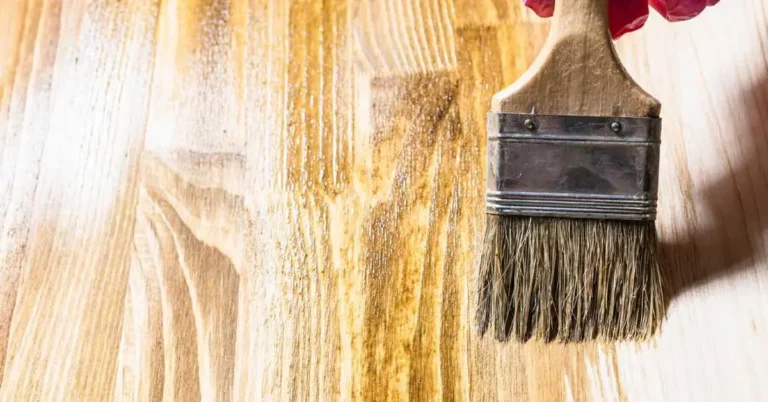
Choosing the right application method is crucial. Brush application offers better control over the stain. It allows for even coverage and penetration. Rag application is faster but may lead to uneven spots. Both methods have their benefits.
For applying even coats, follow these tips:
- Use a quality brush or clean rag.
- Work in small sections to maintain wet edges.
- Apply the stain in the direction of the wood grain.
- Check for drips and wipe them away immediately.
Experiment with both methods to find what works best for your project.
Common Mistakes To Avoid
Skipping sanding before applying stain can ruin your project. Always sand the surface first. This helps the stain stick better. It also makes the finish look smooth and even.
Applying too thickly can cause problems. Thick layers can lead to uneven color. They may also make the surface sticky. It’s better to apply thin coats. This allows for better absorption and a more uniform appearance.
Aftercare And Maintenance
To keep your surface looking great, regular cleaning is essential. Use a soft cloth to wipe away dust. Avoid harsh chemicals that can damage the finish. A simple mix of warm water and mild soap works well.
After cleaning, dry the surface thoroughly. This prevents moisture from seeping in. Avoid using excessive water on wood surfaces.
| Signs to Reapply | Frequency |
|---|---|
| Faded or dull appearance | Every 1-3 years |
| Scratches and scuff marks | As needed |
| Water spots or stains | Immediately |
Pros And Cons
Applying stain over polyurethane can enhance the look of your wood. It adds depth and richness to the color. This can make furniture and floors more appealing.
Yet, there is a risk of damage. The stain might not adhere well to the polyurethane. This can lead to peeling or chipping in the future. Proper preparation is vital to avoid these issues.
| Pros | Cons |
|---|---|
| Enhanced aesthetics | Potential for damage |
| Increased depth of color | Difficulty in removal |
| Customizable appearance | Time-consuming process |
Frequently Asked Questions
What Happens If You Stain Over Polyurethane?
Staining over polyurethane can lead to uneven color and poor adhesion. The stain may not penetrate well, resulting in a blotchy appearance. Additionally, it can cause peeling or flaking over time. To achieve the best results, it’s advisable to remove the polyurethane before applying stain.
Can You Apply Oil Stain Over Polyurethane?
Applying oil stain over polyurethane is not recommended. The polyurethane creates a barrier that prevents the oil from soaking in. This can lead to a sticky surface and uneven color. For best results, consider stripping the polyurethane first or opting for a compatible product designed for such applications.
How Do You Remove Polyurethane Before Staining?
To remove polyurethane, use a chemical stripper or sandpaper. Apply a chemical stripper to dissolve the finish, then scrape it off. Alternatively, sand the surface with fine-grit sandpaper to remove the finish. Always wear protective gear and work in a well-ventilated area for safety.
Is It Safe To Stain Over Water-based Polyurethane?
Staining over water-based polyurethane is generally not effective. The water-based finish creates a seal that hinders stain absorption. This often results in an uneven and unsatisfactory appearance. To achieve an even stain, it’s best to fully remove the water-based polyurethane before applying any new stain.
Can You Tint Polyurethane With Stain?
Not reliably with regular products mixed together — the pigment and finish aren’t formulated to blend, and the result is often streaky or tacky. Purpose-made polyurethane-stain combination products exist and can work, but test on scrap wood first.
Do You Need To Stain Before Applying Polyurethane?
Yes. Stain soaks into bare wood grain and polyurethane seals it as a topcoat — that order matters, and reversing it is what causes the adhesion and blotching problems covered in this guide.
Conclusion
Applying stain over polyurethane can lead to uneven results. The stain may not adhere properly, causing peeling or discoloration. For the best finish, consider stripping the old layer first. Understanding this process helps maintain the beauty of your wood surfaces.
Always test a small area to ensure the desired outcome. For more staining and finishing guides, browse our Stain hub.
Sponsored / affiliate links. As an Amazon Associate I earn from qualifying purchases. I may earn additional commission from eligible campaigns.