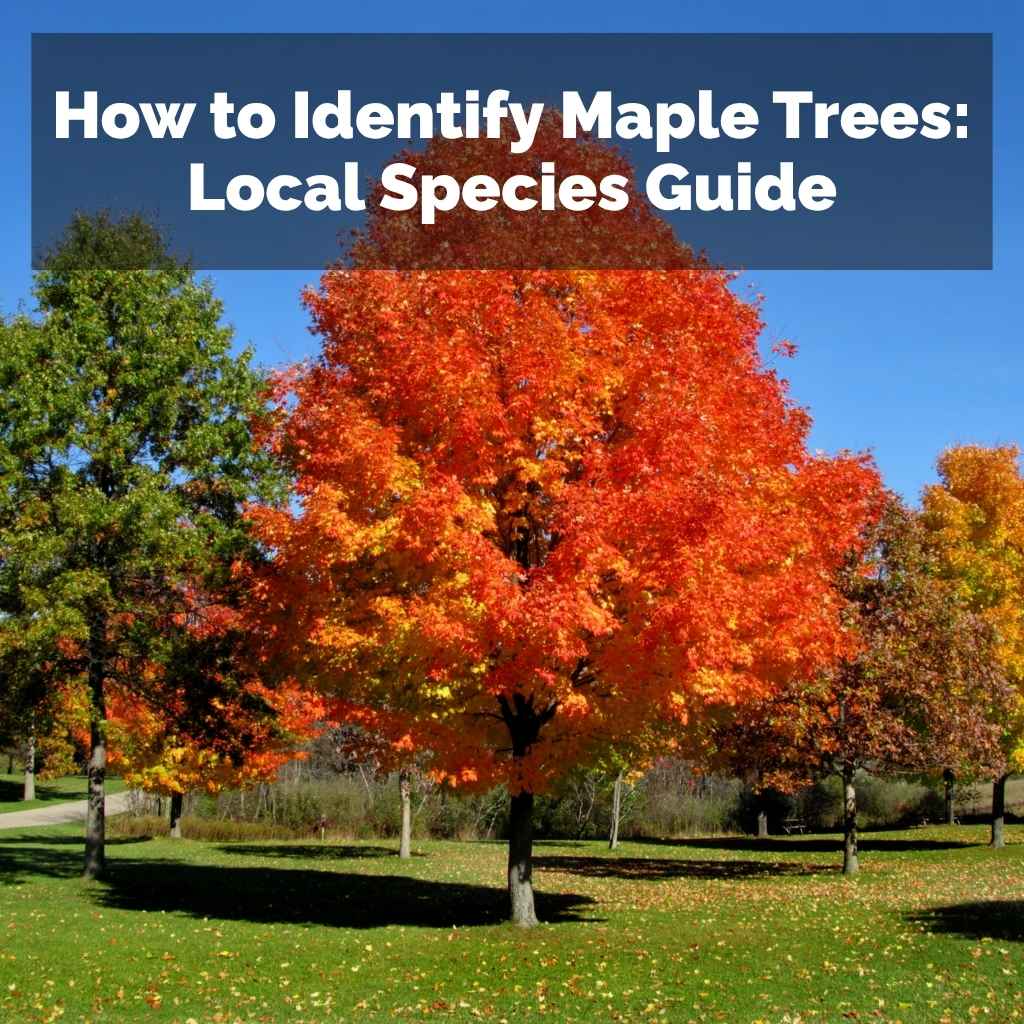
How to Identify Maple Trees: Local Species Guide
Learning How to Identify Maple Trees: Best Local Species Guide 2026 can seem tricky at first. Many trees have leaves shaped like a maple’s, and knowing the small differences helps a lot. Don’t worry, it’s easier than it looks!
We’ll walk through it step-by-step. You’ll soon be able to spot different maple trees like a pro. Let’s get started on finding the maples near you.
Understanding Maple Tree Identification Basics
Identifying maple trees relies on a few key features that set them apart. The most obvious is the leaf shape, which is famously palmate, meaning it looks like an open hand with fingers spreading out. However, not all palmate leaves belong to maples, and not all maple leaves are perfectly palmate.
The number of lobes, the edge of the leaf, and how the leaves grow on the stem are all important clues. We will explore these details to help you become a confident maple tree identifier.
Leaf Shape and Lobes
Most people think of maple leaves as having three to five lobes, like the Canadian flag. This is often true, but some maples have leaves with more lobes, or sometimes fewer. The shape of the lobes themselves can also vary.
They might be pointed or rounded.
The way the leaf edges are shaped is another big clue. Some maple leaves have smooth edges between the lobes, while others have jagged or toothed edges. This variation is important when trying to pinpoint a specific species of maple.
For example, the Sugar Maple (Acer saccharum) typically has 5 lobes that are smooth or have only a few shallow teeth. In contrast, the Red Maple (Acer rubrum) often has 3 to 5 lobes with more sharply toothed edges. Both Latin names are the official scientific identifiers within the Acer genus; see our maple wood scientific name guide for the full species list.
Leaf Arrangement on the Stem
A very consistent way to identify maple trees is to look at how their leaves grow on the branches. Maples have an opposite leaf arrangement. This means that for every leaf or set of leaves growing on a stem, another one grows directly across from it at the same point.
Imagine a clock face; if one leaf is at 3 o’clock, the other is at 9 o’clock. This is a very reliable characteristic. Most other deciduous trees have a
alternate leaf arrangement, where leaves grow in a staggered pattern up the stem.
This opposite arrangement is a crucial identifier, especially if the leaf shape is not perfectly clear or if the tree is leafless in winter. It’s a simple rule that dramatically narrows down the possibilities.
Bark and Twigs
While leaves are the most common identifier, other features can help, especially when leaves are not present. The bark of mature maple trees can look quite different depending on the species. Younger trees might have smoother bark, which often becomes more furrowed or platy as they age.
For instance, a mature Sugar Maple often has gray, deeply furrowed bark. A Silver Maple (Acer saccharinum) has bark that starts smoother but becomes shaggy and peels off in long strips on older trees. Red Maple bark is usually smoother and lighter gray on younger trees and develops shallow furrows as it matures.
Twigs also offer clues. Maple twigs often have a distinct smell when broken, and their buds are typically pointed and form in opposite pairs, consistent with the leaf arrangement.
Common Maple Tree Species and Their Traits
North America is home to many maple species, and knowing the most common ones in your local area is key. Each species has unique characteristics that make it stand out. We will focus on a few widely recognized maples, highlighting their distinctive features to help you identify them easily.
Sugar Maple Acer saccharum
The Sugar Maple is perhaps the most famous maple tree, known for its brilliant fall colors and the source of maple syrup. Its leaves are typically 5-lobed with pointed tips and smooth or slightly wavy edges. They grow in opposite pairs on the stem.
The bark of a Sugar Maple is gray and deeply furrowed when mature. In the fall, its leaves turn stunning shades of yellow, orange, and red. This tree is often found in mixed hardwood forests in eastern North America.
Its wood is also highly valued for furniture and flooring. The sap is tapped in late winter and early spring for syrup production.
Red Maple Acer rubrum
As its name suggests, the Red Maple is known for its vibrant red color, which can appear in its leaves, twigs, and flowers. Its leaves are usually 3-5 lobed, with sharply toothed edges. The leaves are opposite on the stem.
The bark of a Red Maple is typically smooth and light gray on young trees, becoming darker and developing shallow furrows as it ages. In autumn, its leaves turn bright red or reddish-orange. It is a very adaptable tree and can be found in a wide range of habitats.
Red maples are often planted as ornamental trees due to their striking fall color and adaptability to various soil conditions. They are also important for wildlife, providing food and shelter.
Silver Maple Acer saccharinum
The Silver Maple is a fast-growing tree often found in wet areas like floodplains and along rivers. Its most distinctive feature is its deeply cut leaves, which have 5 lobes with very jagged, irregular edges. The underside of the leaves is silvery-white, giving the tree its name.
The bark of a Silver Maple starts out smooth but becomes shaggy and peels in long, thin strips on older trees. Its branches are often flexible and can droop, making it susceptible to wind damage.
Fall color is typically yellow and less brilliant than Sugar or Red Maples. It’s a popular choice for shade trees in parks and along streets, though its fast growth and brittle branches can sometimes cause issues.
Boxelder Acer negundo
The Boxelder is unusual among maples because its leaves are compound, meaning each leaf is made up of several smaller leaflets. These leaflets are typically arranged in 3 to 7 pairs along a central stem. This is very different from the simple, single-blade leaves of most other maples.
The bark is gray and ridged. Boxelders are tough trees that can grow in a variety of conditions, often found in disturbed areas, along streams, and in bottomlands. Their fall color is usually a plain yellow and not very showy.
Because of its compound leaves and somewhat weedy nature, it’s sometimes overlooked as a maple. However, its opposite branching pattern is a clear giveaway.
How to Identify Maple Trees: Best Local Species Guide 2026 in Your Backyard
Now, let’s apply what we’ve learned to identify maple trees you might find right in your neighborhood or local park. The key is to combine the clues from leaves, branching, and bark. Thinking like a botanist, even just a little bit, makes the process fun and rewarding.
We will give you a simple process to follow.
Step-by-Step Identification Process
Start by observing the tree from a distance. Notice its overall shape and size. Then, get closer and examine a leaf.
Is it a simple leaf with lobes, or is it compound? This is your first big decision point.
If it’s a simple, lobed leaf, check the number of lobes and how the edges are shaped. Are they smooth, toothed, or deeply cut? Next, look at how the leaves are arranged on the stem.
Do they grow directly across from each other (opposite), or in a staggered pattern (alternate)? If it’s opposite, it’s very likely a maple.
If you see a compound leaf, the Boxelder is a strong possibility, but always double-check the opposite branching. If the tree is bare, focus on the twig structure and bud arrangement. The opposite branching is your most reliable clue then.
Observing Leaf Fall Colors
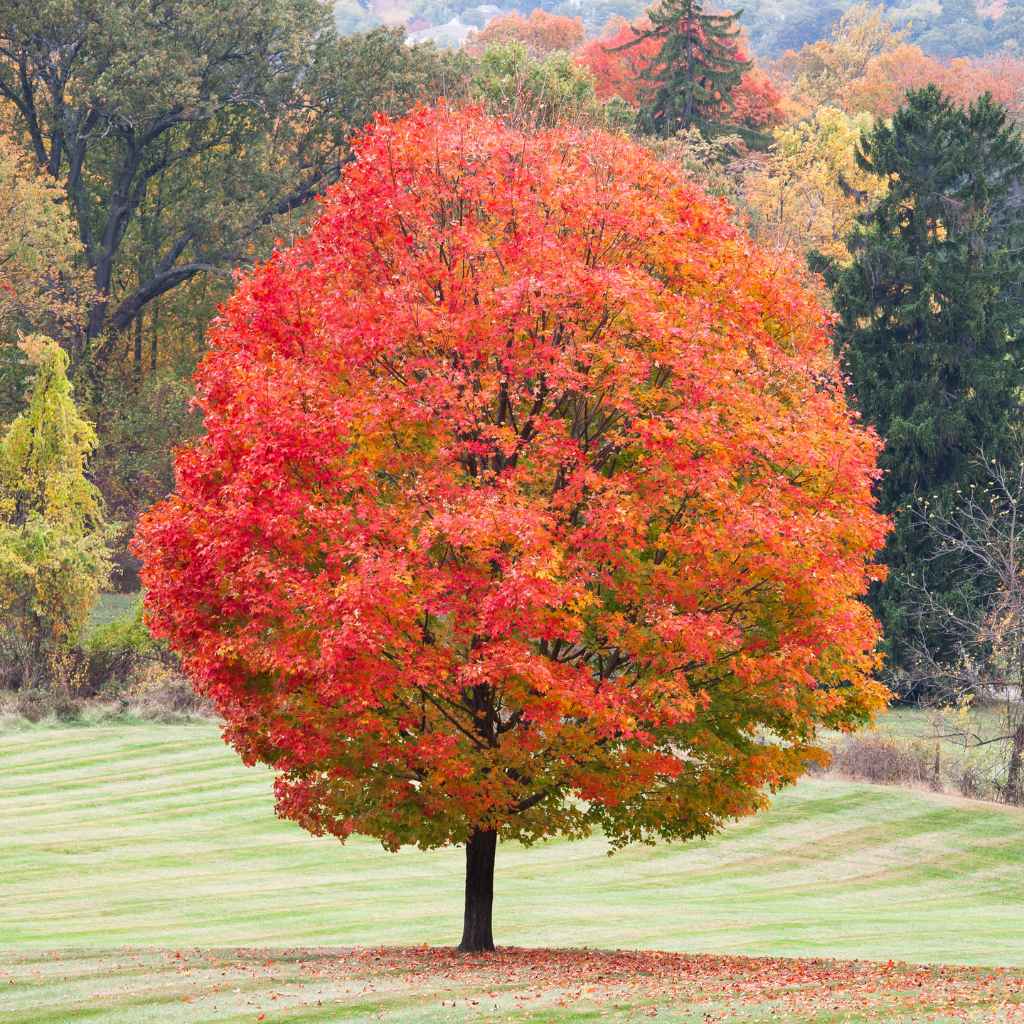
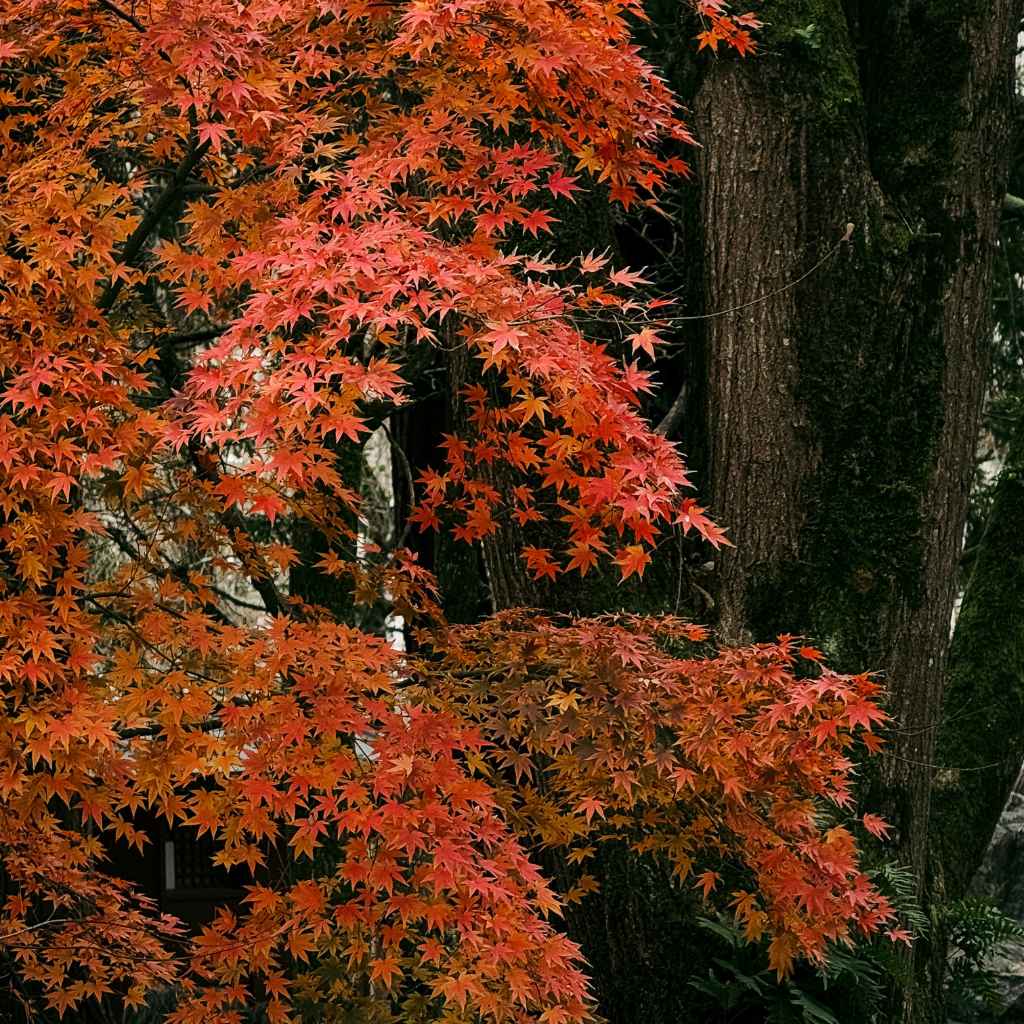
Fall is a fantastic time to identify maples because their colors can be so distinctive. While many trees turn yellow or red, the intensity and specific shades can help. Sugar Maples are famous for their spectacular and varied fall colors, often displaying a mix of yellow, orange, and red on the same tree.
Red Maples are reliably brilliant red or scarlet. Silver Maples usually offer a good yellow fall color. The Boxelder’s fall color is generally a duller yellow and not a primary identification feature.
Remember that color can be influenced by weather and the tree’s health, so it’s best used as a supporting clue rather than the sole identifier.
Using Twigs and Buds in Winter
When leaves have fallen, identifying maples becomes a bit more challenging but is still possible. The opposite branching pattern remains your strongest indicator. Look closely at the twigs.
Maple twigs often have a terminal bud that is pointed and distinct from the lateral buds.
The size and shape of buds vary between species. For example, Sugar Maple buds are sharp and brown, while Red Maple buds are often reddish and blunt. The shape of the twig itself can also offer clues; Silver Maples have twigs that are often arching and somewhat drooping.
Many maple twigs have a somewhat musky or strong smell when scratched or broken. This can be another sensory clue to help confirm you’re looking at a maple.
Common Misidentifications and How to Avoid Them
One common mistake is confusing maple leaves with other trees that have lobed leaves, like Oaks or Sycamores. Oaks typically have more deeply lobed leaves with rounded or pointed tips and an alternate leaf arrangement. Sycamore leaves are also lobed but are usually larger and have a different texture, also with alternate arrangement.
Another pitfall is assuming all maple leaves have exactly five lobes. Some species, like the Sugar Maple, usually do, but others can have three or more. Always check the leaf edge and the branching pattern for confirmation.
The Boxelder’s compound leaves can easily confuse those expecting a typical maple leaf. Remembering that the Boxelder is the only common maple with compound leaves, and that it still exhibits opposite branching, is key to avoiding this error.
Tools and Resources for Maple Tree Identification
To really hone your skills in identifying maple trees, having the right tools and resources makes a big difference. These can help you confirm your observations and learn more about the specific species in your area. Local guides and apps can be incredibly useful.
Field Guides and Mobile Apps
There are many excellent field guides available that focus on trees, including detailed sections on maples. These books often contain clear photos, illustrations, and descriptions of leaves, bark, and other features. Look for guides specific to your region for the most relevant information.
Mobile apps are also a fantastic resource. Many apps allow you to upload photos of leaves or bark and use AI to suggest potential identifications. Some apps also have built-in keys or identification wizards that guide you through a series of questions about the tree’s characteristics.
These digital tools can be very convenient to use while you are out in the field, allowing for quick checks and access to a wealth of information.
Local Botanical Gardens and Nature Centers
Visiting local botanical gardens or nature centers is a great way to learn about maple trees in their natural or cultivated settings. These places often have labeled trees, allowing you to see the names of different species and compare their features directly. Staff and volunteers can also offer valuable insights and answer your questions.
Many botanical gardens offer workshops or guided walks focused on tree identification. This hands-on experience, guided by experts, can significantly improve your identification skills. You can often see mature specimens of various maple species, which helps in understanding their full growth habit and bark characteristics.
Nature centers can also be a source for local knowledge. They may have guides or displays tailored to the trees found in your specific ecosystem.
Online Resources and Forums
The internet is a vast source of information for tree enthusiasts. Many university extension websites offer detailed guides and fact sheets on tree identification, often specific to different states or regions. These resources are usually reliable and scientifically accurate.
Online forums and communities dedicated to botany or nature can also be very helpful. You can post photos of trees you’re trying to identify and get help from experienced individuals. These communities are often very welcoming to beginners and eager to share their knowledge.
Remember to cross-reference information from different online sources to ensure accuracy. Look for information from reputable institutions like universities or arboretums.
Frequently Asked Questions
Question: What is the easiest way to tell a maple tree from other trees
Answer: The easiest way is to look at how the leaves grow on the stem. Maple trees always have leaves that grow in opposite pairs, meaning one leaf grows directly across from another at the same point on the branch. Most other trees have leaves that grow in a staggered pattern.
Question: Do all maple leaves have 5 points
Answer: No, not all maple leaves have exactly 5 points or lobes. While many common maples like the Sugar Maple typically have 5 lobes, others, such as the Red Maple, can have 3 to 5 lobes. The shape and number of lobes can vary even on the same tree.
Question: Can I identify a maple tree in winter when it has no leaves
Answer: Yes, you can still identify a maple tree in winter. The most reliable sign is the opposite arrangement of the buds and twigs on the branches. You can also look at the bark, which has species-specific characteristics, and the shape of the twigs and buds.
Question: What makes the Sugar Maple special for making syrup
Answer: Sugar Maples are special because they have a higher sugar content in their sap compared to other maple species. This means more sap needs to be boiled down to produce a gallon of syrup, making the process more efficient and the syrup taste richer.
Question: Is the Boxelder truly a maple tree
Answer: Yes, the Boxelder (Acer negundo) is indeed a type of maple tree. It is unique among maples because its leaves are compound, meaning they are made up of several smaller leaflets, unlike the simple, single-blade leaves of most other maples. It still has the characteristic opposite branching pattern of maples.
Wrap Up
Identifying maple trees becomes much simpler once you know the key features. Focus on the opposite leaf arrangement and the distinctive palmate leaf shape. Pay attention to lobe edges and bark textures for specific species.
Use local guides and resources to confirm your findings. You can now confidently spot maples around you.
Sponsored / affiliate links. As an Amazon Associate I earn from qualifying purchases. I may earn additional commission from eligible campaigns.