Best Way to Remove Chipped Paint from Wood
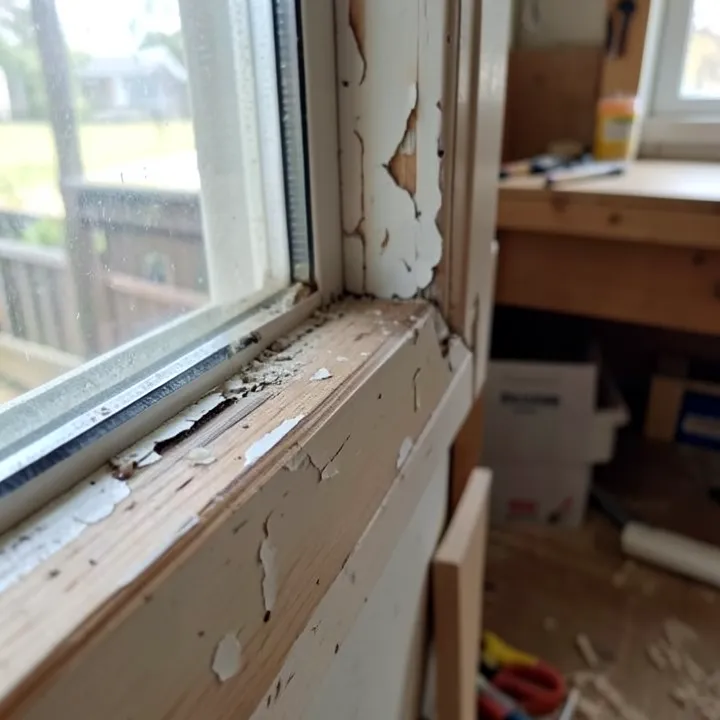
Before you scrape or sand a single chip, check how old the paint likely is. If there’s any chance it was applied before 1978, dry-sanding or dry-scraping it can release lead dust into the air – and that changes which removal method is actually the “best” one for your situation.
Check For Lead Paint First
Best For Multiple Paint Layers
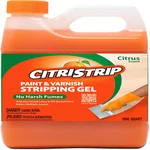 |
Citristrip Paint & Varnish Stripping Gel, 1 Quart – $18 Stays wet for up to 24 hours, so it works through multiple layers of old paint in one application instead of the several passes a fast-drying stripper needs.
|
Lead-based residential paint was banned in the U.S. in 1978, so any wood painted before then may have a lead-based layer under newer coats, even if the item has been repainted since. A basic lead test swab from a hardware store gives a quick color-change result on the paint surface in a few minutes and is worth the few dollars it costs before you start. If the test is positive, skip dry sanding and power sanding entirely – both aerosolize lead dust – and use a wet-scraping or chemical-stripping method instead, work in a well-ventilated area, wear an N95 or better respirator and gloves, and contain and dispose of the paint debris as directed by your local hazardous waste guidelines rather than in regular household trash.
Method 1: Chemical Stripper (Best For Multiple Layers)
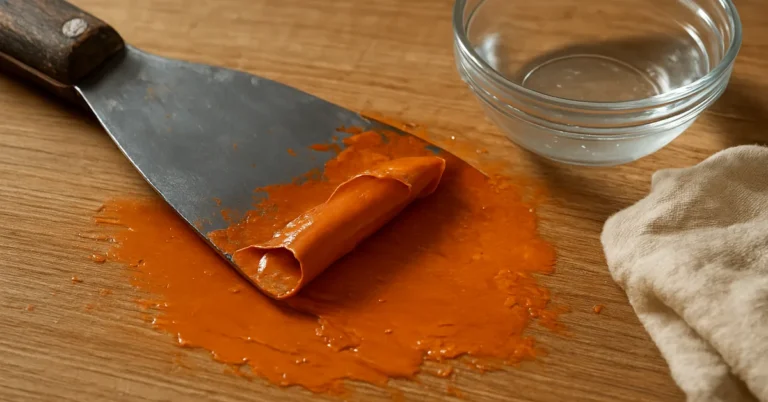
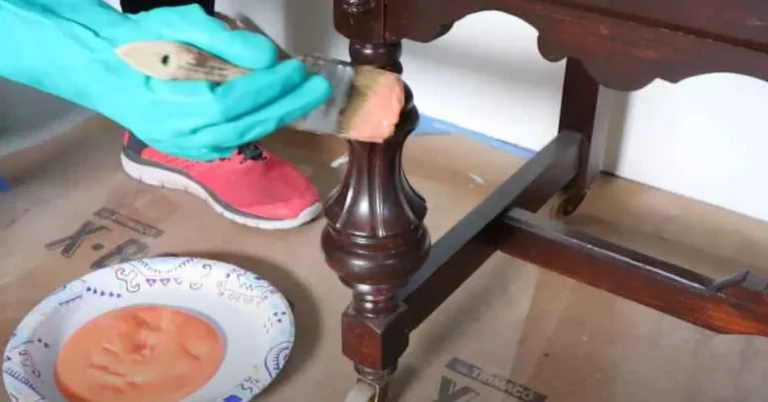
A gel-based paint and varnish stripper is the most reliable option when you’re dealing with several old coats, detailed trim profiles, or paint that might contain lead, since it lifts the paint without generating dust. Apply a thick, even coat with a natural-bristle brush, let it work for the time listed on the product (often 30 minutes to several hours for multiple layers), then scrape the softened paint off with a plastic or stainless putty knife rather than a metal one that can gouge the wood. A second application usually finishes off any stubborn spots left after the first pass.
Method 2: Heat Gun (Fast, But Needs A Steady Hand)
A heat gun softens paint quickly so it lifts off in sheets with a scraper, and it produces far less dust than sanding. Keep the gun moving constantly and hold it 2 to 4 inches from the surface – lingering in one spot scorches the wood and, on old paint, can release lead fumes if the paint is lead-based, which makes this method a poor choice on any surface that tests positive for lead. It also isn’t suitable near glass (heat cracks it) or on paint layers thin enough that scraping alone would work just as well.
Method 3: Wet Sanding Or Scraping (For Confirmed Lead Paint)
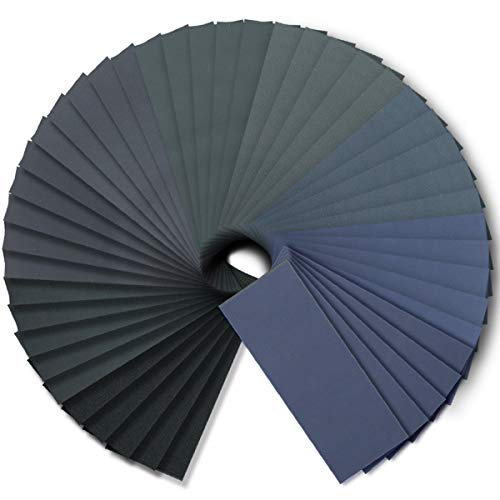
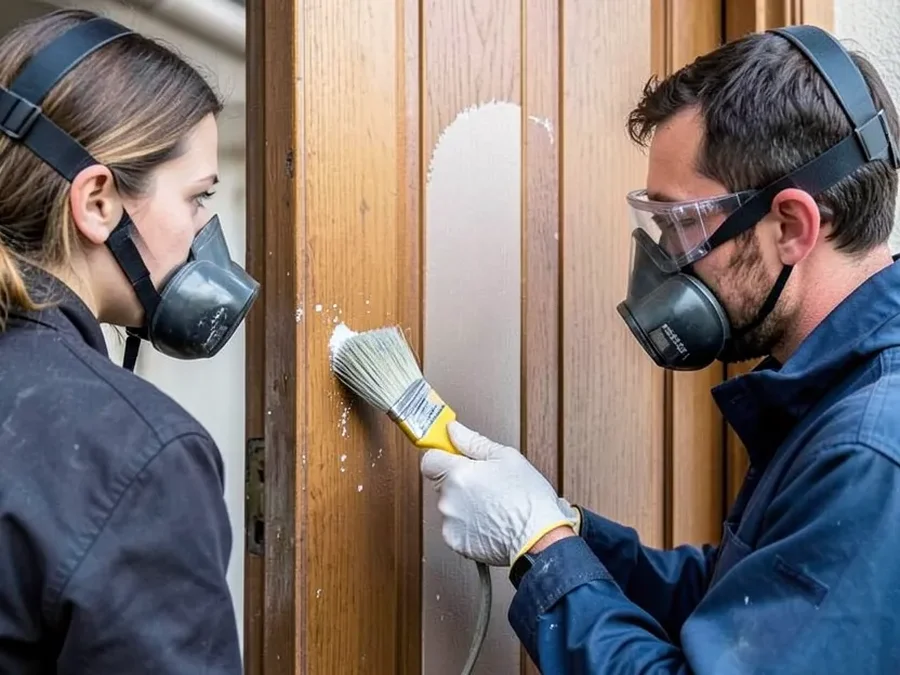
If a test confirms lead paint and a chemical stripper isn’t practical for the piece, wet methods keep the dust down: mist the surface with water from a spray bottle before scraping, and use wet/dry sandpaper kept damp rather than a dry orbital sander. Work in small sections, keep the area wet throughout, and wipe up the resulting paste with disposable rags rather than letting it dry and turn back into dust.
Method 4: Sanding (Best For Modern, Lead-Free Paint Only)
For paint you know postdates 1978 – a piece you painted yourself, or one with documented refinishing history – sanding is the fastest way to get to bare wood on a flat surface. Start with 80-grit to remove the bulk of the chipped paint, then move to 150 and finally 220-grit to smooth the wood before refinishing. A random orbital sander with dust collection (bag or shop-vac attachment) speeds this up considerably on flat panels, though detailed trim and moldings usually still need hand-sanding or a stripper to get into the profile.
After The Paint Is Off
Whichever method you use, the wood needs a final light sanding (220-grit) and a wipe with a tack cloth before any new primer, paint, or stain goes on – stripper residue and stray fibers left behind are one of the most common reasons a fresh coat doesn’t adhere evenly. If you’re chemically stripping, follow the product’s rinse or neutralizing step exactly; skipping it can leave a film that keeps new paint from curing properly.
Frequently Asked Questions
How do I know if chipped paint contains lead?
Use a lead test swab from a hardware store on the paint surface, or assume lead is possible on any wood painted before 1978. If the test is positive, avoid dry sanding or dry scraping, which release lead dust into the air.
What is the best way to remove chipped paint from wood?
A gel-based chemical stripper is generally the best all-around option, since it removes multiple layers without generating dust. Sanding is faster on flat, confirmed lead-free surfaces, and wet-scraping is the safer choice for confirmed lead paint.
Is it safe to sand old chipped paint?
Only if you’ve confirmed the paint doesn’t contain lead. Dry sanding lead-based paint releases hazardous dust; use a chemical stripper or wet-sanding method instead if the paint is untested or confirmed to contain lead.
Conclusion
Test for lead before you decide on a method – that single check determines whether sanding is a fast, safe option or something to avoid entirely. A chemical stripper is the safest all-purpose choice across multiple paint layers and unknown paint age, with sanding reserved for surfaces you know are lead-free.
Sponsored / affiliate links. As an Amazon Associate I earn from qualifying purchases. I may earn additional commission from eligible campaigns.