Can You Use Citristrip on Glass? Label Facts and Safer Options
Citristrip is not labeled for glass, but glass itself is not what you need to worry about. The manufacturer’s label lists wood, metal, and masonry, and glass is not on it. Glass is also very resistant to the ingredients in the gel, so the real risks are the things touching the glass: window frames, sealants, coatings, and mirror backing. This guide explains what the safety data sheet says, where Citristrip is a sensible choice around glass, and where a razor scraper is the better tool.
Can You Use Citristrip on Glass?
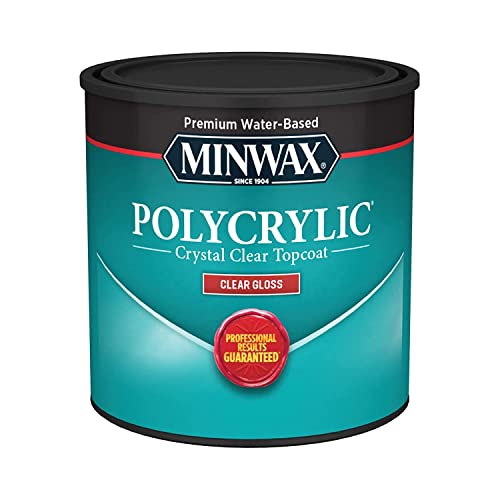
Best Gel For Painted Trim Pick
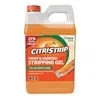 |
Citristrip Paint & Varnish Stripping Gel (40 oz), about $16.85 If the paint is on the wood frame around a window rather than on the glass itself, this is the gel to use. Its label lists wood, metal, and masonry, and it is the product this article is about.
|
The short answer is that it depends on what you are actually stripping. The product label describes the gel as a stripper for latex and oil-based paint, varnish, lacquer, enamel, polyurethane, shellac, acrylics, and epoxy on wood, metal, and masonry. Retailer listings add a caution to test in an inconspicuous area before using it on any synthetic surface. Glass appears nowhere in that language, so there is no manufacturer instruction to follow, and nothing I read says the gel is forbidden on glass either.
What follows combines the W.M. Barr safety data sheet (revision dated 09/27/2022), the label wording above, and general knowledge about glass and coatings. It is reasoning, not lab testing on glass panes. For the general gel method on wood, read our guide on how to use Citristrip stripping gel first.
What Is Actually in the Gel
The data sheet is the most reliable thing to reason from, because it lists what is in the jug and how it behaves. These are the numbers that matter when the surface is glass:
| Data sheet item | Value | Why it matters on glass |
|---|---|---|
| Benzyl alcohol | 30 to 60 percent | The main paint-softening solvent. Organic solvents do not attack the glass itself. |
| Diethylene glycol monobutyl ether | 5 to 10 percent | A glycol ether that helps the gel penetrate coatings. |
| 2-(2-Aminoethoxy) ethanol | 3 to 7 percent | An amine that makes the gel alkaline. |
| Mineral spirits (hydrotreated light distillate) | 1 to 5 percent | Small amount of petroleum solvent. |
| pH | 10.5 to 11 | Moderately alkaline. Fine for a short contact, so rinse it off instead of letting it dry on the pane. |
| Viscosity | 15,000 to 25,000 cps | Thick, so it clings to a vertical pane but is hard to keep off the frame beside it. |
| Solubility in water | Appreciable | Water rinses it off, which makes cleanup on glass easier than on wood. |
| Hazard class | Skin corrosion 1B, serious eye damage 1, skin sensitizer | Wear gloves and goggles. Drips on a window land at eye level. |
One correction to a common claim: people call Citristrip a mild, non-toxic, citrus stripper. The data sheet tells a different story. It lists the gel as causing severe skin burns and eye damage, and it asks for use outdoors or in a well-ventilated area. Our Citristrip safety article goes deeper on the health side.
Where Citristrip Makes Sense Around Glass
Painted-on glass is a small use case. Most people asking this question fall into one of four situations, and only one of them is a good fit for the gel:
| Situation | Good fit for Citristrip? | Better choice or note |
|---|---|---|
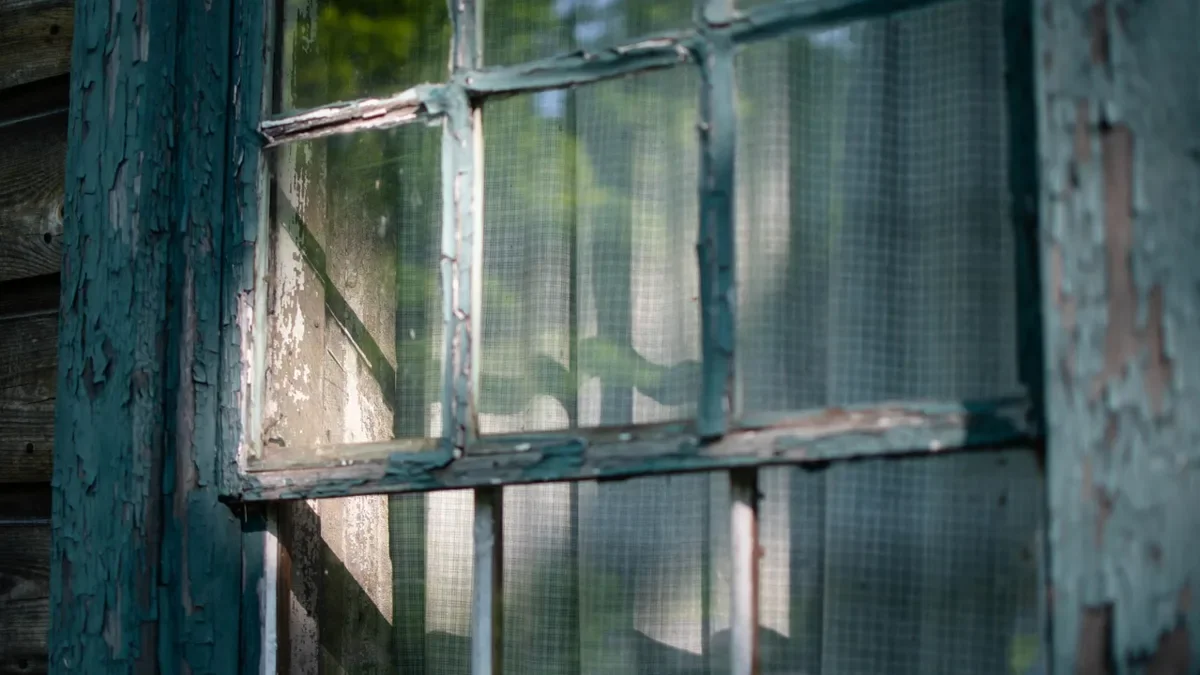
| Paint on the wood sash or trim around a pane | Yes, this is what the label is for | Mask or wipe the glass edge. Keep the gel on the wood and out of the glazing compound. |
| Paint drips or overspray on a clear window pane | Possible, but slow | A fresh single-edge razor blade held flat is the usual first tool. Use the gel only if the paint is thick and old. |
| Paint on a mirror | No | Mirror backing is a paint layer on the back. Solvent that reaches an edge can damage it. |
| Decorative, etched, or frosted glass | No | Nothing the gel removes will restore etching, and a scraper can scratch a frosted finish. |
The reasoning behind the mirror and glazing rows is general knowledge, not something the data sheet or label states. Glazing putty and silicone sealant are both known to soften or lift under strong solvents, so gel that runs off the paint and into the joint can loosen the seal around the pane. Test a hidden corner if you are unsure.
Step by Step: Stripping Paint Near Glass
This method assumes the paint is on a wood window sash or a wood frame that holds a pane. It follows the label’s window of 30 minutes up to 24 hours and adds protection for the glass area.
- Remove the sash if you can. Working flat on sawhorses lets you keep the gel from running onto the pane, and it is safer for your eyes than working overhead.
- Protect the glass edge. Run painter’s tape along the glass where it meets the wood. Gel can soften some tapes, so treat it as a barrier for drips, not a seal.
- Wear chemical goggles and gloves. The data sheet calls for protective gloves, clothing, and eye protection. Ordinary safety glasses without side shields are weak protection against a thick gel that drips.
- Brush on a thick coat of gel on the wood only. Work in one direction and do not overwork it.
- Test-scrape after 30 minutes. The label says to scrape a small test area at 30 minutes and allows up to 24 hours. Old, multi-layer paint often needs longer.
- Scrape with a plastic or nylon scraper. A metal blade against wood will gouge, and a metal edge dragged across the pane will scratch it.
- Rinse the glass with water and wipe dry. The gel is appreciably soluble in water, so a wet rag removes the film. Look at the pane in raking light for smears.
- Deal with the wood residue. Follow the steps in our guide on removing Citristrip from wood before you prime or repaint.
Removing Paint From the Glass Itself
If the paint is only on the pane, the tools change. These are the methods most window and glass refinishers reach for first, in the order most people try them:
- Warm soapy water and a plastic scraper for fresh latex paint. Latex is water-based until it cures, and a wet pane releases it easily.
- A single-edge razor blade held nearly flat on a wet pane for dried latex or oil paint. Use a new blade, lubricate the glass, and push one direction only. Grit trapped under the blade is what scratches glass.
- Denatured alcohol or acetone on a rag for small oil-based spots. Keep both off the frame, since they can dull cured finishes.
- Gel stripper only for thick, old paint, with the wood and sealants masked off and a hidden test spot first.
These are general refinishing practices, not tested by this site. If you have coated glass, such as a low-emissivity window or a tinted film, skip aggressive scraping and test first, because the coating can be thinner than the paint you are removing.
If you are thinking about the reverse job, putting paint onto glass, our article on spray painting glass covers prep and adhesion.
Mistakes to Avoid
- Assuming a label that lists wood, metal, and masonry also covers glass. It does not, so any use on glass is on your own judgment.
- Letting gel dry on a pane. Rinse it while it is wet. Dried residue smears and is hard to see until sunlight hits the glass.
- Using a dull or dirty razor blade. Grit under the blade is what scratches glass.
- Working on a mirror or coated glass without testing. The damage is to the coating, not the glass, and it is not reversible.
- Working overhead without goggles. The data sheet lists the gel as causing serious eye damage.
After stripping, rinsing and drying matter more than a special neutralizer. We cover that step in our article on how to neutralize Citristrip, and for a broader comparison of chemical, heat, and sanding methods on wood, see how to strip finish from wood.
Frequently Asked Questions About Citristrip on Glass
Can Citristrip damage glass?
Glass itself is very resistant to the solvents in the gel, and the data sheet lists nothing that attacks it. The risk is to what surrounds the glass, such as sealant, glazing putty, coatings, and mirror backing. Because glass is not on the label, test a hidden spot if the pane is coated or decorative.
Is Citristrip labeled for use on glass?
No. The label lists wood, metal, and masonry surfaces, and retailer listings advise testing an inconspicuous area before using it on any synthetic surface. Glass is not mentioned, so there is no manufacturer approval or ban.
What is the best way to remove paint from glass?
For most window paint, a new single-edge razor blade held flat on a wet pane is the usual first tool, with warm soapy water for fresh latex. Gel stripper is a last resort for thick, old paint, and the frame around it should be masked.
Should I wear protection when using Citristrip near a window?
Yes. The data sheet classes the gel as causing severe skin burns and serious eye damage and asks for gloves, protective clothing, eye protection, and use outdoors or in a well-ventilated area. Goggles matter more when you work overhead on a window.
How long can Citristrip stay on before I scrape?
The label says to scrape a small test area after 30 minutes and allows the gel to work for up to 24 hours. On a wood sash, start at 30 minutes and only wait longer if the paint has not lifted.
Conclusion
Citristrip’s label lists wood, metal, and masonry, so glass is off-label, but the pane is rarely what goes wrong. If the paint is on a wood sash, the gel is a good tool as long as you keep it off the glazing and protect your eyes. If the paint is on the glass, start with warm water and a flat razor blade, and save the gel for thick, old paint. Coated glass, mirrors, and etched pieces should get a hidden-spot test first, or no chemical at all.
Sponsored / affiliate links. As an Amazon Associate I earn from qualifying purchases. I may earn additional commission from eligible campaigns.