Is Citristrip Toxic? Uncovering the Truth and Safety Tips
Citristrip is mildly toxic if mishandled, but it’s formulated to be significantly safer than older, methylene-chloride-based paint strippers — the trade-off is that it needs longer dwell time to work, not that it’s completely risk-free.
The pleasant citrus smell leads a lot of DIYers to assume Citristrip carries no real hazard, which isn’t quite right. This guide covers what’s actually in Citristrip, the real health risks of skin and fume exposure, how it compares to other strippers on the safety spectrum, and the precautions and first aid steps that matter most.
Introduction To Citristrip
What Is Citristrip?
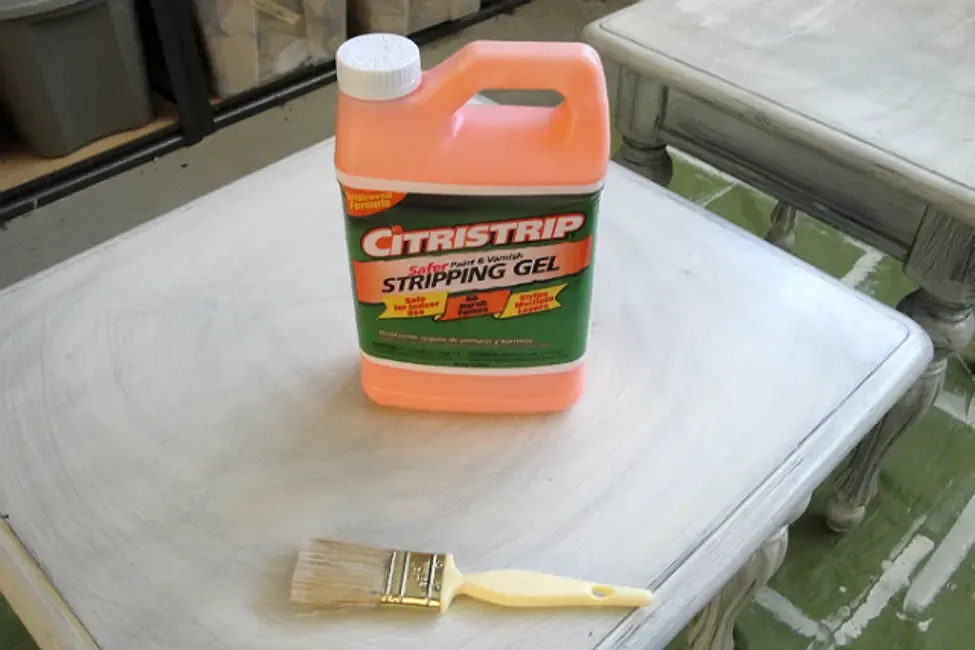
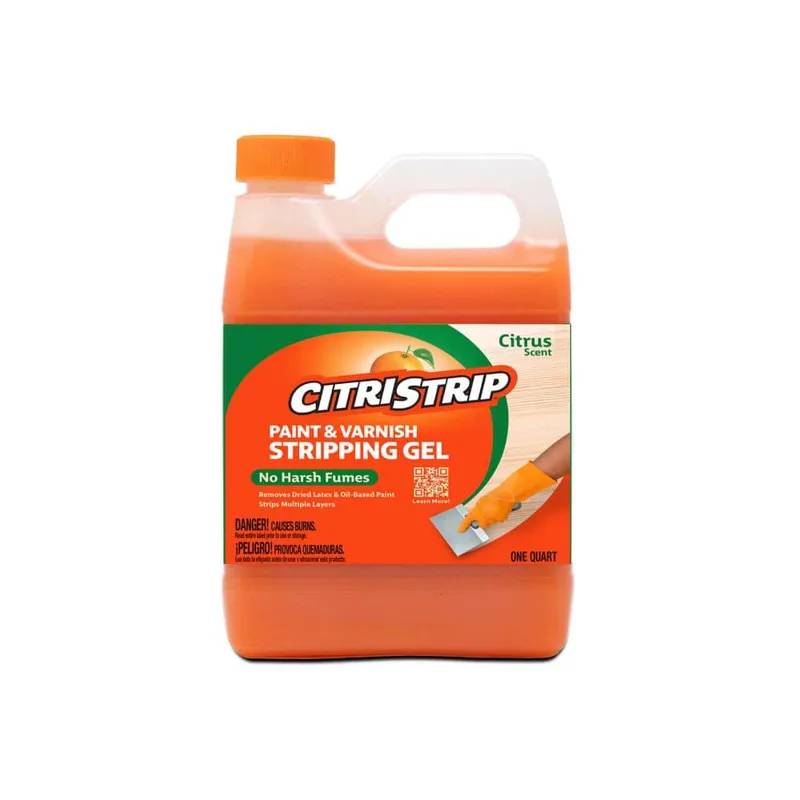
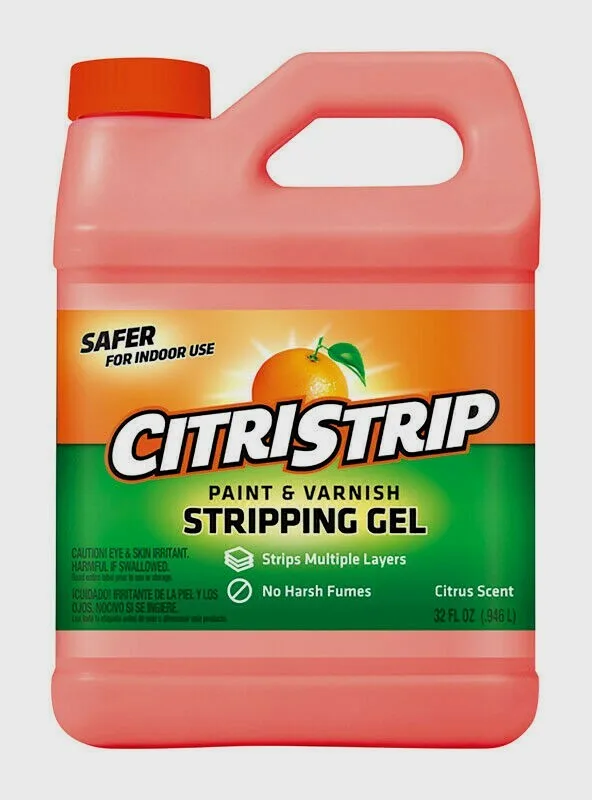
Citristrip is a citrus-scented gel paint and varnish remover used to strip finishes from wood, metal, and masonry. It’s marketed and formulated as a gentler alternative to traditional strippers — it doesn’t carry the harsh chemical odor of older products, and it’s easy to apply with a brush.
Common Uses Of Citristrip
People use Citristrip to strip old paint from furniture, clean finish off metal surfaces, refinish antiques and other DIY projects, and remove varnish from wood floors and trim. Its popularity comes from being effective while feeling less harsh to work with than older strippers.

Ingredients In Citristrip
Active Components
D-Limonene is Citristrip’s headline active ingredient — a citrus-peel oil that gives the product its smell and helps soften finishes. Current formulations pair it with dibasic esters (a blend of dimethyl succinate, glutarate, and adipate), which do the bulk of the paint-softening work. Older Citristrip formulas contained N-Methyl-2-Pyrrolidone (NMP), a stronger solvent linked to reproductive health concerns; the manufacturer reformulated the product to remove NMP, which is part of why current Citristrip is considered lower-risk than it used to be.
Potential Harmful Effects
Even without NMP, Citristrip isn’t harmless. D-limonene, despite being a natural citrus oil, is a known skin and eye irritant and a combustible liquid — it’s exactly the kind of oil that makes rag disposal a real fire-safety consideration (see the safety section below). Dibasic esters have a low order of toxicity but can still irritate skin and eyes with prolonged or repeated contact. Always check the current product label and Safety Data Sheet (SDS) for the exact formulation, since manufacturers do periodically reformulate.
Is Citristrip Safer Than Traditional Paint Strippers?
In relative terms, yes — and this is the actual reason Citristrip built its reputation. Traditional strippers based on methylene chloride (dichloromethane) were pulled from consumer sale in the U.S. in 2019 after the EPA linked the chemical to multiple deaths from acute, high-concentration fume exposure in poorly ventilated spaces. Citrus/dibasic-ester strippers like Citristrip don’t carry that acute-fume-fatality risk, which is the biggest practical safety difference.
| Stripper type | Fume danger | Skin/eye risk | Work time |
|---|---|---|---|
| Methylene chloride (pre-2019 consumer strippers) | High — linked to fatalities in poor ventilation | Moderate to high | Fast-acting |
| Citristrip (d-limonene/dibasic ester) | Low to moderate — still needs ventilation | Moderate — irritant, not corrosive | Slower; needs 30+ minutes dwell time |
| Lye/caustic strippers | Low fume risk | High — caustic burns on contact | Moderate |
“Safer” doesn’t mean “safe to use carelessly” — Citristrip still requires gloves, eye protection, and ventilation. It just removes the specific acute-fatality fume risk that got methylene chloride pulled from shelves.
Health Risks Of Citristrip
Direct skin contact can cause irritation, and eyes can become red and itchy if splashed or exposed to fumes in an enclosed space. Breathing concentrated fumes can irritate your throat and nose and cause dizziness or headache — always use it with good airflow, especially indoors.
Repeated exposure without protection is the real long-term concern: frequent, unprotected skin contact can cause worsening irritation or dermatitis over time, and habitually working with poor ventilation is a bad practice regardless of which stripper you’re using. Gloves and a properly ventilated space largely address both risks.
Environmental Impact
Citristrip and the finish it removes shouldn’t go down household drains — improper disposal can introduce stripped paint chemicals and solvent residue into water systems, potentially affecting aquatic life and, downstream, drinking water sources.
Similarly, don’t pour used stripper or rinse water onto soil or into a yard drain. Proper disposal (per your local household hazardous waste guidelines) keeps both waterways and soil healthy.
Safety Precautions
Wear chemical-resistant gloves, safety goggles, and a mask or respirator rated for organic vapors. Long sleeves and pants keep splashes off your skin.
Work in a well-ventilated area, keep children and pets away from the workspace, and follow the label instructions exactly. Never mix Citristrip with other chemicals, store it in a cool, dry place away from heat sources (remember, d-limonene is combustible), and dispose of waste and rags properly rather than balling them up in the trash.
First Aid Measures
If Citristrip touches your skin, wash it off immediately with soap and water and dry the area well. Avoid scrubbing hard, which can worsen irritation. If redness or a rash continues after washing, seek medical attention.
If you breathe in fumes, move to fresh air right away and breathe deeply for a few minutes. Sit down if you feel dizzy, drink water, and seek medical help if you have trouble breathing. Good ventilation from the start prevents this from happening in the first place.
Alternatives To Citristrip
If you want to avoid solvent-based strippers entirely, a few gentler options exist. Soy-based strippers are effective on wood and metal with a lower odor profile. Water-based strippers avoid strong fumes altogether, though they can be slower to work on thick, multi-layer finishes.
For light finishes, some people use a baking soda and vinegar paste, or a washing soda solution — these work on thinner or more fragile old paint layers, though they’re generally less effective than a dedicated stripper on heavy, multi-coat buildup. Match the method to the job: a mild DIY solution for a light coat, a dedicated stripper for heavier finishes.
Frequently Asked Questions
Is Citristrip Safe To Use Indoors?
Citristrip is generally safe for indoor use if the area is well-ventilated. Open windows and use fans to keep fumes moving, and take breaks for fresh air on longer projects.
Can Citristrip Cause Skin Irritation?
Yes. Always wear protective gloves and clothing when using Citristrip to prevent skin contact, and wash off any contact immediately with soap and water.
What Should I Do If I Inhale Citristrip Fumes?
Move to fresh air immediately and breathe deeply. Seek medical attention if you experience dizziness, nausea, or difficulty breathing that doesn’t resolve quickly.
Is Citristrip Harmful To Pets?
Citristrip can be harmful to pets if ingested or if they’re exposed to concentrated fumes. Keep pets fully out of the workspace while you’re using it and until it’s cleaned up.
Is Citristrip Actually Non-Toxic?
No — “citrus-based” and “less harsh smelling” don’t mean non-toxic. Citristrip is lower-risk than older methylene-chloride strippers, but it’s still an irritant that requires gloves, eye protection, and ventilation to use safely.
Conclusion
Citristrip is a real improvement over older, methylene-chloride-based strippers — it removed the acute high-fume fatality risk that got those products pulled from consumer shelves. But “safer” isn’t “safe to use carelessly”: it’s still an eye and skin irritant, its d-limonene base is combustible, and it still needs ventilation, gloves, and proper waste disposal.
Follow the label, protect your skin and eyes, work with good airflow, and Citristrip does its job with a manageable, well-understood risk profile.
Sponsored / affiliate links. As an Amazon Associate I earn from qualifying purchases. I may earn additional commission from eligible campaigns.