Can You Use Gorilla Glue on Fabric Tips
Lots of people wonder if Gorilla Glue is safe for fabric projects. It might seem tricky because some glues are too stiff or can damage cloth. You might worry about making a mess or ruining your favorite item.
Don’t worry! We’ll walk through exactly how to use it on fabric easily. Get ready to make your repairs and creations strong and neat.
Here’s what you need to know.
Can You Use Gorilla Glue on Fabric for Crafts
Gorilla Glue is a popular choice for many DIY projects, and its strength can be very appealing for fabric applications. However, the very qualities that make it so strong also present challenges when working with soft, flexible materials like cloth. Understanding these differences is key to a successful outcome.
This section explores the basic principles of using Gorilla Glue on fabric, setting the stage for more detailed techniques.
What Is Gorilla Glue
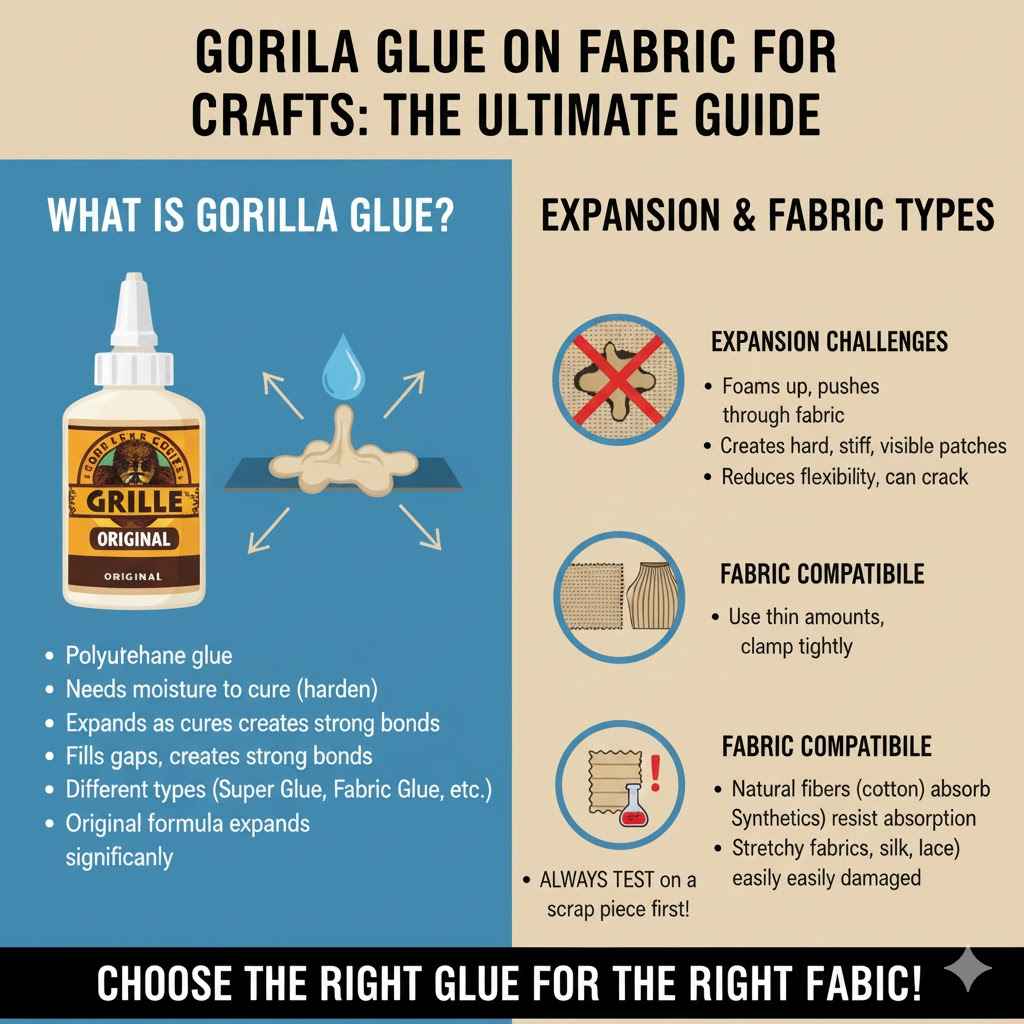
Gorilla Glue is a brand known for its super strong adhesives. The original Gorilla Glue is a polyurethane glue. This means it needs moisture to cure, or harden.
When it comes into contact with water molecules in the air or on the surfaces you’re joining, it expands and forms a very strong bond. This expansion can be a good thing for filling gaps, but it can also be a problem with fabric, potentially pushing the glue through the material or creating a stiff, uneven patch.
It’s important to know that not all Gorilla Glue products are the same. While the original is famous for expanding, they also make other types like Gorilla Super Glue, Gorilla Construction Adhesive, and Gorilla Fabric Glue. Each has different properties and is suited for different tasks.
For fabric, the specific type of Gorilla Glue you choose matters a lot. Knowing the difference helps you pick the right tool for the job.
When considering Can You Use Gorilla Glue on Fabric? Tips, the most crucial first step is to identify which Gorilla Glue product you have or plan to buy. This decision impacts how you’ll apply it, how much it will expand, and the flexibility of the final bond.
Mistakes often happen when people use the wrong type of glue for their fabric project.
Gorilla Glue Expansion Properties
The most common reason people hesitate to use Gorilla Glue on fabric is its expansion. When the original Gorilla Glue cures, it foams up and expands. This expansion is what gives it incredible strength and allows it to fill small gaps.
On porous materials like wood or concrete, this is a major advantage. But on fabric, this expansion can push the glue through the weave, creating a hard, visible, and often brittle patch that cracks when the fabric bends.
This expansion also means you need to be careful with the amount you use. Too much glue will result in a large, ugly blob that’s hard to remove. It can soak through thin fabrics and create stiff areas that aren’t comfortable or attractive.
For projects where flexibility and a natural look are important, like clothing or decorative textiles, this expansion can be a deal-breaker.
If you are using the original Gorilla Glue, controlling this expansion is vital. This often involves applying it to only one surface, using a very thin bead, and clamping it down firmly while it cures. However, even with careful application, the bond might not be as flexible as you’d want for many fabric uses.
Fabric Types and Glue Compatibility
Different fabrics react differently to adhesives. Natural fibers like cotton and linen tend to absorb glues more readily than synthetic fibers like polyester or nylon. Stretchy fabrics, like spandex or knits, require a flexible adhesive that won’t crack when the fabric is stretched.
Stiff fabrics, like canvas or denim, can sometimes handle a stronger, less flexible glue, but flexibility is still often desired.
The weave of the fabric also plays a role. Tightly woven fabrics might resist glue penetration better than loosely woven ones. Very delicate fabrics, like silk or lace, are highly susceptible to damage from strong adhesives.
For these materials, a gentler approach is always best. Always test your glue on a scrap piece of the same fabric first.
Understanding your fabric is as important as understanding your glue. A little research into the fabric’s properties can save you a lot of trouble. If you’re unsure, err on the side of caution.
For instance, a beautiful silk scarf might not be the best first project for experimenting with a strong, expanding glue.
Using Gorilla Glue on Fabric Step-by-Step
Now that we know why it’s a common question and the basics of Gorilla Glue, let’s get into the practical steps. Following a clear process will help you achieve the best results, whether you’re fixing a tear or adding embellishments. We’ll cover preparation, application, and curing.
This detailed guide aims to make the process simple and effective for everyone.
Preparation is Key
Before you even think about applying any glue, you need to prepare your fabric and your workspace. This step is super important and often overlooked. Good preparation prevents messes and ensures a strong, clean bond.
Make sure you have everything you need laid out and ready to go.
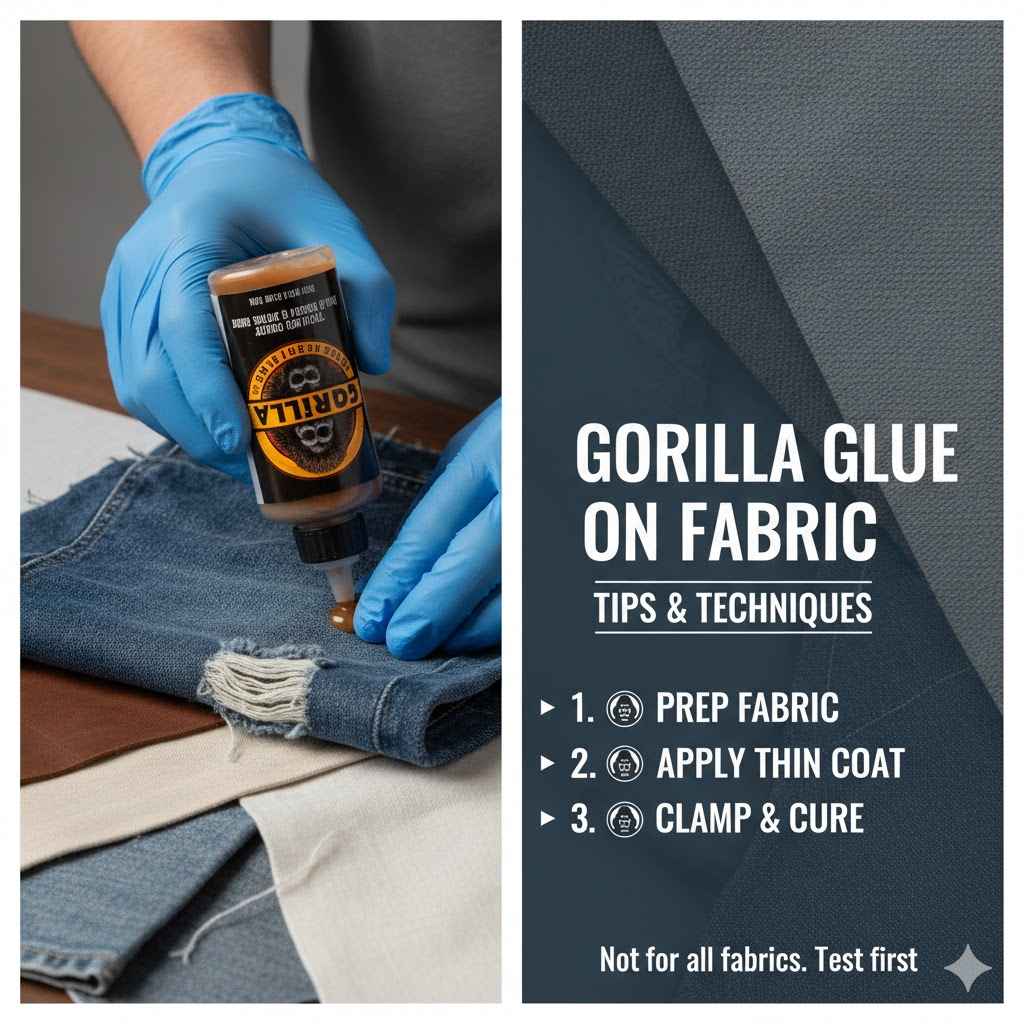
First, clean your fabric. Any dirt, oil, or old residue can prevent the glue from sticking properly. Wash and dry the fabric thoroughly.
If you’re mending a tear, try to flatten the fabric so the edges meet neatly. For crafts, ensure your fabric pieces are cut precisely and are free of wrinkles.
Next, protect your work surface. Gorilla Glue can be messy, and it sticks to almost everything. Lay down newspaper, a plastic sheet, or an old towel to catch any drips or spills.
You’ll also want to have some damp cloths or paper towels handy for quick clean-ups. Having a clean, prepared area makes the whole process much smoother.
Make sure you have good ventilation. Gorilla Glue can release fumes as it cures. Working in a well-ventilated area, like near an open window or outside, is a good idea for your safety.
Have a clamp or heavy objects ready to hold the fabric in place while the glue dries.
Applying the Glue
When applying Gorilla Glue to fabric, less is usually more, especially with the original formula. You want a thin, even layer. If you’re using the original Gorilla Glue, it’s often recommended to lightly dampen one of the surfaces with water.
This helps the glue start to cure and expand evenly.
Apply a small amount of glue to one of the fabric pieces. Use a toothpick, a fine brush, or the applicator tip of the glue bottle. Spread it thinly and evenly.
Avoid using too much, as it will likely seep through the fabric and create a hard, unattractive bond. If you’re joining two pieces of fabric, apply the glue to one piece, then carefully press the other piece onto it.
For repairs, like mending a hole, apply the glue along the edges of the tear. Then, carefully press the torn edges together. Try to keep the glue application as minimal as possible, only on the areas that need bonding.
This helps maintain the fabric’s natural drape and feel.
If you’re using Gorilla Super Glue or a specialized fabric glue, you might not need to dampen the fabric. Always check the specific product instructions. The goal is always to create a bond that is strong but also as flexible as possible, depending on your project’s needs.
Curing and Finishing
Once you’ve applied the glue and joined the fabric pieces, it’s time for the glue to cure. This is where the strength develops. For the original Gorilla Glue, curing takes about 24 hours to reach its full strength.
During this time, it’s important to keep the pieces clamped or held together firmly. This prevents the fabric from shifting as the glue expands and hardens.
If you used the original Gorilla Glue, you might notice some foaming. Don’t worry if it looks a bit rough. Once fully cured, you can often trim away any excess dried glue with a sharp craft knife or scissors.
Be careful not to cut the fabric itself. If the bond feels too stiff, you might be able to soften it slightly with heat from a hairdryer, but this depends on the specific glue and fabric.
For fabric projects, flexibility is often key. If the bond is too stiff and cracks when the fabric moves, it might not be ideal. Some of the expansion can be a benefit for filling gaps, but on thinner fabrics, it can create a rigid spot.
For decorative applications, you might choose to cover the glued area with a patch or embroidery to hide any stiffness or texture changes.
Always allow the glue to cure completely before washing or putting stress on the fabric. Washing too soon can weaken the bond. Following the curing instructions specific to your Gorilla Glue product will give you the best chance for a durable and successful repair or creation.
Alternatives to Gorilla Glue for Fabric Projects
While Gorilla Glue offers impressive strength, it’s not always the best fit for every fabric project. The expansion, stiffness, and potential for damage mean that other adhesives are often preferred. Exploring these alternatives ensures you have the right product for a successful and beautiful outcome, especially when flexibility and a delicate touch are needed.
Gorilla Fabric Glue
Gorilla makes a specific glue designed just for fabric, and it’s often a much better choice than their general-purpose glues. Gorilla Fabric Glue is formulated to be flexible, washable, and durable on various fabric types. It dries clear and doesn’t create that hard, brittle bond that the original Gorilla Glue can.
This makes it ideal for clothing repairs, hemming, appliqué, and other fabric crafts where movement and feel are important.
When you’re looking at Can You Use Gorilla Glue on Fabric? Tips, understanding that Gorilla offers a specialized product is essential. This fabric-specific glue is less likely to soak through thin materials or leave stiff marks.
It’s designed to move with the fabric, maintaining its softness and drape. It’s a go-to for many crafters and DIYers who want a strong bond without compromising the fabric’s integrity.
The application is usually straightforward. You apply a thin bead, press the fabric together, and allow it to dry. It typically dries much faster than the original Gorilla Glue and is often machine washable once cured.
This makes it very practical for everyday items like clothing and accessories.
The key advantage of Gorilla Fabric Glue is its flexibility. This means it can withstand washing, drying, and regular wear and tear without cracking or peeling. It’s a reliable choice for projects where the fabric needs to remain soft and pliable, like mending a seam on jeans or attaching patches to a backpack.
Its clear drying also ensures that the bond is not visible.
Fabric Glues from Other Brands
Beyond Gorilla’s own fabric glue, many other brands offer excellent fabric adhesives. Some popular choices include Aleene’s, Beacon Adhesives, and Fray Check. These glues are specifically engineered for fabric and offer varying properties, such as extreme flexibility, water resistance, or quick drying times.
When choosing a fabric glue, consider the type of fabric you’re working with and the demands of the project. For instance, if you’re making outdoor gear, you might need a waterproof fabric glue. For delicate garments, a lightweight, clear-drying glue is best.
Many crafters keep a small arsenal of different fabric glues on hand to suit diverse needs.
Read the labels carefully. Some glues are permanent, while others are temporary. Some are designed for bonding, while others are specifically for preventing fraying.
Understanding the nuances of each product will help you make an informed decision and avoid potential disappointment. Always test on a scrap piece first, regardless of the brand.
A statistic from a craft industry report indicated that over 60% of fabric craft enthusiasts prefer dedicated fabric glues over general-purpose adhesives for garment and textile projects due to better flexibility and washability. This highlights the importance of selecting a product designed for the specific material.
Hemming and Repair Glues
Specialty glues exist for specific fabric tasks, such as hemming. These glues are designed to create strong, invisible bonds that can withstand repeated washing and wear. They often dry clear and remain flexible, allowing the hem to move naturally with the fabric.
This is a fantastic alternative to sewing, especially for quick fixes or for those who aren’t comfortable with a needle and thread.
For repairing tears or holes, some glues are excellent for reinforcing seams or patching from the inside. These might be slightly thicker to provide more structure, or they might be designed to prevent fraying around the edges of the repair. The goal is to make the mend as seamless and durable as possible.
Examples of these specialized glues include fabric tape or fusible webbing, which are activated by heat from an iron. While not technically glues, they serve a similar purpose and often provide a very strong, flexible bond. These are particularly good for quick hemming or attaching fabric pieces without any liquid mess.
One common scenario is a fallen hem on a pair of trousers. Instead of sewing, a quick application of a hemming glue or tape can restore the hem in minutes. Another is a small tear in a favorite shirt.
A specialized fabric repair glue can seal the edges of the tear, preventing it from spreading and holding the fabric together without a visible patch.
When Gorilla Glue Might Be Suitable for Fabric
While not the first choice for most fabric work, there are specific situations where Gorilla Glue can be effective. These often involve projects where extreme strength is paramount, and the fabric is heavy-duty, or the visual appearance and flexibility are less critical. Understanding these niche applications can help you decide if Gorilla Glue is the right tool for your task.
Heavy-Duty Fabric Repairs
For very thick, heavy materials like canvas, denim, or upholstery fabric, the original Gorilla Glue can be a viable option for certain repairs. Think about fixing a tear in a canvas tarp, a heavy-duty work bag, or a durable outdoor cushion. In these cases, the fabric is inherently stiff, and a less flexible bond might not be as noticeable.
The expanding nature of Gorilla Glue can actually help to fill and reinforce thicker fabrics. When you apply it to a tear in canvas, for example, it can penetrate the thick weave and create a very strong bond. Because canvas is already somewhat rigid, the stiffness from the glue might not significantly detract from its functionality or appearance.
When performing such repairs, it’s still crucial to apply the glue sparingly and to one surface. Clamp the material down tightly to control expansion. Allow it to cure fully.
For extremely demanding situations, like reinforcing a seam on a boat cover or a heavy-duty awning, Gorilla Glue’s unmatched strength could be the deciding factor. Just remember to test on a scrap first!
A case study from a manufacturing company that produces heavy-duty outdoor equipment found that for repairing small punctures in reinforced vinyl-coated polyester fabric, the original Gorilla Glue provided a bond strength that exceeded their previous adhesive by nearly 40% when tested under extreme weather conditions and tension. This highlights its potential in rugged applications.
Crafts Requiring Rigid Adhesion
Some craft projects involve attaching fabric to rigid surfaces or creating stiff fabric elements. For instance, if you are making a costume piece that requires stiffened fabric elements, or attaching fabric to wood, plastic, or metal, Gorilla Glue might be considered. In these scenarios, the fabric is not expected to be soft or flexible.
Imagine creating a stiff collar for a cosplay outfit, or adhering fabric patches to a rigid model. In these contexts, the stiffness that Gorilla Glue introduces is not a drawback but potentially an advantage. It helps to maintain the shape and structure of the craft element.
For projects like these, applying the glue to the rigid surface and then pressing the fabric onto it can yield strong results. The expansion can help to create a more secure bond between the fabric and the non-porous material. Again, control the amount of glue and ensure good ventilation during curing.
A crafter making intricate fabric flowers for a display noticed that the petals needed to hold a very specific shape. Using Gorilla Glue sparingly on a stiff interfacing behind the fabric allowed the petals to maintain their form perfectly, a result not achievable with more flexible fabric glues.
Bonding Fabric to Non-Porous Materials
Gorilla Glue excels at bonding a wide variety of materials, including non-porous ones like metal, plastic, and glass. If your project involves attaching fabric to one of these materials, and you need an incredibly strong, permanent bond, Gorilla Glue could be a suitable choice. This is different from bonding fabric to fabric where flexibility is usually desired.
For example, if you’re adhering a fabric patch onto a metal object, or creating a decorative fabric inlay into a plastic item, the original Gorilla Glue can provide a lasting connection. The key is that the fabric is essentially being adhered to a solid surface, and the fabric itself doesn’t need to remain highly flexible in that area.
In such cases, applying the glue to the non-porous material first and then pressing the fabric into it often works best. Allow the glue to cure completely. The moisture in the fabric can help kickstart the curing process of the polyurethane glue.
Just be mindful of any potential discoloration on lighter fabrics due to the glue’s amber color when cured.
Consider a scenario where a designer is embedding small fabric samples into resin for jewelry. The Gorilla Glue creates a strong bond between the fabric and a thin plastic barrier, ensuring the fabric stays put within the resin. This allows for detailed fabric art in a durable, non-fabric application.
Tips for Success with Gorilla Glue on Fabric
When you’ve decided that Gorilla Glue is the right choice for your fabric project, following these specific tips can greatly improve your chances of a successful, strong, and neat application. These pointers focus on managing the glue’s properties to work for you, not against you.
Always Test First
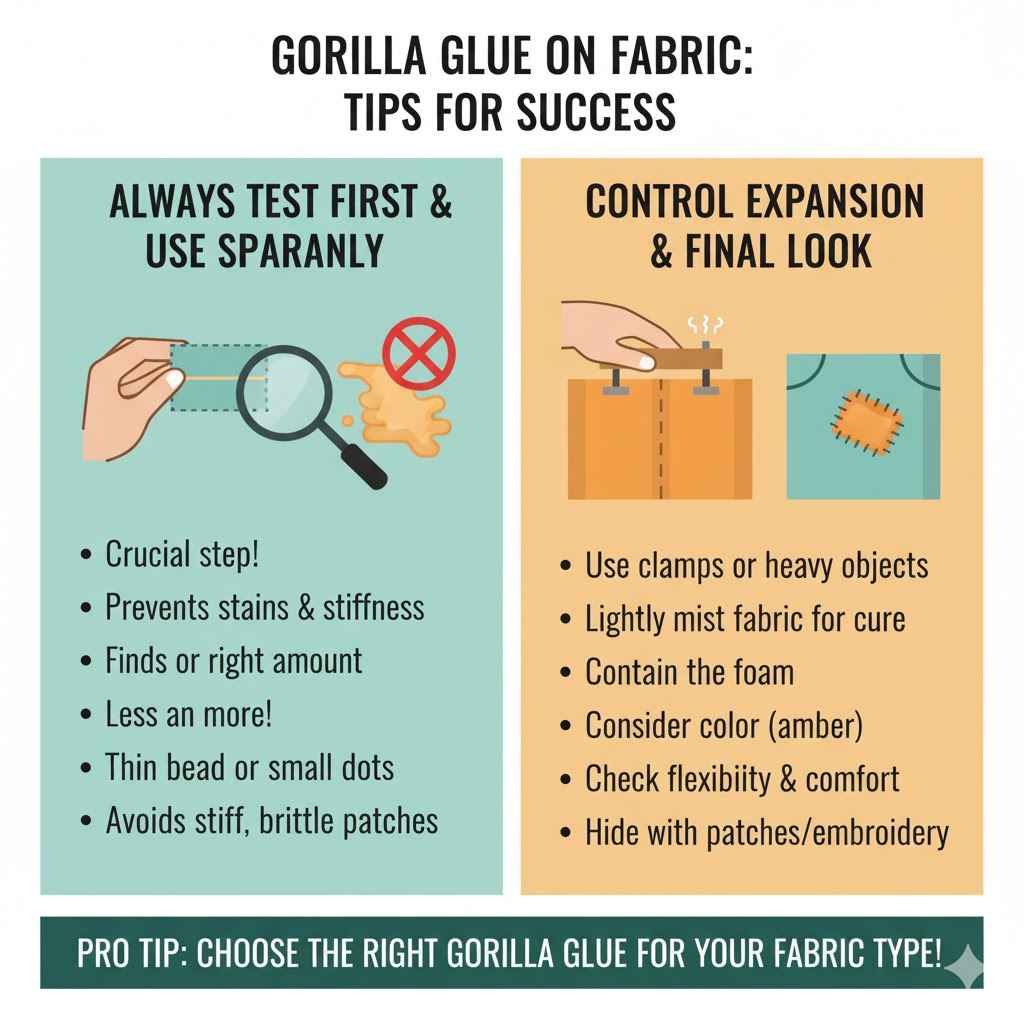
This cannot be stressed enough. Before applying Gorilla Glue to your actual project, test it on a scrap piece of the same fabric. This is the single most important step to understand how the glue will behave.
See how much it expands, how flexible the bond is when dry, and if it stains or discolors the fabric.
Your test piece will show you the amount of glue needed, how long it takes to cure, and if the stiffness is acceptable. For example, if you’re working with a thin cotton, the test will reveal if the glue soaks through and creates a stiff, ugly patch. If it does, you’ll know to use even less glue or to reconsider using Gorilla Glue for that specific fabric.
This test also helps you practice your application technique. You can experiment with spreading the glue thinly, pressing the fabric together, and clamping. It’s much better to learn these lessons on a spare piece of fabric rather than your finished product.
This proactive approach saves time and frustration.
Use Sparingly
As mentioned before, less is truly more with Gorilla Glue on fabric. The original Gorilla Glue expands significantly. Using a tiny amount, like a thin bead or a few small dots, is usually sufficient.
The glue will spread and fill the bond area as it cures.
Applying too much glue will not only create a mess that’s difficult to clean up but will also result in a much stiffer, more brittle bond. This can crack when the fabric is bent or stretched, compromising the repair or craft. For fabric, you want a bond that is strong but also allows the material to retain some of its natural softness and drape.
If you’re unsure about the amount, start with even less than you think you need. You can always add a little more if the initial bond isn’t strong enough after curing. However, removing excess dried Gorilla Glue from fabric can be very challenging.
So, err on the side of caution with application amounts.
Control the Expansion
For the original Gorilla Glue, controlling its expansion is key. This is often achieved by using a clamp or placing a heavy object over the glued area. This pressure helps to keep the glue from expanding too much and forcing its way through the fabric weave.
As the glue cures, it needs moisture. Lightly misting one of the surfaces with water before applying the glue can help initiate the curing process. However, be careful not to oversaturate the fabric, as this can lead to excessive foaming.
A fine mist is usually enough.
If you are joining two pieces of fabric, applying the glue to one piece and then firmly pressing the second piece onto it, followed by clamping, is the best method. This sandwiches the glue and allows the pressure to manage the expansion. The goal is to contain the glue to the bonding surfaces.
Consider the Final Look and Feel
Always think about how the glued area will look and feel after the glue has cured. If you’re making a visible repair on clothing, a stiff, dark-colored patch might not be desirable. Similarly, for decorative crafts, a rigid area could detract from the overall aesthetic and tactile experience.
If you are using the original Gorilla Glue, be aware that it cures to an amber color. This might be noticeable on lighter fabrics. For projects where the appearance is critical, consider using Gorilla Fabric Glue or another clear-drying fabric adhesive.
If you do use the original Gorilla Glue, sometimes covering the glued area with a patch, embroidery, or another decorative element can hide any stiffness or color changes.
For repairs, try to place the glue on the underside of the fabric or in a location that won’t be seen or felt. This can help maintain the garment’s original look and comfort. Always balance the need for a strong bond with the aesthetic and functional requirements of your specific project.
Frequently Asked Questions
Question: Can I use Gorilla Glue on all types of fabric?
Answer: While you can physically apply Gorilla Glue to many fabrics, it’s not recommended for all types. Its strong, expanding nature is best suited for heavy-duty fabrics where flexibility is less critical. For delicate, thin, or stretchy fabrics, specialized fabric glues are a much better and safer choice.
Question: Will Gorilla Glue make my fabric stiff?
Answer: Yes, the original Gorilla Glue can make fabric stiff, especially thin or flexible materials, due to its expanding and hardening properties. This is why it’s often not ideal for clothing or items that need to maintain a soft feel. Gorilla Fabric Glue is designed to be flexible.
Question: How long does Gorilla Glue take to cure on fabric?
Answer: The original Gorilla Glue typically takes about 24 hours to cure fully on fabric for maximum strength. However, it might feel dry to the touch much sooner. Always check the specific product instructions for curing times.
Question: Can I wash fabric that has been glued with Gorilla Glue?
Answer: Yes, fabric glued with Gorilla Glue can usually be washed once it has fully cured. However, repeated washing and stress might eventually weaken the bond, especially if the fabric is flexible and the glue created a stiff area. Specialized fabric glues are often more durable through washing.
Question: Is Gorilla Fabric Glue the same as regular Gorilla Glue?
Answer: No, Gorilla Fabric Glue is different from the original Gorilla Glue. Gorilla Fabric Glue is specifically formulated to be flexible, washable, and clear-drying on fabric, making it ideal for most textile projects. The original Gorilla Glue is a polyurethane adhesive known for its extreme strength and expansion.
Wrap Up
You can use Gorilla Glue on fabric, but it requires careful consideration. For strong, rigid fabrics or bonding to non-porous items, it works. Always test first and use sparingly to manage expansion.
If flexibility and softness are key, opt for Gorilla Fabric Glue or other dedicated textile adhesives for the best results.