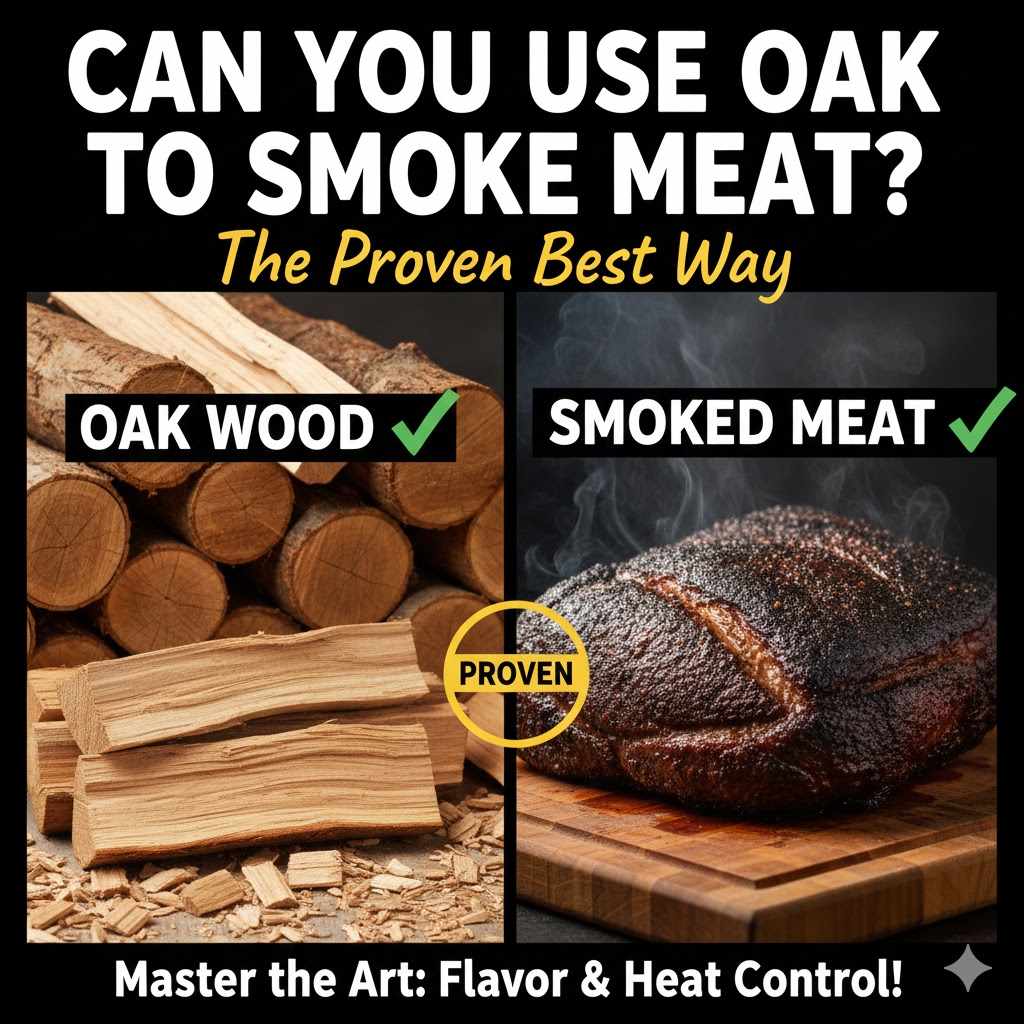
Can You Use Oak to Smoke Meat? The Proven Best Way
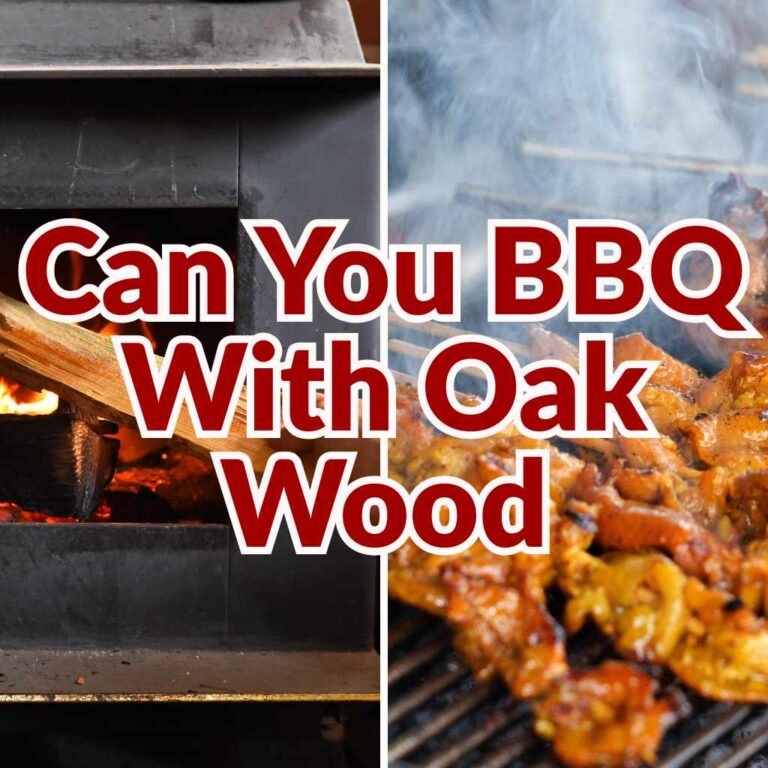
Yes, you can absolutely use oak to smoke meat. In fact, oak is one of the best and most popular choices for barbecue. It provides a balanced, medium-strength smoky flavor that enhances beef, pork, and poultry without overpowering them. It’s the perfect wood for beginners and seasoned pitmasters alike.
Hello, fellow makers and DIY enthusiasts! It’s Md Meraj here. In my workshop, we talk a lot about oak for furniture and projects. But what about using it in your backyard smoker? You might wonder if the oak you see is safe or even good for smoking meat. It’s a great question, and I’ve seen a lot of confusion around this topic.
The good news is, you’re on the right track! Oak is a fantastic choice for smoking. It’s trusted by pitmasters everywhere for its reliable and delicious results. In this guide, I’ll walk you through everything you need to know. We’ll cover the best types of oak to use, how to prepare the wood safely, and a step-by-step method to get that perfect smoky flavor every time. Let’s get started!
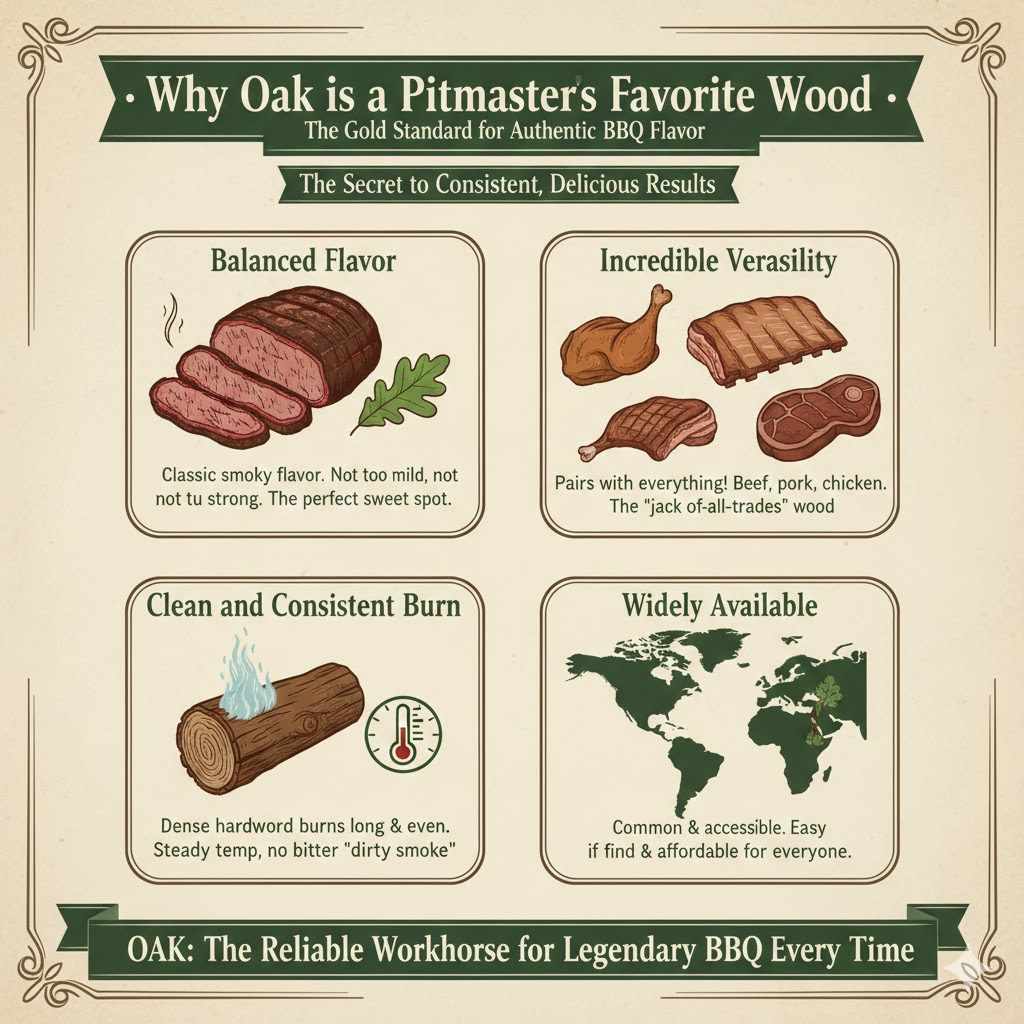
Why Oak is a Pitmaster’s Favorite Wood
Walk into any legendary barbecue joint, and you’ll likely smell the signature aroma of oak smoke. There are good reasons why this hardworking hardwood is the go-to fuel for so many experts. It’s not just about tradition; it’s about reliable, delicious results.
- Balanced Flavor: Oak delivers a classic smoky flavor that isn’t too mild or too strong. It hits that perfect sweet spot right in the middle. Unlike mesquite, which can be very potent, or apple, which is much sweeter and milder, oak provides a savory smokiness that complements the meat instead of masking its natural flavor.
- Incredible Versatility: This is oak’s superpower. It pairs wonderfully with just about any meat you can think of. From a hearty beef brisket to a delicate chicken, oak smoke adds a beautiful flavor. It’s the jack-of-all-trades in the smoking world, making it a perfect choice if you’re just starting and only want to buy one type of wood.
- Clean and Consistent Burn: Good barbecue depends on a steady, long-lasting fire. Oak provides just that. As a dense hardwood, it burns evenly and for a long time, making it easier for you to maintain a consistent temperature in your smoker. This means less time fussing with the fire and more time enjoying the process.
Choosing the Right Type of Oak: Red vs. White Oak
Just like in woodworking, not all oak is the same. The two main families you’ll find are Red Oak and White Oak. Both are excellent for smoking, but they offer slightly different flavor profiles. Choosing between them depends on the taste you’re aiming for.
Red Oak is known for having a slightly stronger, more robust flavor. It’s a great all-purpose choice but really shines with beef and lamb. It brings a hearty, traditional smoke flavor that stands up well to rich meats.
White Oak, on the other hand, is a bit more mellow. It has a milder, smoother smoke flavor with a hint of vanilla or caramel. It’s incredibly versatile and is a fantastic choice for pork, poultry, and fish, as it won’t overwhelm their more delicate tastes.
For beginners, White Oak is often recommended because its milder flavor is more forgiving. It’s harder to “over-smoke” your food with it. Here’s a simple table to help you compare:
| Feature | Red Oak | White Oak |
|---|---|---|
| Flavor Profile | Stronger, more robust, classic smoky taste. | Milder, smoother, sometimes with a hint of sweetness. |
| Best Meats | Beef (brisket, ribs), lamb, game meats. | Pork, poultry, fish, and a great all-purpose choice. |
| Smoke Intensity | Medium-High | Medium |
| Beginner Friendly? | Good, but use a little less to start. | Excellent, very forgiving. |
What Meats Pair Best with Oak Smoke?
As we’ve discussed, oak is incredibly versatile. But let’s dive a little deeper into some classic pairings to get you started on the right foot. Think of this as a launching pad for your own delicious experiments.
Beef
Oak and beef are a match made in barbecue heaven. Texas-style brisket, arguably the king of barbecue, is almost exclusively smoked with oak (often Post Oak, a type of white oak). The medium smoke flavor is strong enough to permeate the dense beef but doesn’t overpower its rich, beefy taste. It’s also fantastic for beef ribs and tri-tip.
Pork
From pulled pork shoulder to baby back ribs, oak smoke adds a wonderful savory depth. It provides a beautiful reddish-brown color (the “bark”) and a flavor that balances perfectly with the sweetness of pork and any sauces or rubs you might use. White oak is particularly good here.
Poultry
Chicken and turkey can be easily overwhelmed by stronger woods like mesquite or hickory. Oak, especially white oak, provides just the right amount of smoke to give your poultry a delicious, golden-brown skin and a flavor that’s smoky but not bitter.
Lamb
Lamb has a distinct flavor of its own. Red oak’s more assertive profile stands up well to it, creating a truly memorable meal. The smoky notes complement the gaminess of the lamb perfectly.
Here is a handy pairing guide to keep in your workshop or near your smoker:
| Meat | Recommended Oak Type | Flavor Notes & Tips |
|---|---|---|
| Beef Brisket | White Oak (Post Oak) or Red Oak | The classic choice for a deep, savory crust and authentic flavor. |
| Pork Shoulder/Butt | White Oak | Creates a mild, sweet smokiness that’s perfect for pulled pork. |
| Ribs (Pork or Beef) | White or Red Oak | Oak builds a beautiful color and provides a solid smoke backbone for your sauce. |
| Chicken & Turkey | White Oak | A gentler smoke that won’t overpower the bird. Gives skin a lovely golden hue. |
| Lamb | Red Oak | A stronger smoke that beautifully complements the distinct taste of lamb. |
| Sausages | White Oak | Adds a gentle smokiness without being too harsh for sausages. |
Safety First: Sourcing and Preparing Your Oak Wood
This is the most important part of the process. The wood you use directly impacts the flavor and safety of your food. Just because a piece of wood is oak doesn’t automatically mean it’s ready for your smoker.
Only Use Natural, Untreated Wood
Never, ever use wood that has been painted, stained, pressure-treated, or is part of a manufactured product like plywood or MDF. These woods contain chemicals, glues, and toxins that will release poisonous fumes when burned. Using them can make your food taste terrible and, more importantly, can make you very sick.
This also includes old furniture, deck boards, or construction scraps. Stick to wood that is 100% natural.
Sourcing Your Oak
- Buy from a Reputable Supplier: The easiest and safest method is to buy oak chunks, chips, or logs specifically packaged for smoking. You can find these at hardware stores, barbecue specialty shops, or online. This wood is guaranteed to be clean, properly seasoned, and food-safe.
- Using Wood from Your Yard: If you have an oak tree that has been felled, you can absolutely use that wood, but you must prepare it properly. You need to be 100% certain it is an oak tree and that it hasn’t been treated with pesticides or chemicals.
The Importance of Seasoning Wood
You cannot use “green” or freshly cut wood for smoking. Green wood contains a lot of water and sap. When it burns, it produces a thick, white, acrid smoke that will make your food taste bitter and unpleasant. The wood must be “seasoned,” which means it needs to be dried until the moisture content is low (ideally below 20%).
Proper seasoning can take anywhere from six months to over a year. To season wood, you should:
- Split the logs into a manageable size.
- Stack the wood in a place where air can circulate all around it. Keep it off the ground and cover the top to protect it from rain, but leave the sides open.
- Be patient! You can check if wood is seasoned by knocking two pieces together. Dry, seasoned wood will make a sharp “clack” sound, while wet wood will make a dull “thud.
For more detailed information on drying firewood, you can check out this helpful guide from the U.S. Forest Service about firewood partnerships, which often emphasize proper seasoning for clean burning.
The Proven Best Way: Step-by-Step Guide to Smoking with Oak
Alright, you’ve got your smoker, your meat, and your properly seasoned oak. Now for the fun part! This simple, step-by-step process will help you achieve that legendary clean smoke for perfect results.
Step 1: Choose Your Oak Form (Chips, Chunks, or Logs)
The form of oak you use depends on your smoker and how long you plan to cook.
- Chips: These are small wood pieces that burn quickly. They are best for short cooks (under an hour) or for adding a quick burst of smoke on a gas or charcoal grill.
- Chunks: These are fist-sized blocks of wood. They are the most common choice for backyard smokers. They burn slowly and consistently, providing smoke for several hours. They are perfect for longer cooks like pork shoulder or brisket.
- Logs/Splits: These are for large, offset smokers (sometimes called “stick burners”). They are used as the primary fuel source, providing both heat and smoke.
Step 2: To Soak or Not to Soak? The Great Debate
You may have heard you need to soak wood chips in water before using them. The old thinking was that this made them smolder longer. However, most modern pitmasters agree: do not soak your wood chunks. When wet wood hits a hot fire, it creates steam, not clean smoke. This steam can delay the cooking process and create a “dirty” smoke flavor. You want the wood to combust cleanly. For wood chips on a gas grill, a brief soak can prevent them from igniting instantly, but for chunks in a smoker, it’s best to use them dry.
Step 3: Prepare Your Smoker or Grill
Your goal is to cook with indirect heat. This means the meat isn’t placed directly over the flames. Arrange your charcoal on one side of your grill or smoker. Light it and let it get hot until the coals are covered with a light gray ash. Your target temperature for most low-and-slow smoking is between 225°F and 275°F (107°C to 135°C). Use your smoker’s vents to control airflow and stabilize the temperature.
Step 4: Managing Your Fire and Smoke
Once your temperature is stable, add 2-3 oak chunks directly on top of the hot coals. Don’t add too much wood at once! Too much wood will smother the fire and produce a thick, white, bitter smoke. You are looking for a thin, blue-ish smoke wafting gently from the exhaust. This nearly invisible “thin blue smoke” is the sign of a clean-burning fire and is what gives you the best flavor.
Step 5: Place Your Meat and Start Smoking
Place your seasoned meat on the side of the grill opposite the fire (the indirect heat zone). Insert a reliable leave-in meat thermometer probe into the thickest part of the meat, avoiding bone. Close the lid and let the oak smoke work its magic. Resist the urge to open the lid frequently, as this lets out heat and smoke.
Step 6: Knowing When It’s Done
Great barbecue is cooked to temperature, not to time. Different cuts of meat are done at different internal temperatures. A reliable digital meat thermometer is your best friend here. For food safety and best results, always cook to the proper internal temperature. The USDA provides a Safe Minimum Internal Temperature Chart which is an essential resource. For example, poultry should reach 165°F, while a pork butt for pulled pork might need to go up to 203°F to become tender.
Common Mistakes to Avoid When Smoking with Oak
Even with a great wood like oak, a few common pitfalls can trip up beginners. Here’s what to watch out for:
- Using Green Wood: As we covered, this is the #1 mistake. Unseasoned wood creates bitter, sooty smoke that will ruin your food. Always use fully dried wood.
- Using Too Much Wood: More smoke is not better. A common beginner mistake is to pile on the wood, thinking it will create more flavor. It won’t. It will create an overpowering, acrid taste. Start with just 2-3 chunks for a multi-hour cook. You can always add one more later if needed.
- Ignoring Your Smoke Color: If you see thick, billowing white smoke, your fire needs more oxygen. Open your vents slightly to let the fire breathe. Chasing that thin blue smoke is key to delicious results.
- Opening the Lid Too Often: “If you’re lookin’, you ain’t cookin’.” Every time you open the lid, you release heat and smoke, extending your cooking time and making it harder to maintain a consistent environment. Trust your thermometer and let the smoker do its job.
Conclusion: Your Next Great BBQ Adventure Awaits
So, can you use oak to smoke meat? The answer is a resounding yes! Oak isn’t just a good choice; it’s one of the best. Its balanced flavor, clean burn, and incredible versatility make it a reliable partner for any barbecue you can dream up.
By choosing the right type of oak for your meat, preparing your wood safely, and following a few simple steps to manage your fire, you can unlock that incredible flavor that makes barbecue so special. Don’t be afraid to experiment. Try white oak on your next chicken or red oak on some beef ribs. The journey of mastering smoke and fire is one of the most rewarding parts of being a DIY cook. Now go on, fire up that smoker and make something delicious!

Frequently Asked Questions About Smoking with Oak
Can I use oak wood from my backyard?
Yes, but only if you are 100% sure it’s oak and it has never been treated with chemicals or pesticides. The wood must also be fully seasoned (dried) for at least 6-12 months before use to ensure it burns cleanly and doesn’t produce bitter smoke.
What’s the difference between smoking with oak chips and chunks?
Chips are small and burn quickly, making them ideal for short cooking times (like on a gas grill) to add a quick burst of smoke. Chunks are larger, fist-sized pieces that burn slowly and steadily, making them the preferred choice for long smoking sessions in a dedicated smoker.
Is red oak or white oak better for beginners?
White oak is generally considered more beginner-friendly. Its flavor is milder and smoother, which is more forgiving and makes it harder to “over-smoke” the food. It’s a great all-purpose wood to start with.
How much oak wood should I use?
Less is more, especially when you’re starting. For a typical long smoke in a backyard smoker, begin with 2 to 3 oak chunks placed on the hot coals. This is usually enough to provide smoke for several hours. You want a gentle, continuous stream of smoke, not a heavy cloud.
Can you mix oak with other smoking woods?
Absolutely! This is a popular technique used by pitmasters. Oak provides a great, steady base flavor. You can add a chunk of a fruitwood like apple or cherry for a hint of sweetness, or a piece of hickory for a more pungent, bacon-like flavor. A common combination for ribs is a mix of oak and cherry.
Do I need to remove the bark from oak before smoking?
This is a topic of debate, but most people agree it’s best practice to use wood with the bark on. The bark contains a lot of flavor. As long as the wood is clean and free of any moss or fungus, the bark is perfectly fine to leave on and will contribute to the overall smoke flavor.
What does “thin blue smoke” mean?
“Thin blue smoke” refers to the ideal smoke for barbecue. It’s a sign of a clean, efficient-burning fire. This smoke is often hard to see, appearing as a light blue-ish haze. It produces the best-tasting results. Thick, white, billowing smoke is a sign of a smoldering, oxygen-starved fire and will make your food taste bitter and acrid.