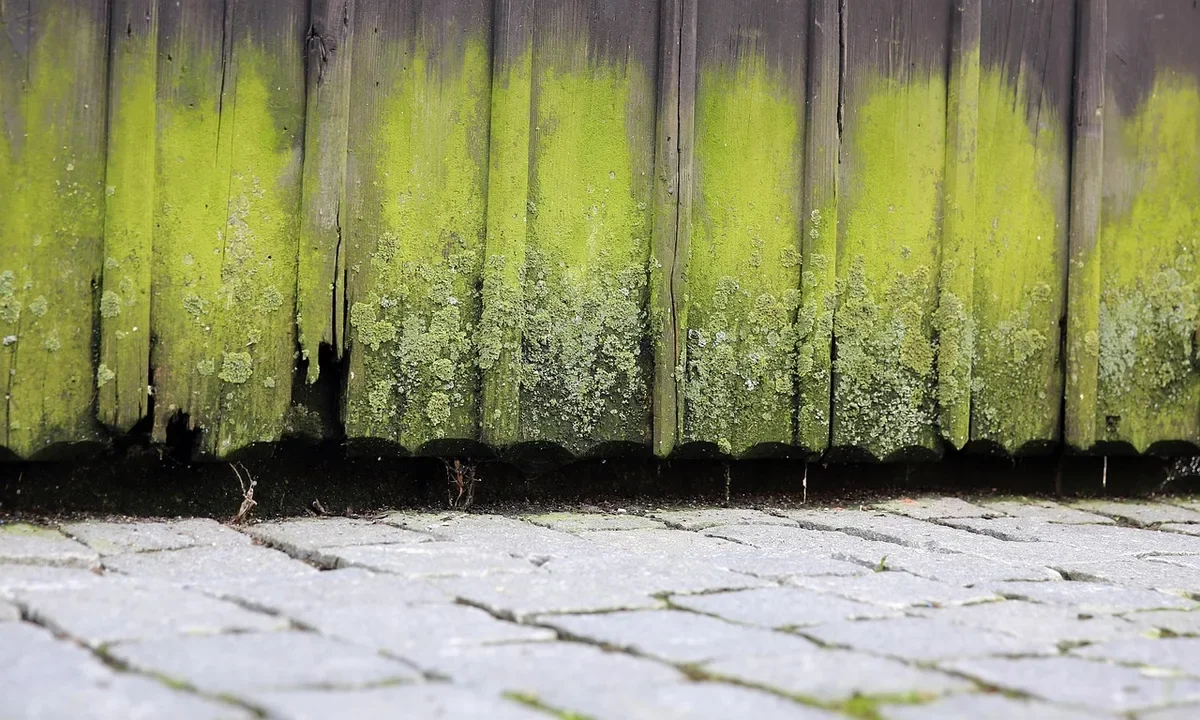
Is Whitewood Good for Outdoors? Only Sealed or Treated
Whitewood is fine outdoors only if it is either pressure-treated or sealed on every face and kept off the ground. Left bare, it is one of the fastest-rotting lumber choices you can build with.
The catch is that "whitewood" is a trade name, not a species. At a home center it usually means spruce, pine or fir (SPF) framing lumber, the cheap studs and 2x4s that were made to sit inside a wall, not out in the rain. Every claim about "whitewood outdoors" really comes down to how those three softwoods handle moisture, so that is what this guide checks, using published decay ratings instead of guesses. If you are still sorting out the name itself, our explainer on what whitewood actually is covers it.
Is Whitewood Good for Outdoors? The Short Answer
Best Outdoor Sealer Pick
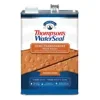 |
Thompson’s WaterSeal Semi-Transparent Waterproofing Wood Stain and Sealer, 1 Gallon, $28.98 If you build with whitewood outdoors, a UV-resistant exterior stain on every face is the minimum protection, and this is an easy, widely available one to start with.
|
Use whitewood outdoors when the wood is protected from constant wetness: a painted or stained pergola with the posts standing on metal standoffs, a covered porch ceiling, garden trellises, or a fence where the pickets never touch soil. Skip it for anything that sits in the ground, stays damp, or is walked on, such as deck boards and fence posts set in dirt. For those jobs, buy lumber that is pressure-treated for ground contact or a naturally durable species.
Two beliefs cause most outdoor failures with this lumber. The first is that a coat of sealer turns SPF into rot-resistant wood. It does not, it only slows water getting in, and it fails wherever a cut end or a screw hole was left bare. The second is that "whitewood" and "pressure-treated" are close cousins. They are separate products: treated lumber has preservative forced deep into the wood, and plain whitewood has none at all.
What Whitewood Really Is, and Why That Matters Outside
Because the name covers a mix of species, there is no single durability number for "whitewood." A stud stamped SPF may be spruce, lodgepole pine, or balsam fir, and the grade stamp does not say which. What the species share is that they are softwoods with low natural resistance to decay. Our comparison of SYP vs SPF lumber explains how these grades differ from southern yellow pine, which is the wood most often sold as pressure-treated.
One more detail matters. Published decay ratings, including the ones below, describe heartwood, the darker center of a mature tree. Construction lumber cut from small, fast-grown trees often includes a lot of pale sapwood, and sapwood of any species has little natural rot resistance. So a rating for the heartwood of a species is a best case for a plain framing board, not a promise.
How the Species Behind Whitewood Rate for Decay
The Wood Database publishes decay ratings and Janka hardness for each species. The values below come from the individual species pages for woods that are commonly sold as or beside whitewood, with western red cedar included as the durable benchmark.
| Wood | Heartwood decay rating (Wood Database) | Janka hardness | Read this as |
|---|---|---|---|
| Eastern white pine | Moderate to low | 380 lbf | Soft, weak against rot, needs finish and dry conditions |
| Sitka spruce (a spruce in the SPF group) | Slightly resistant to non-resistant | 510 lbf | Little natural protection, do not use in ground contact |
| Douglas-fir (often sold beside whitewood) | Moderately durable, but susceptible to insect attack | 620 lbf | Better than pine or spruce against rot, still needs a finish |
| Western red cedar (benchmark) | Durable to very durable | 350 lbf | The durable pick, though the softest of the four |
Notice that hardness and rot resistance do not move together. Cedar is the softest wood in the table and the most durable, while Douglas-fir is the hardest and only moderately durable. That is why a dent-resistant board is not automatically a long-lasting one outdoors. For a direct matchup, see whitewood vs cedar and Douglas-fir vs whitewood.
Where Whitewood Works Outdoors and Where It Fails
Location matters more than the species label. The same board lasts far longer under a roof than on the ground, because rot fungi need sustained moisture, and the wood that stays wet longest rots first.
| Outdoor use | Plain whitewood? | Better choice |
|---|---|---|
| Covered porch ceiling or soffit, painted | Yes, if painted on all sides | Same, primed and painted |
| Pergola or arbor above ground, stained | Acceptable with sealer and metal post bases | Cedar or treated posts |
| Fence pickets or rails, no soil contact | Acceptable with sealer, expect recoating | Cedar pickets, treated rails |
| Fence posts set in soil or concrete | No | Treated lumber rated for ground contact |
| Deck boards and stair treads | Poor, they take rain, sun and foot traffic | Treated lumber, cedar, or composite |
| Raised garden bed walls | Poor, soil holds them wet | Cedar, or treated lumber (see the raised bed guide below) |
The raised bed row is the one people ask about most. Our page on pine for raised beds walks through treated vs untreated pine, and the same logic applies to any SPF board that touches wet soil.
How to Seal Whitewood So It Lasts Outdoors
If you have decided to build with whitewood, these steps decide whether it survives a few seasons or falls apart in one. None of them are optional, because water only needs one unprotected entry point.
- Start with dry lumber. Look for a kiln-dried or S-DRY stamp. Boards that are still wet from the yard will not hold a finish and can shrink and split afterward.
- Seal before you assemble. Coat every face, edge and cut end while the pieces are still loose. Once boards are screwed together, the joints where water collects are impossible to reach.
- Give end grain extra coats. End grain soaks up finish and water faster than the faces. Two or three coats on cut ends is normal practice.
- Use a UV-resistant exterior stain or paint. Sun breaks down the wood surface as well as the finish, so pigment helps. A clear sealer alone turns silver-gray quickly.
- Use corrosion-resistant fasteners. Hot-dip galvanized or stainless screws prevent rust streaks and failing joints.
- Keep it off the ground. Set posts on metal standoffs or masonry piers, and leave small gaps so water drains rather than pooling.
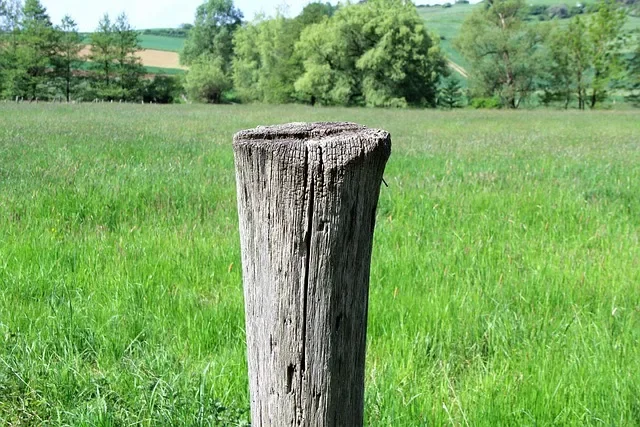
Recoating is what really decides the outcome. Instead of a fixed schedule, use a simple test: sprinkle water on the wood each spring. If it beads up, the finish is still working. If it soaks in and darkens the surface, it is time to clean and recoat. That is more reliable than a calendar date, because a south-facing rail in full sun ages faster than a shaded one.
For a product example, the Thompson’s WaterSeal stain in the box above advertises 5 years on decks and 7 years on fences and siding on its label. Treat those as best-case figures under ideal prep. On bare SPF that takes rain on horizontal surfaces, plan on checking and recoating well before that.
Whitewood vs Pressure-Treated vs Cedar
When people ask whether whitewood is "good enough," the honest answer depends on what else they could buy for a similar job. Pressure-treated wood is the practical fix for ground contact. Its preservative is forced into the wood, so it does not depend on a surface finish. Look at the end tag, which lists the use category. Ground-contact lumber carries a higher rating than the above-ground type, so do not assume that any green board will do (see our notes on pressure-treated posts). Cedar is the natural alternative, and our page on cedar outdoors explains where it earns the higher price.
| Option | Protection comes from | Weak spot |
|---|---|---|
| Plain whitewood (SPF) | Only your finish | Cut ends, joints, any point touching soil or standing water |
| Sealed or painted whitewood | Surface coating that needs upkeep | Fails where the coating cracks or was skipped |
| Pressure-treated lumber | Preservative driven into the wood | Needs galvanized or stainless fasteners, may warp as it dries |
| Cedar | Natural extractives in the heartwood | Higher price, soft surface that dents |
Frequently Asked Questions
Is Whitewood Suitable For Outdoor Furniture?
It can work for outdoor furniture that is painted or stained on every surface and stored dry or covered in wet weather. Left bare or sitting in standing water, SPF softwood absorbs moisture, grays, and starts to decay much faster than cedar or treated lumber. Seal the end grain and the underside of seats, and use stainless or galvanized fasteners.
How Long Does Whitewood Last Outdoors?
No published figure exists, because whitewood is a group of species rather than one wood, and the result depends on the exposure. Wood Database rates the heartwood of the pine and spruce species involved as moderate-to-low or slightly resistant to non-resistant against decay. Bare lumber in contact with soil can fail within a few years, while a painted board under a roof can last far longer.
Can I Use Whitewood For Decking?
It is a poor choice for deck boards. Horizontal boards hold water, take UV, and get walked on, which is the hardest job in outdoor building. Choose pressure-treated lumber rated for the use, cedar, or composite decking instead. Whitewood is better kept for above-ground details that are painted and shielded from rain.
What Are The Benefits Of Using Whitewood Outdoors?
Its main advantages are low cost, wide availability and easy cutting, and it takes paint or stain readily. Those make it reasonable for sheltered, sealed projects such as trellises, painted trim and pergola parts above ground. The tradeoff is that it needs finish upkeep and should not go into ground contact.
Bottom Line: Should You Use Whitewood Outdoors?
Use whitewood outdoors only when you can keep it dry, sealed on every face, and off the soil, and be ready to recoat it. For ground contact, decking or raised beds, spend the extra on pressure-treated lumber or cedar, since the price difference is smaller than the cost of rebuilding. Check our page on whitewood vs cedar if you are still deciding between the two.
Sponsored / affiliate links. As an Amazon Associate I earn from qualifying purchases. I may earn additional commission from eligible campaigns.